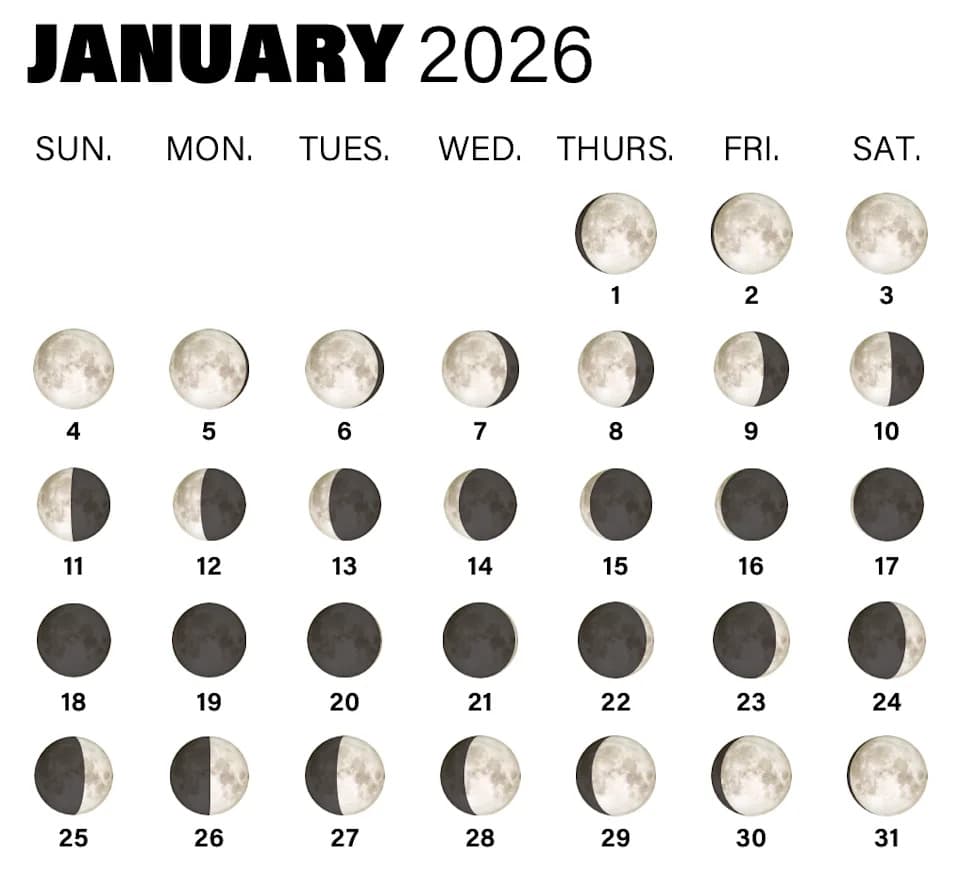
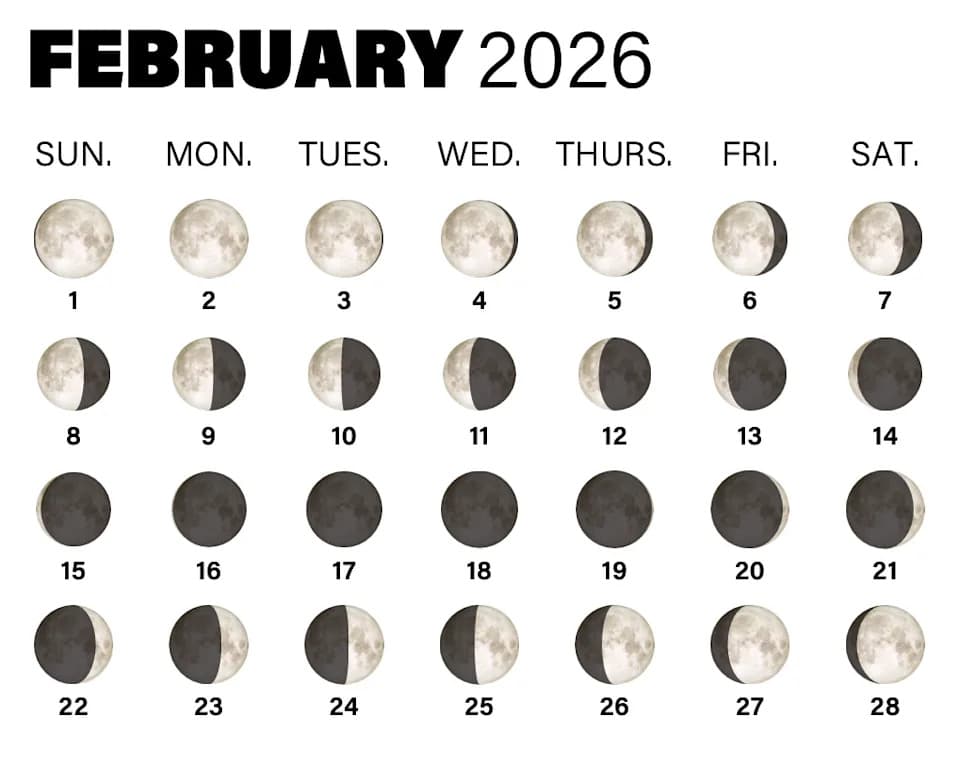
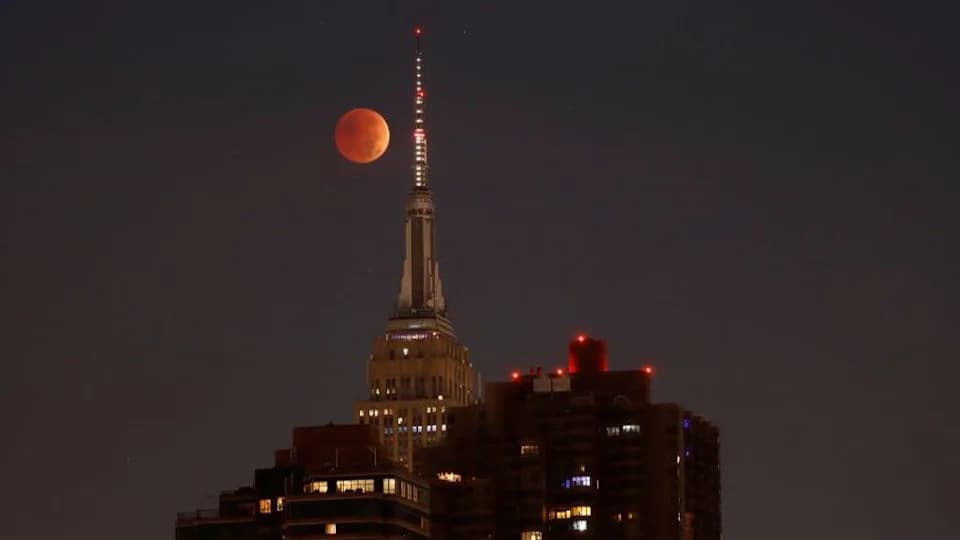
The Snow Moon peaks at 5:09 p.m. EST on Feb. 1 and will rise at dusk in Leo, sitting just below the bright Beehive Cluster (M44). Binoculars or a small telescope will reveal the cluster's 100+ stars at about 577 light-years. Parts of North America may see the near-full moon occult Regulus on Feb. 2. A rare annular solar eclipse occurs on Feb. 17 (visible from Antarctica), and the Worm Moon on March 3 will bring a 58-minute total lunar eclipse.
Snow Moon Rises Next to the Beehive Cluster — Watch for Regulus to Blink Out

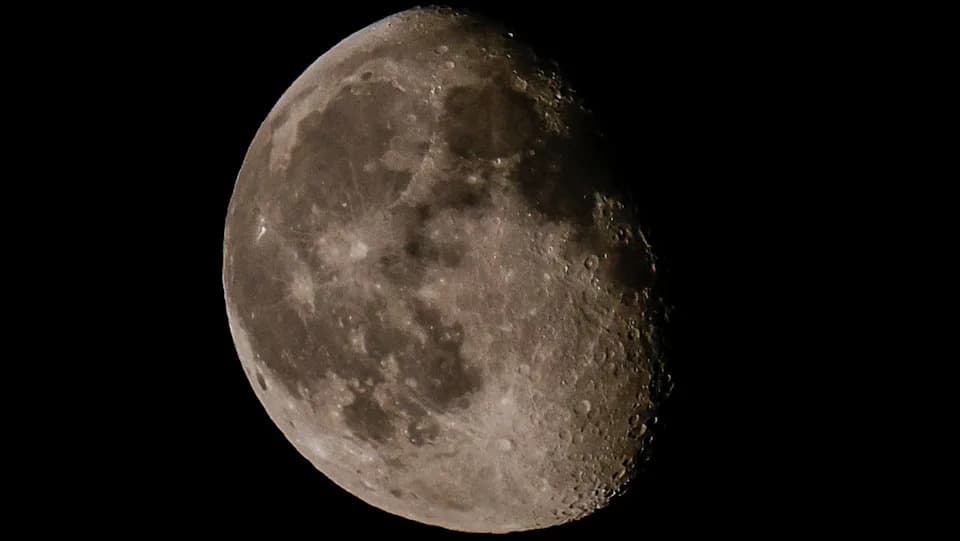
The full "Snow Moon" sets behind the U.S. Capitol on Feb. 25, 2024. . | Credit: Getty Images/J. David Ake / Contributor
The second full moon of 2026, commonly called February's Snow Moon, will reach peak fullness at 5:09 p.m. EST on Sunday, Feb. 1 and will rise at dusk near the eastern horizon. For skywatchers, the moon will appear in the constellation Leo, positioned just below the bright open star cluster known as the Beehive Cluster (M44 / NGC 2632).
Where and When To Look
To catch the moonrise, pick an elevated spot or any open area with an unobstructed view of the eastern horizon. The moon will look striking to the naked eye, but binoculars or a small backyard telescope will help resolve the Beehive Cluster's 100+ stars. The cluster lies roughly 577 light-years from Earth and is one of the nearest, brightest open clusters visible to observers.
How To Find the Beehive and Nearby Stars
The Beehive sits about halfway between the bright star Pollux in Gemini (appearing to the moon's upper right) and Regulus in Leo (to the moon's lower left). Regulus and other stars of Leo will become more distinct about an hour after the moon rises as the sky darkens.
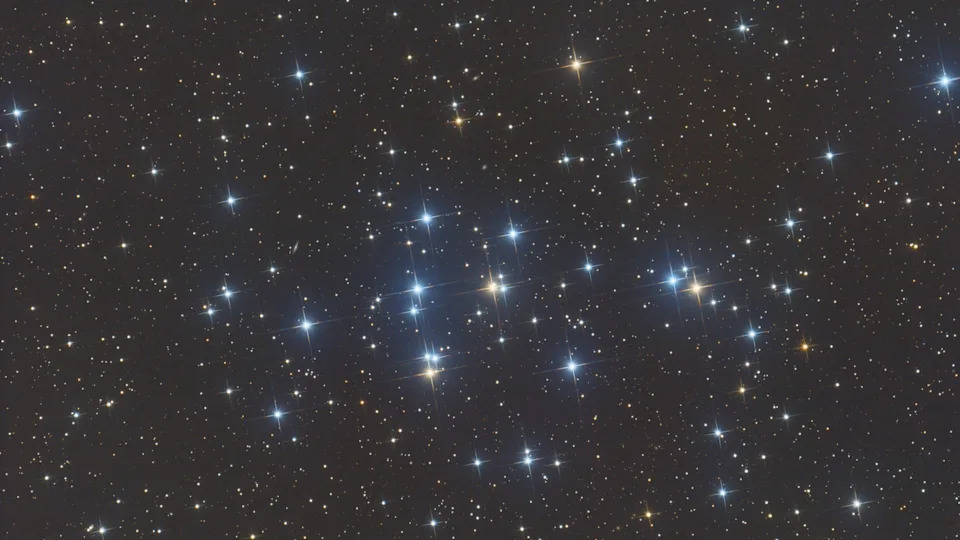
Several bright stars of the Beehive Cluster, a group of roughly 1,000 tight-knit stars | Credit: Fried Lauterbach/ CC BY-SA 4.0
Rare Occultation: Regulus May Disappear
Observers in parts of North America may witness a rare sight on Feb. 2: the near-full moon passing in front of Regulus, making the star appear to vanish for roughly an hour as it is occulted by the lunar limb. Occultations of bright stars by the moon are uncommon at particular locations and this one will not be repeated for many regions until the late 2030s.
Names and Cultural Notes
February's full moon has carried many traditional names. NASA lists names such as the Hungry Moon, Storm Moon and Candles Moon. The Old Farmer's Almanac also records indigenous names including Bald Eagle Moon or Eagle Moon (Cree), Bear Moon (Ojibwe), Black Bear Moon (Tlingit), Raccoon Moon (Dakota), Groundhog Moon (Algonquin) and Goose Moon (Haida).
Upcoming Lunar and Solar Events
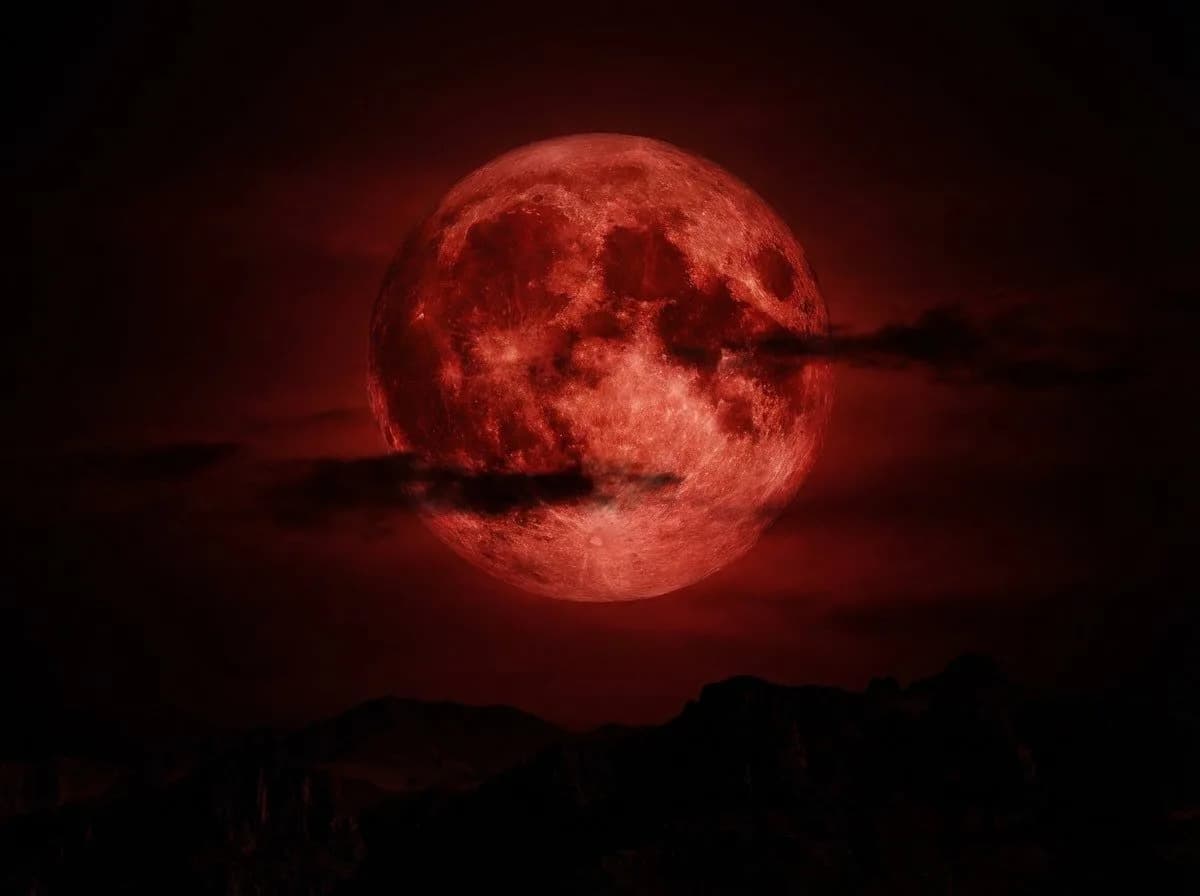
The lunar cycle continues quickly: a new moon on Tuesday, Feb. 17 will produce a rare annular solar eclipse — the “ring of fire” — visible only from Antarctica. The next full moon, the Worm Moon, arrives on March 3 and will coincide with a total lunar eclipse. That eclipse will produce a reddish (“blood moon”) hue across the lunar surface for about 58 minutes of totality and will be visible from parts of North America, the Pacific, Australia and East Asia.
Observation Tips & Safety
- Choose a clear horizon and arrive before sunset to set up and orient yourself.
- Binoculars or a small telescope will reveal dozens of Beehive stars, but the moon’s glare can wash out faint nearby stars—use averted vision or wait until the moon sits lower.
- Never look at the sun without proper solar filters—if you plan to observe the Feb. 17 annular eclipse from a safe viewing location, use approved eclipse glasses or solar filters for optics.
Help us improve.