SpaceX launched a Falcon 9 from Cape Canaveral carrying 29 Starlink satellites; the rocket’s booster completed its 25th flight and landed on the droneship Just Read the Instructions. NASA and SpaceX will bring Crew‑11 home early after a crew member experienced a medical issue aboard the ISS. The Crew Dragon Endeavour is scheduled to undock no earlier than 5 p.m. Wednesday and splash down in the Pacific roughly 11 hours later. NASA says Crew‑12 planning is under review and should not conflict with the potential Artemis II launch window in early February.
SpaceX Launches Starlink 6-97 From Cape Canaveral; Crew‑11 Cut Short After ISS Medical Issue
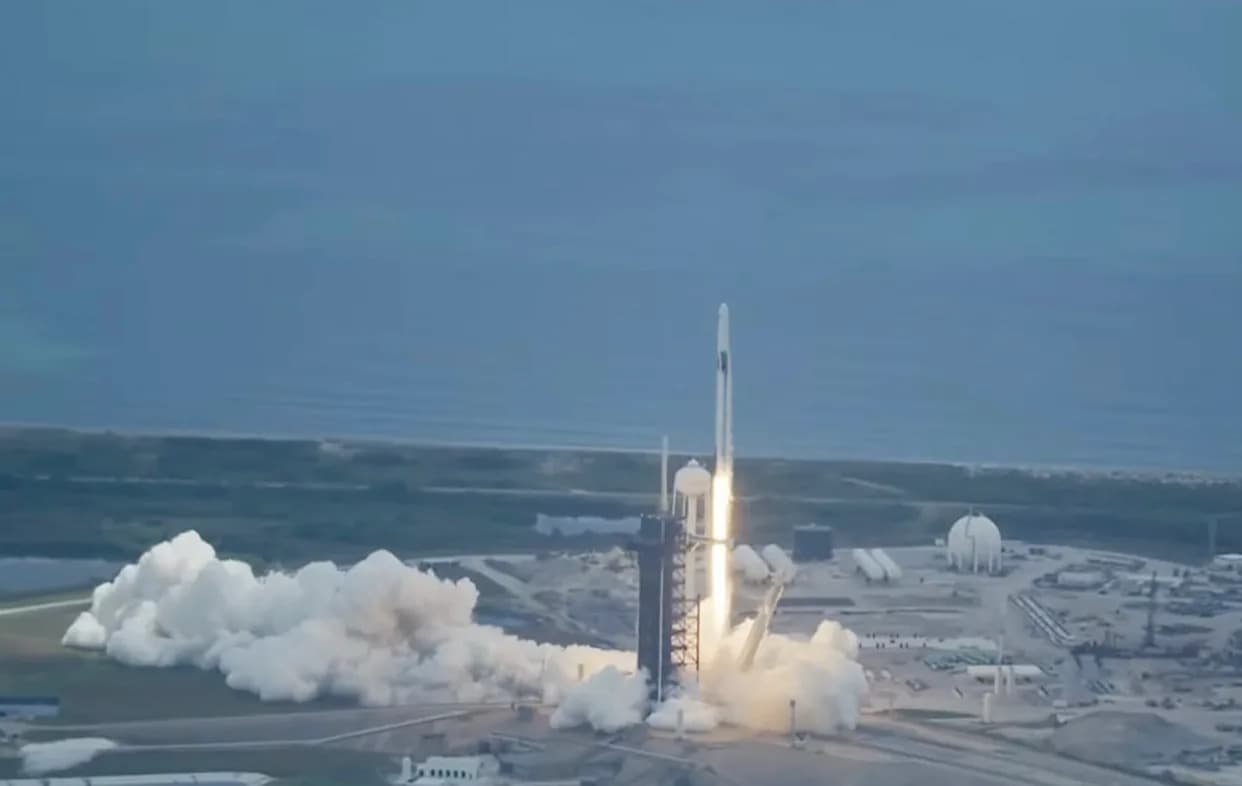
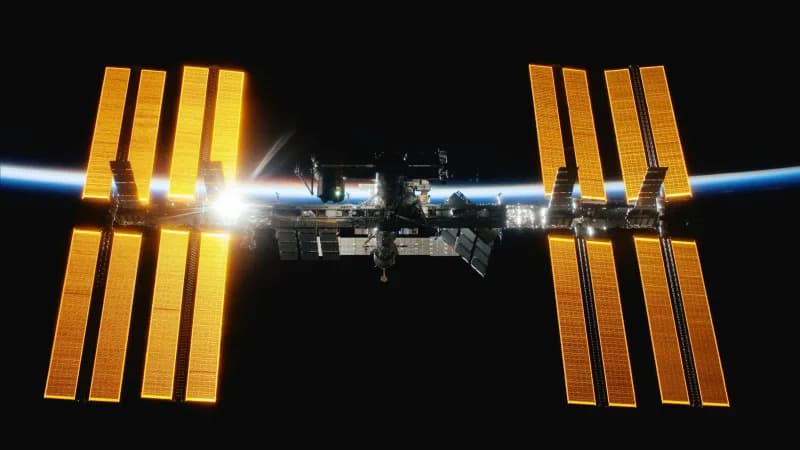
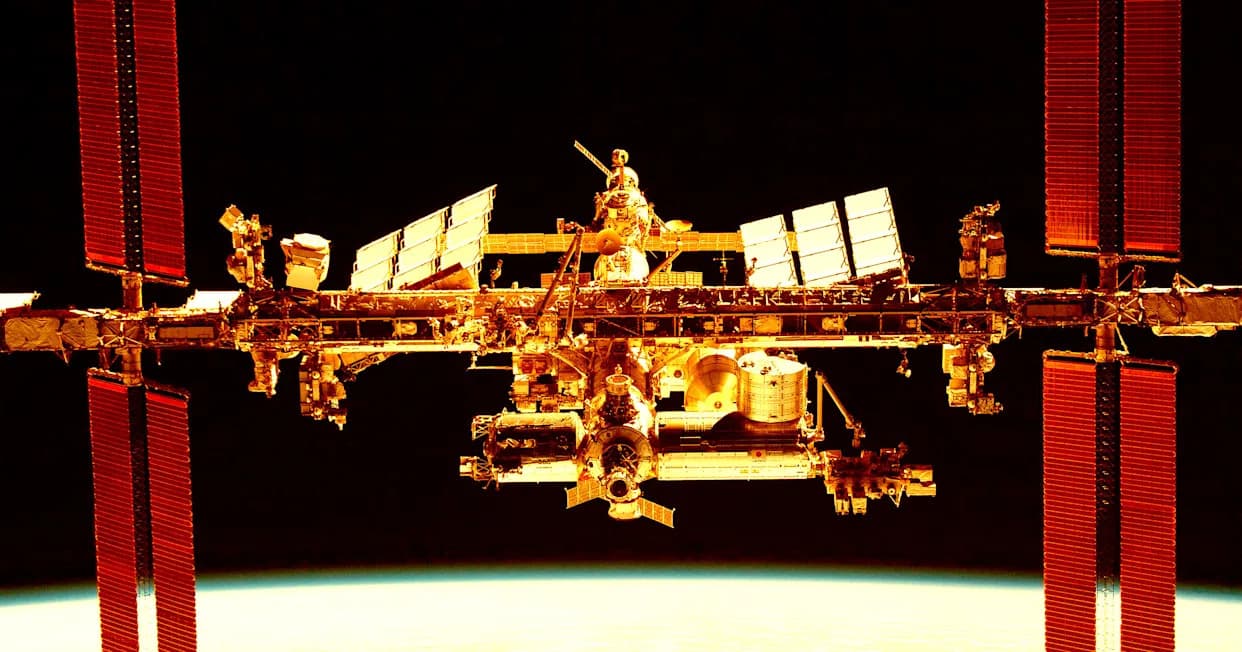
SpaceX launched its third mission of 2026 from Florida’s Space Coast on Monday afternoon while NASA and SpaceX prepared for the early return of Crew‑11 from the International Space Station (ISS) later this week.
A Falcon 9 liftoff from Cape Canaveral Space Force Station’s Space Launch Complex 40 occurred at 4:08 p.m. Eastern on the Starlink 6‑97 mission, carrying 29 Starlink satellites into orbit.
The booster on this flight was making its 25th mission and completed a successful recovery landing downrange on the droneship Just Read the Instructions stationed in the Atlantic.
Upcoming Flights From SLC‑40
This was the third SLC‑40 Starlink launch so far this year. SpaceX’s next two Florida flights are currently planned to follow the same pattern: a window Wednesday from 1:01–5:01 p.m. Eastern and a window Sunday from midnight–3:17 a.m., each scheduled to carry 29 additional Starlink satellites.
Crew‑11 To Return Early
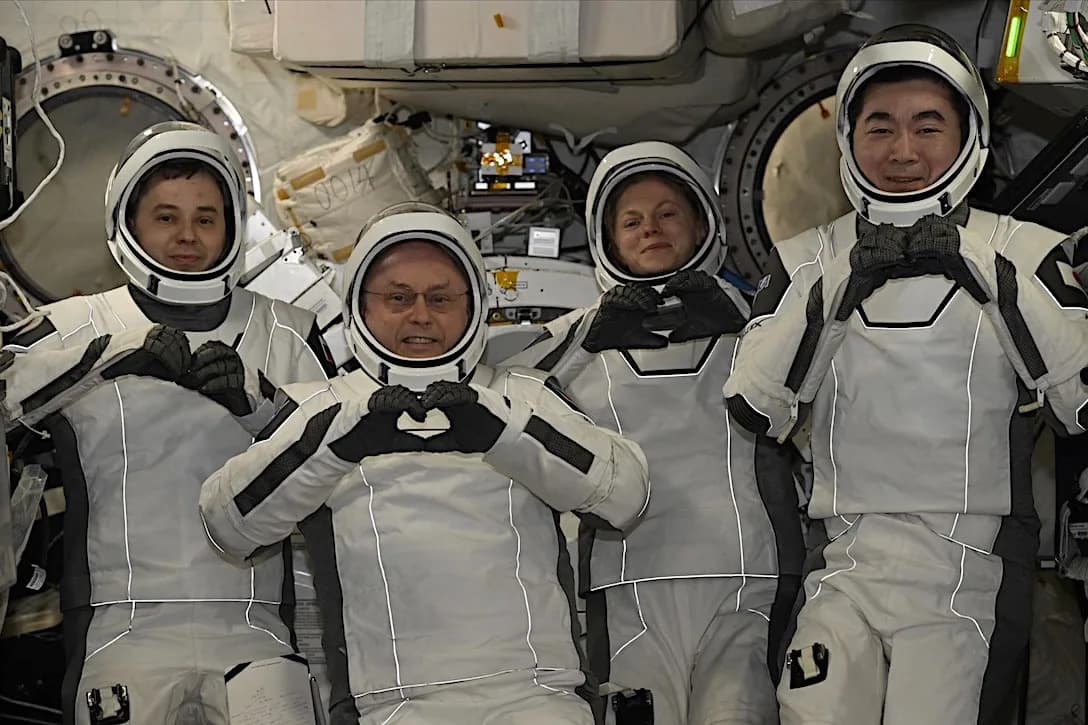
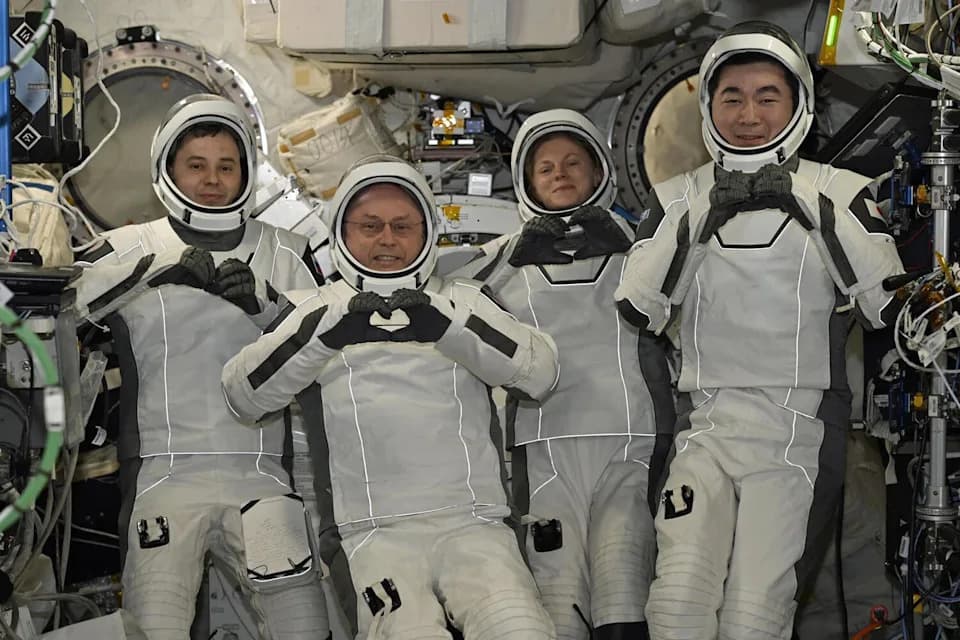
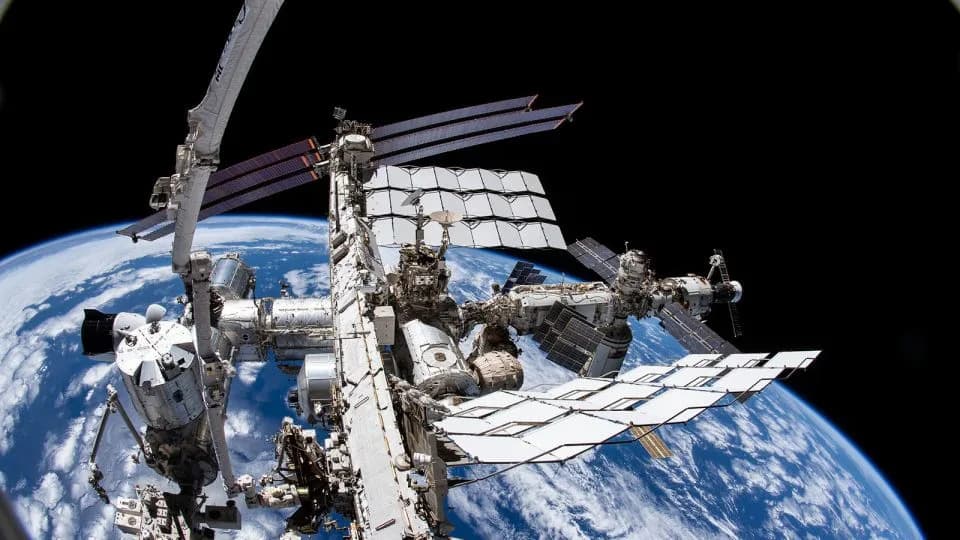
NASA and SpaceX announced that all four members of Crew‑11 will return to Earth earlier than planned after mission managers determined that one crew member who experienced a medical issue aboard the ISS would be better served by an earlier return.
The Crew Dragon Endeavour—which launched to the station from Kennedy Space Center on Aug. 1, 2025, with NASA astronauts Mike Fincke and Zena Cardman, JAXA astronaut Kimiya Yui and Roscosmos cosmonaut Oleg Platonov—will undock no earlier than 5 p.m. Wednesday. The spacecraft is expected to spend nearly 11 hours in transit and splash down in the Pacific Ocean around 3:40 a.m. Thursday.
NASA has not identified which crew member experienced the medical incident. The situation prompted the agency to postpone a planned spacewalk that would have involved Fincke and Cardman.
“It’s bittersweet,” said Mike Fincke, who handed command of Expedition 74 to Roscosmos cosmonaut Sergey Kud‑Sverchkov in a ceremony aboard the station Monday. “I wish it were longer, but we have what we have, and it was really — it was a lot of fun.”
Short‑Term Station Staffing And Scheduling
After Crew‑11 departs, the ISS will temporarily have three people aboard: two cosmonauts and NASA astronaut Chris Williams, who arrived on a Soyuz in November. Those crewmembers remain scheduled to complete their mission later in the year.
The ISS has been continuously occupied for more than 25 years. After the Space Shuttle era ended, the station often operated with three‑person crews from about 2011 through 2020. U.S. crewed launches resumed with SpaceX’s Demo‑2 test flight in May 2020; since then SpaceX has completed multiple crew rotation missions, restoring the typical ISS complement to seven when fully staffed.
SpaceX has previously returned Crew Dragon vehicles before their relief crews arrived, though the usual procedure features a handover period of several days during which both outgoing and incoming crews overlap.
Crew‑12 And Artemis II Timing
Crew‑11 had initially been targeting a late‑February return after the planned arrival of Crew‑12 (which had been targeting a launch no earlier than Feb. 15). NASA and SpaceX are evaluating whether the Crew‑12 schedule can be accelerated.
A NASA official said preparations for Crew‑12 are being reviewed and that those operations should not conflict with the potential Artemis II campaign. Artemis II could launch as early as Feb. 6 from Kennedy Space Center’s Launch Pad 39‑B if pad tests and prelaunch checks go well.
NASA plans to roll the Space Launch System rocket and the Orion spacecraft to the pad as early as Saturday for additional tests ahead of what would be the first crewed Artemis mission. If those tests are successful, Artemis II could be ready for an early February launch; NASA has also identified additional launch opportunities in early March and April.
Help us improve.