Scientists used environmental DNA (eDNA) to detect Amazonian manatees along the Amazon River and its tributaries, finding manatee DNA at eight sites. Detections were more than three times higher in the western Amazon (Tefé and Mamirauá), areas with lower human activity. The study highlights eDNA's value for improving wildlife surveys but notes factors such as water temperature, acidity and river flow can affect results. Amazonian manatees remain understudied, vulnerable and declining.
eDNA Maps Elusive Amazonian Manatees — Detections Highest Where Humans Are Few
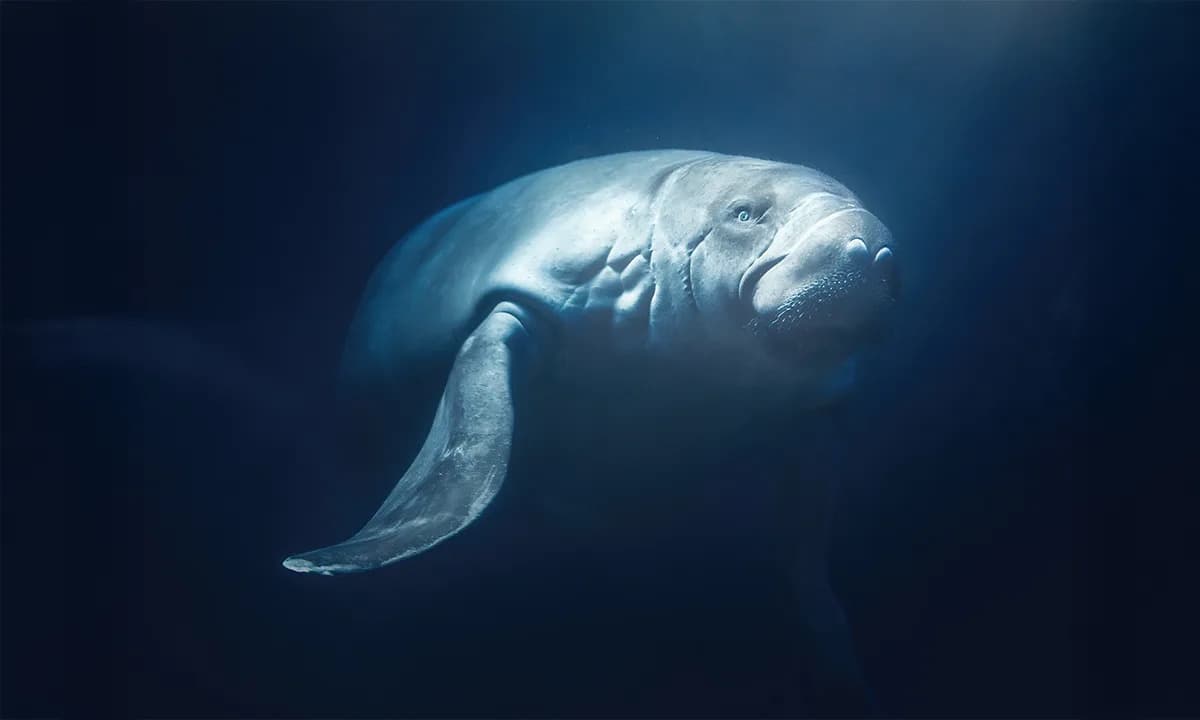
Lead image: Diego Grandi / Shutterstock(Amazonian Manatee. Credit: Diego Grandi / Shutterstock.)
Researchers are using environmental DNA to reveal where the elusive Amazonian manatee (Trichechus inunguis) persists in a changing basin. As manatee populations in South Florida face well-documented threats from boat strikes and fishing-gear entanglements, scientists are turning to innovative tools to learn how related species fare where human pressures are rising.
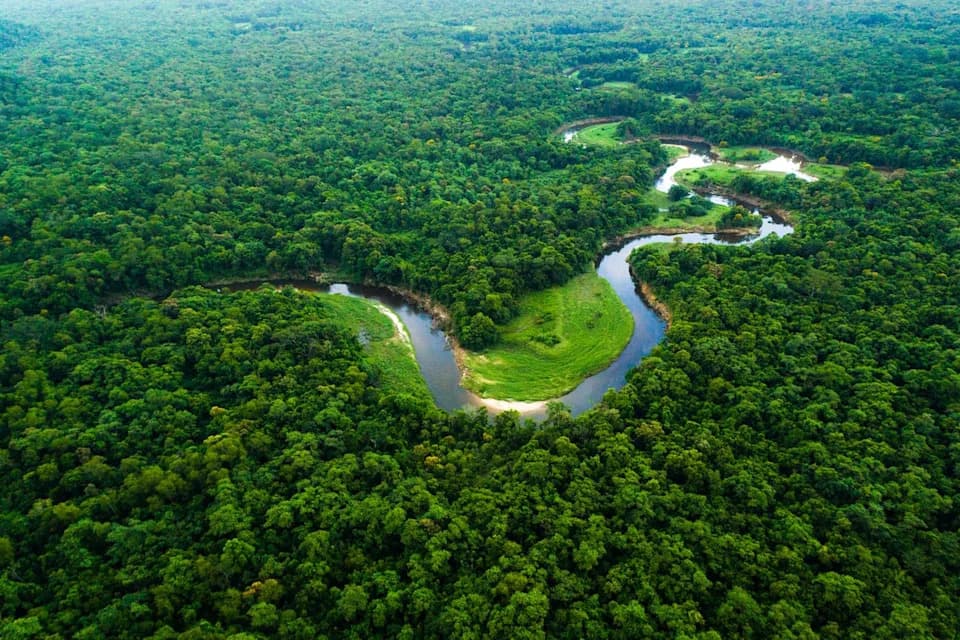
In the first study to detect Amazonian manatees via environmental DNA (eDNA), a team of scientists from universities in Texas and Brazil sampled river water along the Amazon River and several tributaries to map the species' distribution. Because these manatees are usually seen only when they surface to breathe, traditional visual surveys are difficult. DNA fragments shed by animals can persist in flowing water for up to 43 hours, so recovery of species-specific eDNA provides strong evidence that animals were recently present in a sampled area.
Sampling Across a Human-Disturbance Gradient
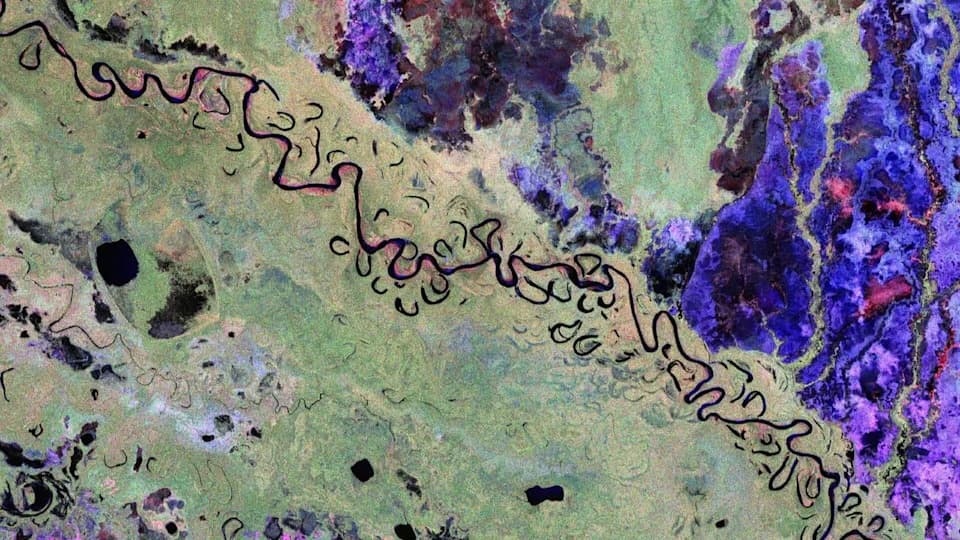
Field teams collected water samples along a gradient ranging from heavily urbanized zones to protected ecological reserves. Manatee eDNA was detected at eight sampling sites: six in less-disturbed areas and two closer to human settlements. The authors report that detections were more than three times higher in the western Amazon — specifically around Tefé and the Mamirauá Sustainable Development Reserve — where human activity is relatively low.
The sites with the most positive detections included both rural locations and formally protected areas. The study cautions that absence of eDNA at busier river corridors does not prove manatees are absent there; lower local densities reduce eDNA recovery, and environmental conditions also influence detectability.
Limitations And Conservation Potential
Study authors highlighted several confounding factors that can affect eDNA persistence and detection, including water temperature, acidity (pH) and river flow dynamics. Despite these caveats, they conclude that “eDNA appears to have good potential to improve accuracy of animal surveys that are a foundation of biodiversity conservation.”
Why this matters: Compared with their better-studied Florida relatives, Amazonian manatees remain poorly known. They are currently listed as vulnerable with declining populations, and improved survey tools could inform more effective conservation measures.
The results demonstrate eDNA's promise as a noninvasive, scalable tool to track cryptic aquatic mammals across large river systems, while also underscoring the need to interpret results in light of environmental and sampling limitations. The study was published in PLOS One.
Help us improve.