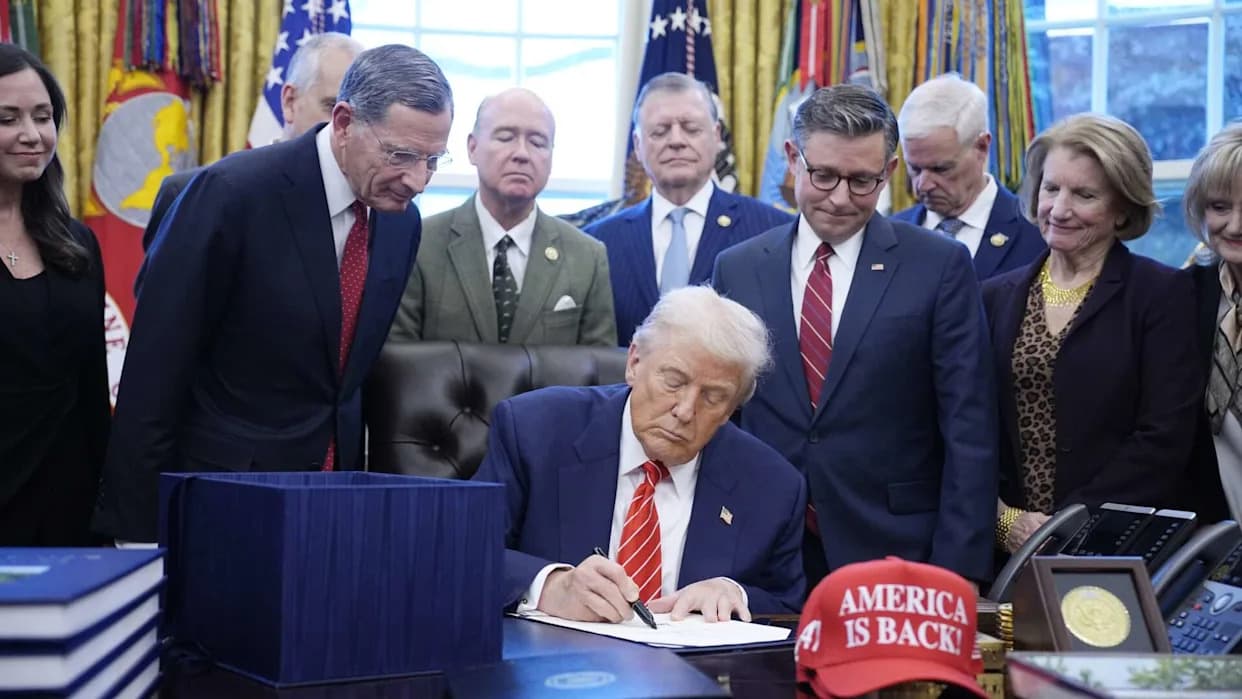
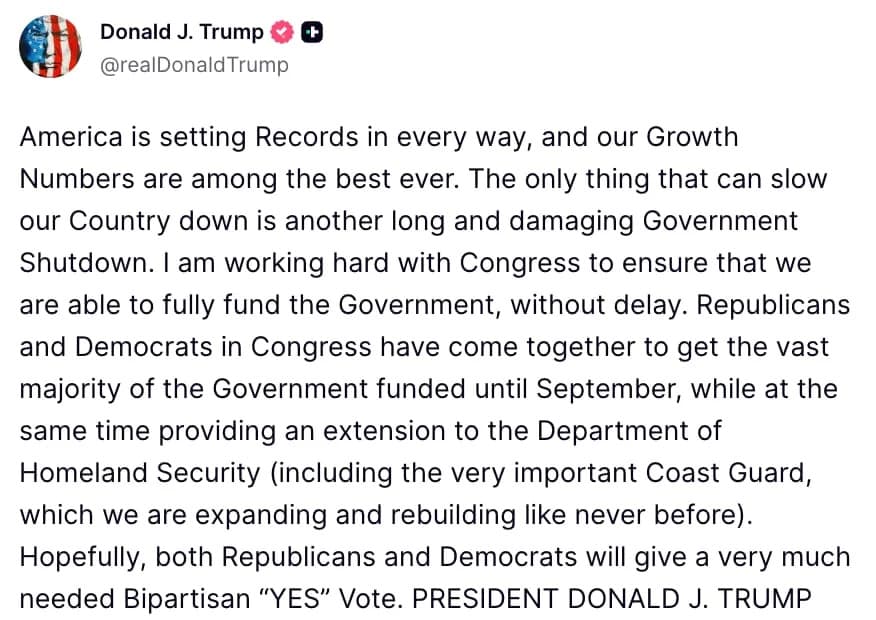
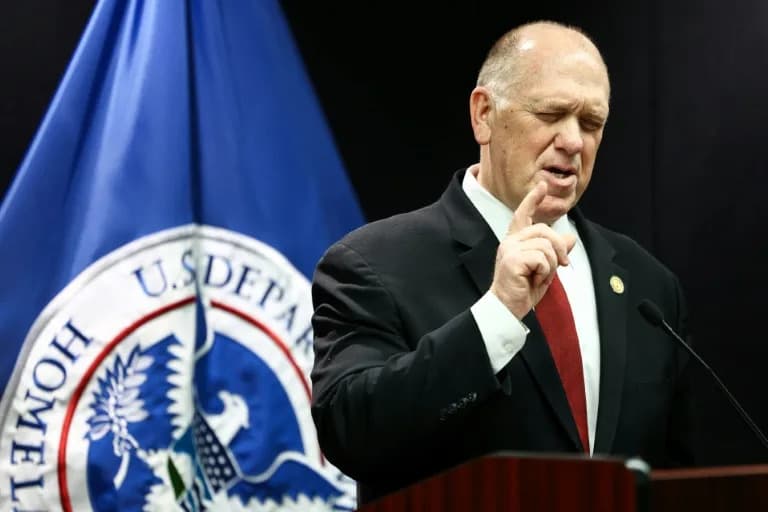
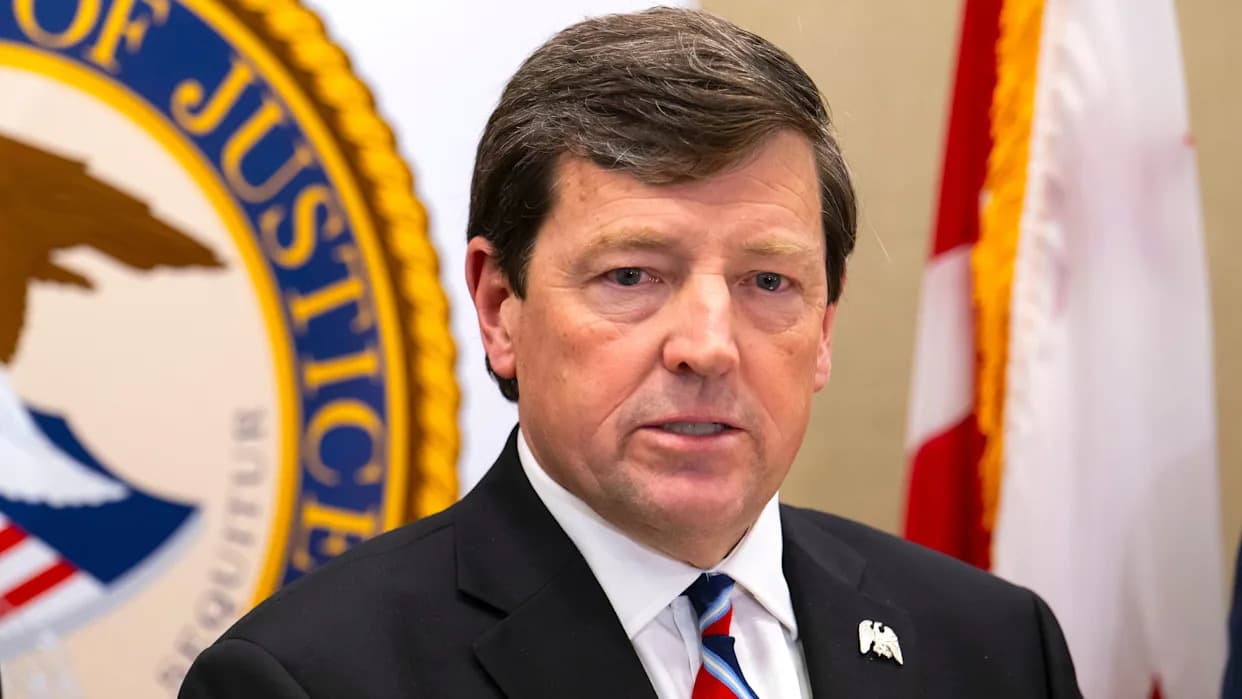
The short, partial government shutdown has been averted for most federal agencies after President Donald Trump signed a spending bill, but lawmakers intentionally removed funding for the Department of Homeland Security (DHS). As a result, DHS funding is scheduled to lapse at the end of next week, creating a narrow window for Congress to negotiate changes to Immigration and Customs Enforcement (ICE) and Border Patrol practices.
What’s at stake
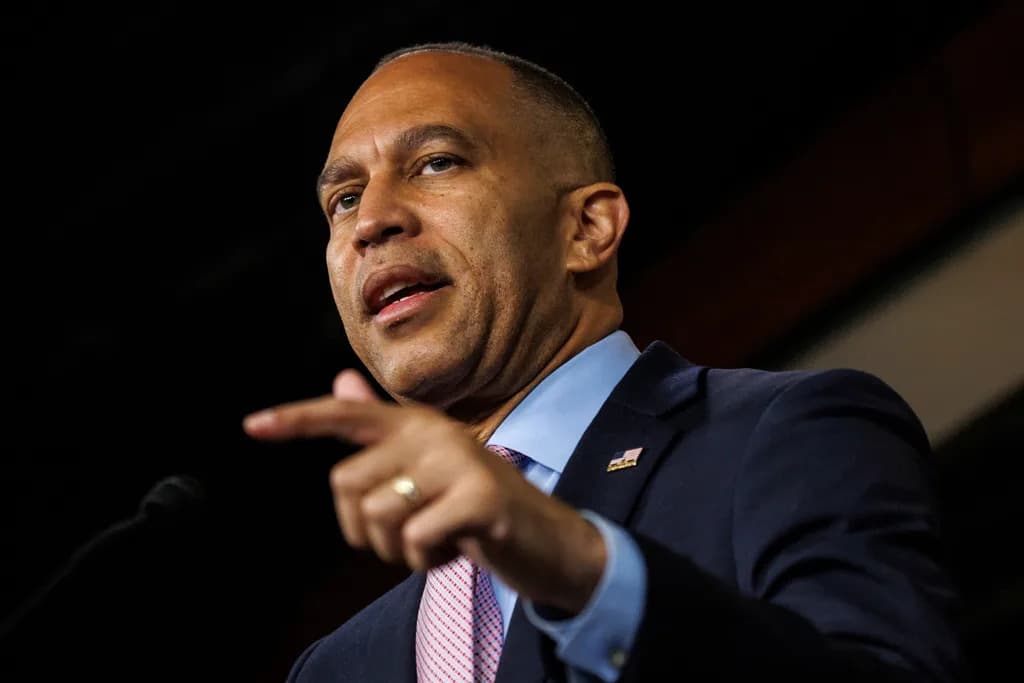
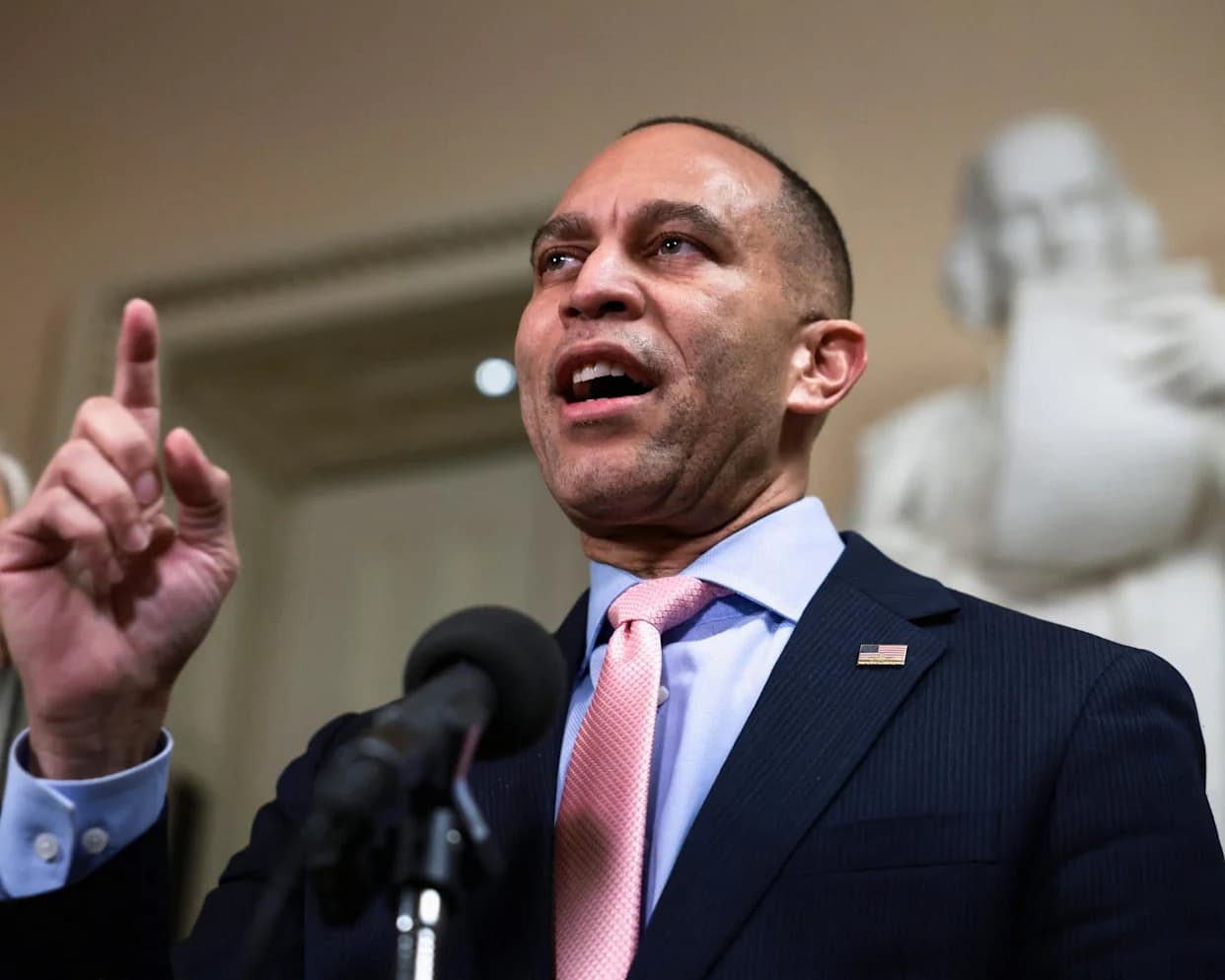
Lawmakers are debating reforms in response to public concern over aggressive immigration enforcement tactics, including proposals to bar masked operations, require better training, and mandate judicial warrants for certain arrests and searches. House Minority Leader Hakeem Jeffries (D–N.Y.) has called for immigration enforcement to be "dramatically reformed," urging ICE to "conduct themselves like every other law enforcement agency in the country."
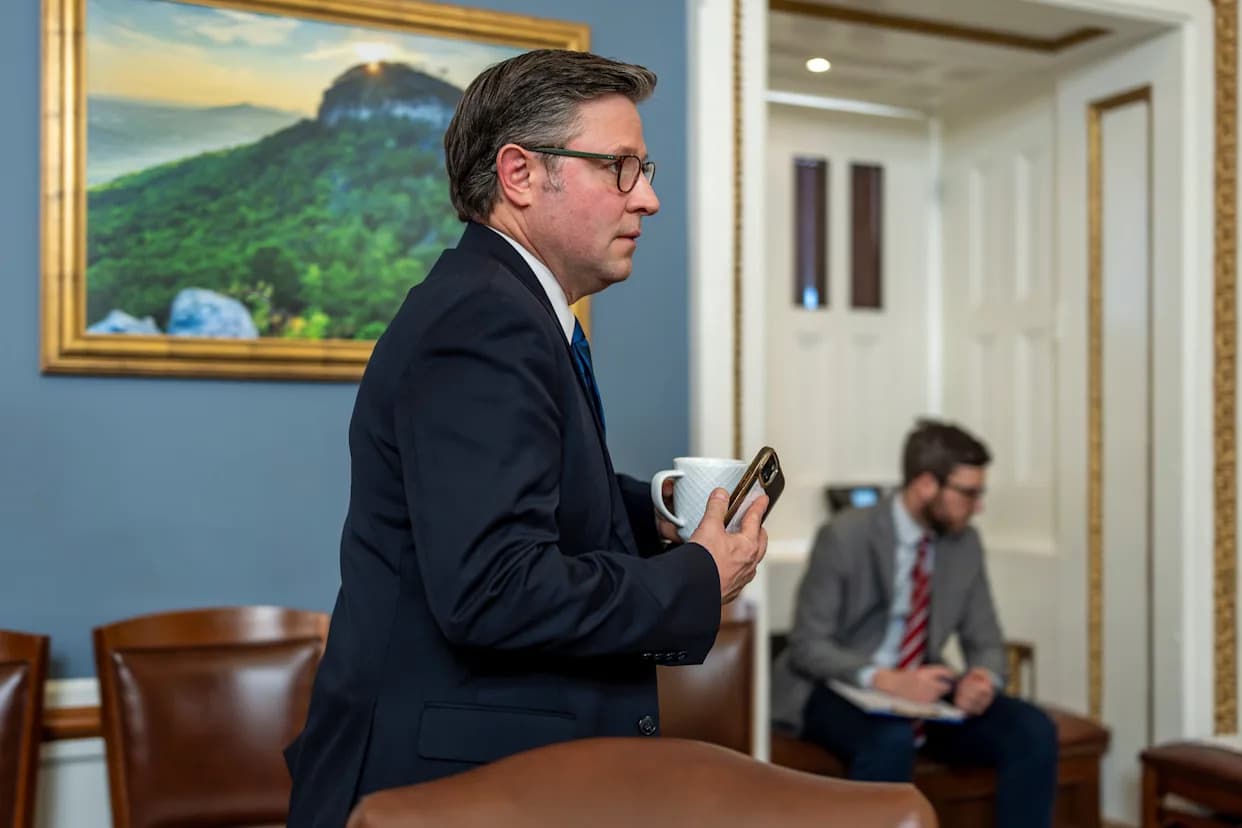
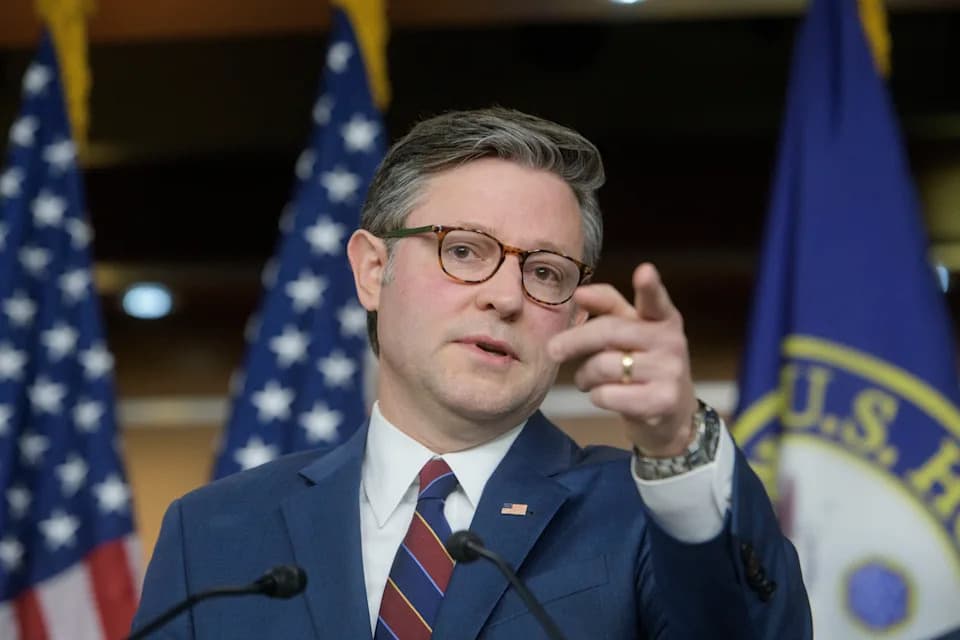
Some Republican lawmakers have signaled openness to limited changes — such as restricting the use of masks — but Speaker Mike Johnson (R–La.) publicly opposed forcing agents to unmask or requiring judicial warrants for immigration arrests. With major disagreements across the aisle and only about 10 days before DHS funding lapses, several lawmakers, including Sen. John Kennedy (R–La.), say the department could remain unfunded for an extended period.
Political and Public Context
Supporters of stronger oversight argue that a temporary lapse in DHS funding could be used to secure meaningful policy changes rather than rush a weak compromise. Polling and recent court decisions — including a temporary block on the administration's effort to revoke Temporary Protected Status (TPS) for Haitians — suggest public sentiment may be shifting against some of the administration’s tougher immigration tactics.
Related Policy and Political Developments
A new Cato Institute study by David Bier finds that immigration has been fiscally beneficial to the United States each year since at least 1994; Bier estimates immigrants reduced U.S. budget deficits by more than $14 trillion over the past 30 years, largely because immigrants contribute more in taxes than they consume in public services.
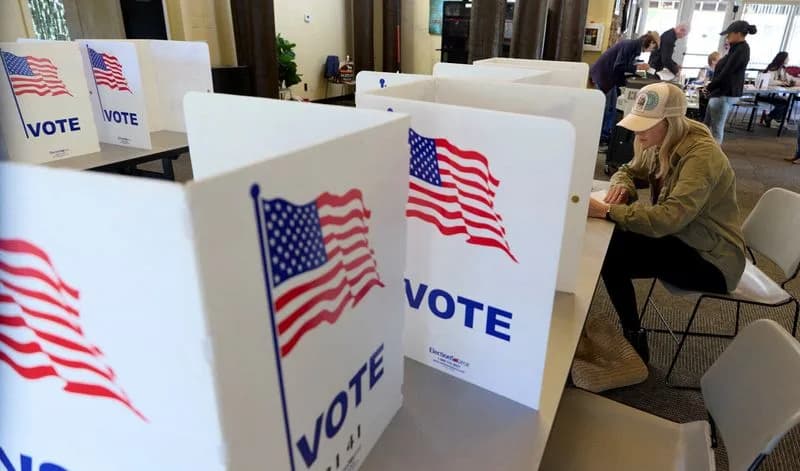
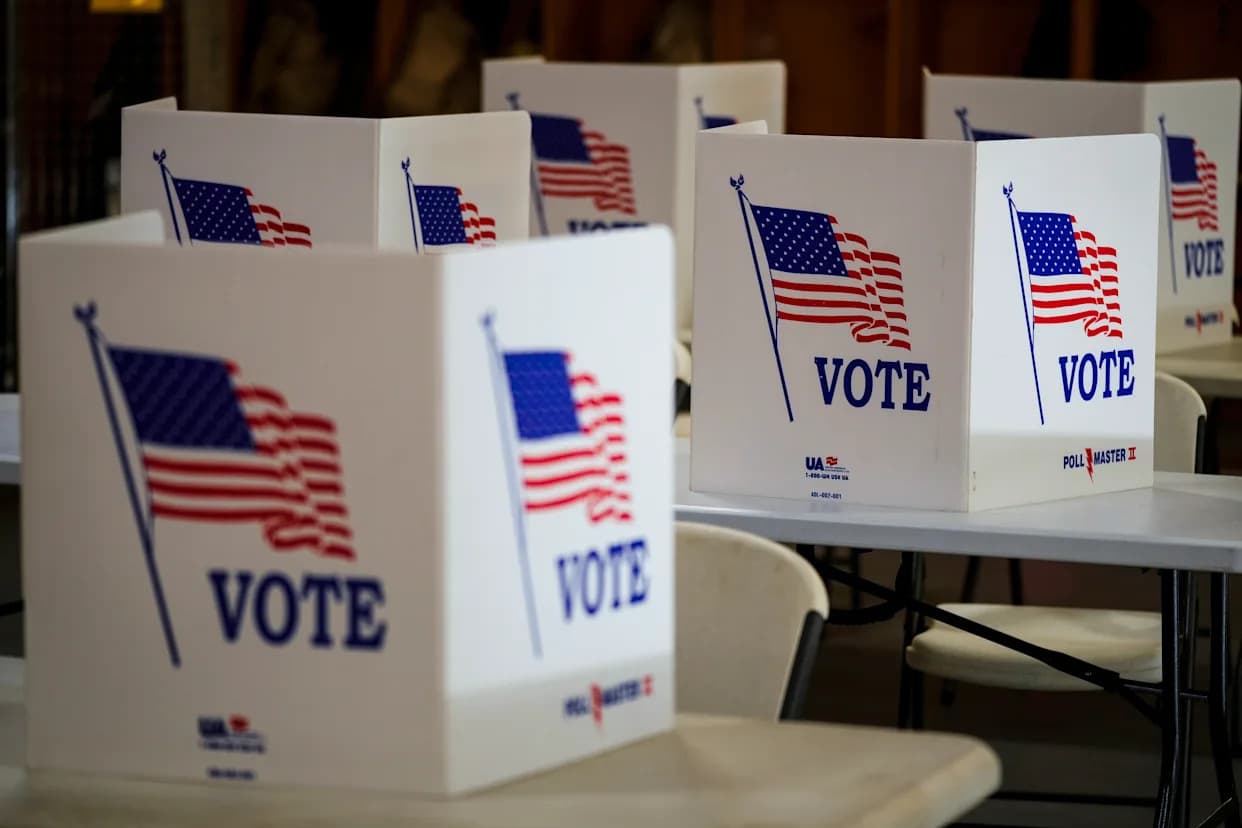
On another front, President Trump has floated the idea of "nationalizing" elections, a proposal Speaker Johnson has echoed. Legal experts and critics note that the Constitution vests significant authority over elections in the states, and opponents from both parties have voiced concerns about federal overreach and political motivations behind the push.
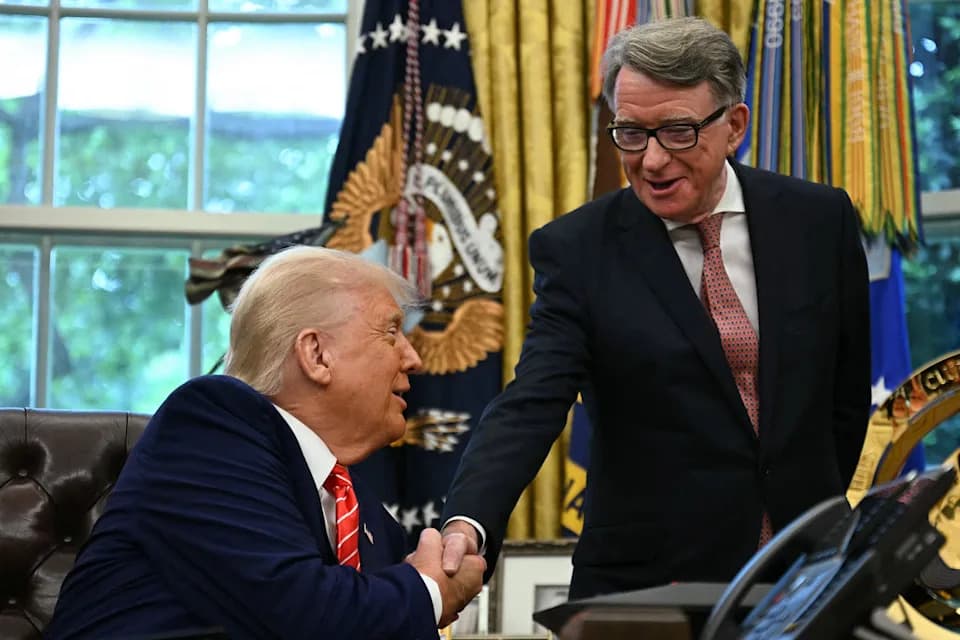
Other news items this week include the resignation of Stephen Miran from his economic advisory role to the administration after serving in positions at both the White House and the Federal Reserve, reports that large companies are finding ways to mitigate new tariffs while smaller firms struggle, and a 15-foot gold statue of President Trump, financed by cryptocurrency backers, expected to be installed at one of his Florida golf properties.
In policy news, a bipartisan permitting reform bill aims to reduce delays and political interference in approvals for new energy projects. And on a lighter cultural note, The Muppet Show has returned to television.
Bottom line: With DHS funding deliberately excluded from the recent omnibus, Congress has a brief but consequential deadline to negotiate enforcement reforms — or allow DHS funding to lapse while the debate continues.