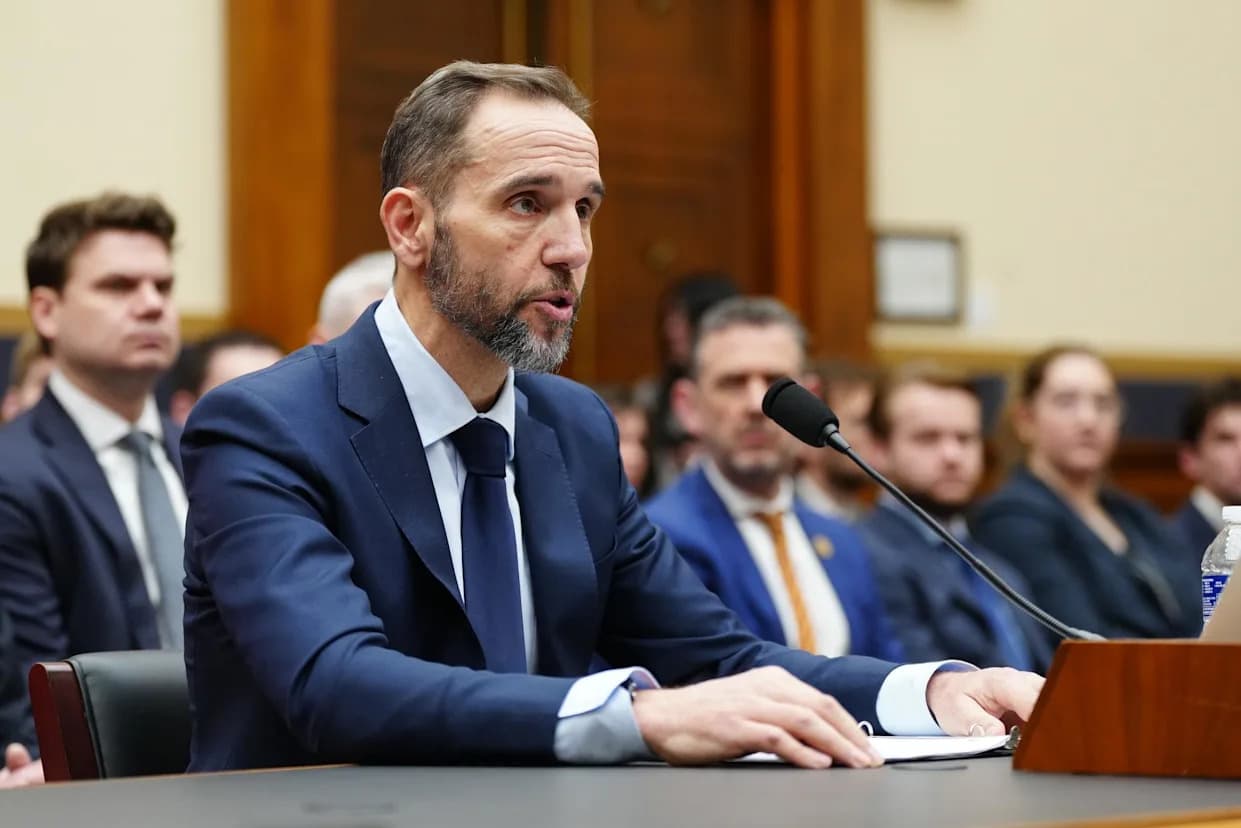
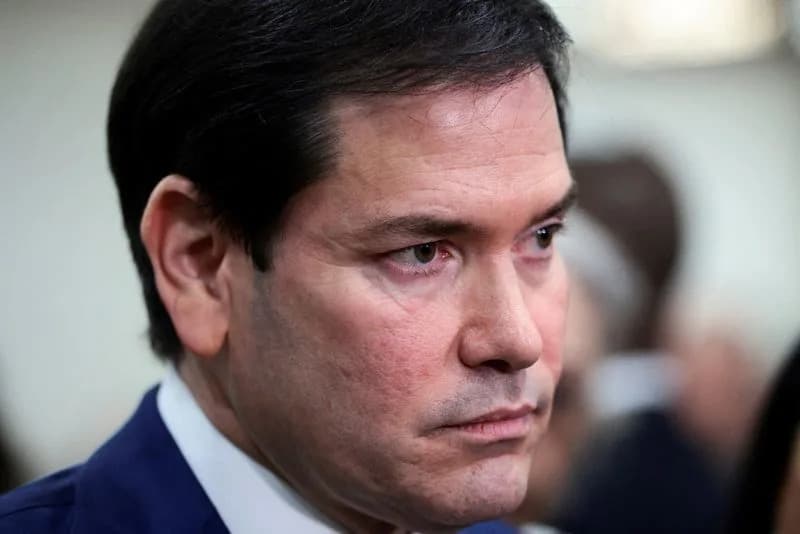
The House of Representatives narrowly approved a Department of Homeland Security (DHS) funding bill on Thursday, passing the measure 220-207. The package funds DHS and its component agencies, including Immigration and Customs Enforcement (ICE), through the end of September.
Under the legislation, ICE is allocated $10 billion for the fiscal year. The agency also retains access to tens of billions of dollars from prior legislation; last year’s so-called "One Big Beautiful Bill" provided roughly $85 billion in related funding, a figure that drew attention for its scale.
Vote Dynamics and Leadership
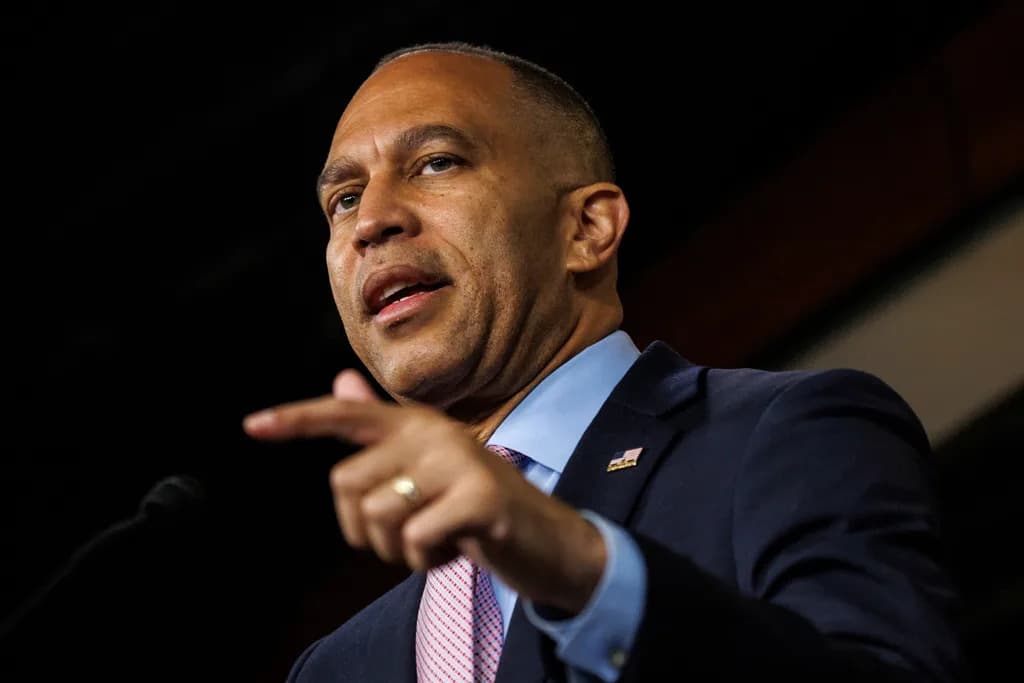
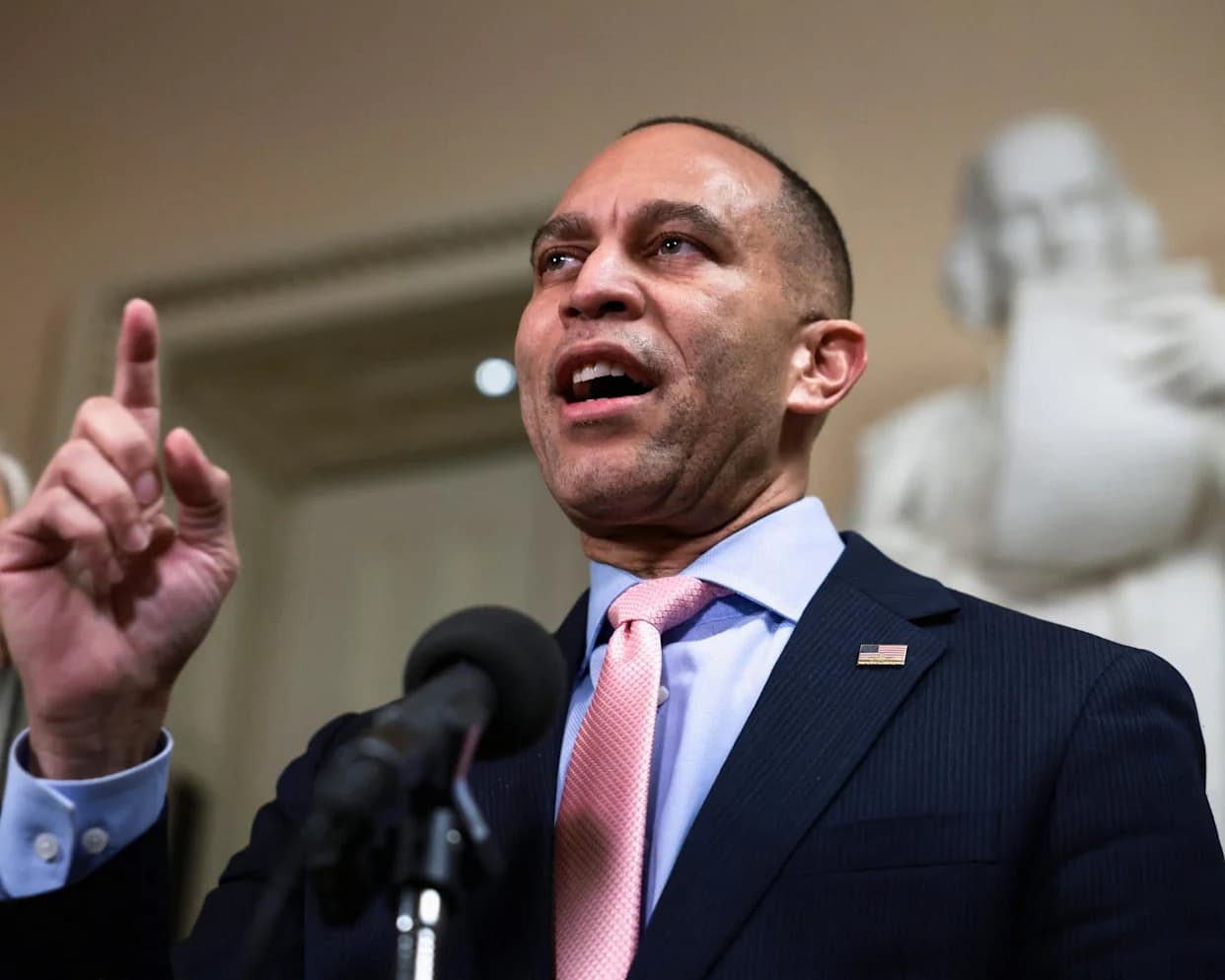
Seven House Democrats joined Republicans to support the bill. House Minority Leader Hakeem Jeffries (D‑NY) opposed the measure but, according to reporting from The American Prospect citing two congressional sources, did not mount a formal whipping campaign to force Democratic opposition. The Prospect reported that Democratic leadership was "recommending" no votes while stopping short of actively enforcing that position.
“They’re terrified of being labeled anti–law enforcement,” a Capitol Hill source told The American Prospect. “They want this to go away so they can talk about the cost of living more. Problem is, it’s not going away.”
Rep. Thomas Massie (R‑KY) cast the only Republican no vote; four Republicans were recorded as not voting.
House Democrats Who Voted For The Bill
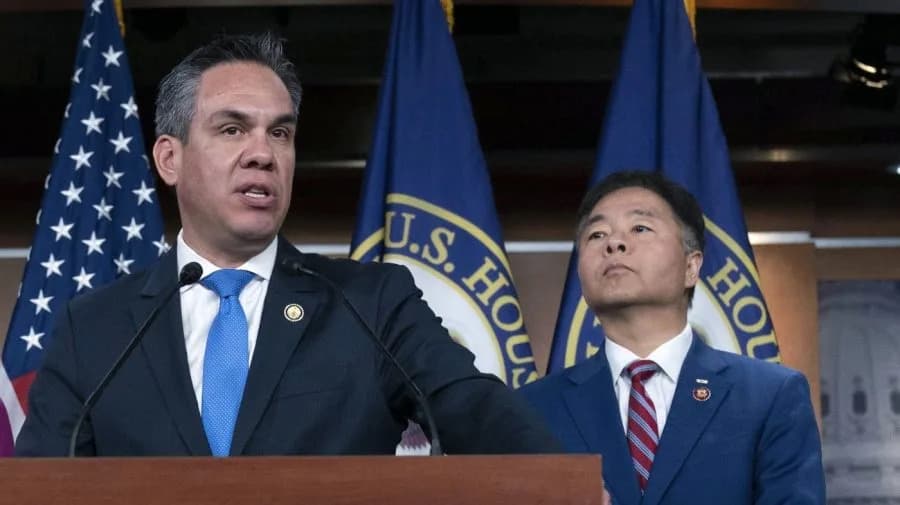
The seven Democrats who broke with most of their party to support the funding were Reps. Henry Cuellar (TX), Don Davis (NC), Laura Gillen (NY), Marie Gluesenkamp Perez (WA), Jared Golden (ME), Vicente Gonzalez (TX), and Tom Suozzi (NY).
Background And Controversy
Many Democrats and advocacy groups have criticized ICE for what they describe as heavy‑handed enforcement tactics. The issue intensified this month after an incident in Minneapolis in which ICE agent Jonathan Ross shot and killed Renee Good. Critics have also raised concerns about statements by ICE and Border Patrol officials claiming broad authorities — including, they say, the ability to enter homes without a judicial warrant — though those claims have drawn legal and political scrutiny.
The short-term nature of the measure means Congress will need to address DHS funding again before the end of September, and the bill's narrow margin and bipartisan defections underscore the political sensitivities around immigration enforcement and law-enforcement funding heading into that timeline.