The Senate advanced a funding package that finances several agencies but only provided a short-term extension for DHS, making a Feb. 1 partial government shutdown likely if the House does not act. Key risks include delayed military pay, missed paychecks for TSA employees, and interruptions to FEMA and HHS-linked programs such as Medicaid and Medicare. Democrats are withholding full DHS funding pending ICE reforms after recent deadly encounters; lawmakers warn the impasse could harm essential services, especially in remote communities.
Shutdown Risk Intensifies: Military Pay, TSA and FEMA Could Be Hit as ICE Dispute Holds DHS Funding
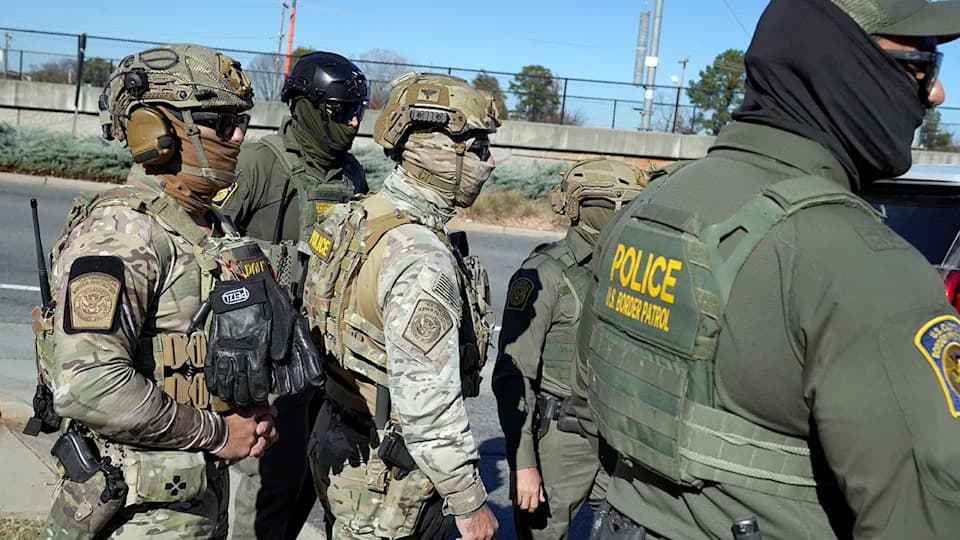
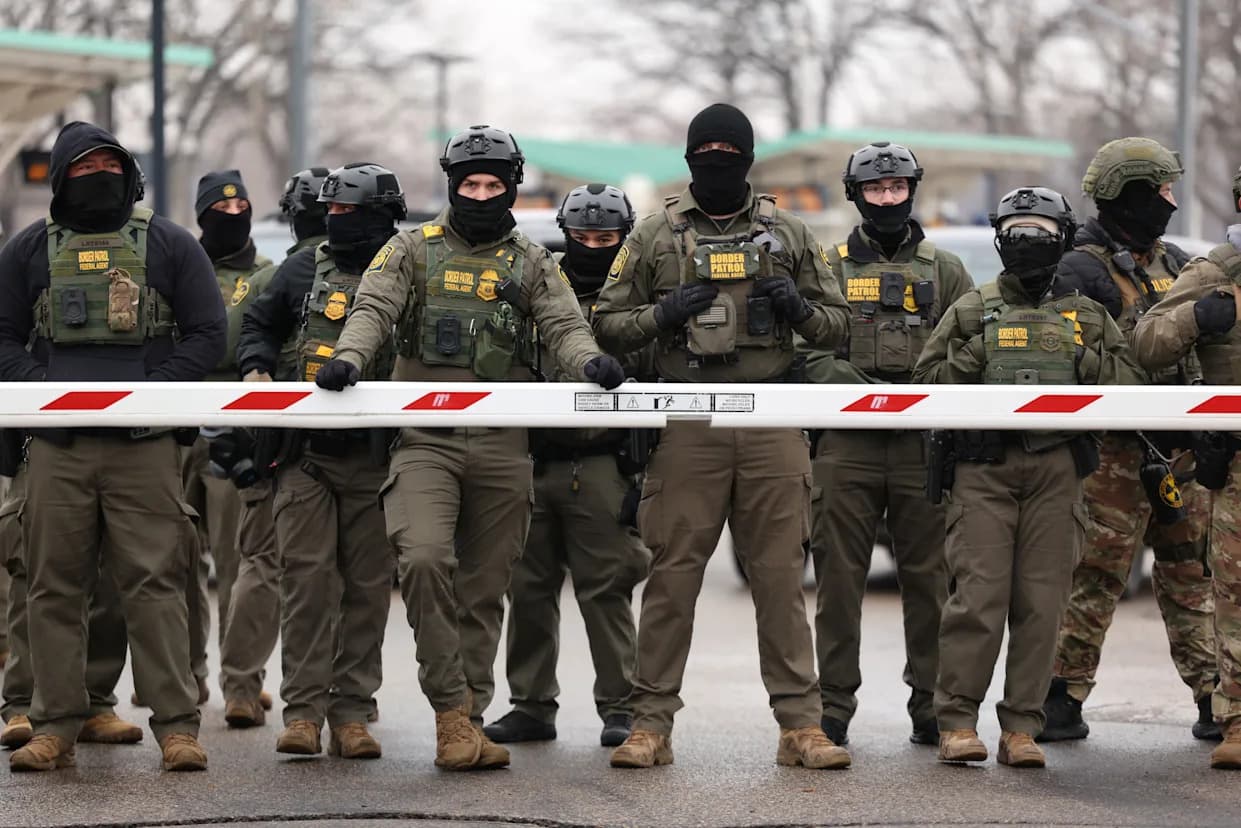
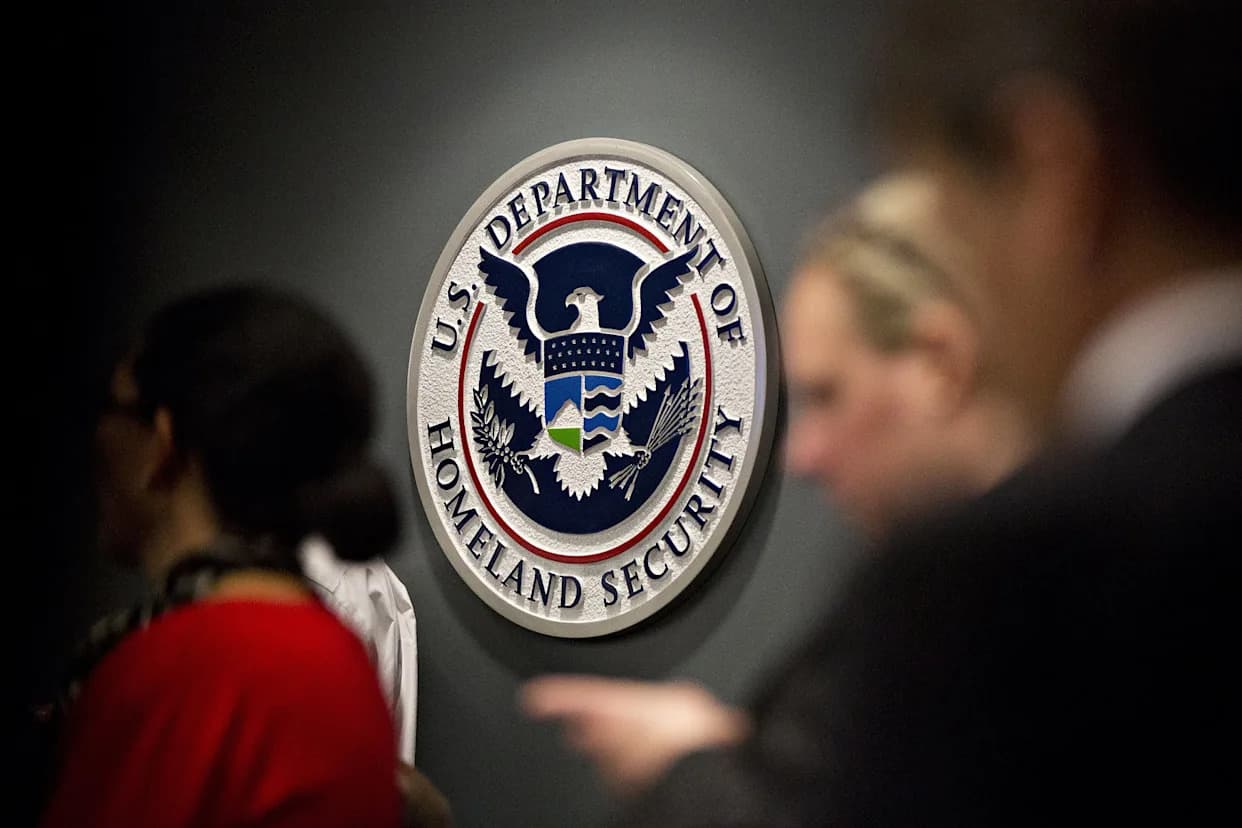
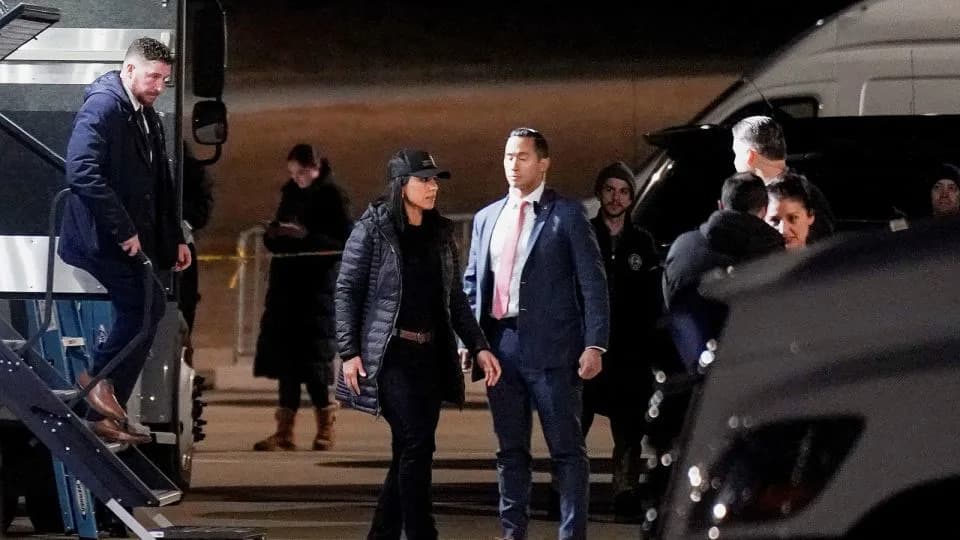
DHS Agents in Charlotte, N.C., on a mission.(Getty Images)
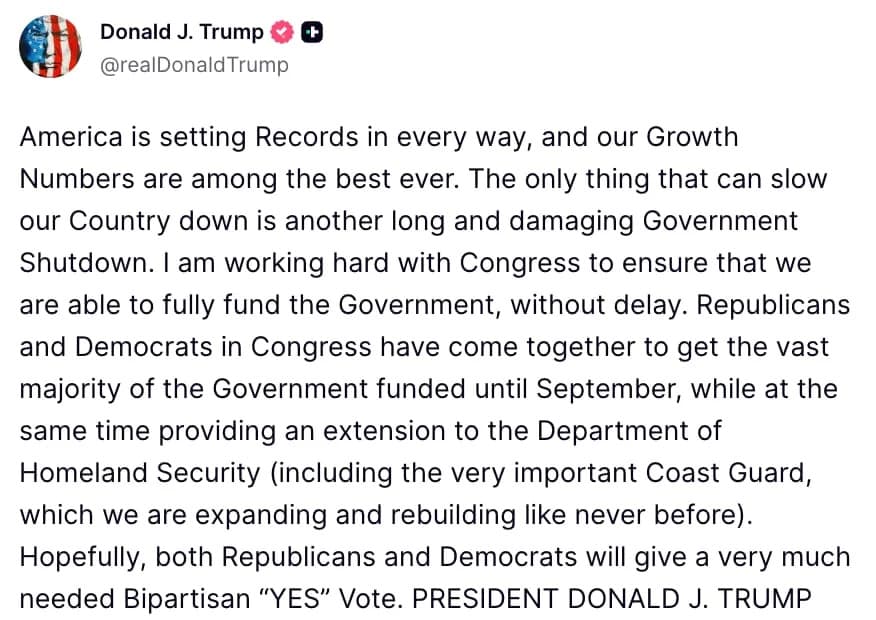
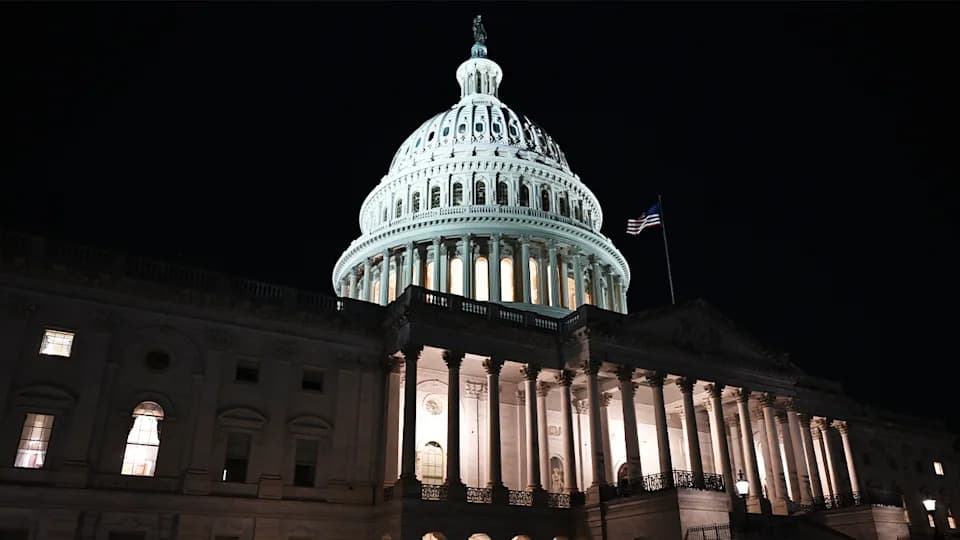
The Senate on Friday advanced a fiscal package that funds Defense, Education, Transportation, Housing and Urban Development, and Health and Human Services, but it approved only a short-term continuing resolution for the Department of Homeland Security (DHS). Because the House must reapprove the measure and is not scheduled to return until Monday, at least one day of a partial government shutdown — possibly beginning Feb. 1 — appears likely unless lawmakers act quickly.
What's At Risk
A lapse in the Defense appropriation could delay pay for military service members. The short-term DHS extension leaves Transportation Security Administration (TSA) employees, FEMA operations and other DHS-funded functions vulnerable to missed paychecks and staffing shortages that could disrupt air travel and disaster response.
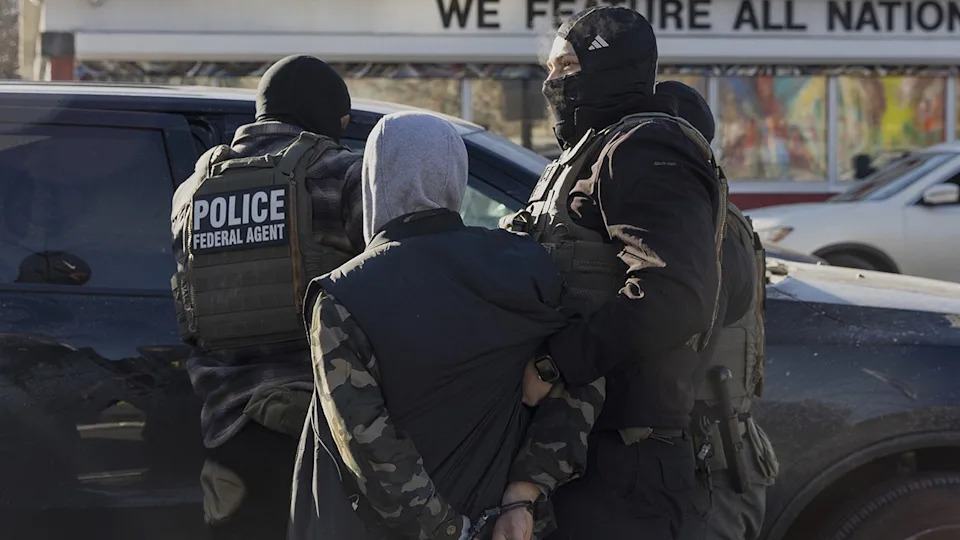
Federal agents arrest a person along Lake Street on Jan. 14, 2026, in Minneapolis.
Scope Compared With October
Lawmakers say the fallout would likely be narrower than the 43-day shutdown in October, but key services could still be affected: Medicaid- and Medicare-related programs administered through HHS, certain federal contractors, and airport operations that many communities rely on for food, medical transport and cargo.
Why DHS Is A Flashpoint
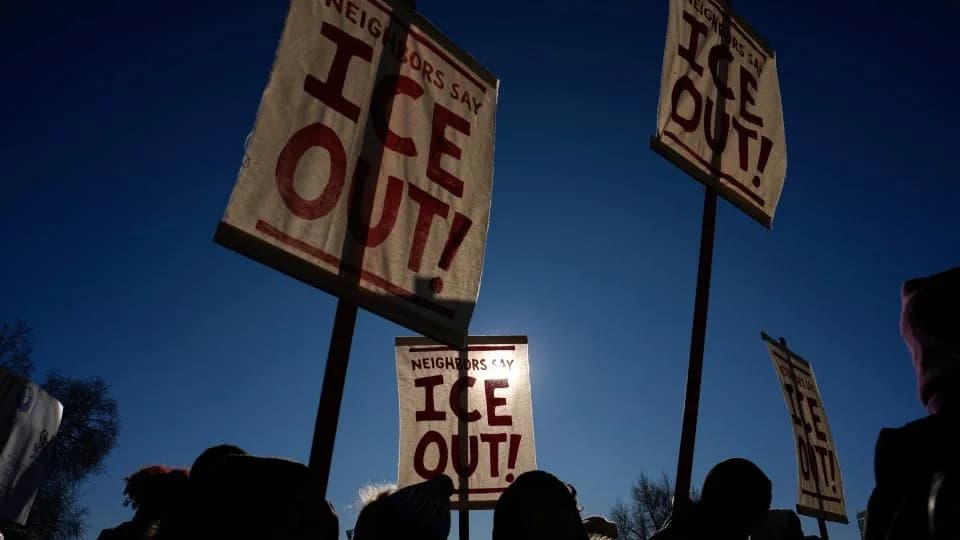
Democrats have conditioned full-year DHS funding on reforms to Immigration and Customs Enforcement (ICE) after recent deadly encounters between immigration authorities and civilians, including the fatal shooting of Alex Prettie. Requested changes include tightened warrant procedures, limits on roving patrols, required cooperation with state and local law enforcement, a uniform code of conduct, a no-mask policy and body-camera requirements for agents.
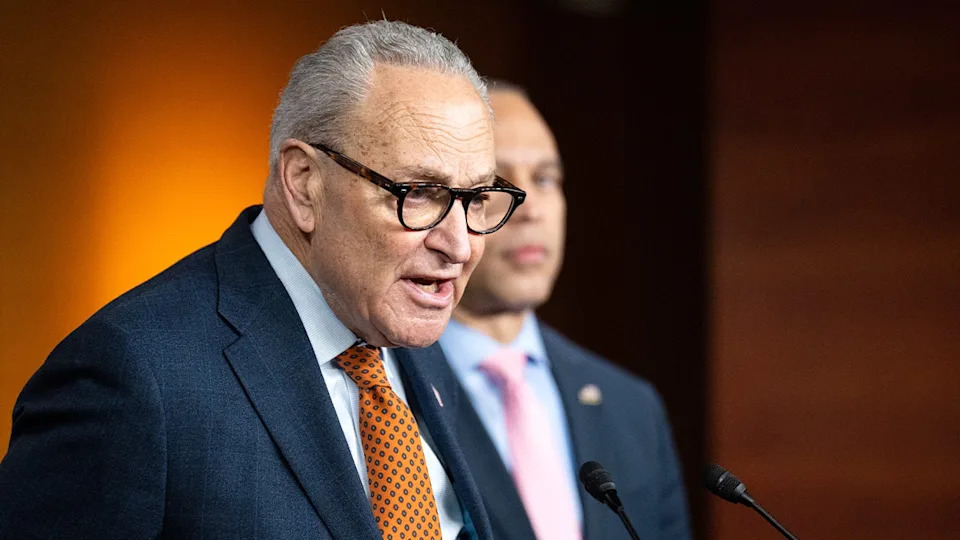
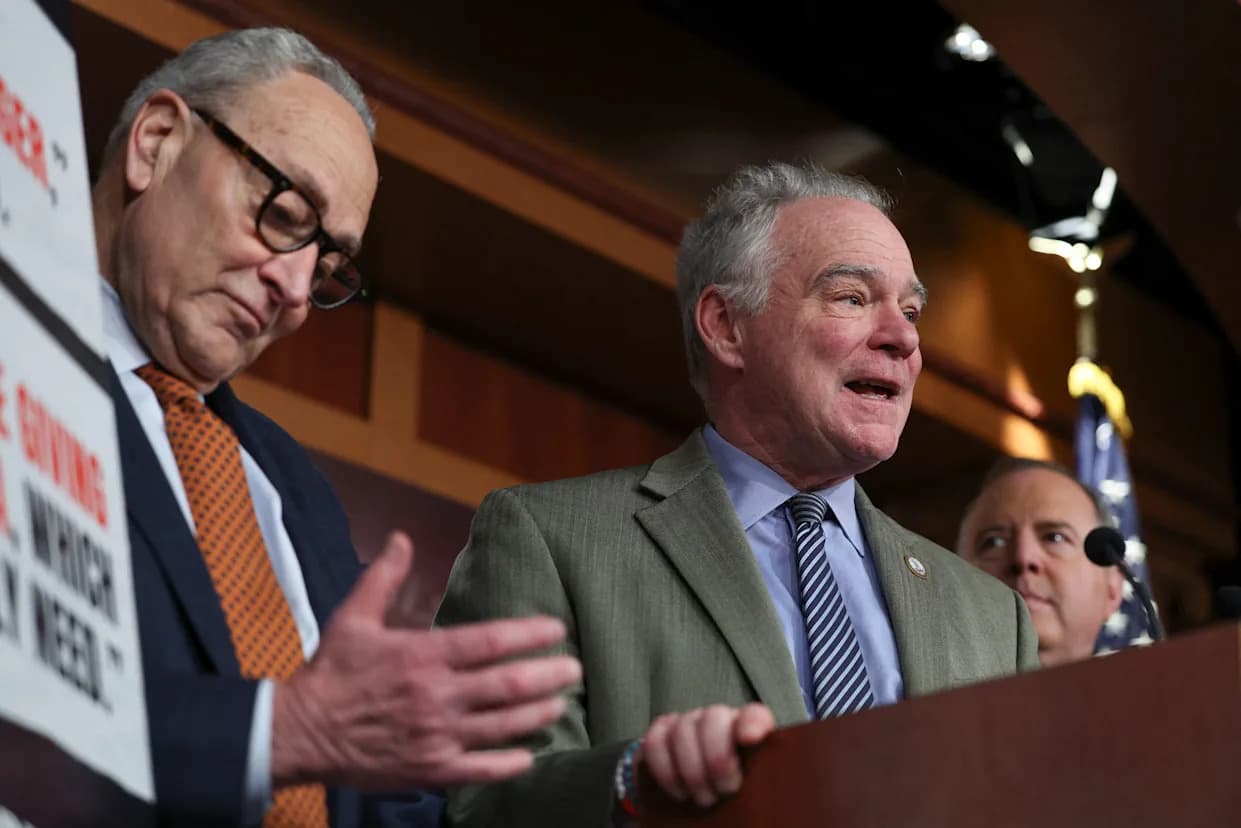
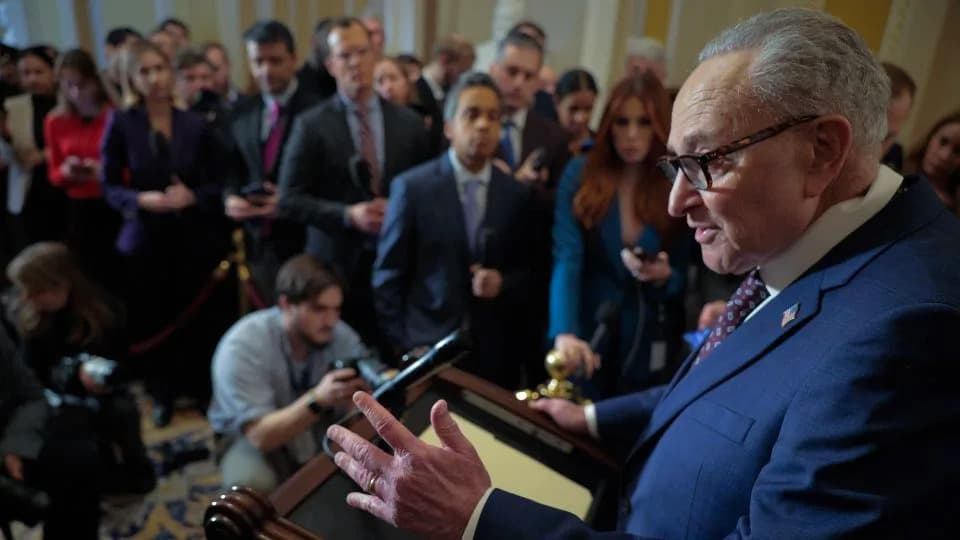
Senate Minority Leader Chuck Schumer, D-N.Y., and House Minority Leader Hakeem Jeffries, D-N.Y., hold a joint news conference at the U.S. Capitol on Jan. 8, 2026.
Lawmakers' Reactions
"Too often, our hardworking men and women — particularly those in the Armed Forces — have had their livelihoods held hostage by political shenanigans in Congress because of disagreements on unrelated issues," Rep. Scott DesJarlais, R-Tenn., said.
Rep. Austin Scott, R-Ga., echoed the concern, urging lawmakers not to force service members to shoulder political fights. Rep. Nick Begich, R-Alaska, warned that travel disruptions and short staffing would be especially damaging in Alaska, where many remote communities depend on air service for supplies and medical care.
The Department of Defense declined to comment on the timing of forthcoming paychecks for service members or whether on-time delivery was at risk.
What Happens Next
If the House reconvenes and approves the Senate package, a shutdown would be averted. If it rejects the measure, a partial lapse in funding could begin as early as Feb. 1, affecting agencies tied to the unsettled appropriations and potentially creating localized disruptions in travel, healthcare access and disaster response.
Help us improve.