The prospect of a bipartisan package to rein in ICE has largely stalled after the killings of Renee Nicole Good and Alex Pretti in Minneapolis. Speaker Mike Johnson and many Republicans rejected key Democratic demands — including limits on warrantless searches and forcing officers to identify themselves — while pushing measures such as ending sanctuary cities. With DHS funding set to expire in about two weeks, leaders warn a shutdown could disrupt airports and leave frontline agencies without pay. Limited agreement exists on body cameras, but major disagreements make a deal unlikely before the deadline.
ICE Deal Stalls on Capitol Hill as DHS Funding Deadline Nears, Raising Shutdown Fears
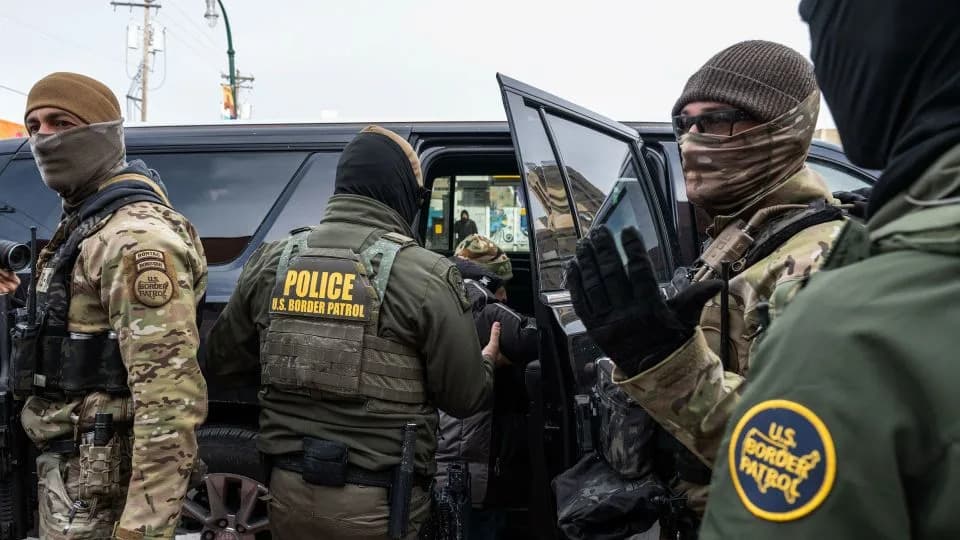
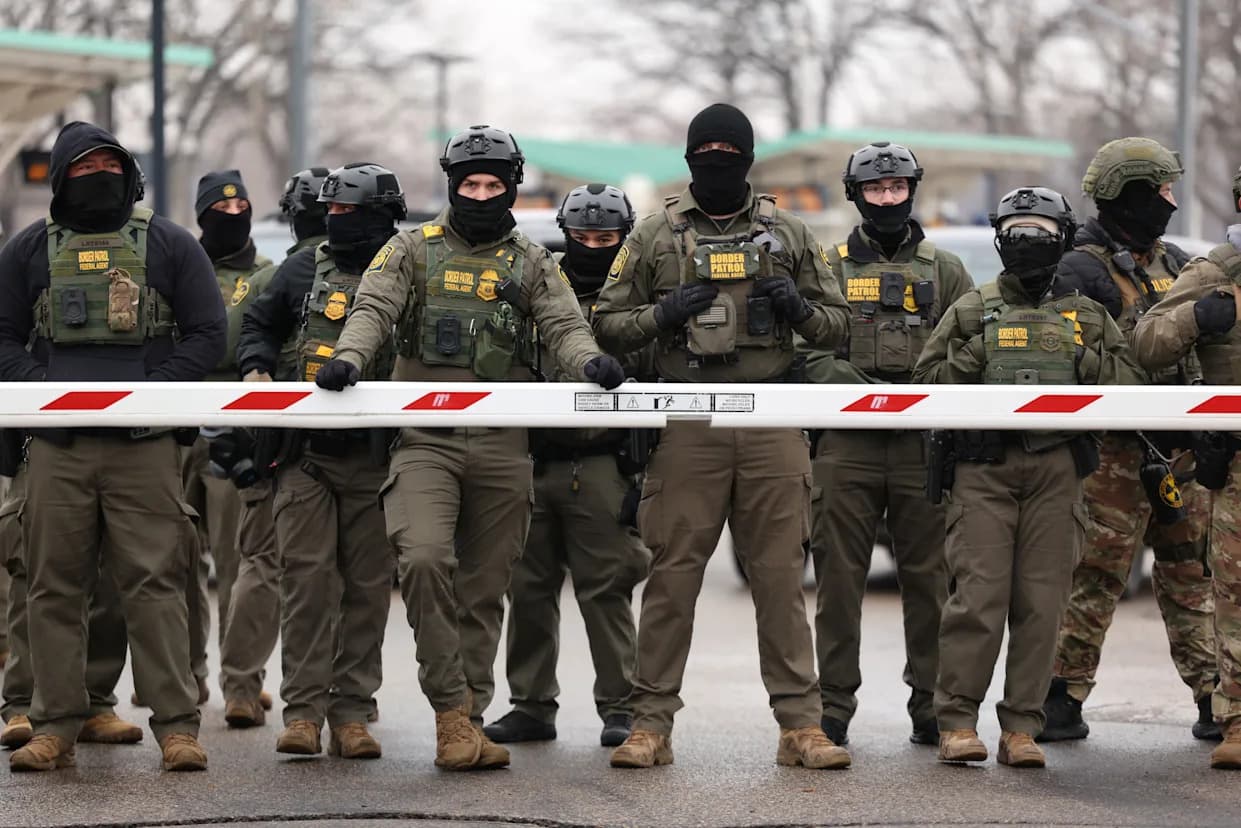
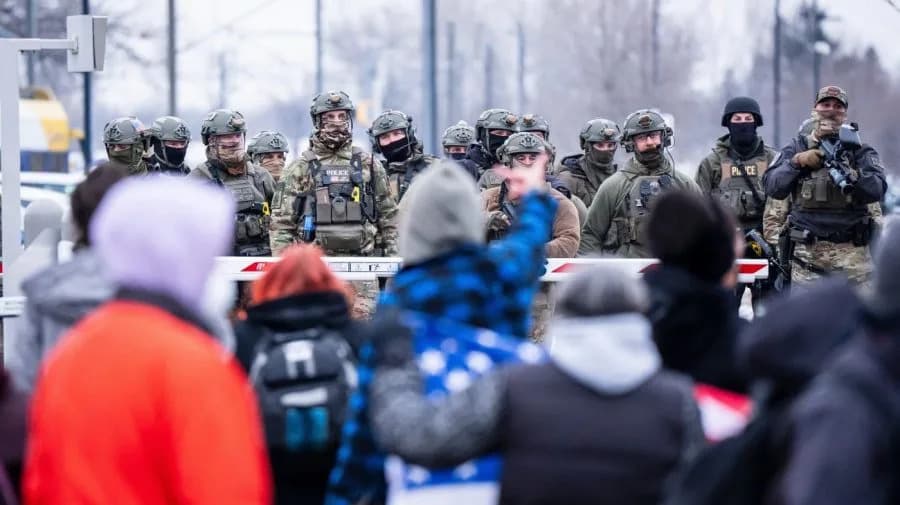
Federal law enforcement agents detain a person in Minneapolis, Minnesota, on January 11. - Victor J. Blue/Bloomberg/Getty Images/File
For a brief window last week, senior House Democrats thought they might secure bipartisan support to curb federal immigration-enforcement powers after the killings of Renee Nicole Good and Alex Pretti in Minneapolis. That possibility has largely evaporated on Capitol Hill.
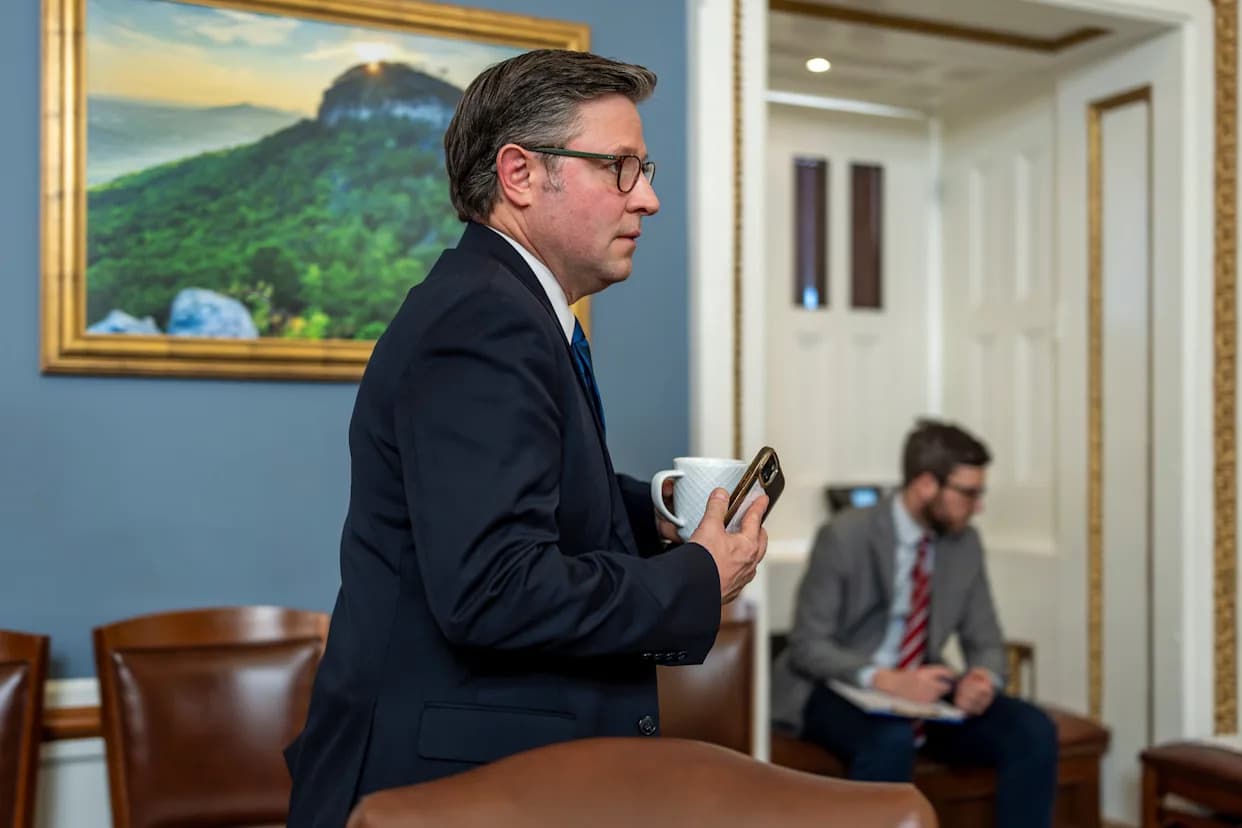
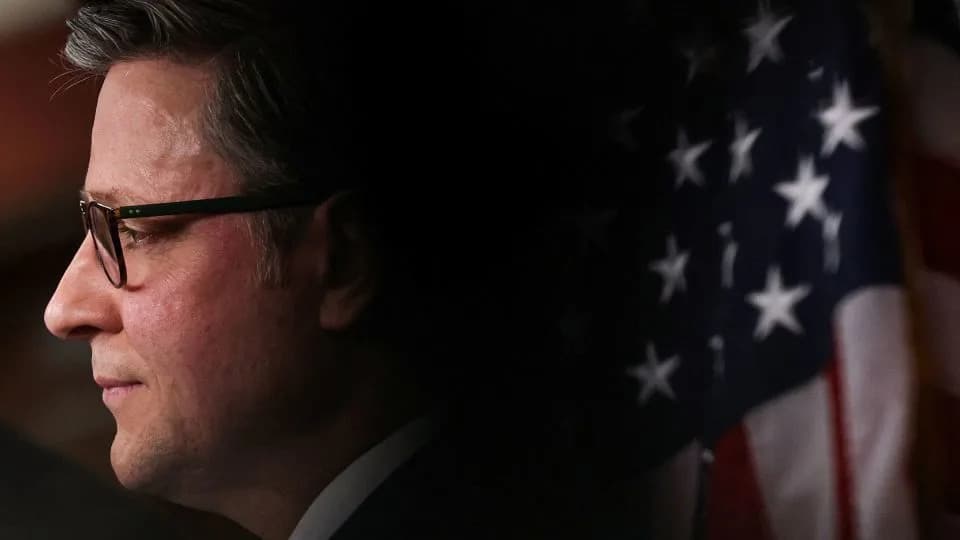
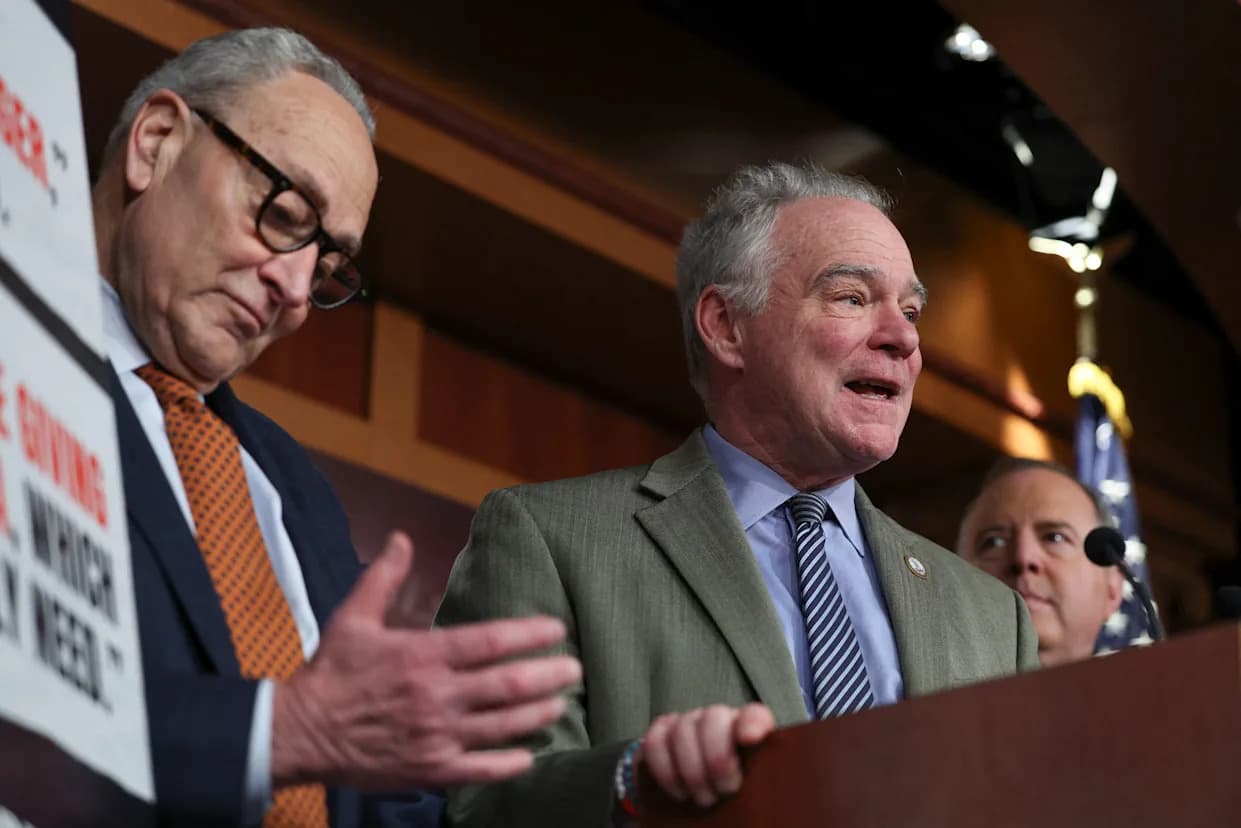
Negotiations to craft a bipartisan package to limit immigration officers’ authorities are now uncertain after Speaker Mike Johnson rejected two of the major Democratic proposals advanced in response to the Minneapolis deaths: barring warrantless searches and requiring ICE officers to publicly identify themselves. Many Republican lawmakers are instead pushing their own priorities, including proposals to restrict so-called sanctuary cities — a move Democrats have called a nonstarter.
Johnson told reporters that Republicans will "never" agree to require ICE agents to obtain judicial warrants rather than authorization from an executive-level official.
"It is unimplementable. It cannot be done, and it should not be done. It’s not necessary," Johnson said.
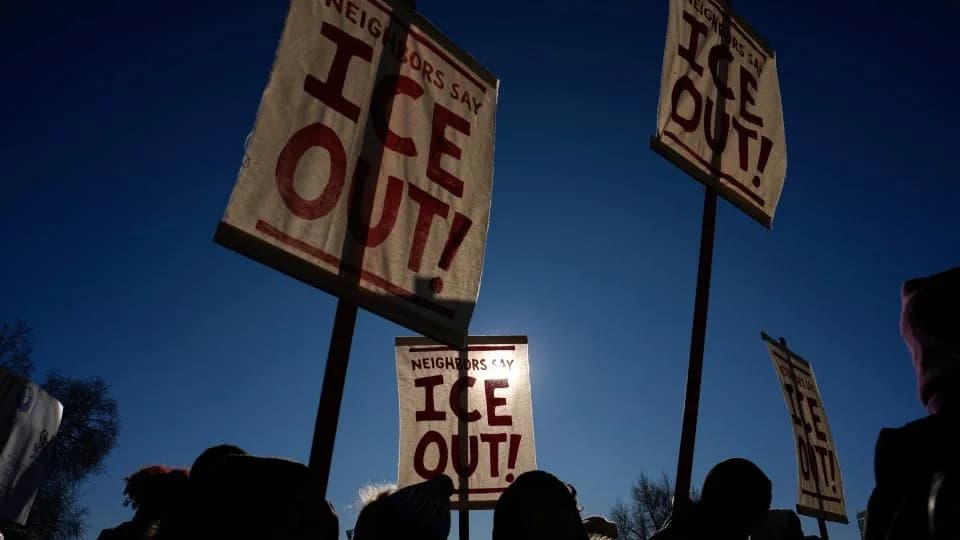
Democrats say they cannot accept anything short of sweeping reforms to the Department of Homeland Security that address the intense public outcry that followed the Minneapolis incidents. As both sides harden their positions, attention has turned to the department’s funding: current DHS funding expires in roughly two weeks, and lawmakers warn a shutdown could disrupt airport operations and leave agencies such as the Coast Guard and Secret Service without pay.
Negotiations Hit Impasse
Sen. John Thune, a senior Senate Republican, said reaching a deal on ICE by the funding deadline will be "very difficult" and "might take a miracle." House Majority Leader Steve Scalise voiced similarly pessimistic views, characterizing Democrats as reluctant to fund law enforcement.
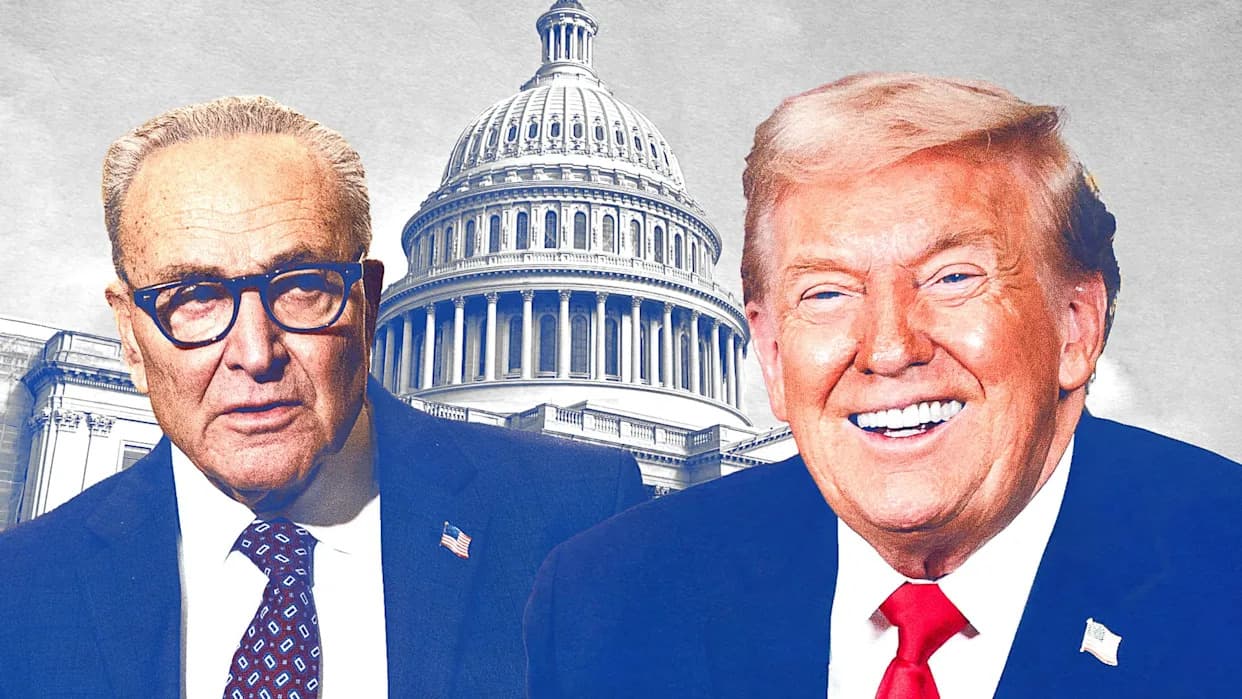
There is also disagreement over who should take the lead in talks. Thune suggested House and Senate Democrats should work with the White House, while Sen. Chris Murphy, a Democratic point person on DHS funding, said congressional Republican leaders need to convene serious negotiations.
"That’s up to them. They’re in charge. They need to convene some serious negotiations," Murphy said. "Let’s sit down, let’s sit at the table." Rep. Jason Crow (D-Colo.) warned that Republicans have repeatedly shifted their positions, leaving Democrats skeptical of any lasting commitment.
Limited Agreement, Growing Frustration
So far, the only clear bipartisan area of agreement is the use of body-worn cameras: the Department of Homeland Security announced a rollout of body cameras for personnel deployed in Minneapolis. But other Democratic proposals — such as requiring officers to remove masks while carrying out enforcement actions or imposing new warrant standards — have met strong GOP resistance.
Several Republicans dismissed many Democratic demands as political theater. "They're not being serious. This is political theater," Sen. Markwayne Mullin (R-Okla.) said. Rep. Warren Davidson (R-Ohio) said only "very few" Republicans appear willing to change ICE practices and expressed skepticism that Democrats would accept compromises.
On the Democratic side, pressure from constituents has been intense. Only 21 House Democrats voted for a broad funding package this week that included temporary DHS funding. Rep. Emanuel Cleaver (D-Mo.) said his office received more than 2,700 calls in two weeks urging him to oppose ICE funding — the most sustained public reaction he’s seen since debates over the Affordable Care Act.
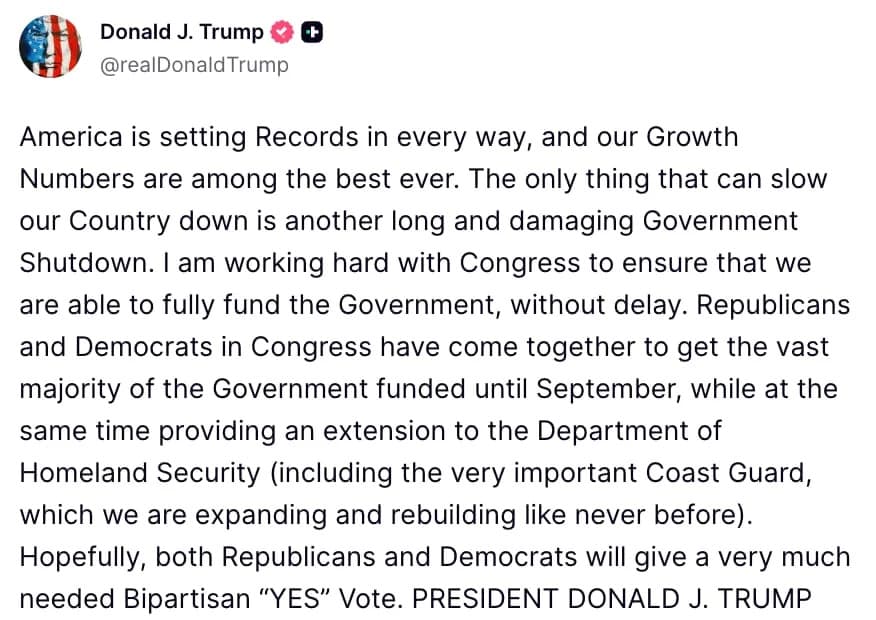
With roughly two weeks until funding lapses, both parties are bracing for a painful standoff. If no agreement is reached, the Department of Homeland Security could face its third funding lapse in under a year, with real-world consequences for travelers and frontline personnel.
What to watch next: whether House and Senate leaders convene direct talks, whether Democrats can secure reforms that satisfy their base, and whether lawmakers will approve a short-term funding patch to avert a shutdown.
Help us improve.