The WTO faces an urgent reform challenge as structural rules and geopolitical tensions weaken its effectiveness. Petter Olberg, facilitator of reform talks, is pushing ministers at the Yaoundé meeting (March 26–29) to endorse a practical work plan with clear objectives and deadlines. Key issues include the unanimous consensus rule, a paralysed Appellate Body since 2019, and U.S. challenges to the MFN principle. The goal in Yaoundé is to set a roadmap for reform, not to complete it.
WTO at a Crossroads: 'Reform Or Die,' Facilitator Says Ahead Of Yaoundé Meeting
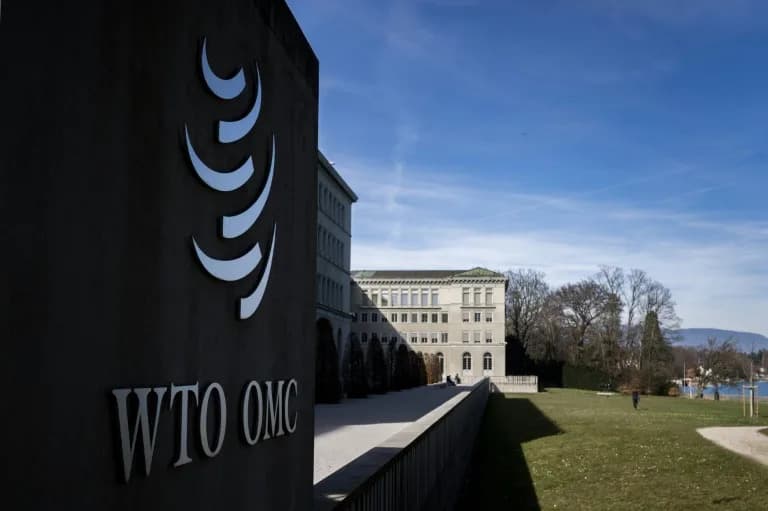
The WTO headquarters is next to Lake Geneva (Fabrice COFFRINI)(Fabrice COFFRINI/AFP/AFP)
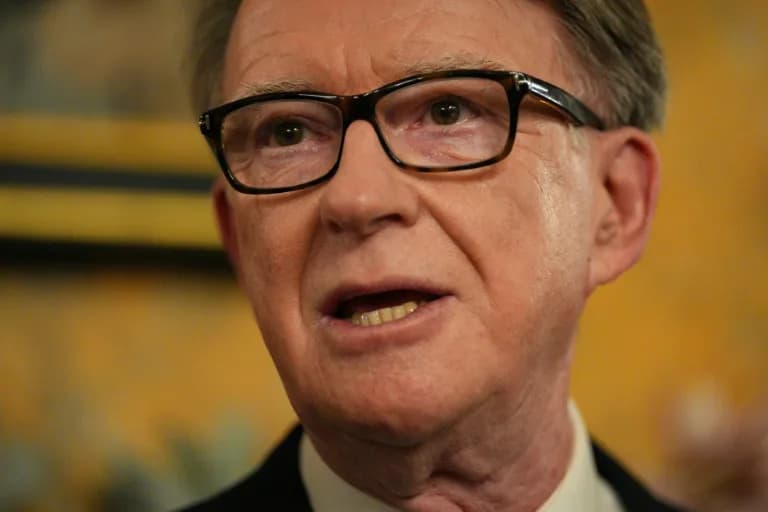
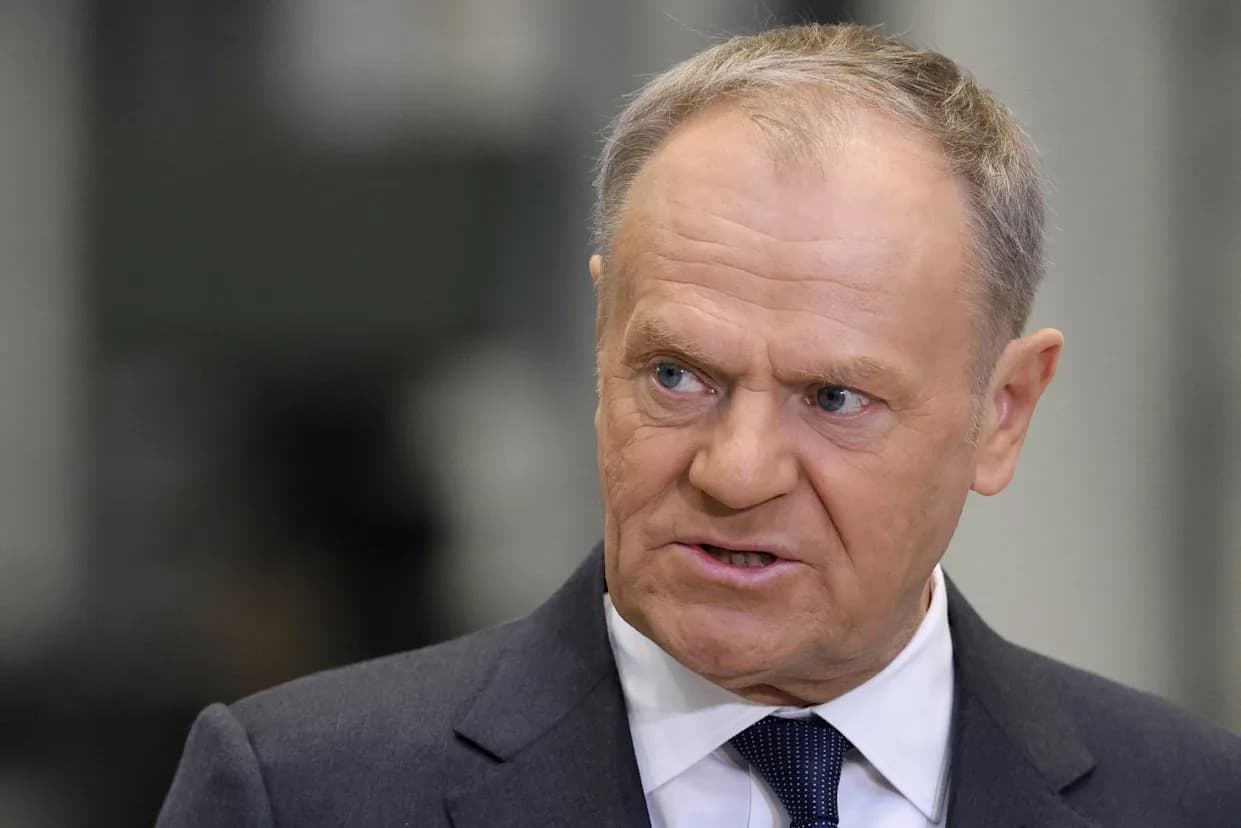
The World Trade Organization faces a defining moment as negotiators prepare for the ministerial meeting in Yaoundé, Cameroon, on March 26–29. Petter Olberg, Norway’s ambassador and facilitator of WTO reform talks, warns that the organisation must adopt a clear reform work plan or risk becoming irrelevant.
Background: Founded in 1995 and rooted in the post-World War II trading framework, the WTO still governs roughly 72 percent of global trade. Yet structural rules and rising geopolitical tensions have left it struggling to adapt to 21st-century challenges.
What’s Broken — And Why It Matters
Olberg and many member states point to several structural and political obstacles:
- Consensus Requirement: The WTO’s rule that decisions require unanimous consent has made it nearly impossible to adopt new rules or update old ones.
- Paralysed Dispute System: The Appellate Body has been effectively incapacitated since 2019 after the United States blocked new judge appointments, undermining the WTO’s ability to resolve trade disputes.
- Challenges To MFN: The United States has signalled it sees the Most-Favoured-Nation (MFN) principle as “unsuitable for this era,” raising questions about the future of nondiscrimination rules and the notification of bilateral deals.
- Plurilateral Deadlocks: Some members, notably India, have repeatedly blocked the incorporation of plurilateral agreements into the WTO framework, further stalling progress.
Yaoundé’s Goal: A Practical Work Programme
Olberg emphasises that ministers are not expected to finalise sweeping reforms in Yaoundé. Instead, he aims to secure endorsement of a reform work plan with concrete objectives and timelines that will guide negotiations after the meeting. He described the moment as “existential” for the organisation: “Reform or die.”
"We cannot go on like this," Olberg told AFP, adding that many members — large and small — now share a sense of urgency not seen before.
WTO Director-General Ngozi Okonjo-Iweala has also sounded the alarm, noting that some recent U.S. trade deals have not been notified to the WTO, which risks eroding the rules-based system built around transparency and MFN commitments.
Why Reform Still Matters
Despite its current weaknesses, many routine WTO rules — on customs valuation, intellectual property standards and other technical areas — continue to facilitate international business. Reinforcing and updating the institution could restore its capacity to resolve disputes, update trade rules and preserve an open, predictable global trading system.
Looking Ahead: The Yaoundé ministerial is intended to launch a structured reform process. Success will depend on whether members can agree on realistic steps, timelines and mechanisms to move past deadlocks that have hamstrung the organisation for years.
Help us improve.