President Donald Trump has signed a short extension of the African Growth and Opportunity Act (AGOA), keeping the trade program in force through Dec. 31, 2026. AGOA allows eligible sub-Saharan African countries duty-free access for about 1,800 products and underpins much of U.S.-Africa trade, valued at over $100 billion in 2024. The brief renewal creates uncertainty for exporters and governments, especially major beneficiaries such as South Africa and Nigeria, while U.S. officials say they will "modernize" AGOA to align with America First priorities.
U.S. Signs Short Extension Of AGOA Through Dec. 31, 2026 — What It Means For Africa
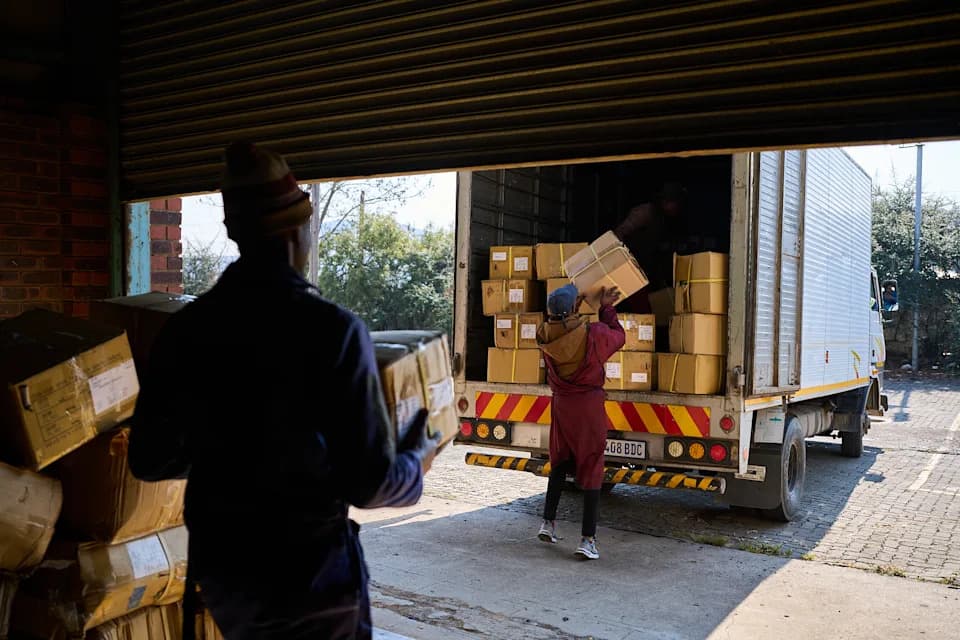
FILE - Workers load a truck with the last boxes filled with clothes from the empty Tzicc clothing factory following the threat of U.S.-imposed tariffs in Maseru, Lesotho, July 22, 2025. (AP Photo/Bram Janssen, File)(ASSOCIATED PRESS)
U.S. President Donald Trump has signed a short-term extension of the African Growth and Opportunity Act (AGOA), a trade program first enacted in 2000 that gives eligible sub-Saharan African countries duty-free access to the U.S. market for many products. The Office of the United States Trade Representative said the extension runs through Dec. 31, 2026 and that the program will be revised to reflect tariffs imposed under the administration’s America First trade priorities.
What Happened
The extension restores AGOA after it briefly lapsed, but its limited duration — effectively a multi-year but not long-term renewal — has left governments and businesses seeking clarity about future trade rules and eligibility. U.S. trade officials said they will work with Congress to "modernize the program" to align AGOA with current U.S. trade priorities, without offering detailed changes.
Background: What Is AGOA?
AGOA, created under President Bill Clinton in 2000, allows eligible sub-Saharan African countries to export roughly 1,800 product categories to the United States duty-free. Covered goods include crude oil, automobiles and parts, clothing and textiles, and agricultural products. According to the U.S. trade office, U.S.-Africa trade was valued at more than $100 billion in 2024, with AGOA accounting for a significant share of that commerce.
Eligibility is conditional: the U.S. can remove countries that fail to meet requirements such as maintaining market-based economies and respecting democratic norms and human rights. For example, the Biden administration removed Uganda from AGOA in 2024 after the country enacted a law the U.S. described as a serious human rights violation.
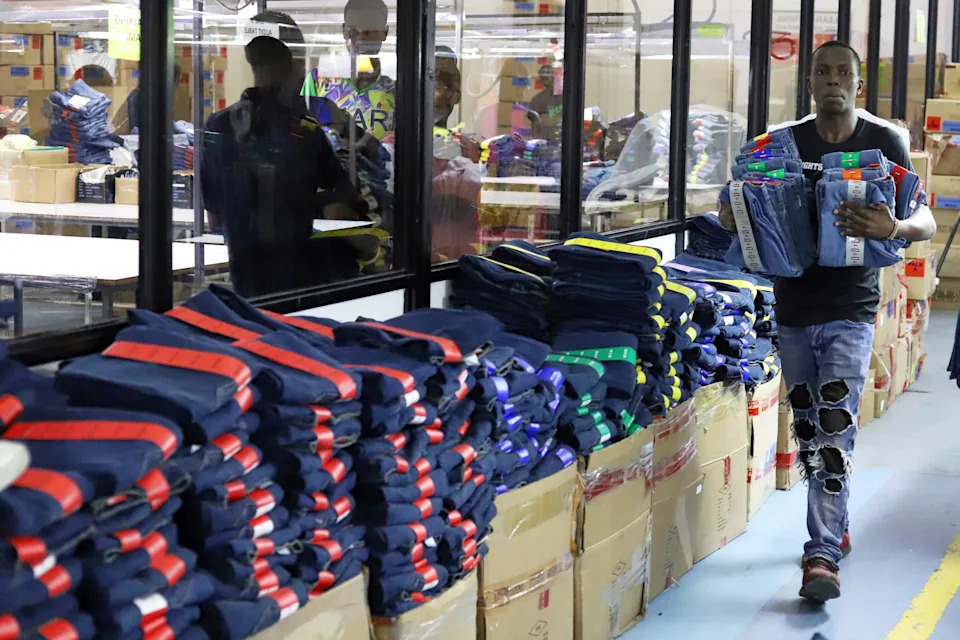
FILE - A factory worker arrange garments at United Aryan EPZ Limited in Ruaraka on the outskirts of Nairobi, Kenya Friday, March. 21, 2025. (AP Photo/Andrew Kasuku, file)(ASSOCIATED PRESS)
Why The Short Extension Matters
Businesses and governments across Africa had warned that letting AGOA lapse could endanger jobs and investment. While the signed extension restores benefits for now, the relatively short timeframe (through the end of 2026) creates uncertainty for exporters, investors and policymakers who typically plan on multi-year horizons. By comparison, previous renewals have offered longer terms — a 10-year renewal was negotiated in 2015.
Political Pressure On Major Recipients
South Africa and Nigeria — two of the largest African economies and major AGOA beneficiaries — have experienced heightened political friction with Washington. The Trump administration has publicly criticized South Africa’s government and imposed steep tariffs, while relations with Nigeria have also been strained by political disputes and contested statements about human rights. These tensions have raised concerns that political issues could affect AGOA eligibility for key partners.
Broader Impacts And Next Steps
Critics say the America First trade stance — combining higher tariffs with cuts and restructuring of U.S. assistance programs — has placed additional strain on smaller or fragile African economies. In response, some African countries have deepened trade and investment ties with other partners, notably China, already the continent’s largest trading partner.
U.S. officials have indicated AGOA will be retooled to "demand more from our trading partners," including expectations that African governments remove barriers to U.S. imports and take on greater responsibility for domestic programs supported by U.S. health and development assistance. For now, AGOA’s short extension buys time for negotiations between the U.S., Congress and African governments, but it also raises urgent questions about the program’s long-term shape and stability.
Key quote: The U.S. trade office said the extension is intended to "modernize the program" to reflect current trade priorities, while urging partner countries to take additional steps to facilitate trade with the United States.
Help us improve.