The World Economic Forum still faces justified criticism for elitism and opacity, notably around its roughly $500 million annual revenue. Historically, Davos has misread major shifts — from the 2008 recession call to Brexit, MAGA and COVID-19 — undermining confidence in its forecasts. In 2026, however, delegates appear unusually focused on two central unknowns: advanced AI and the political trajectory around President Donald Trump. The tone has shifted from virtue-signaling to pragmatic value-seeking, with greater emphasis on resilience and survival in a changing global order.
Davos 2026: Is the Forum Finally Getting Its Forecasts Right?
Legitimate complaints about the World Economic Forum persist: it can feel elitist, abrasive and remarkably opaque about its roughly $500 million in annual revenue. Those critiques remain fair. But the more consequential criticism has been that Davos frequently misreads where the world is headed.
The Forum's global risk survey often reads like a playbook for fighting the last war — a tendency captured by a wry comment from one Shell executive who joked that the survey looked as if it were filled out while glancing at an old Economist cover in a private-jet seatback. History is littered with high-profile misfires: an attendee in 2008 called a global recession 'inconceivable,' the Davos crowd mostly missed Brexit and the MAGA-populist wave in the mid-2010s, and in 2020 delegates mingled around communal fondue as COVID-19 spread nearby. The metaverse craze also had its Davos moment.
Why 2026 Feels Different
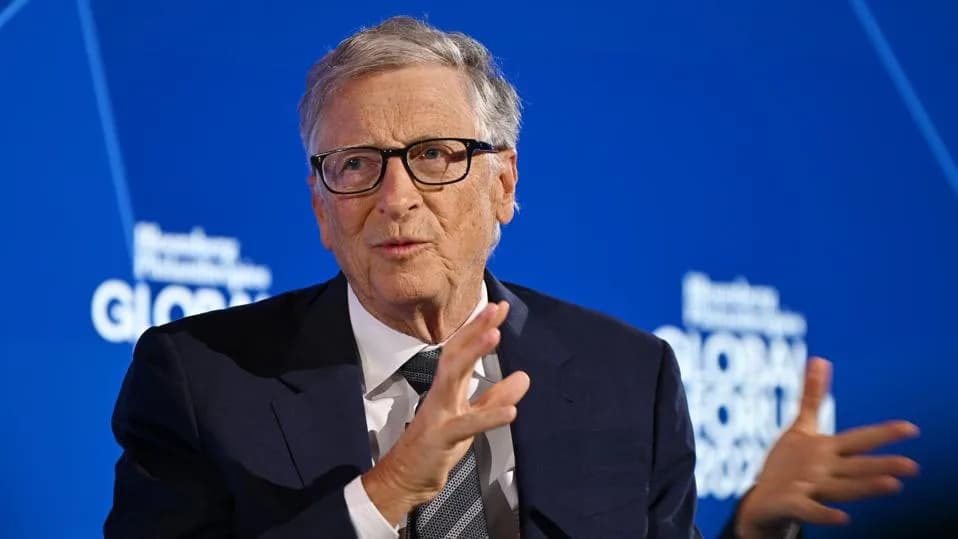
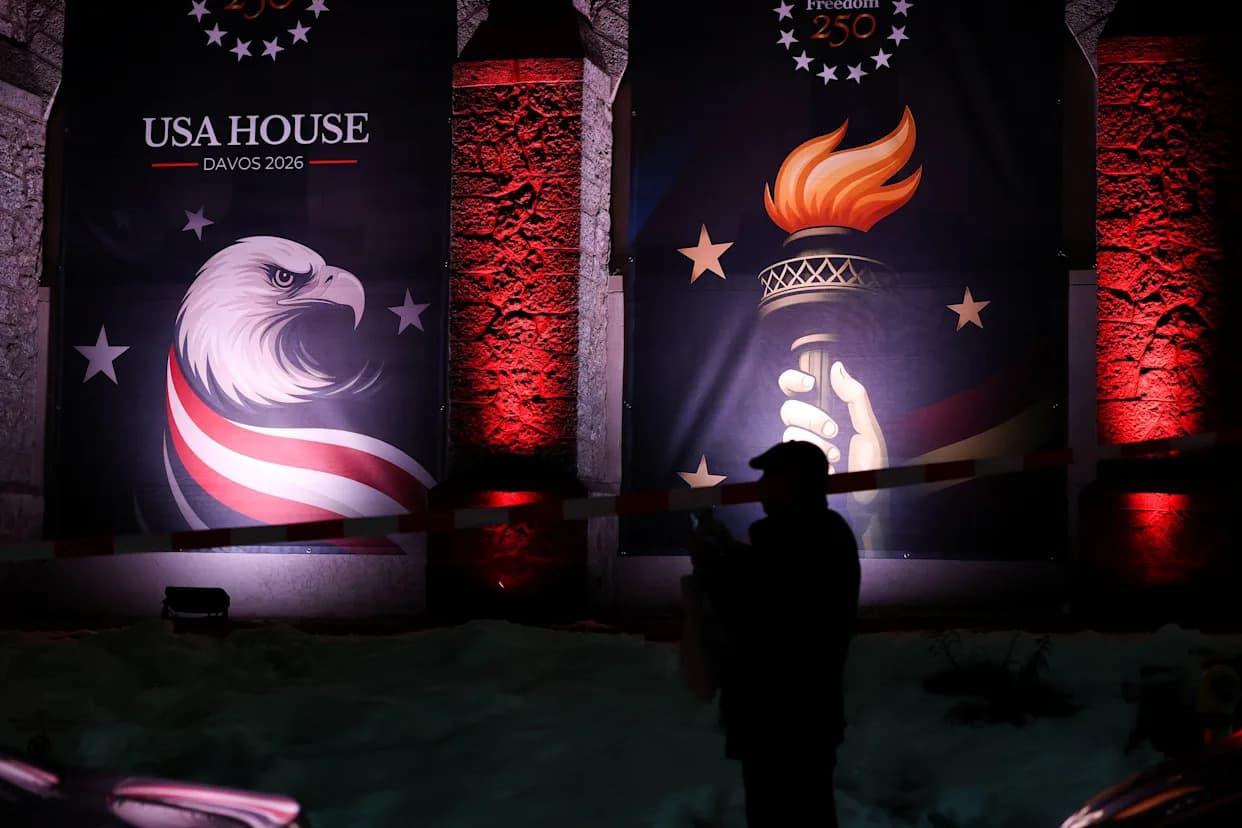
There are reasons to think this year may be a turning point. Conversations here are unusually focused and sober, centered on two major known unknowns: advanced artificial intelligence and the political impact of President Donald Trump. A walk down the Promenade reveals boosters for both topics — and even a robust, red-meat lineup from a MAGA-influenced pavilion — yet the tone is often pragmatic rather than performative.
Leaders from six of the world’s seven largest economies are attending, and technically seven of the largest eight if you count California Governor Gavin Newsom — who is spotlighted in an onstage conversation with Semafor’s Ben Smith. The upbeat, do-gooder signaling that once defined many Davos panels has given way to earthier appraisals: less virtue-signaling and more value-seeking. One clear sign of the shift is that climate change, while still critical, is not the dominant talking point it once was; participants are talking more about geopolitical resilience and economic survival.
“In past years, Davos Man tried to build a new kind of world,” Walter Russell Mead wrote in The Wall Street Journal. “In 2026, he worries more about how to survive the collapse of an order he once took for granted.”
Does that mean the Davos consensus will finally be right? That remains to be seen. But the Forum's straighter focus on immediate strategic risks — rather than the usual laundry list of abstract priorities — suggests it may be learning to read the room more accurately. For observers prone to betting against Davos, the Inverse Davos Index may have some company this year from a more cautious, realistic crowd.
Help us improve.