NASA will attempt an on‑pad repair to fix a hydrogen leak discovered during an Artemis II wet dress rehearsal, then run a second fueling test before targeting a March 6–11 launch window. The leak was traced to the area where an 8‑inch hydrogen feed line connects at the rocket umbilical; teams briefly loaded nearly 800,000 gallons of cryogenic propellant but halted the test when hydrogen spiked during final pressurization. NASA says the work can likely be done at the pad and will confirm a new launch date after validation tests.
NASA Plans On‑Pad Repair for Artemis II Hydrogen Leak; Launch Pushed to March Window
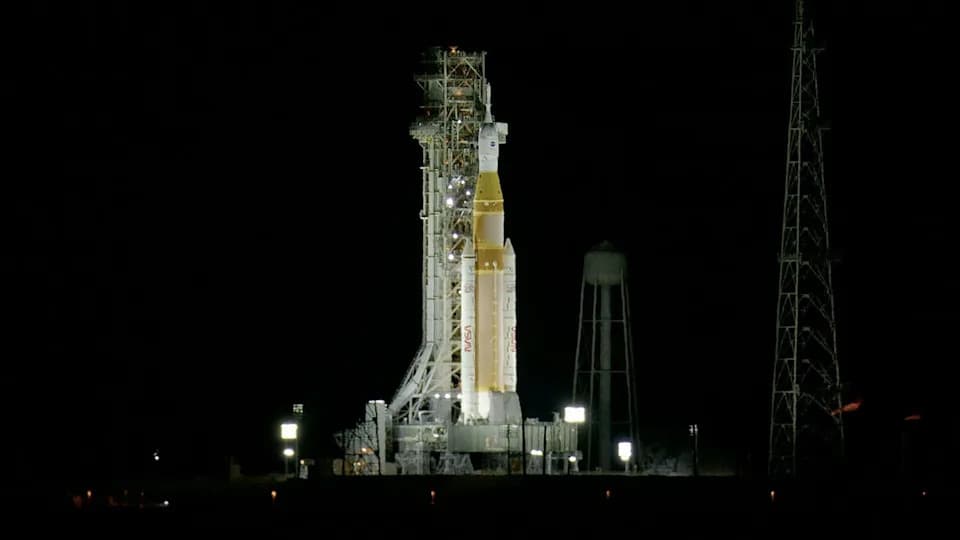
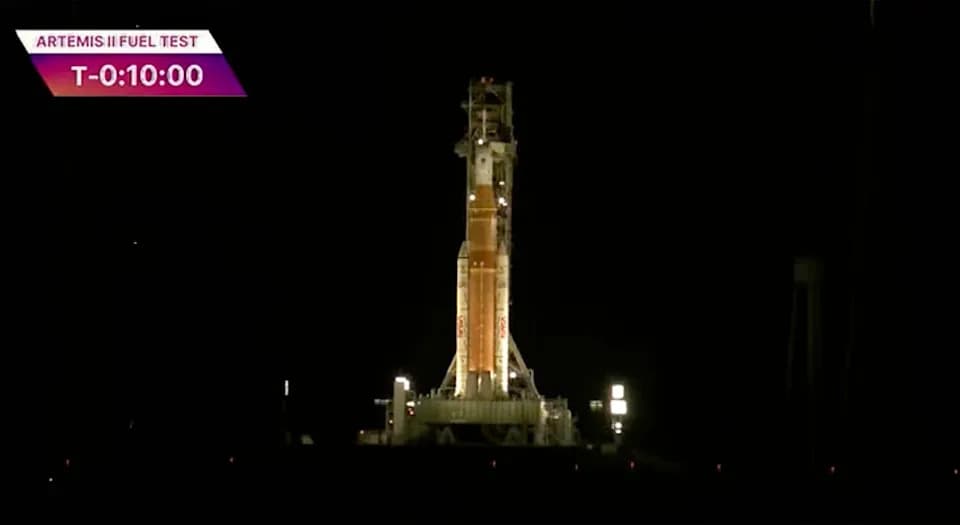
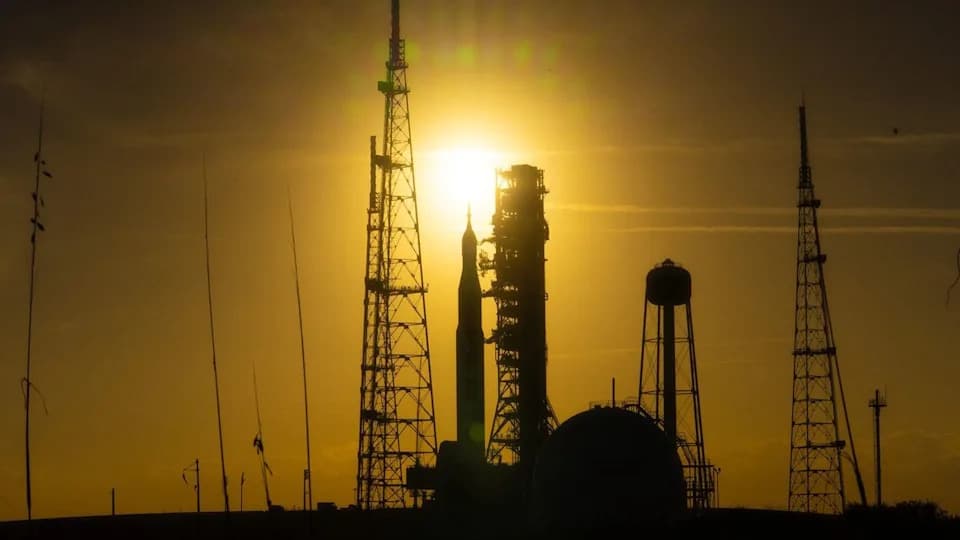
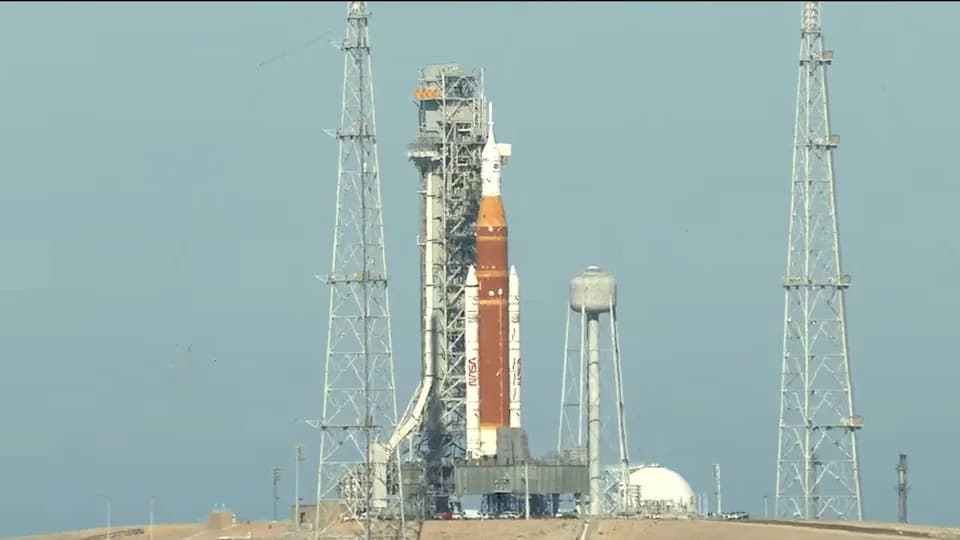
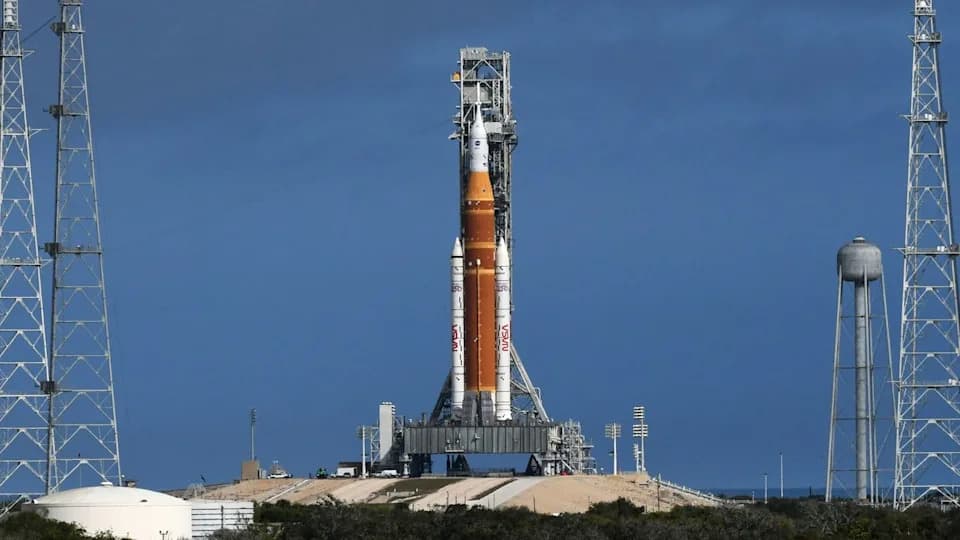
Frost coats NASA's Space Launch System moon rocket atop pad 39B at the Kennedy Space Center in the pre-dawn hours Tuesday after a dress rehearsal countdown was called off because of a hydrogen leak but before supercold propellants had been drained from the booster's tanks. NASA has delayed the rocket's launch to carry four astronauts to the moon and back until March at the earliest. / Credit: Spaceflight Now
NASA will attempt an on‑pad repair to fix a hydrogen fuel leak that interrupted an overnight wet dress rehearsal for the Artemis II moon rocket. After the repair, engineers plan a second fueling test before aiming for a launch during a five‑day window in March.
What Happened
During Monday's fueling operations, sensors detected elevated concentrations of hydrogen in a cavity between the ground and rocket sides of an umbilical where an 8‑inch hydrogen feed line enters the base of the Space Launch System (SLS). Teams paused fueling and adjusted flow rates and temperatures to bring hydrogen levels down, enabling the rocket to be loaded with nearly 800,000 gallons of cryogenic liquid oxygen and hydrogen.
However, in the final six minutes of the rehearsal countdown—when the first‑stage hydrogen tank was being pressurized to launch conditions—the leak spiked again. An automated control system halted the countdown and the team ended the test without completing several planned objectives.
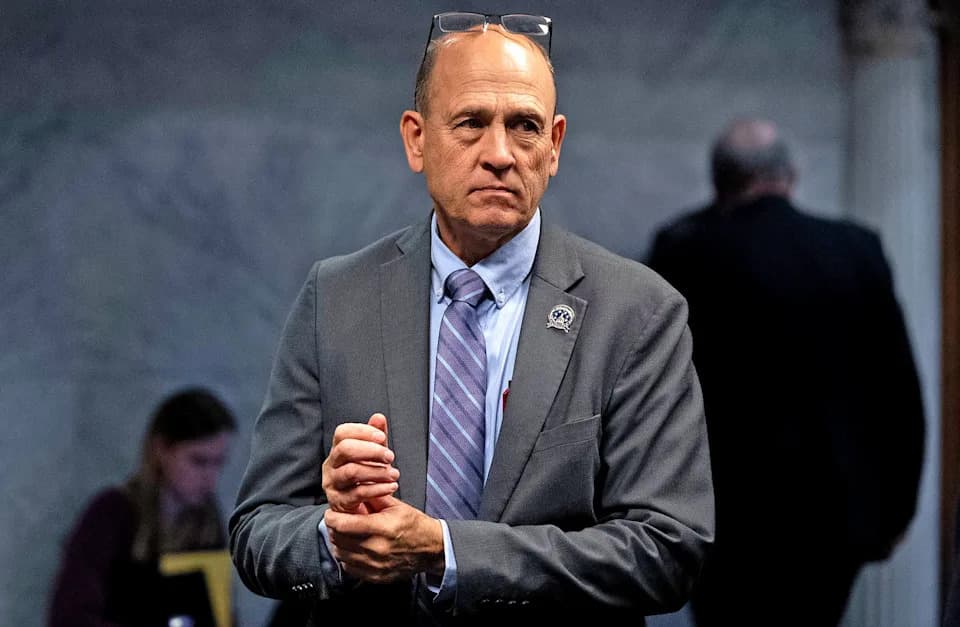
John Honeycutt, chairman of NASA's Mission Management Team, said the test provided valuable data and gave the rocket a chance to "talk to us," helping engineers understand how the system behaves under real conditions.
Planned Response
NASA officials say they are developing a repair plan and believe the necessary work can be done on the pad rather than returning the vehicle to the Vehicle Assembly Building. After the on‑pad repair, teams will conduct another fueling test to validate the fix before committing to a launch attempt in the March 6–11 window.
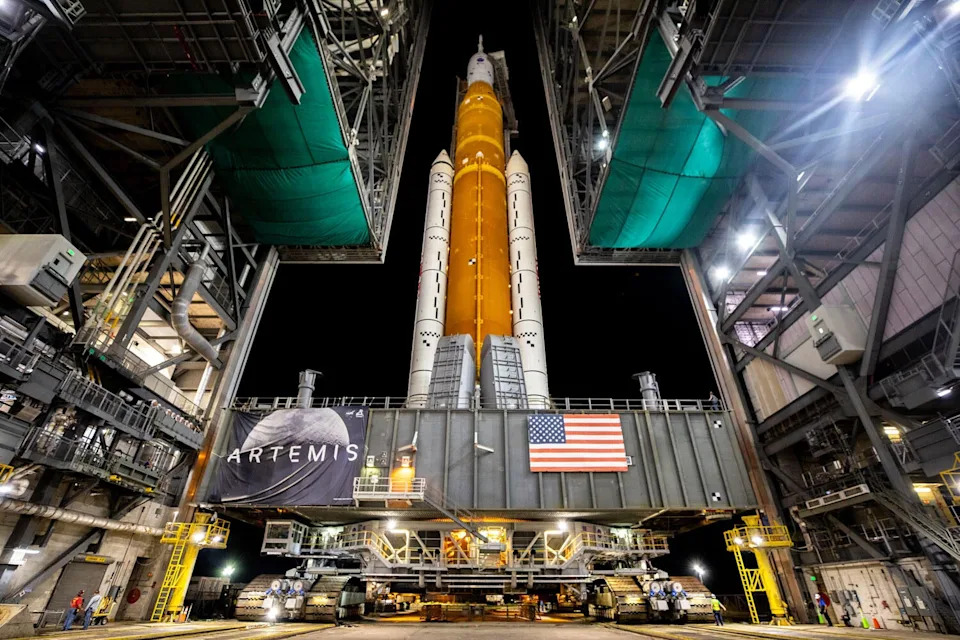
The Artemis II moon rocket's dress rehearsal countdown was derailed by a hydrogen leak in an umbilical connector at the base of the booster. Liquid oxygen and hydrogen fuel lines enter the rocket through two so-called tail service masts, or TSMs. The gray TSMs are visible angled together at the base of the Artemis I rocket in this file photo. / Credit: NASA
Why Hydrogen Leaks Are Challenging
Liquid hydrogen is cryogenic (about –423ºF) and has a very low molecular weight, so it can escape through microscopic gaps in valves and plumbing. Because fixes must be validated at the same flow rates, pressures and temperatures expected on launch day, testing is typically done on the pad and is a complex, resource‑intensive process. The Artemis I campaign required multiple wet dress rehearsals and trips back to the Vehicle Assembly Building to resolve similar issues.
Impact On Crew And Other Flights
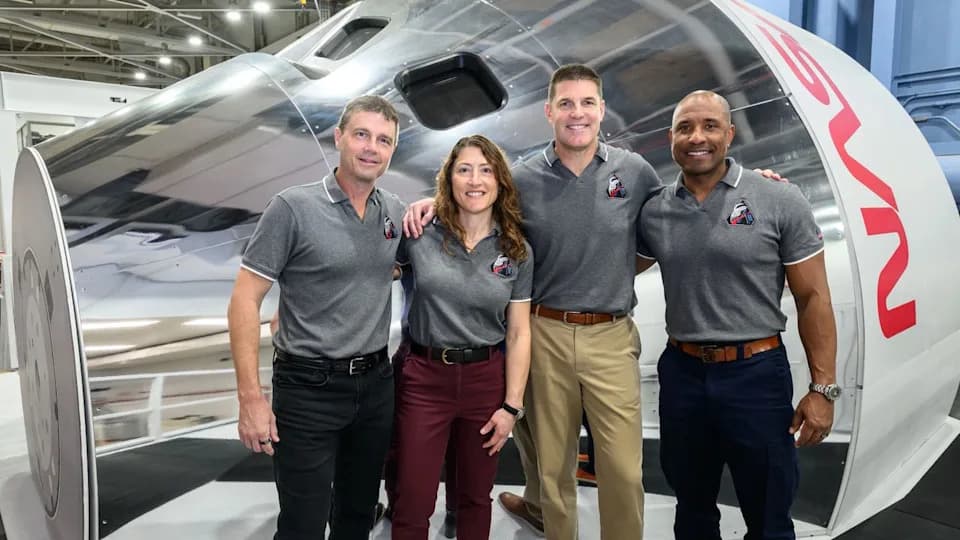
With February launches effectively ruled out, Artemis II commander Reid Wiseman and crewmates Victor Glover, Christina Koch and Jeremy Hansen have left pre‑flight quarantine and will resume training as the team prepares for a March attempt. NASA has not named a new official launch date and will confirm timelines after the repair and follow‑up tests.
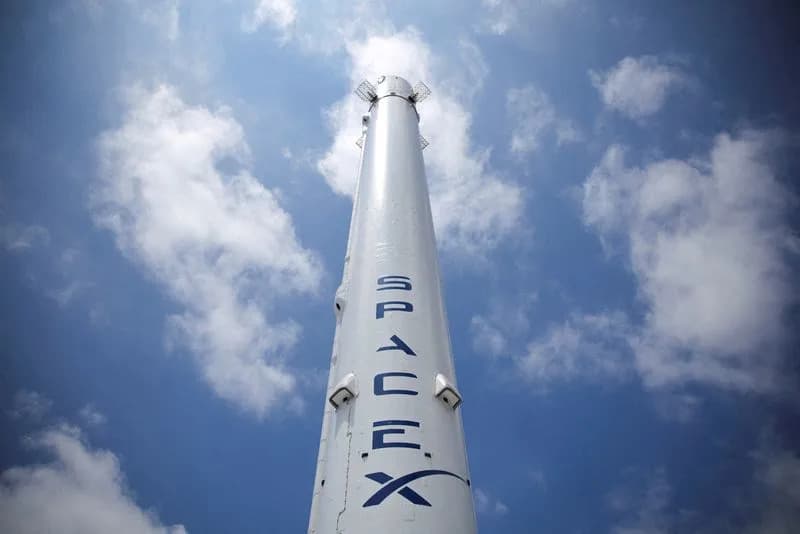
The March delay also clears the calendar for a separate crewed flight to the International Space Station: Crew 12, commanded by Jessica Meir with Jack Hathaway, ESA astronaut Sophie Adenot and Russian cosmonaut Andrey Fedaev, is scheduled to launch on a SpaceX Falcon 9. That mission remains dependent on Federal Aviation Administration clearance after a Falcon 9 second‑stage anomaly on a recent Starlink mission; SpaceX teams are reviewing data to determine the root cause.
Next Steps
NASA will complete analysis of data from the dress rehearsal, carry out the on‑pad repair, and run another wet dress fueling test. If the repair proves successful and regulatory clearances are in place, Artemis II will target one of the March 6–11 launch days for a crewed lunar flyby.
Bottom line: Engineers collected crucial data during the rehearsal, plan an on‑pad repair, and aim to validate the fix with another fueling test before attempting a March launch.
Help us improve.