The Hiroshima University team led by Professor Masayuki Shimada received a $1.8 million Gates Foundation grant in October 2025 to develop a method of storing bull semen at about 5°C rather than in liquid nitrogen. Building on a 2019 discovery about X- and Y-bearing sperm, the group has already developed a low-cost sex-selection technique now piloted in India. The new work aims to make artificial insemination practical where liquid nitrogen is unavailable, potentially boosting milk yields, incomes, and child nutrition for smallholder farmers in India and Africa.
How a Simple Fridge Could Unlock Modern Dairy Breeding for Small Farmers
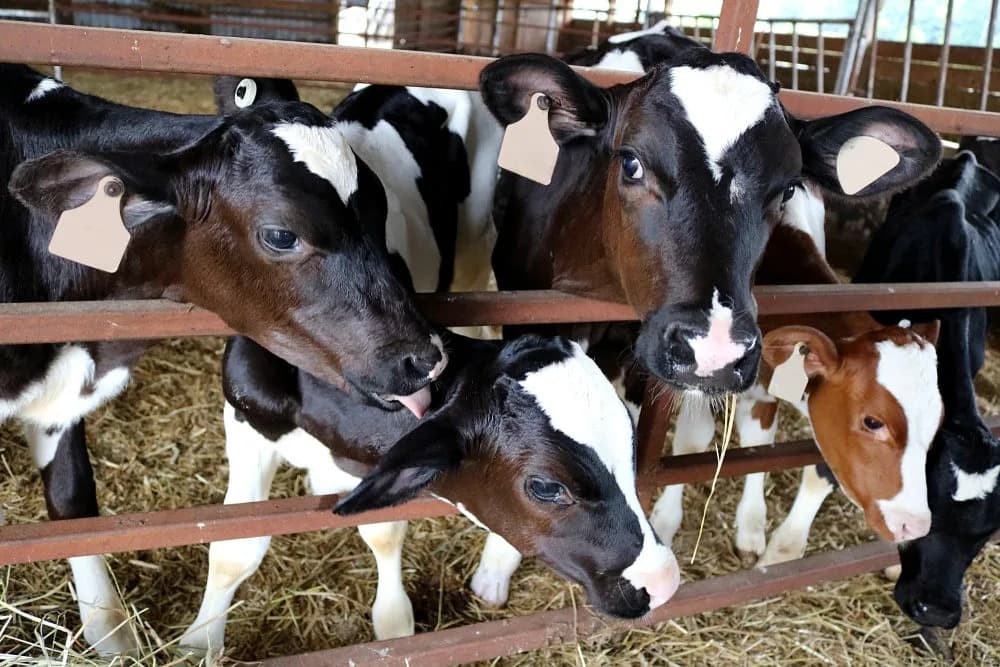
A Hiroshima University research team led by Professor Masayuki Shimada has received a $1.8 million grant from the Bill & Melinda Gates Foundation to develop a method for storing bull semen at approximately 5°C—about the temperature of a household refrigerator—rather than relying on expensive and logistically demanding liquid nitrogen. If successful, the technology could remove a major barrier to modern dairy breeding in low-resource regions and boost food security and livelihoods.
Project Leadership and Funding
The project, directed by Professor Shimada of Hiroshima University's Graduate School of Integrated Sciences for Life, was awarded funding in October 2025. This marks the second Gates Foundation grant for Shimada's laboratory, building on a sustained research program in reproductive biology and practical breeding technologies.
From a 2019 Discovery to Practical Sex Selection
In 2019 the group identified functional differences between X-bearing (female-producing) and Y-bearing (male-producing) sperm. Using that insight, the team developed a simplified, low-cost sex-selection method to increase the likelihood of female calves. That technique is already being piloted on dairy farms in India and has gained attention for its accessibility to small-scale producers.
The Cold-Chain Problem—and a Refrigerator-Based Solution
Wider use of processed semen depends on safe, affordable transport and storage. Conventional cryopreservation requires liquid nitrogen, but many low-resource regions lack a dependable supply and infrastructure for LN2, creating a significant barrier to adoption. The new project aims to preserve bovine sperm at roughly 5°C, eliminating the need for liquid nitrogen and dramatically simplifying logistics.
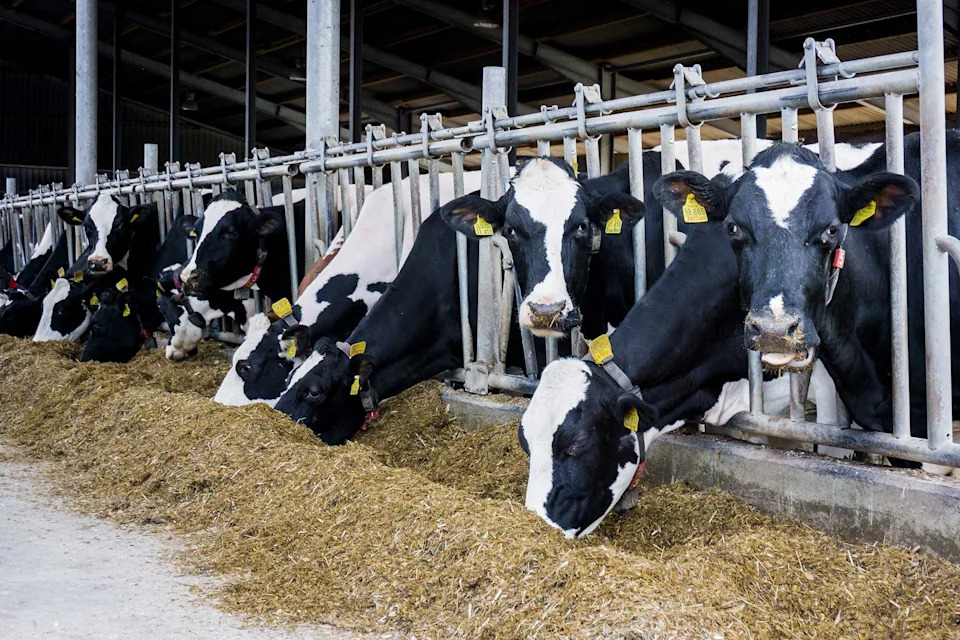
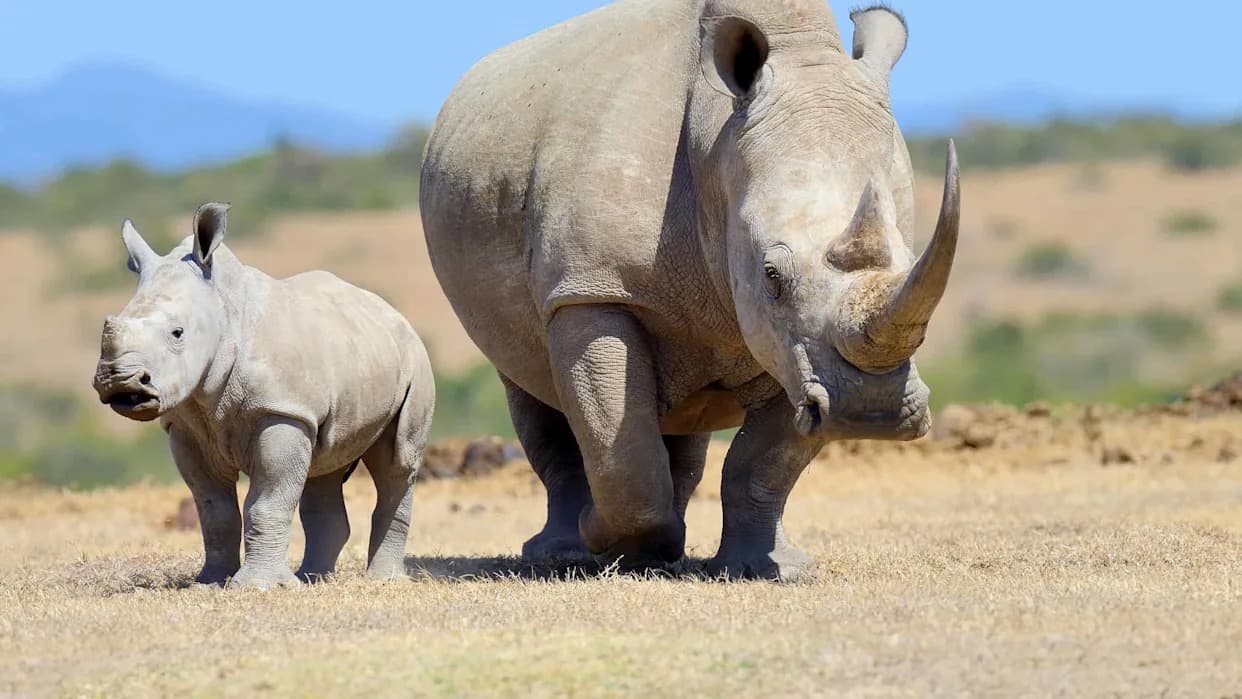
Image by Ewa Studio, Shutterstock
This approach draws on the team's prior work clarifying sperm motility, cellular energy production, and the molecular mechanisms by which low temperatures cause cellular damage. By understanding how to limit cold-induced injury, researchers hope to maintain viability and fertility of sperm stored at refrigerator temperatures.
Partnerships, Training, and Field Rollout
The project is being implemented in collaboration with agricultural organizations and government-affiliated research institutes in India, alongside research groups at Hiroshima University. Shimada's lab already hosts doctoral students from government agencies in countries expected to adopt the technology— including Nigeria, Mozambique, and Bangladesh—and the team has a framework to train local experts and support on-the-ground roll-out.
Potential Benefits for Farmers and Communities
Milk is both a vital source of nutrition and a key income stream across many regions of India and Africa. Smallholder farmers often lack access to highly productive genetics; making artificial insemination practical without liquid nitrogen could increase milk yields, stabilize household incomes, and improve child nutrition. Broader access to improved genetics would also strengthen resilience and livelihoods in rural communities.
Outlook
By enabling artificial insemination without reliance on liquid nitrogen, the project could broaden the reach of modern dairy breeding and reshape prospects for food production and livelihoods in low-resource regions. Continued field testing, capacity building, and partnerships will determine how rapidly refrigerator-temperature storage can be adopted at scale.
Help us improve.