The Gates Foundation says it will narrow its priorities despite global aid cuts, committing at least 70% of its next 20 years of funding to ending preventable maternal and child deaths and controlling major infectious diseases. A third priority on poverty will split efforts between U.S. education and agricultural programs in poorer countries. The foundation will wind down selected initiatives, hold spending at $9 billion a year for five years, cap operating costs at 14%, and pursue AI partnerships — including a $50 million deal with OpenAI’s for‑profit arm — to extend health and education services.
Gates Foundation Tightens Priorities — Pledges 70% Of Funding To Maternal & Child Survival And Infectious Diseases
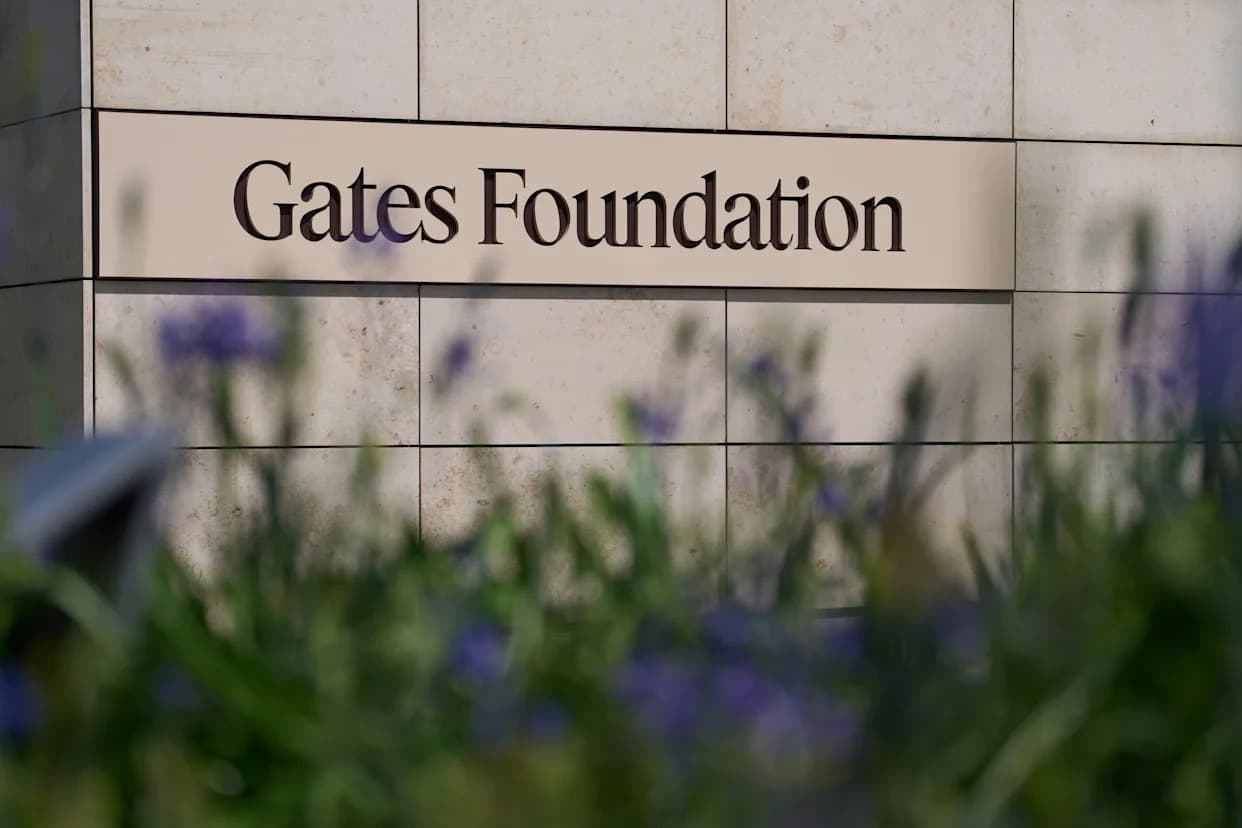
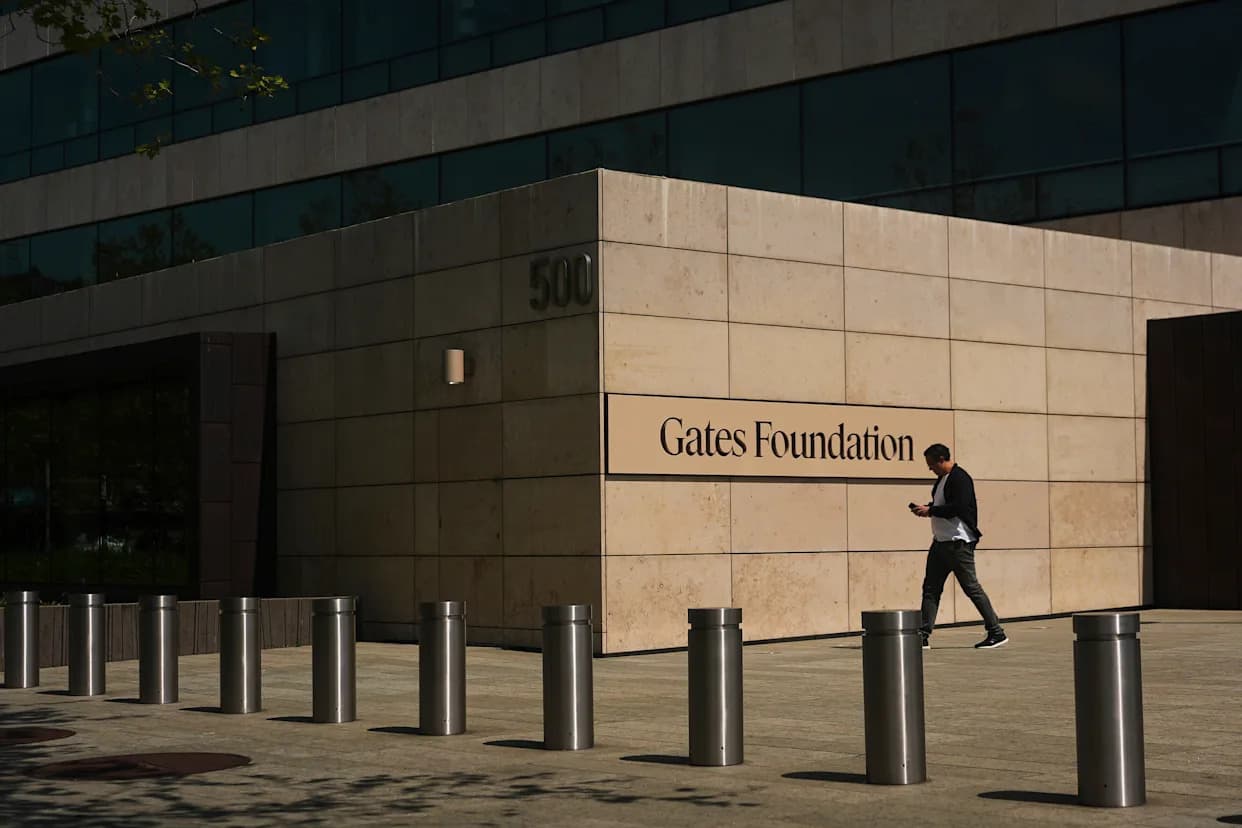
FILE - The Gates Foundation campus sign is seen April 30, 2025, in Seattle. (AP Photo/Lindsey Wasson, File)
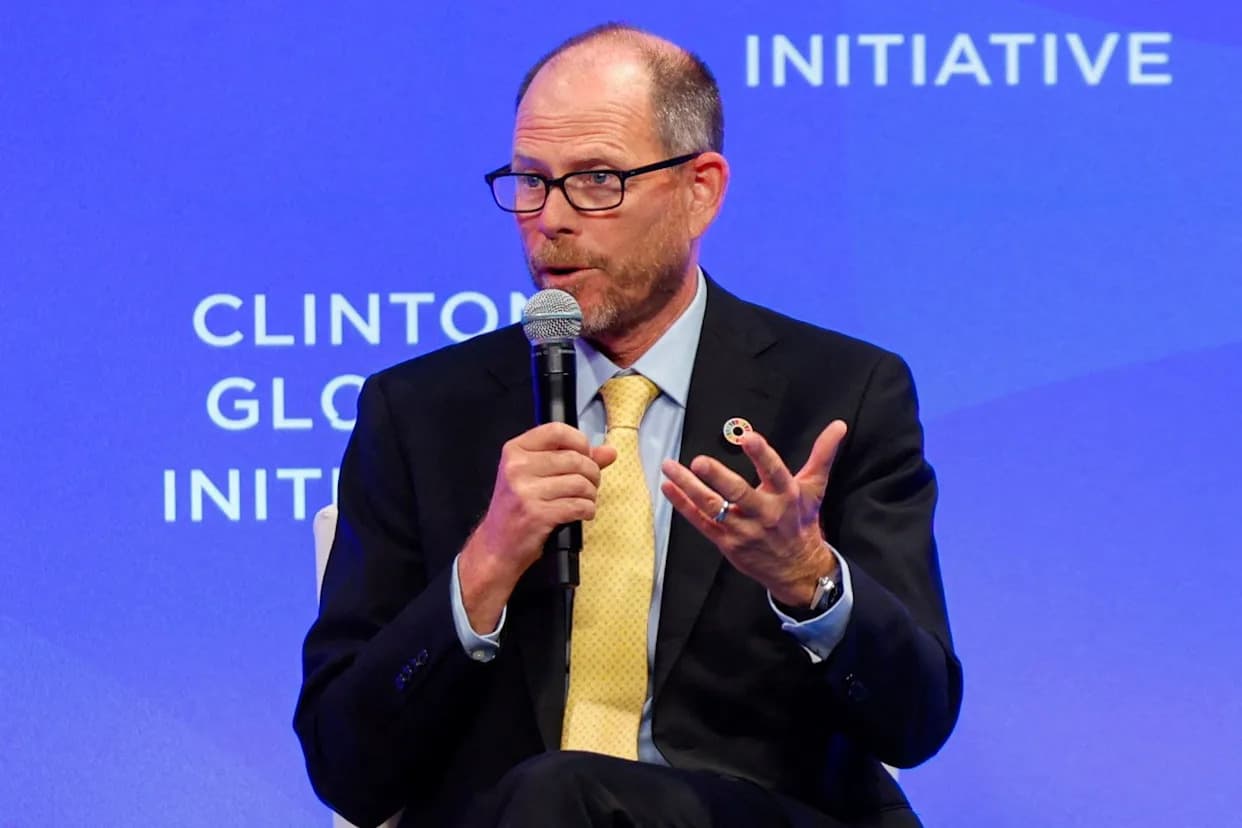
The Bill & Melinda Gates Foundation says it will narrow, not broaden, its agenda despite recent global cuts to foreign aid, and it is holding out hope that U.S. engagement in global health will recover over time, CEO Mark Suzman said Tuesday in the foundation’s annual update.
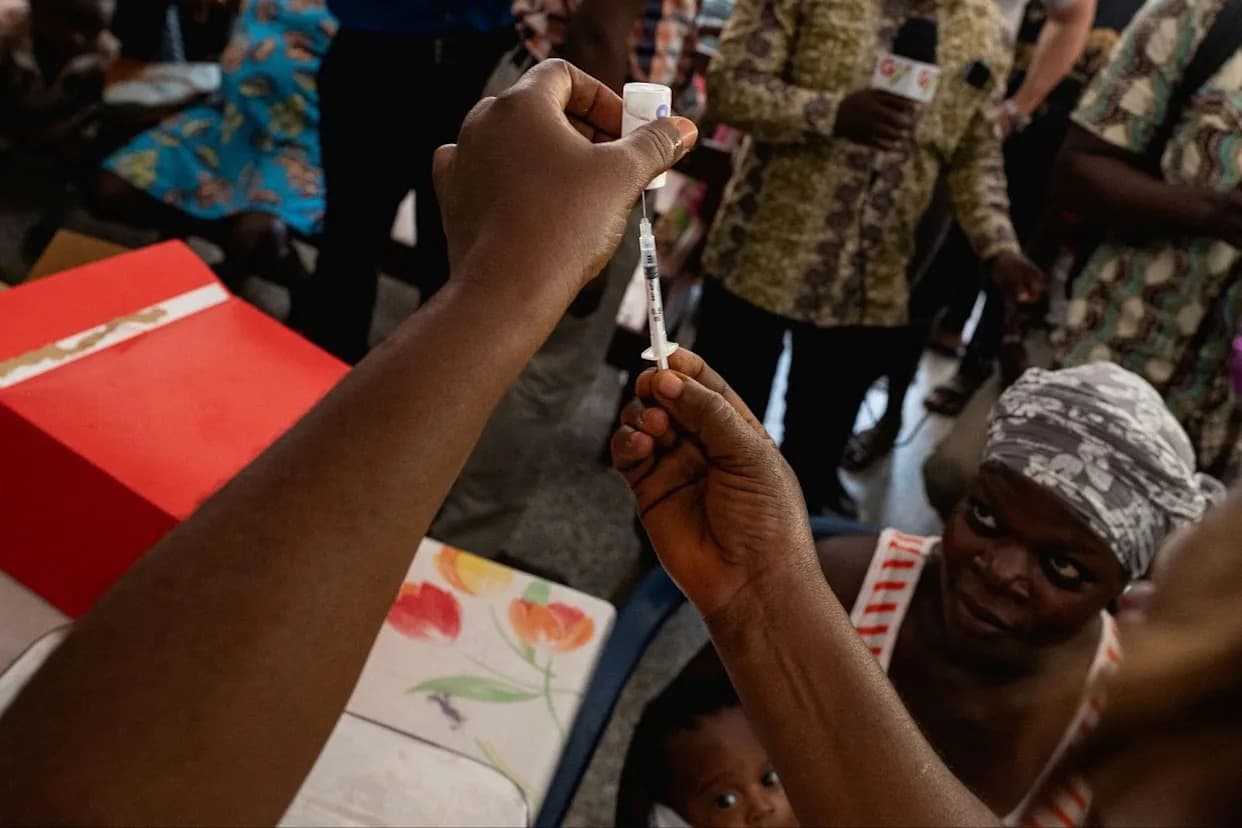
The foundation — one of the world’s largest philanthropies — will devote at least 70% of its funding over the next 20 years to two core goals: ending preventable maternal and child deaths and controlling major infectious diseases. A third priority, focused on poverty, will split efforts between U.S. education initiatives and agricultural programs in lower-income countries.
What’s Changing — And What’s Staying
Suzman said the foundation will not take on new priorities and is actively narrowing its strategy around three "North Star" goals. In May, Bill Gates announced the foundation would close in 20 years, accelerating an earlier timetable for winding down operations.
The foundation will continue vigorous advocacy to persuade donor countries to sustain or restore global health funding, while acknowledging that public budgets and aid levels are unlikely to return fully to their pandemic-era peaks. Suzman noted that heavy debt burdens in many low- and middle-income countries also constrain public health spending, but he added: “Priorities can shift. Debt can be restructured. Generosity can return.”
Programs To Be Wound Down
The update names several program changes:
- Phasing out a digital financial services program in sub-Saharan Africa and South Asia, which the foundation believes is on track to meet broader financial inclusion goals by 2030.
- Ending a U.S.-focused economic mobility initiative launched in 2022 with a $460 million commitment. That program sought to help 50 million Americans earning up to 200% of the poverty level but had not been assessed against that numeric target when the foundation announced the change.
Economic-mobility work will continue in altered form through partnerships — notably an initiative to develop AI tools for frontline workers announced in July.
Funding, Operations And Staffing
For the next five years the foundation expects to hold annual spending steady at $9 billion regardless of market fluctuations, Suzman said, after which it plans to increase spending to fulfill Bill Gates’ commitment to deploy most of his fortune through the foundation by 2045. The foundation also plans to cap operating expenses at 14% of its annual budget and anticipates a reduction in workforce by 2030.
Suzman emphasized that the program adjustments were planned before the release of U.S. government files referencing Jeffrey Epstein that included unverified claims about Gates; the foundation called those claims unsubstantiated and false.
Betting On AI To Amplify Results
The foundation is placing an explicit bet on artificial intelligence to accelerate results in U.S. education, agriculture, and primary health care. In January it announced a $50 million partnership with OpenAI’s for-profit subsidiary to explore ways AI might extend the reach of health workers in Rwanda and potentially other countries. The foundation requires that products developed with corporate partners be offered to poorer countries without price markups and favors interoperable, open-source approaches to avoid vendor lock-in.
“Wherever possible, we’re looking for things that are going to be interoperable and open source to allow for these very new public goods,” Suzman said.
Experts urge local control, trust-building and close adaptation. John Halamka, president of the Mayo Clinic Platform, said such efforts must empower local authorities to tailor AI models for their populations and ensure interventions meet patients at their level of comfort and trust.
Context And Next Steps
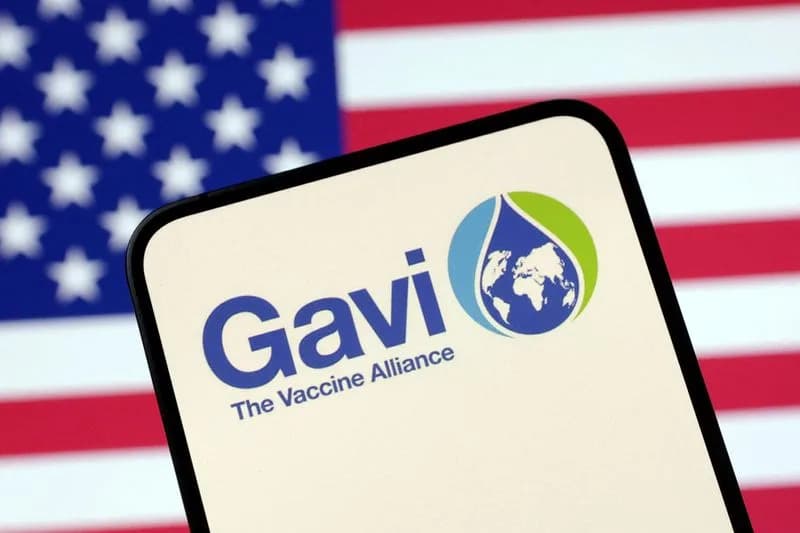
The U.S. has historically been the largest national funder of global health, but this year Washington declined to fund Gavi, the vaccine alliance, while pledging support to the Global Fund to Fight AIDS, Tuberculosis and Malaria. Suzman said the foundation has not lost hope that the U.S. will re-engage over the medium and longer term as a champion of global health and that the foundation will continue public campaigns focused on saving the lives of pregnant women and young children.
Overall, the update describes a foundation refocusing resources on high-impact goals, seeking to blend advocacy, partnerships and new technologies to protect and extend gains in global health as external funding pressures persist.
Help us improve.