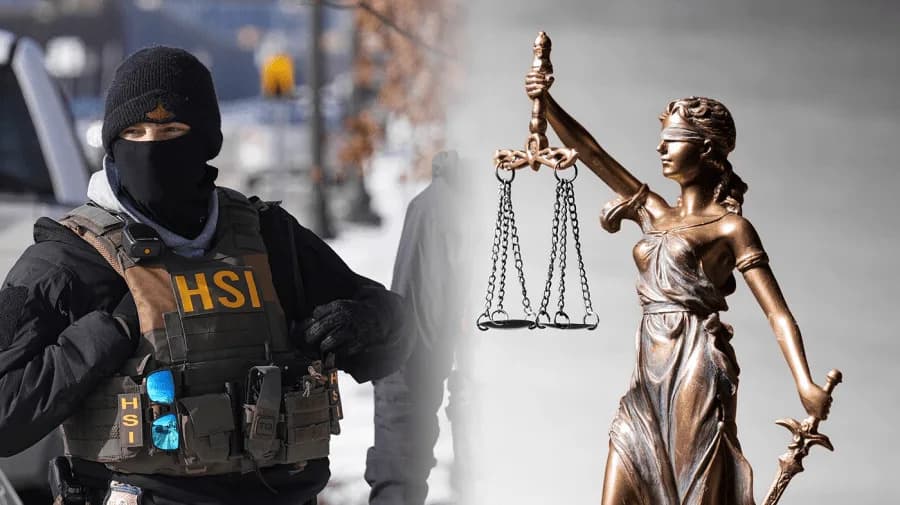
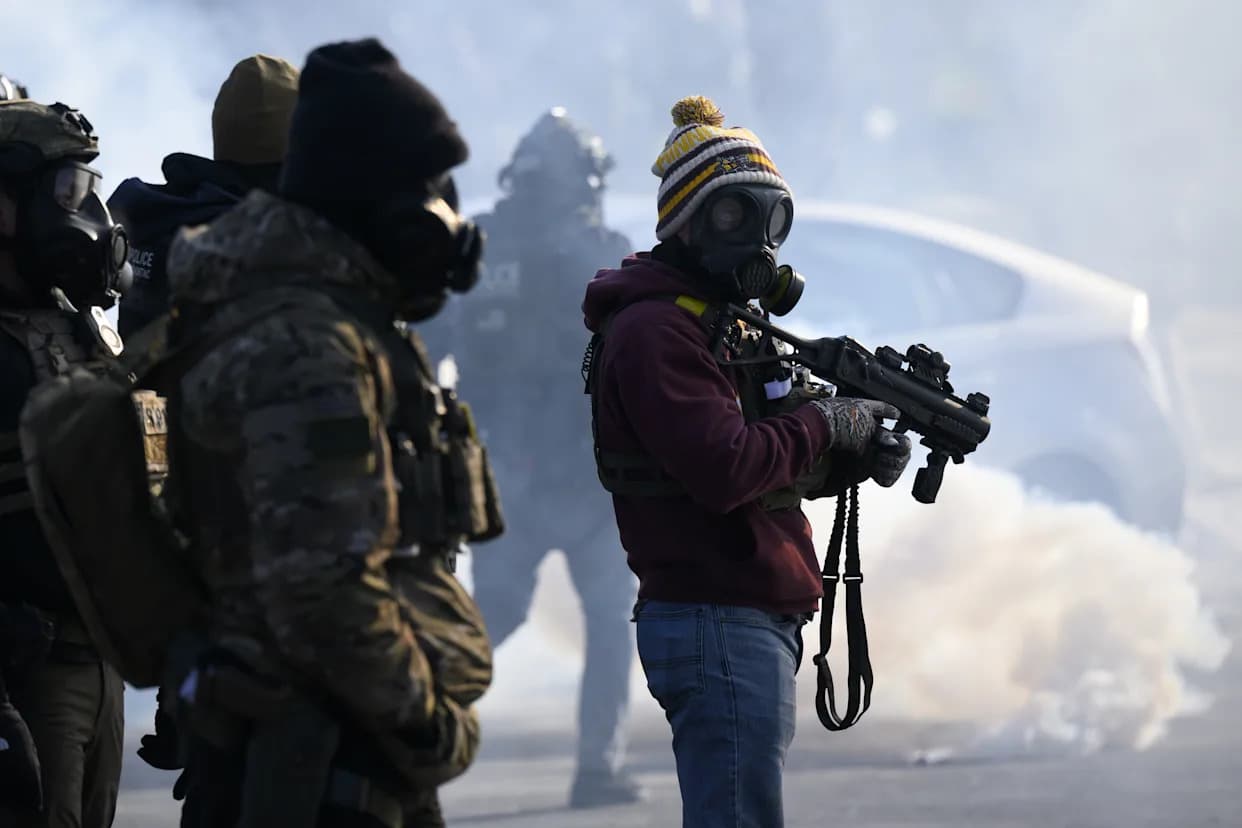
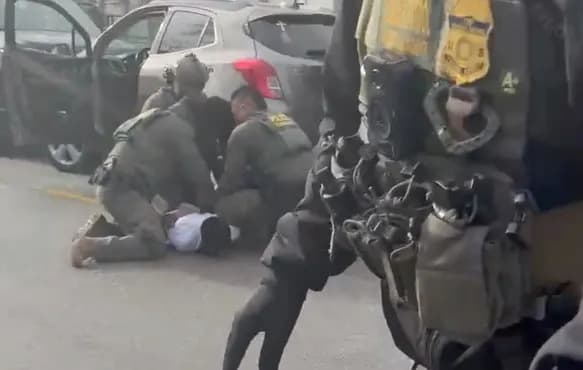
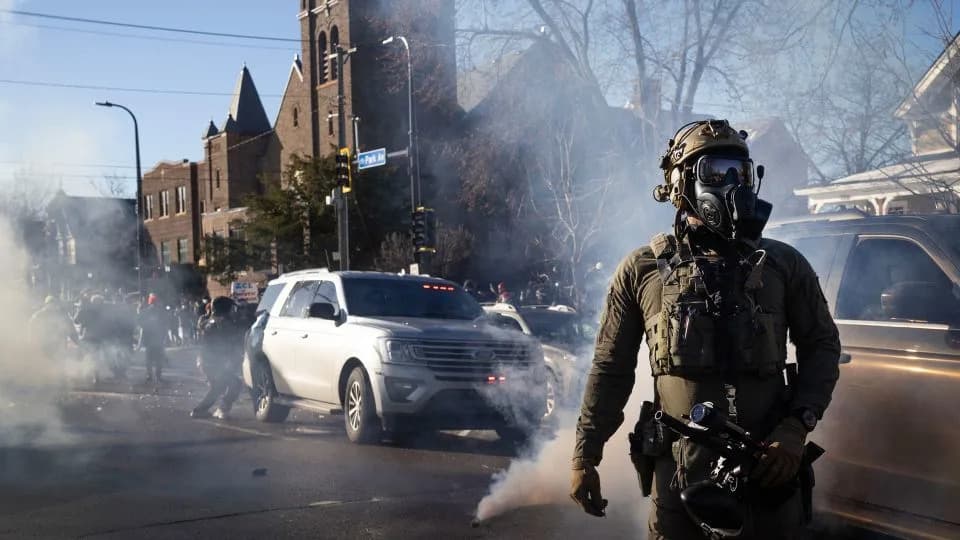
The Supreme Court has sharply limited the ability to sue federal officers personally, but the Federal Tort Claims Act (FTCA) allows victims of ICE misconduct to seek damages from the United States. FTCA suits can secure financial relief, force disclosure through discovery, and exert pressure on an already strained Department of Justice. Though procedurally complex and subject to exceptions, FTCA litigation remains a vital route to compensation, transparency, and accountability.
It’s Tough To Sue Federal Officers — But The FTCA Gives ICE Victims a Path to Justice
It’s tough to sue federal officers — but there is a path for victims of ICE’s abuse
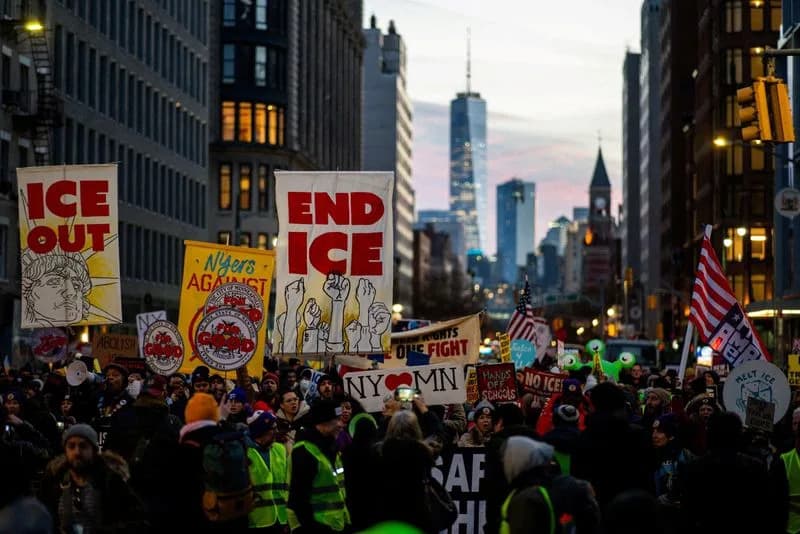
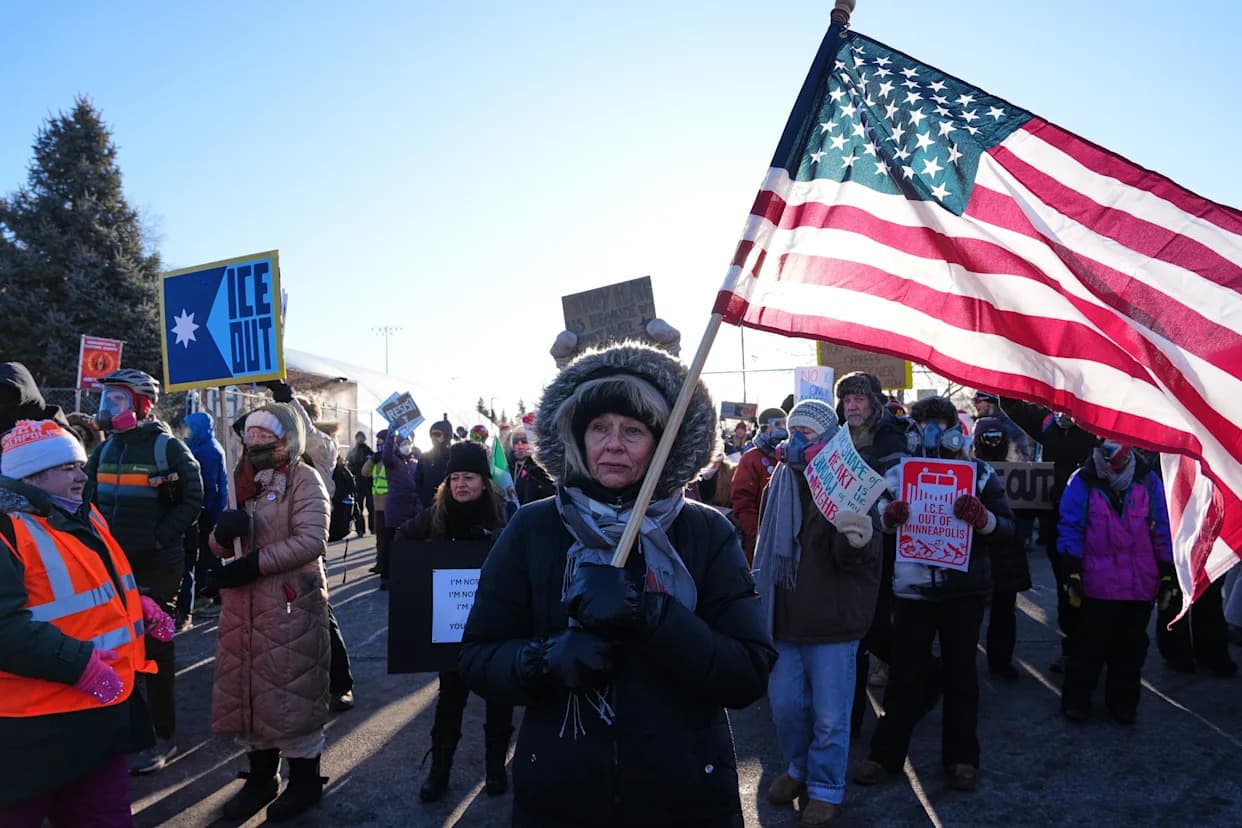
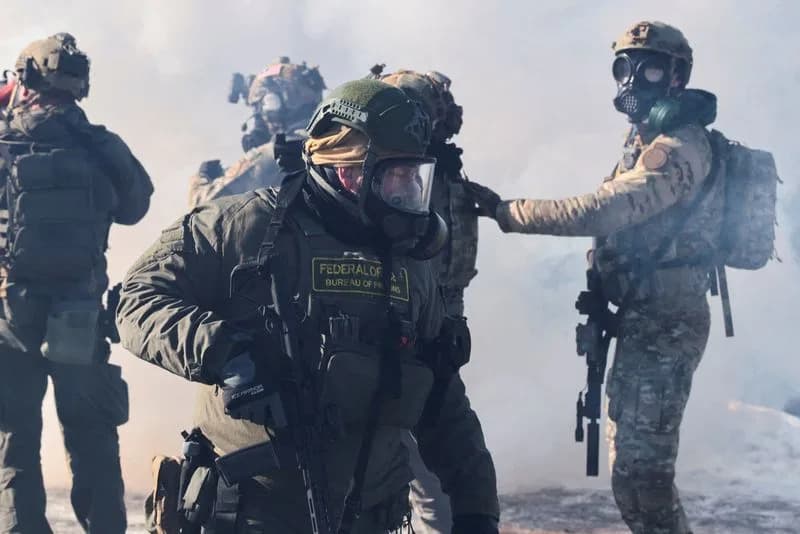
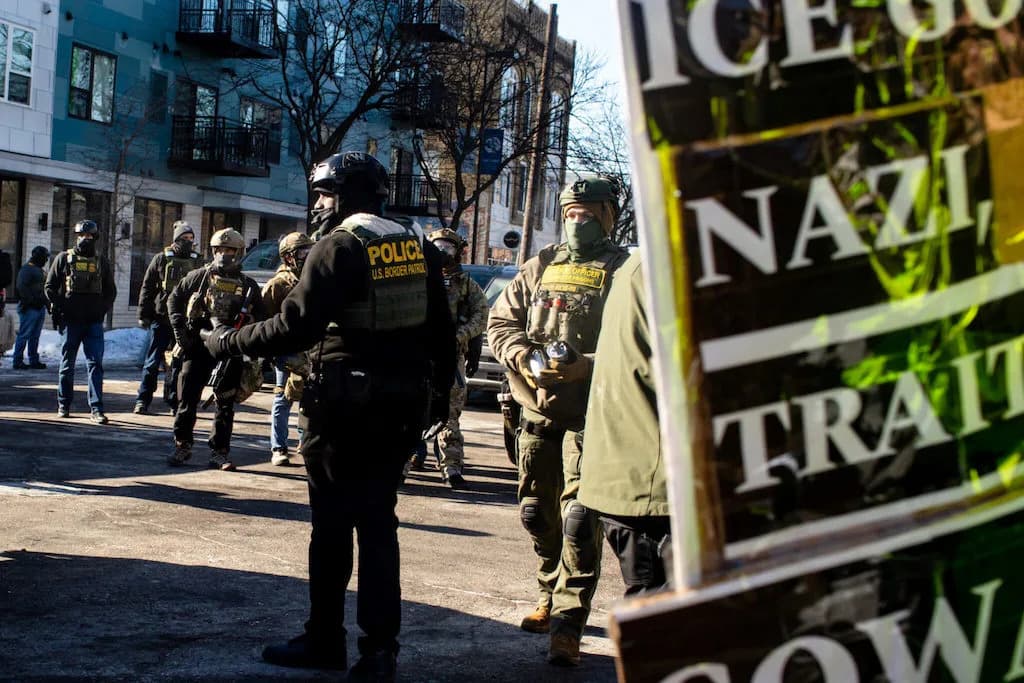
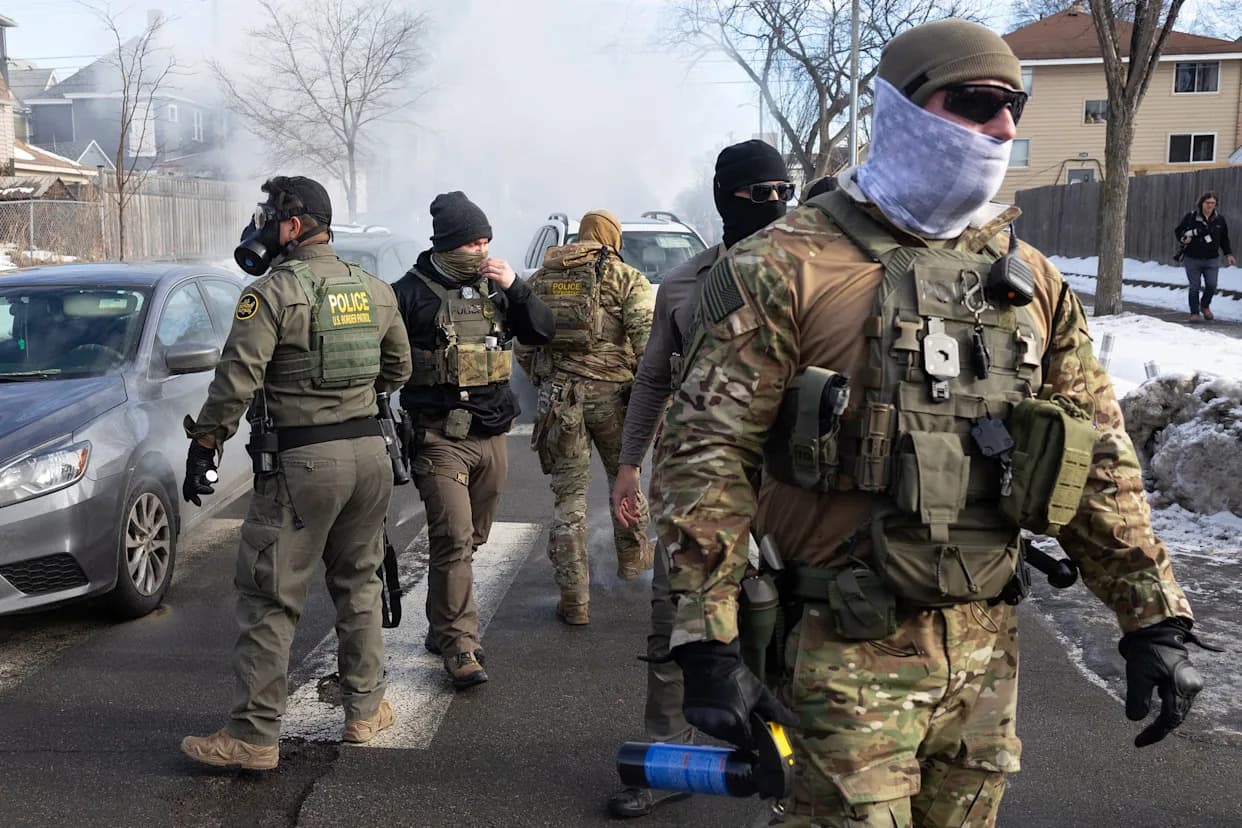
In the weeks after Immigration and Customs Enforcement (ICE) officer Jonathan Ross shot and killed Renee Macklin Good in Minneapolis, and after federal officers shot and killed Alex Pretti during nearby protests, many observers have asked whether anyone can hold ICE or its agents accountable. Federal prosecutors declined to open a criminal probe into Good’s death, and the Department of Justice announced it would not pursue a civil‑rights investigation into Pretti’s killing. Local prosecutors face constitutional obstacles tied to the Supremacy Clause, and public and congressional pressure has offered limited leverage over ICE operations.
Why Suing Federal Officers Is So Hard
Suing individual federal officers for constitutional violations has become increasingly difficult. The Supreme Court’s decision in Egbert v. Boule (2022) dramatically narrowed the Bivens doctrine—the limited federal cause of action that once allowed victims to sue officers personally for constitutional harms. Qualified immunity remains a powerful defense in many cases, and Bivens claims are now rarely available against federal agents.
The Federal Tort Claims Act (FTCA) As An Alternative
Although suing officers in their personal capacity is often blocked, victims can pursue claims against the United States under the Federal Tort Claims Act (FTCA). The FTCA permits people who were injured, wrongfully detained, or whose property was damaged by federal employees to seek monetary damages from the government. Important examples show this route can succeed: civil‑rights attorney Joseph McMullen, a member of the National Police Accountability Project (NPAP), obtained a court judgment that required the government to pay more than $1 million after border agents detained minor U.S. citizens for roughly 30 hours. NPAP members have also won multimillion‑dollar recoveries in family‑separation litigation.
What FTCA Lawsuits Can Achieve
Compensation and stability: Monetary awards can replace lost income, pay medical and counseling bills, and provide families with financial security after injury or death.
Transparency through discovery: FTCA litigation opens civil discovery, which can compel internal documents, reports, and testimony that are otherwise shielded from public view—revealing how ICE and other agencies operate and whether internal probes were properly conducted.
Systemic pressure: While a few lawsuits won’t end federal enforcement practices, a steady stream of meritorious FTCA claims can create administrative and political pressure. The Department of Justice, which handles these cases for the government, is already strained by staffing gaps and reorganization; a surge of civil suits could amplify oversight and accountability.
Important Legal Limits
FTCA litigation is not a panacea. The statute contains exceptions and procedural requirements—most notably the discretionary‑function exception, which can bar claims based on policy or planning decisions. Plaintiffs must also comply with administrative notice rules and filing deadlines. Moreover, FTCA suits are against the United States, not individual officers, so they do not always provide the same personal accountability as criminal prosecutions or successful Bivens claims.
Why These Cases Still Matter
Lawsuits matter to victims and communities. They can secure financial relief for families like Renee Good’s and Keith Porter Jr.’s, who lost essential income and caregiving due to fatal encounters with law enforcement. They can reveal the facts behind controversial incidents, provide a public record of agency conduct, and help build political momentum for reform. Even when litigation does not change policy immediately, it can empower survivors, support advocacy, and force answers that would otherwise remain hidden.
How Lawyers And Advocates Can Help
Successful FTCA litigation requires skilled counsel familiar with federal procedure, administrative prerequisites, and the FTCA’s exceptions. Advocates can also combine litigation with public‑records efforts, legislative pressure, and community organizing to multiply the impact of a single case.
Conclusion: Suing federal officers personally for constitutional violations is now much harder than it once was, but the FTCA provides a meaningful, if imperfect, legal path to compensation, transparency, and pressure for accountability. These claims are complex and limited, yet they remain one of the most effective tools victims have to make the federal government answer for harm caused by ICE and other federal actors.
Help us improve.