The family of Renee Good has hired Romanucci & Blandin — the lawyers who represented George Floyd’s family — after federal probes into ICE agent Jonathan Ross were reportedly curtailed following Good’s January 7, 2026, death. Attorneys sent preservation letters and warned they expect to sue, but legal claims against the federal government under the Federal Tort Claims Act are procedurally complex and delay discovery. FTCA actions are filed in federal court without a jury, and alternative civil-rights suits against federal officers are difficult to win. The family’s main goal is to secure all evidence and a full accounting of the shooting.
George Floyd Lawyers Represent Renee Good’s Family as Federal Legal Hurdles Loom
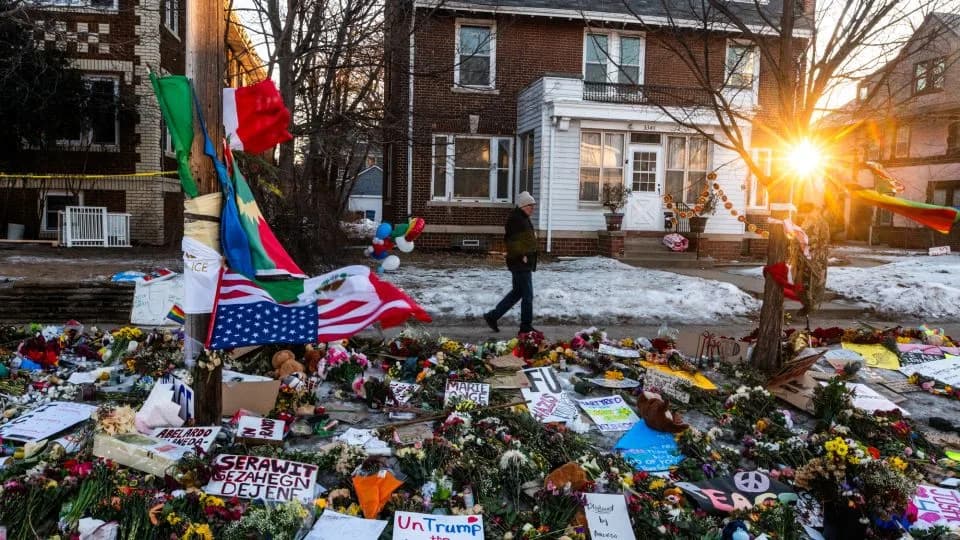
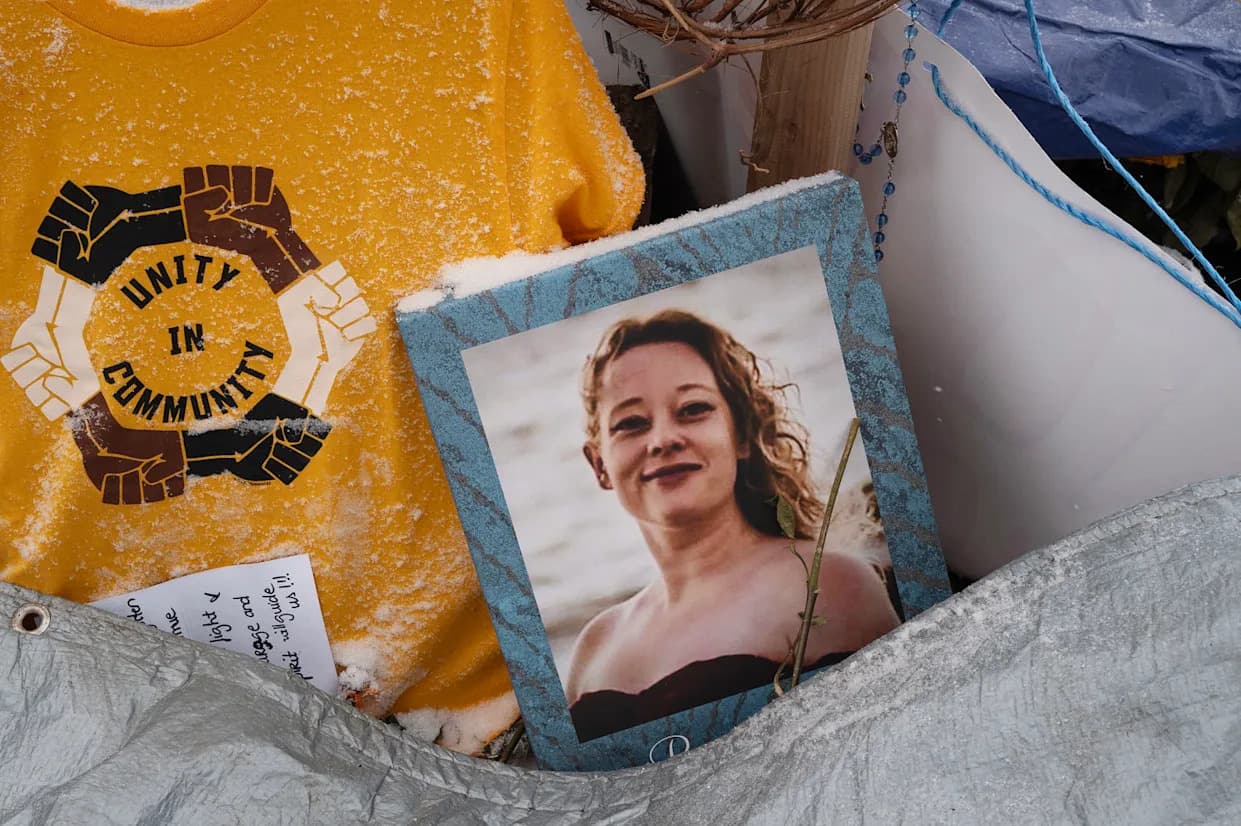
A man on January 14 visits a memorial for Renee Good at the site where she was killed earlier that month in Minneapolis. - Stephen Maturen/Getty Images
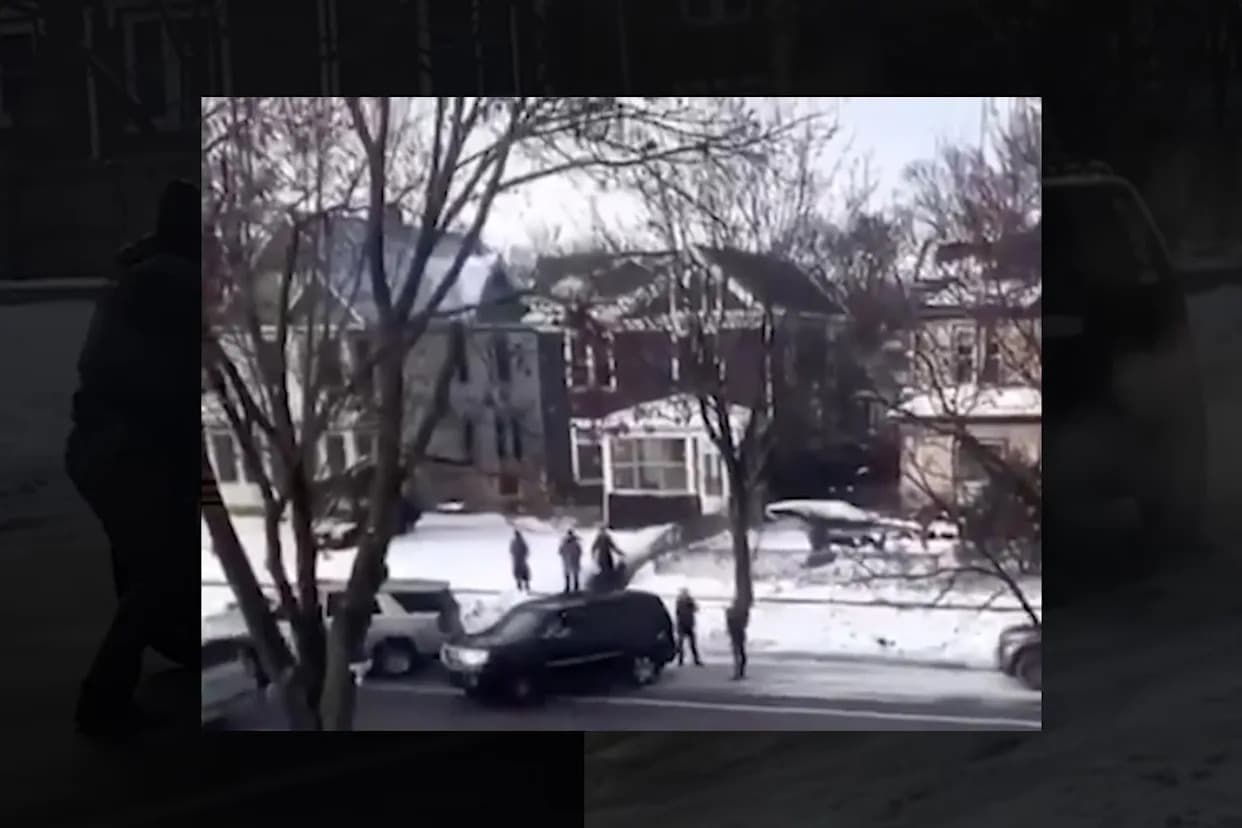
The body of Renee Good had not yet been returned to her family when the Trump administration publicly described her killing by an Immigration and Customs Enforcement (ICE) agent as an "act of domestic terrorism." Sources later told CNN that the Justice Department halted its investigation into the agent and that federal officials refused to share evidence with local investigators.
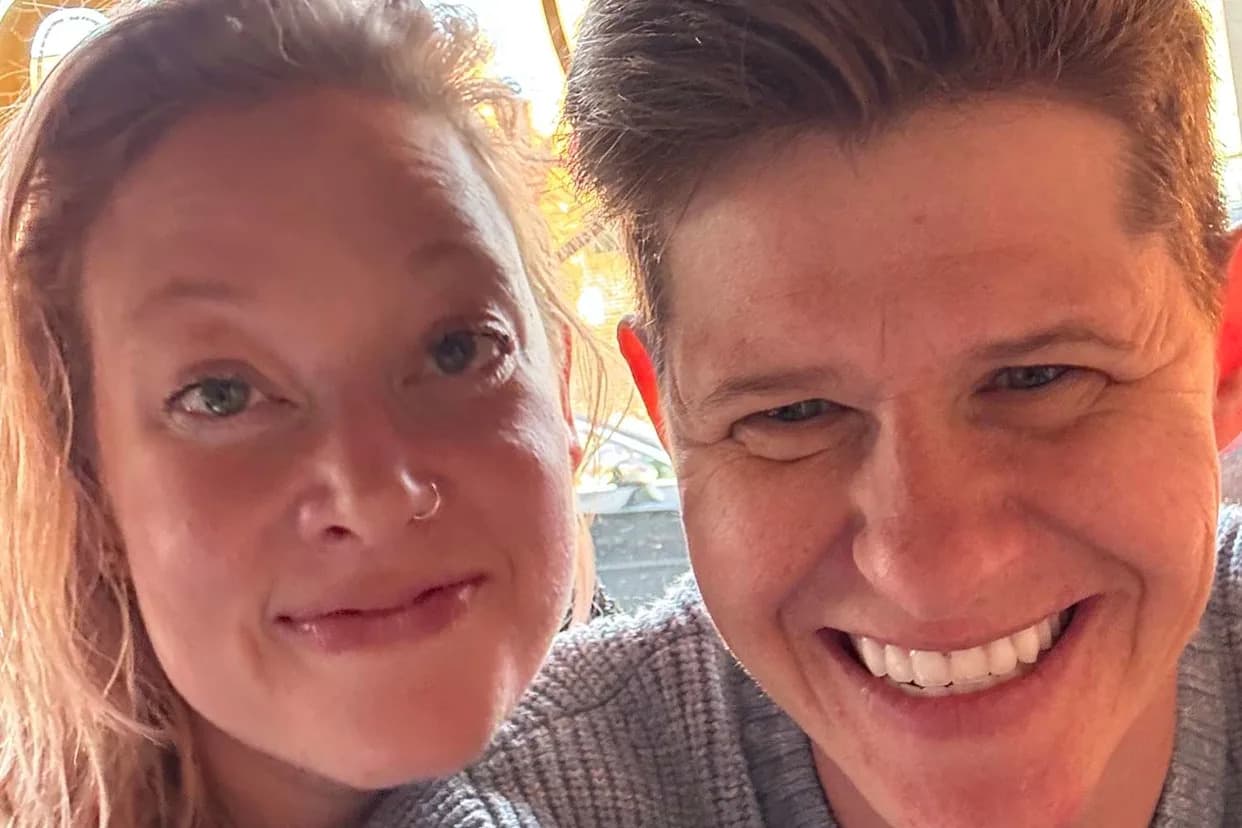
With limited transparency from federal authorities, Good’s family — including her partner, Becca — retained Romanucci & Blandin, the Chicago firm that represented George Floyd’s family in the civil wrongful-death suit over Floyd’s 2020 killing under the knee of officer Derek Chauvin.
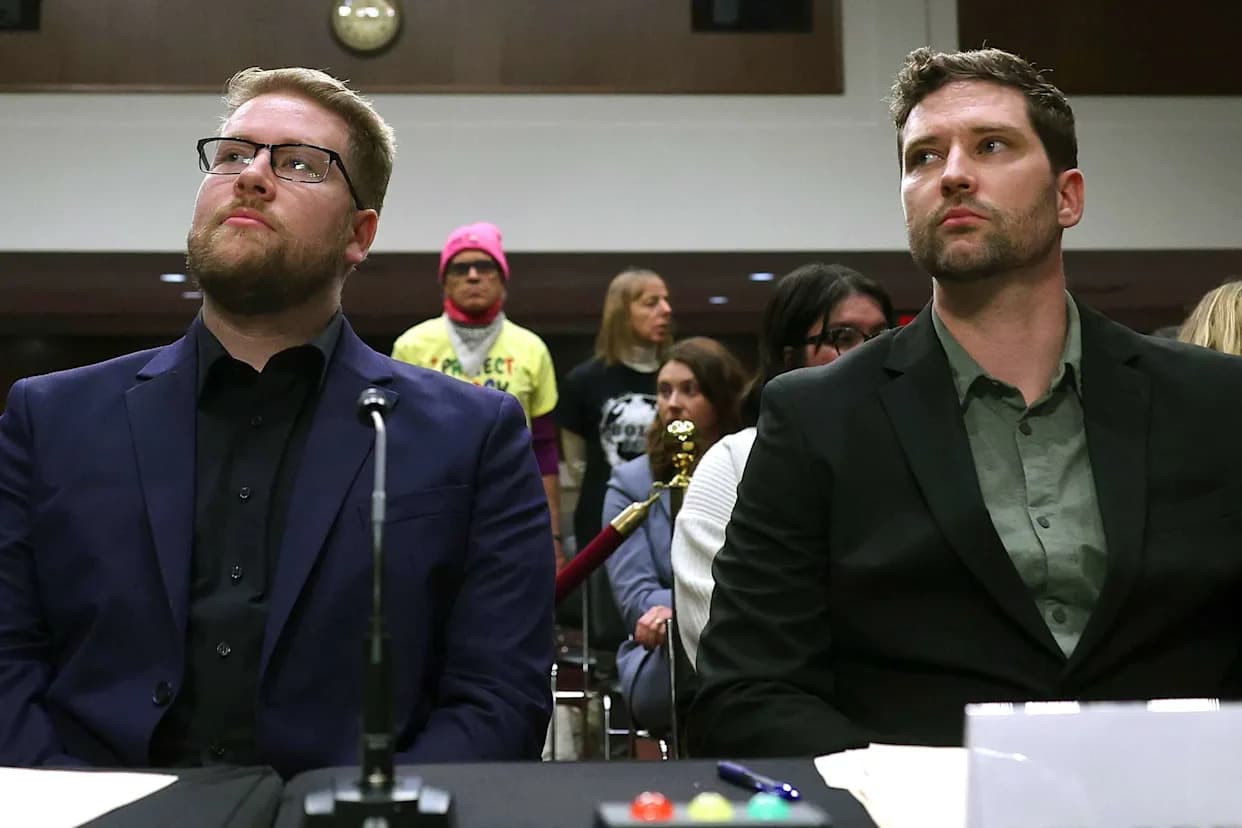
“The community is not receiving transparency about this case elsewhere, so our team will provide that to the country,” said the firm when announcing its involvement. Family attorney Antonio Romanucci told reporters the team will seek the full context of the encounter — not just the widely shared video but also evidence of intent and contemporaneous practices.
This month the attorneys sent preservation-and-notice letters to federal agencies tied to the January 7, 2026, shooting, saying they "anticipate bringing legal action" over alleged excessive force and negligence. One letter was reportedly hand-delivered to the home of ICE agent Jonathan Ross, who fired the shots that killed Good.
Why Suing the Federal Government Is More Difficult
Romanucci acknowledges that taking on the federal government is a steeper legal climb than suing a city. For most of U.S. history, citizens could not sue the United States directly for harm caused by government employees; that changed with the Federal Tort Claims Act (FTCA) in 1946, which provides a statutory path for compensation.
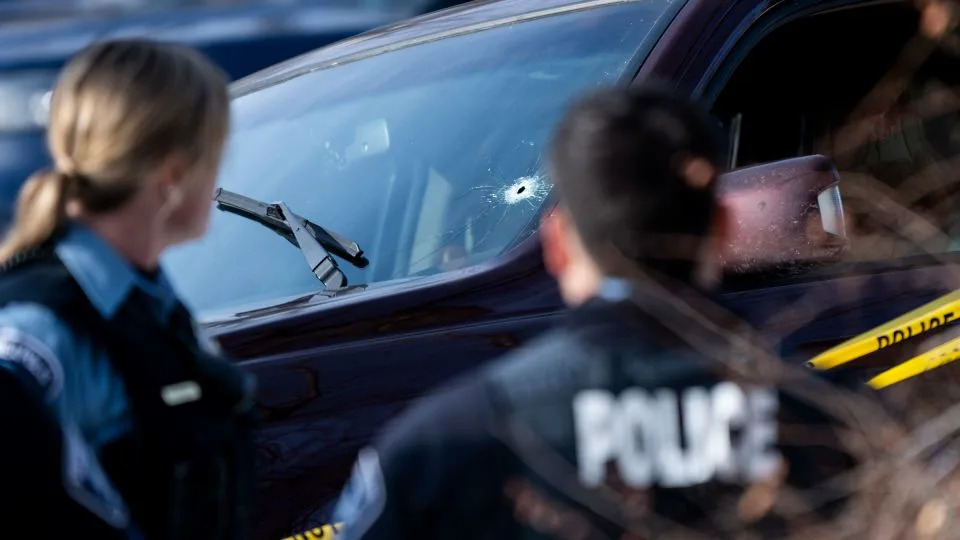
A bullet hole is seen January 7 in the windshield of the vehicle Renee Good had been driving when she was shot in Minneapolis. - Stephen Maturen/Getty Images
But the FTCA imposes special procedural hurdles. Plaintiffs must first file an administrative claim with the relevant federal agency and wait — a process that can take up to six months — before they may file a lawsuit in federal court. That delay also postpones discovery, the critical phase in which lawyers obtain evidence from the government.
In their letters, the Good family’s lawyers asked federal agencies to preserve a long list of materials, including data and items from the vehicle Good was driving, records of any injuries agent Ross sustained after the shooting, and statements Ross made about his use of force and about protesters at the scene. Romanucci has emphasized that evidence showing positioning, timing and intent will be vital to any legal case.
Legal Limits And Alternatives
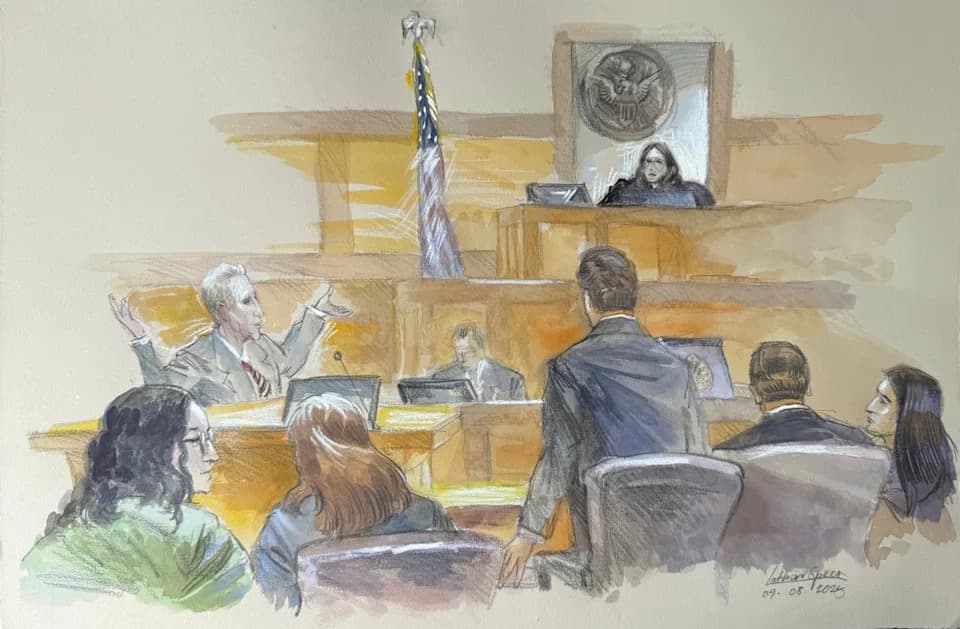
FTCA suits must be filed in federal court and do not carry a right to a jury trial — unlike many state-law wrongful-death suits against municipalities. Under the FTCA, defenses available under state law may be asserted by the United States, including that an officer reasonably believed deadly force was necessary.
Victims can sometimes pursue separate civil-rights claims against federal officers under the narrow Bivens doctrine, but recent Supreme Court decisions and practical obstacles make Bivens actions difficult to win and often unrewarding financially for plaintiffs because individual officers seldom have substantial assets.
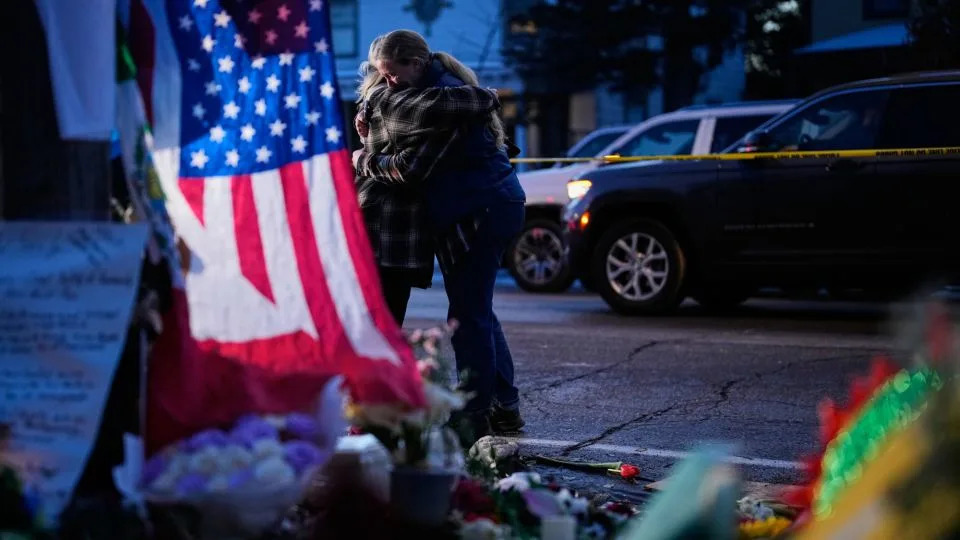
Monica Travis on January 12 shares an embrace while visiting a makeshift memorial for Renee Good in Minneapolis. - John Locher/AP
Romanucci and others also note that the civil-rights statute commonly used against state officials — the post–Civil War law that permits suits against state actors acting "under color of law" — does not apply to federal employees and therefore cannot be used against an ICE agent.
Political Signals And The Family’s Goal
The White House and Justice Department have signaled little appetite for a broad inquiry. Vice President J.D. Vance said at a White House briefing that Ross is "protected by absolute immunity" from criminal prosecution — a claim many legal scholars dispute. It was unclear whether he meant civil immunity as well, but the comment suggested the administration is unlikely to favor a large pre-litigation settlement that would require high-level Justice Department approval.
Despite these hurdles and recent court rulings that heightened protections for immigration officers, Romanucci says the family’s principal objective is to obtain all evidence and a complete accounting of what happened to Renee Good on January 7, 2026.
“People in Minneapolis and across this country truly, truly care about what happened to Renee Good,” Romanucci said, adding that the public deserves a full accounting of the circumstances that led to her death.
For more updates, see ongoing coverage from major news outlets as investigations and any potential litigation develop.
Help us improve.