The clerical regime in Iran may be nearing collapse after brutal crackdowns that reportedly killed 10,000–20,000 people and detained more than 10,000. Economic collapse, elite succession struggles, and widening public unrest have created openings for change. Crucially, China and Russia — long Tehran’s strategic partners — appear increasingly reluctant to risk major support, a factor that could hasten the regime’s unraveling.
Don’t Count on China or Russia to Rescue Iran — Their Support Is Waning
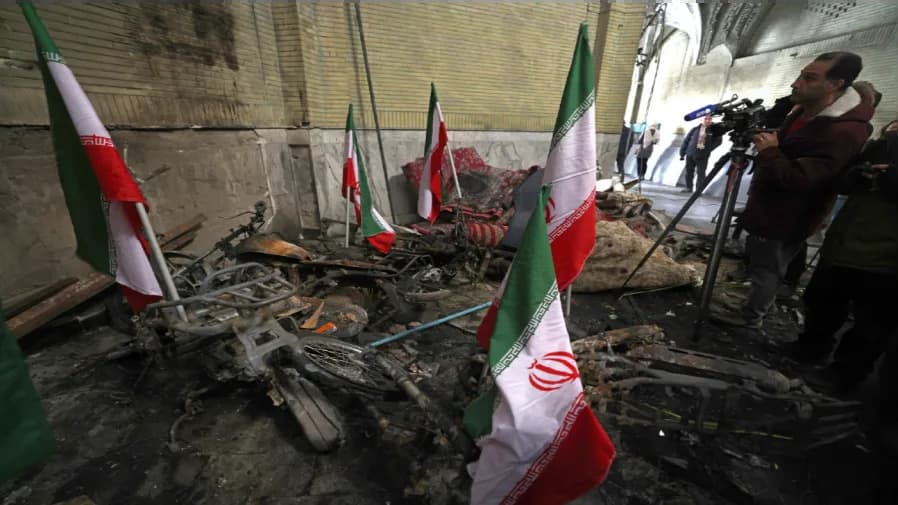
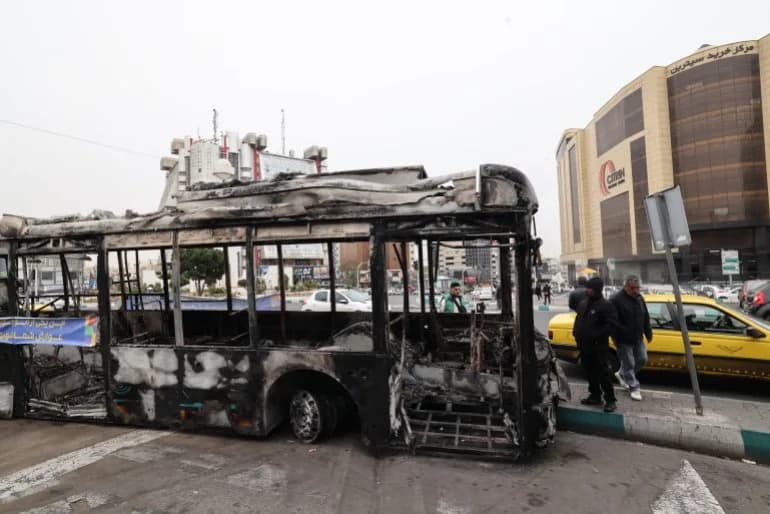
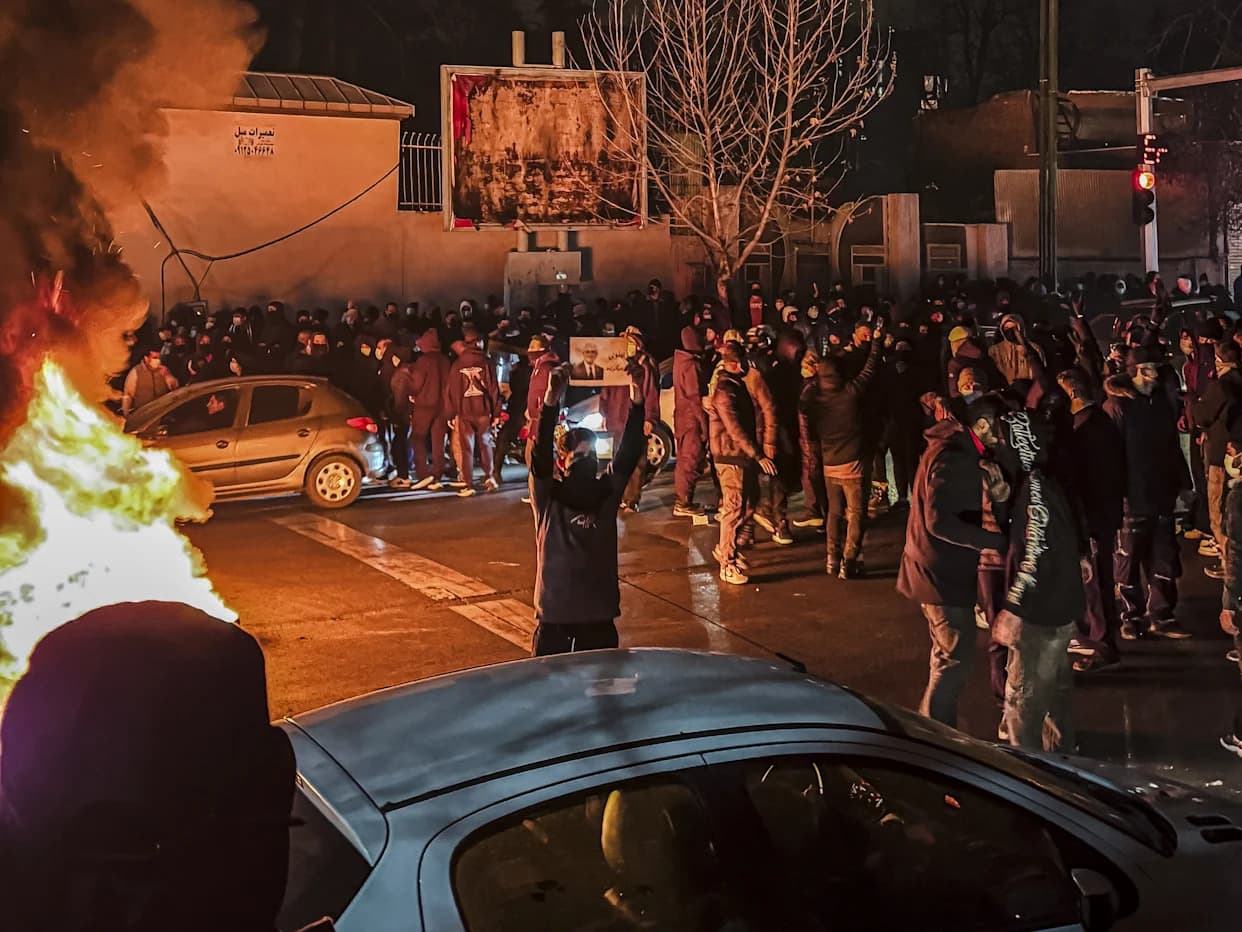
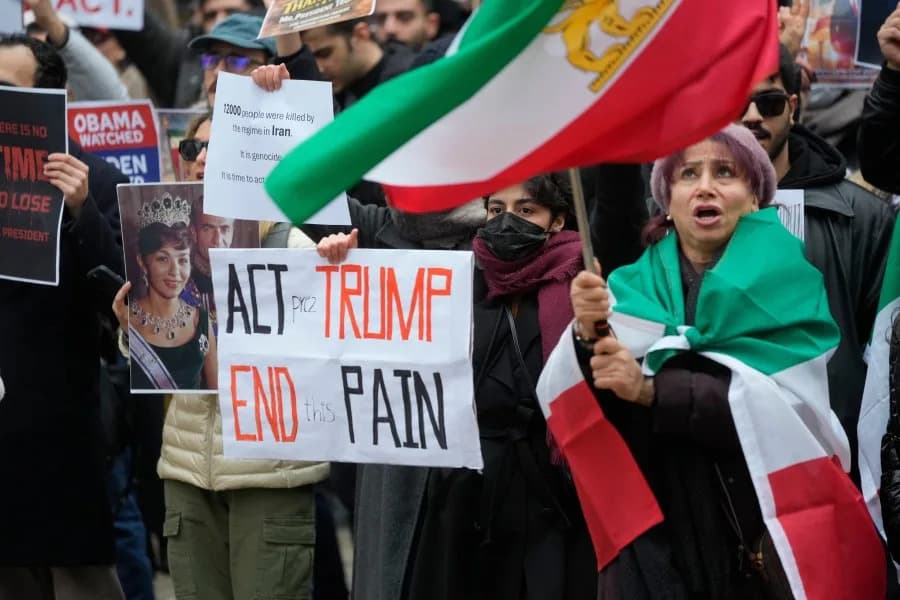
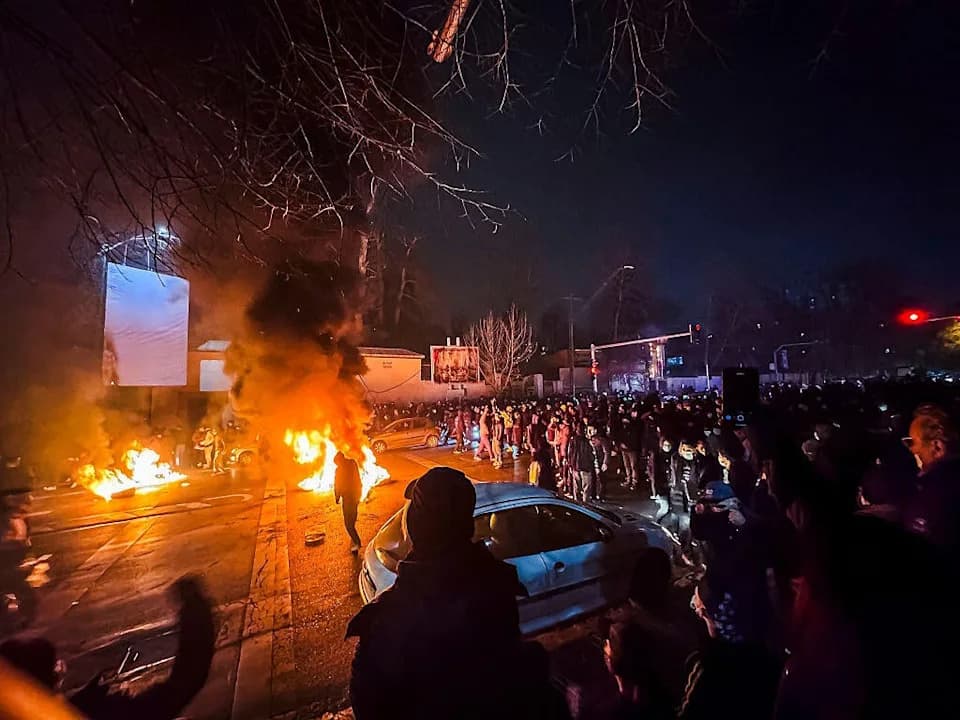
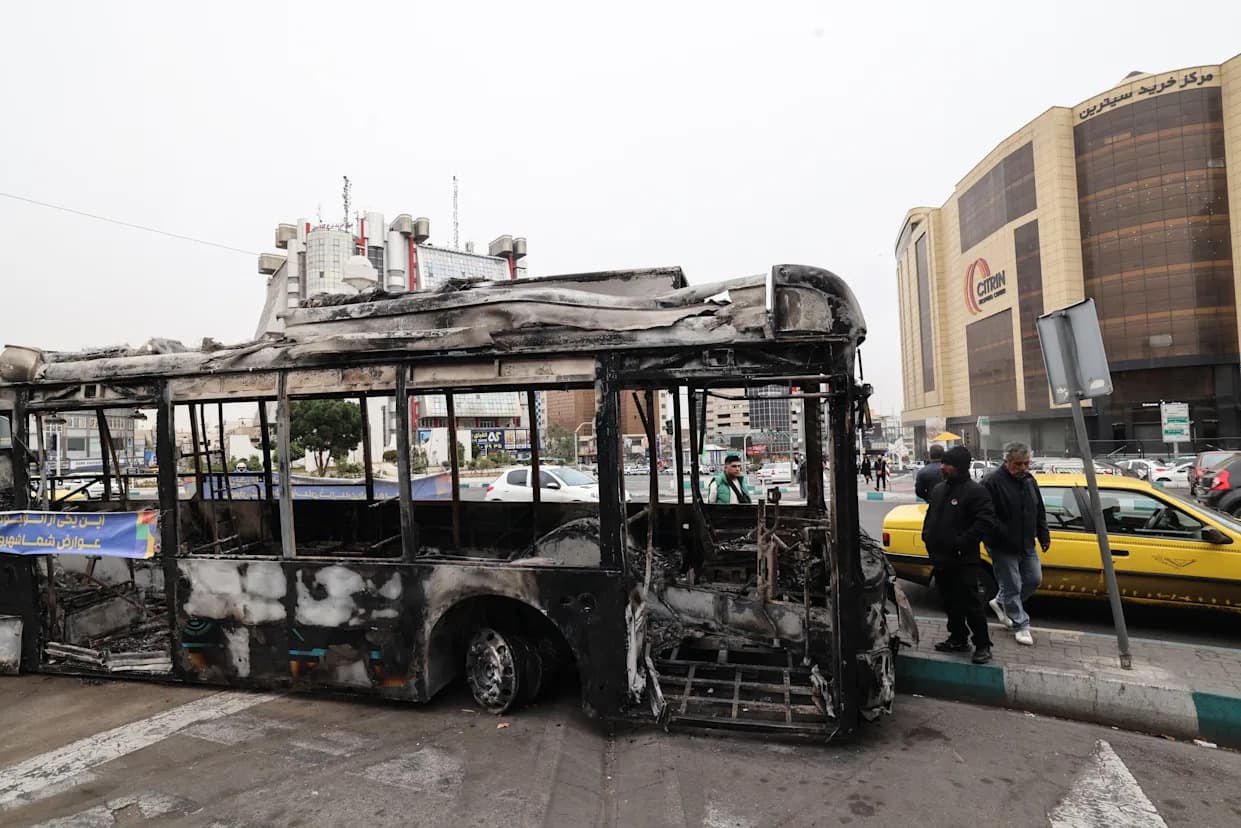
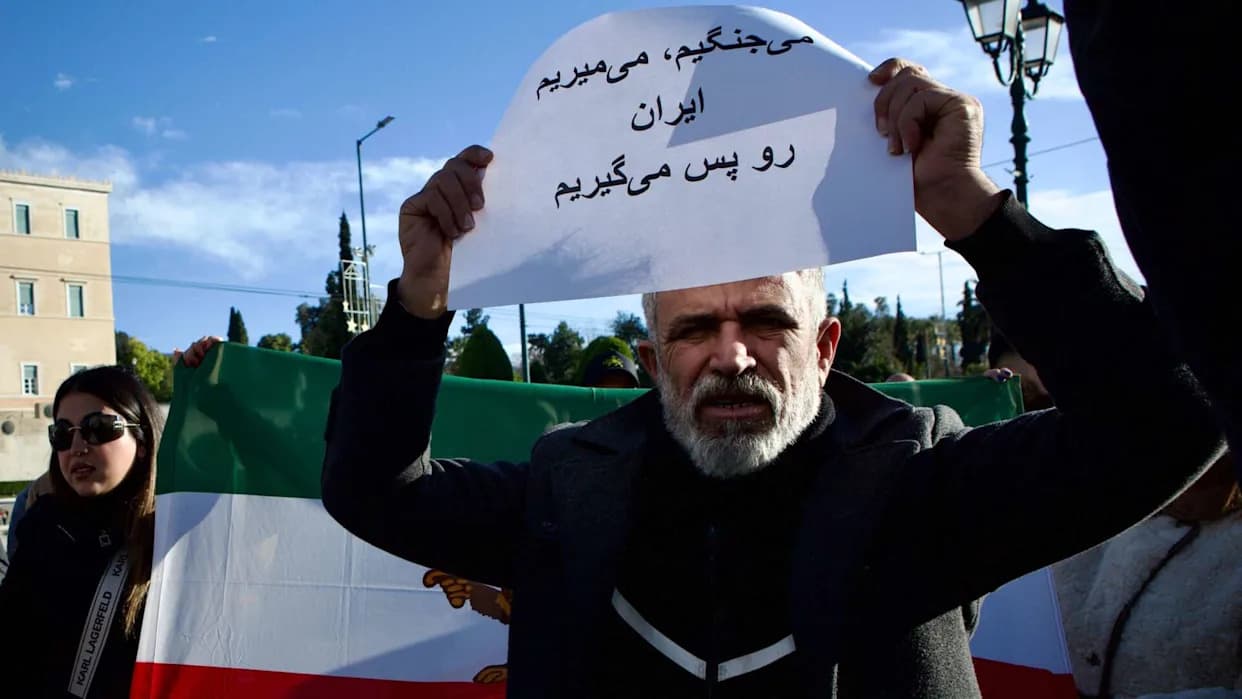
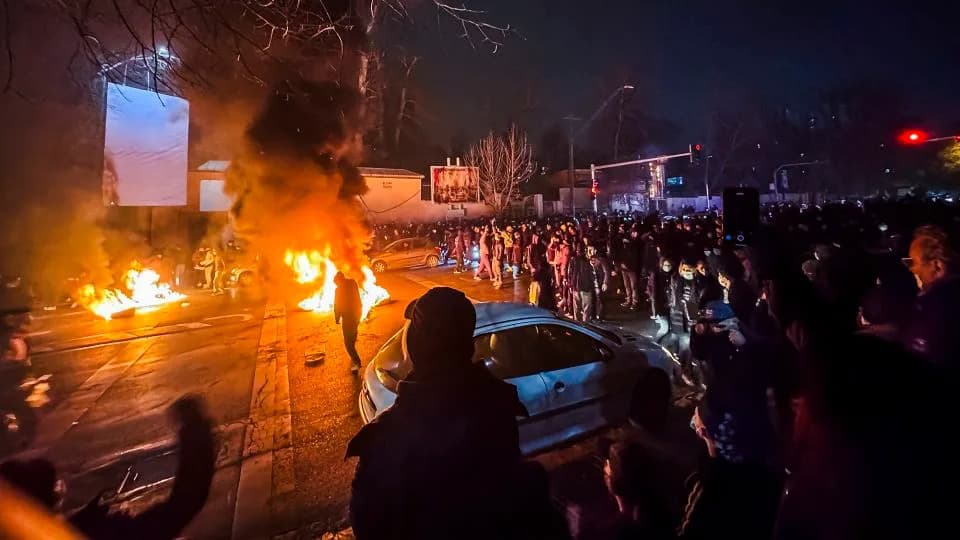
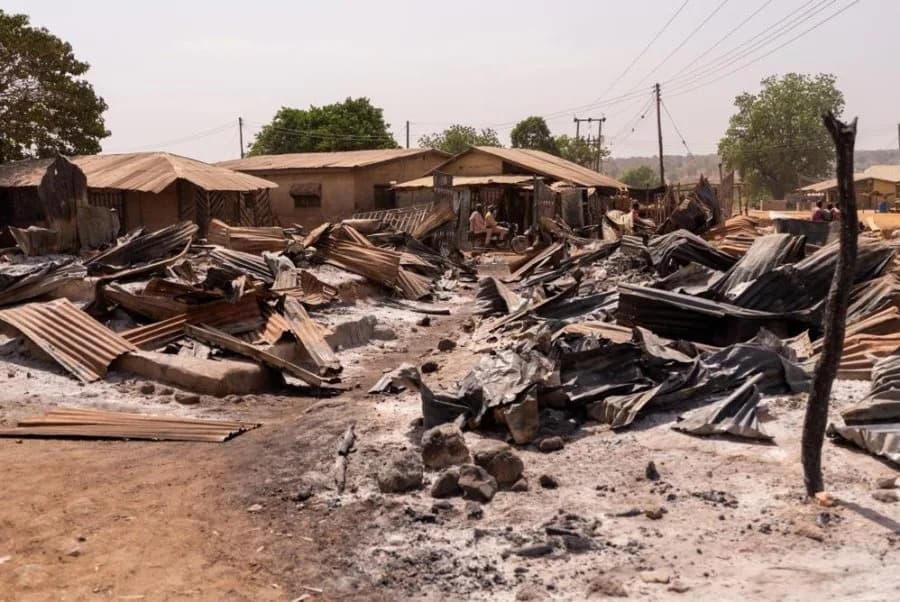
For decades analysts have predicted the end of Iran’s clerical regime. The latest wave of state violence — with reports estimating between 10,000 and 20,000 dead and more than 10,000 detained amid recent nationwide protests — suggests this moment may be different.
The clerical system now appears to be approaching an expiration date. A practical way to gauge how quickly change might come is to ask whether Tehran’s closest strategic backers, China and Russia, are prepared to prop up a faltering regime.
Allies, But Not Unconditional Backers
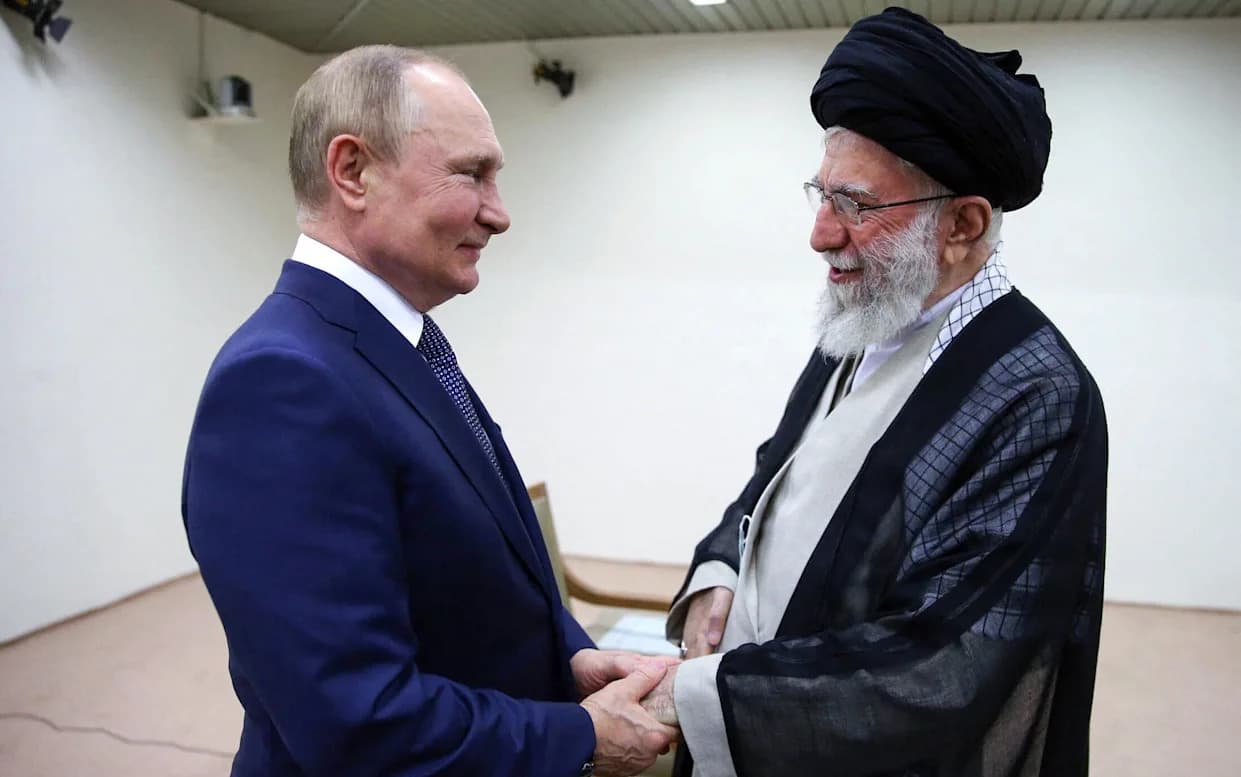
Until recently, Xi Jinping and Vladimir Putin found common cause with Tehran in checking U.S. influence across the Middle East and North Africa. That broad objective remains, but Iran’s deepening internal crisis is prompting Moscow and Beijing to hedge. Neither is likely to risk everything on what increasingly looks like a losing hand.
Domestic Fault Lines and Succession
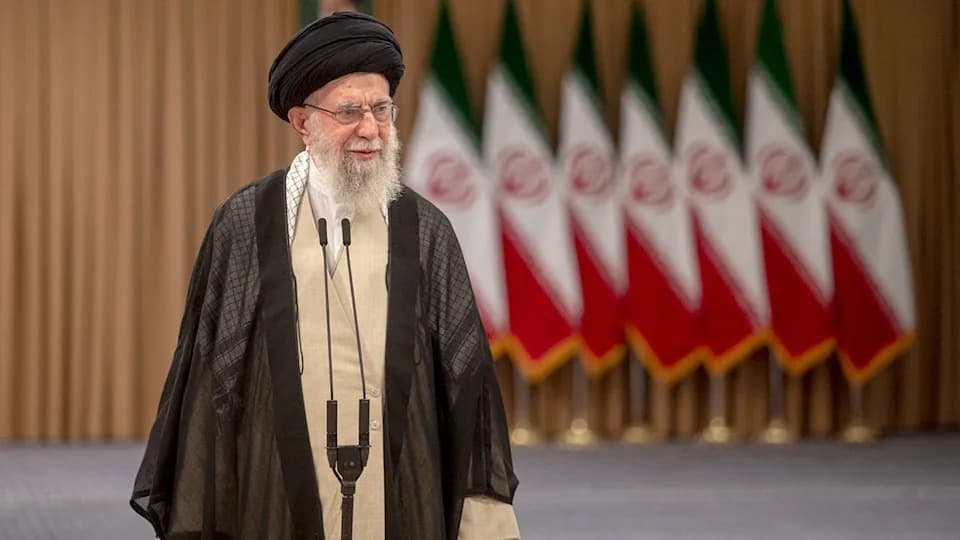
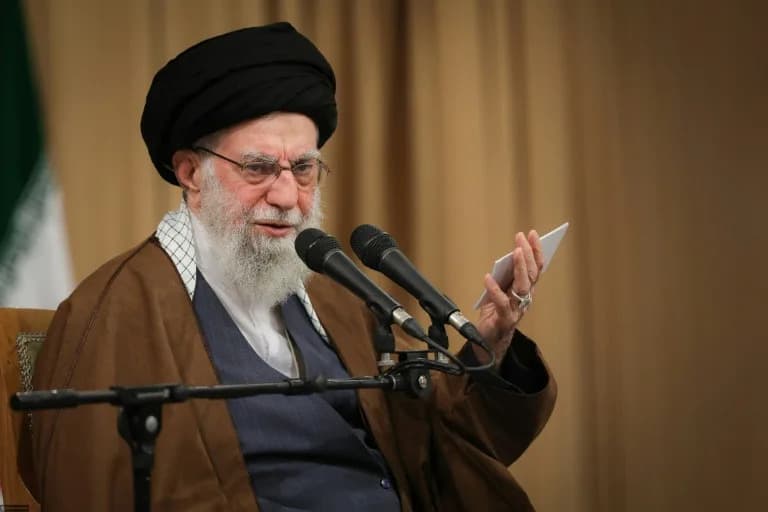
Inside Iran, succession planning is under way: Supreme Leader Ayatollah Ali Khamenei turns 87 in April, and elite competition for authority — among Revolutionary Guard commanders, senior clerics and technocrats — is accelerating. Those rivalries create openings that external actors and U.S. policymakers could try to exploit.
An Economy in Free Fall
The unrest that began in December followed mounting economic distress: hyperinflation, a collapsing rial (one U.S. dollar is reportedly worth well over one million rials), and soaring living costs pushed bazaar merchants and broad swaths of society into the streets. Despite brutal security crackdowns, protests have persisted and broadened across generations and regions.
Signs of Strain in Tehran’s International Partnerships
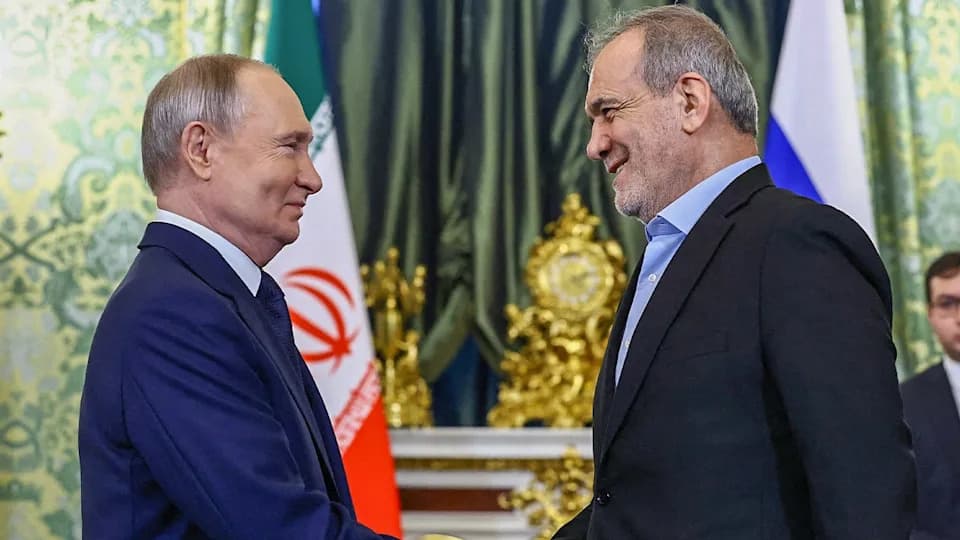
Over the past year, Beijing and Moscow worked to shield Iran from sanctions and to blunt criticism of Tehran’s nuclear program. For the moment, they still try to present a united front with Iran — but fissures are appearing.
All three countries initially planned to participate in the BRICS naval exercise "Will for Peace 2026" off South Africa, but Iran ultimately withdrew, reportedly at the urging of its great-power partners. Such diplomatic nudges suggest Russia and China are calculating how much exposure they want to accept.
China’s global priorities — including an expected high-level summit in Beijing and strategic concerns about Taiwan and broader spheres of influence — make it unlikely Beijing will jeopardize bigger goals to prop up a fracturing Iranian regime. Recent episodes have tested Sino-Iran ties: U.S. authorities intercepted a Chinese ship bound for Iran carrying conventional-weapons parts in November with little public protest from Beijing, and China’s backing of the United Arab Emirates’ claim to three Persian Gulf islands has irritated Tehran.
Moscow’s approach has also softened. Russia has relied on Iranian drones and missiles in Ukraine, purchasing nearly $3 billion in armaments since 2021, but Iranian stockpiles are finite and refurbishment depends on Chinese components now constrained by U.S. interdiction efforts. From Moscow’s perspective, Tehran is useful only while it can deliver tangible military value.
Measured Rhetoric, Tactical Hedging
During the recent protests Russia offered calibrated language: National Security Council secretary Sergei Shoigu condemned "foreign interference," echoing Tehran’s talking points, but he did not name the United States or Israel — a softer posture than Moscow’s more forceful public condemnations last summer. China’s public comments have been similarly muted, urging stability and expressing "hope" that Iran will "overcome the current difficulties."
These responses suggest both powers prefer to avoid overt entanglement in what increasingly looks like a domestic breakdown rather than a manageable geopolitical partnership.
What Comes Next
Whether external actors — including the United States — choose kinetic strikes or other measures, there are multiple paths that could accelerate the collapse of a repressive system that has inflicted immense harm on the Iranian people and destabilized the region. The central question is how willing Beijing and Moscow are to continue shielding Tehran as its internal cohesion frays. Their decisions will be a decisive variable in Iran’s trajectory.
Iulia Joja is a senior fellow at the Middle East Institute and an adjunct professor at Georgetown University and George Washington University.
Copyright 2026 Nexstar Media, Inc. All rights reserved.
Help us improve.