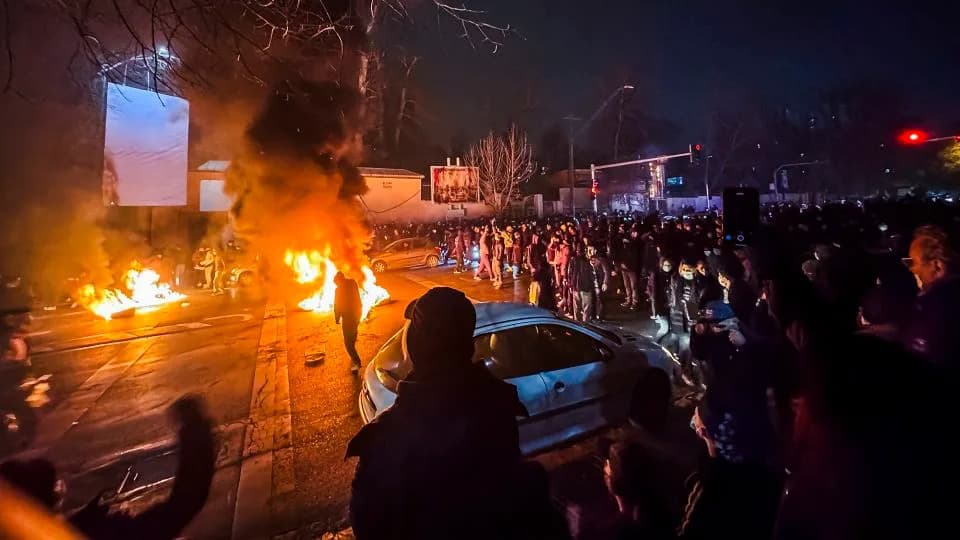
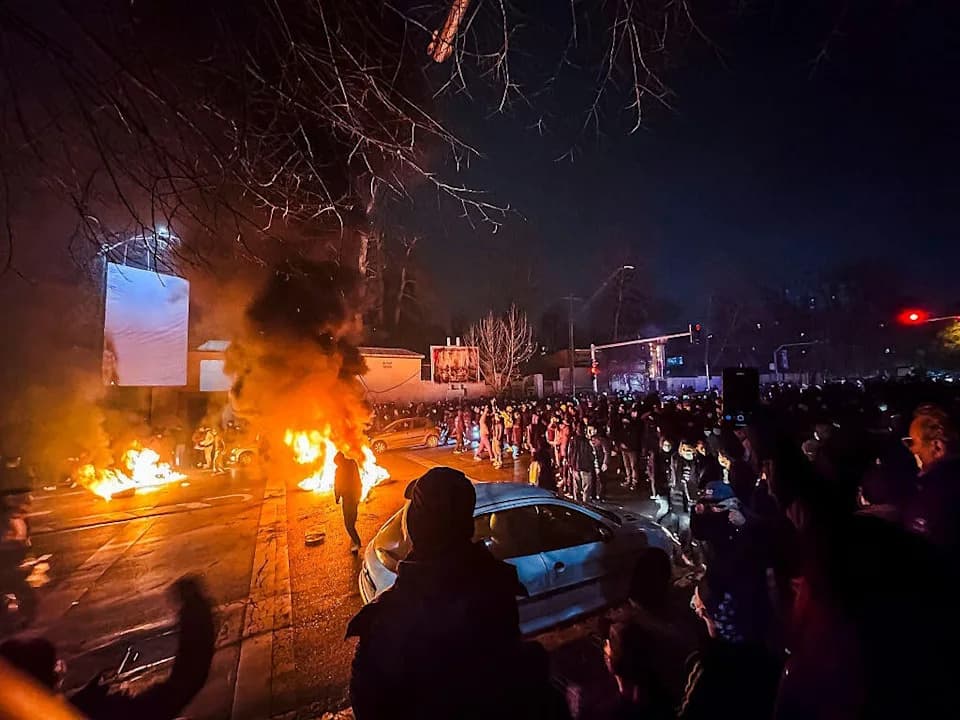
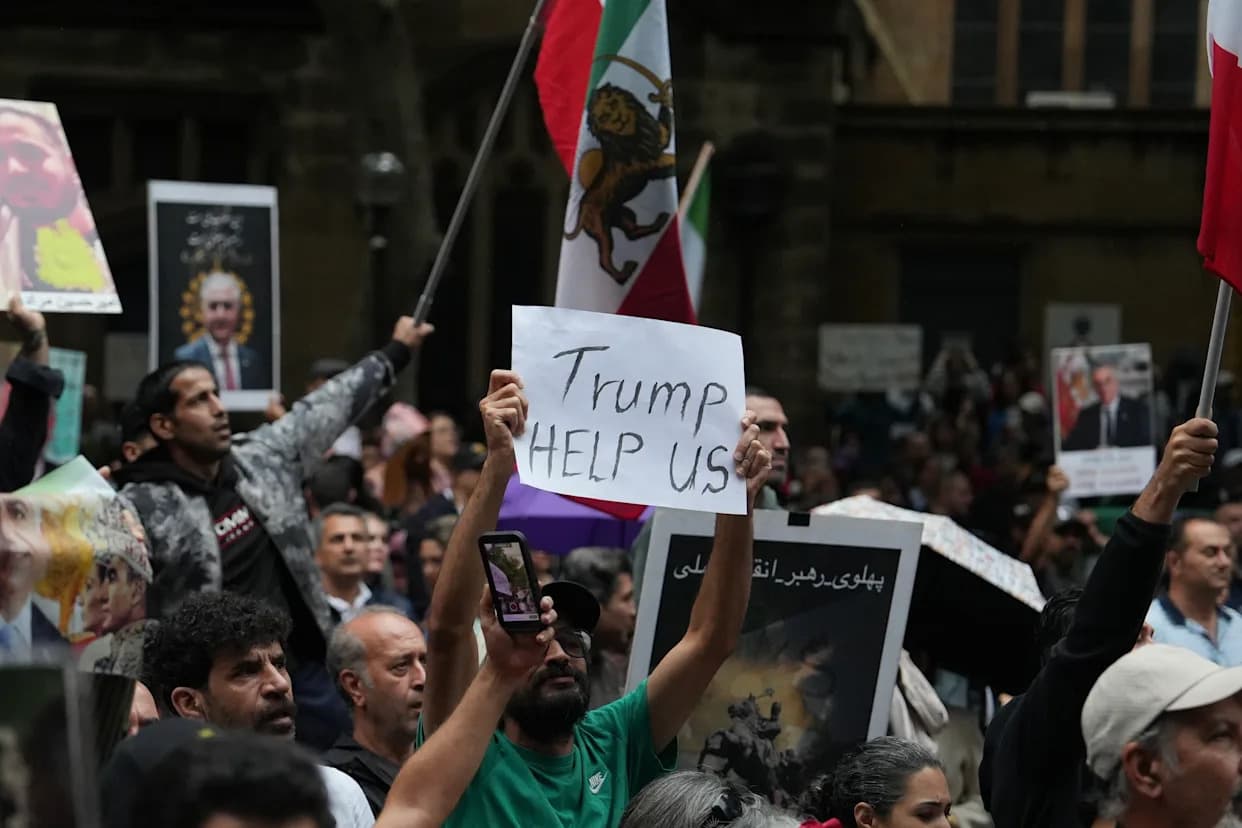
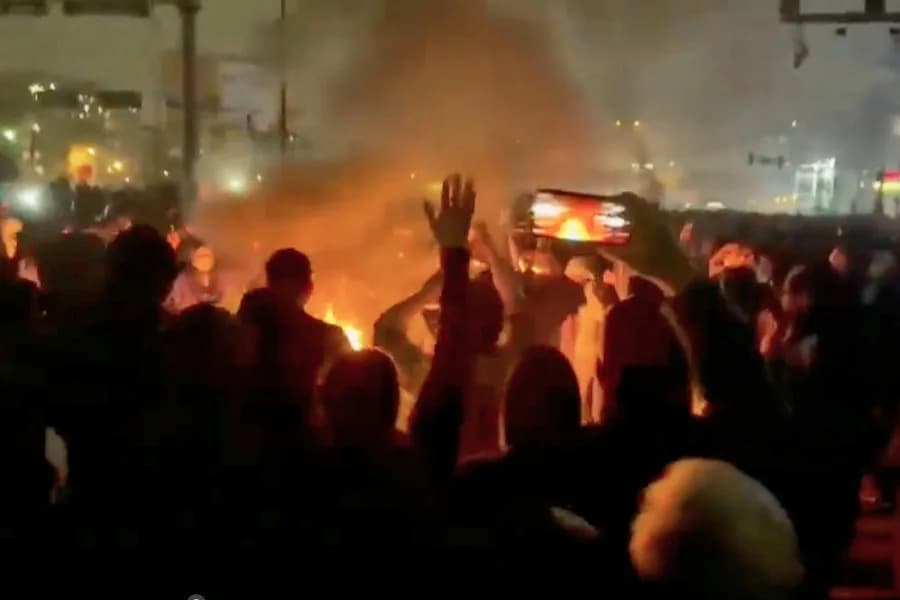
Senior Iranian officials warn that a limited U.S. strike could rekindle mass protests that erupted after a lethal January crackdown, potentially inflicting long-term damage on the Islamic Republic. Sources say public anger has reached a point where fear no longer deters many citizens and that external pressure could embolden demonstrators. Analysts and opposition figures warn of both bolder street action and a harsher, potentially bloody government response if unrest resumes amid foreign intervention.
Iran Officials Warn A Limited U.S. Strike Could Rekindle Mass Protests And Threaten The Regime
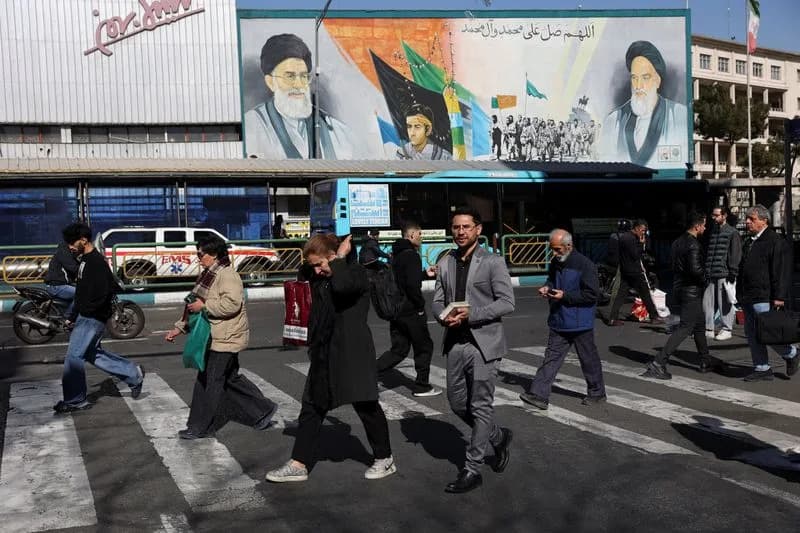
People walk on a street in Tehran, Iran, January 31, 2026. Majid Asgaripour/WANA (West Asia News Agency) via REUTERS ATTENTION EDITORS - THIS PICTURE WAS PROVIDED BY A THIRD PARTY
Iran’s senior leadership has told Supreme Leader Ayatollah Ali Khamenei that a limited U.S. strike could re-ignite mass protests and inflict lasting damage on the political system, according to six current and former officials briefed on high-level discussions.
Leadership Concern
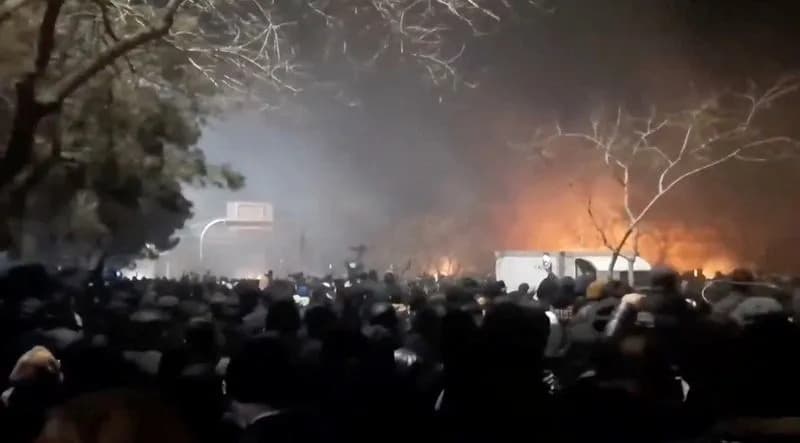
In a series of closed-door briefings, aides warned Khamenei that public fury over last month’s crackdown — described by officials as the bloodiest repression since the 1979 Islamic Revolution — has eroded the deterrent effect of fear. Four current officials who were briefed on the talks said many Iranians are now prepared to confront security forces again, and that external pressure could embolden demonstrators.
Risk Of Renewed Unrest
One official told Reuters that Iran’s adversaries were seeking to provoke renewed demonstrations aimed at toppling the system and that, "unfortunately," more violence would likely follow if an uprising occurred. The officials warned that an attack combined with angry street demonstrations could conceivably precipitate a collapse of the ruling system — a scenario they say their adversaries hope to provoke.
The officials said the main fear is that external strikes would embolden protesters and cause irreparable damage to the regime.
Context And Reactions
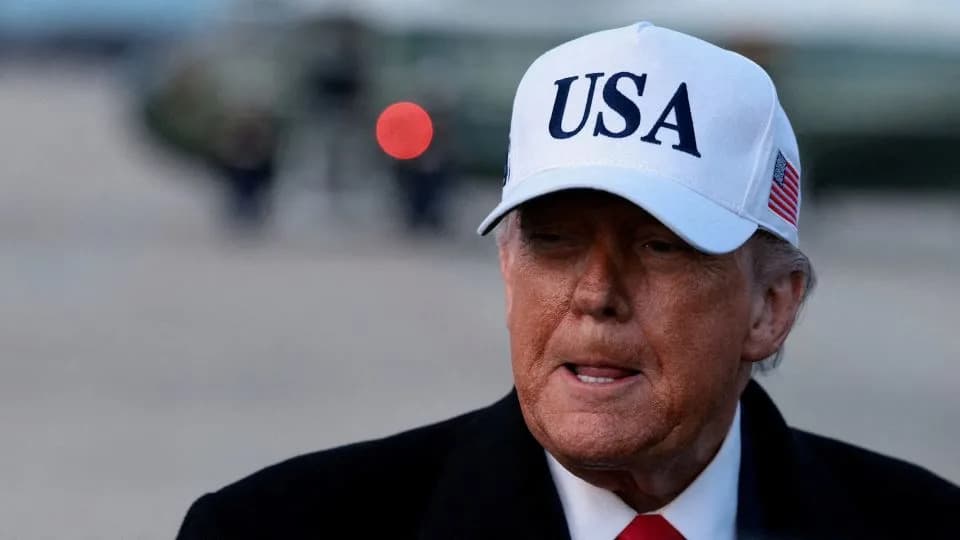
Multiple sources told Reuters that U.S. President Donald Trump has considered options that include targeted strikes on security forces and leaders intended to inspire protesters. The arrival of a U.S. aircraft carrier and supporting warships in the region has increased Washington’s ability to take military action, though Israeli and Arab officials have cautioned that air strikes alone are unlikely to topple Iran’s clerical leadership.
A former senior moderate official said the atmosphere inside Iran has shifted since the early-January crackdown. “People are extremely angry,” he said, adding that a limited foreign attack could prompt renewed demonstrations because “the wall of fear has collapsed. There is no fear left.”
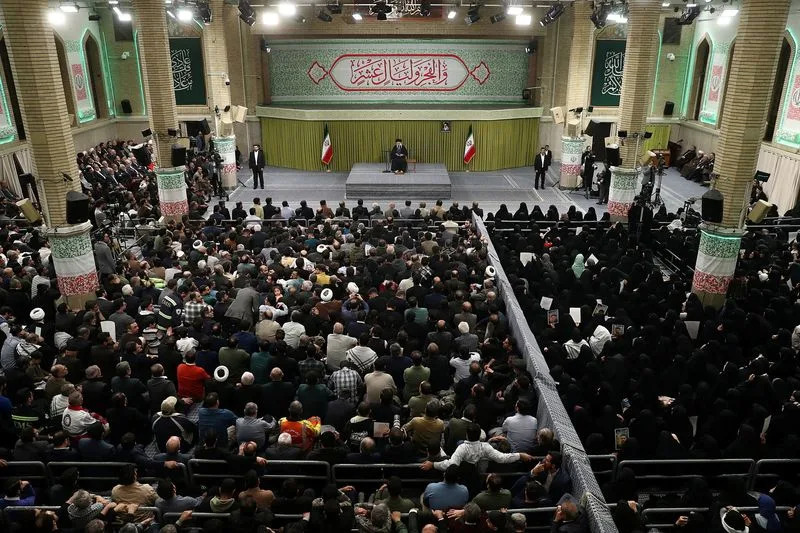
Iran's Supreme Leader Ayatollah Ali Khamenei speaks during a meeting in Tehran, Iran, February 1, 2026. Office of the Iranian Supreme Leader/WANA (West Asia News Agency)/Handout via REUTERS
Opposition Voices And Human Cost
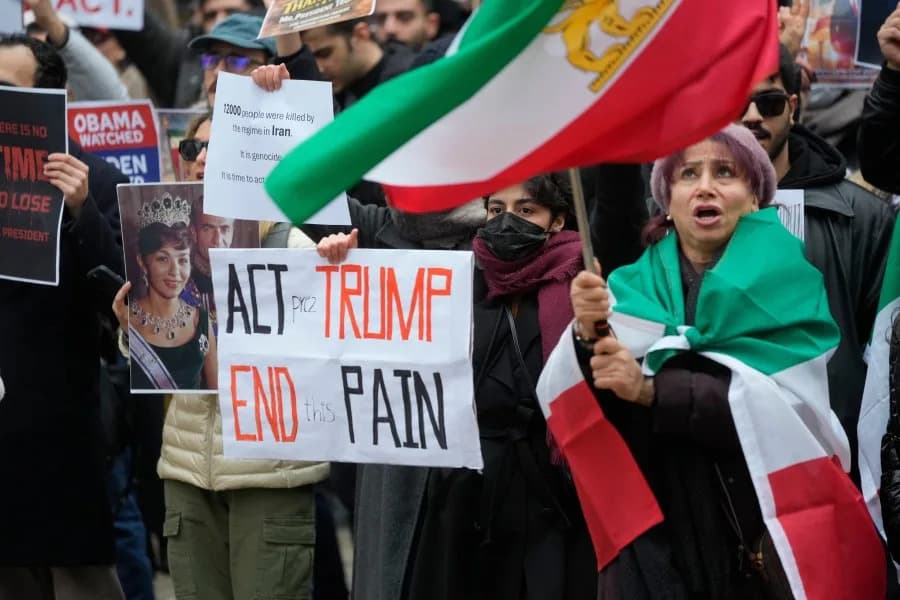
Opposition figures who once belonged to the establishment warned that "boiling public anger" risks bringing down the Islamic system. Mirhossein Mousavi, the former prime minister who has been under house arrest since 2011, said January’s bloodshed would continue to fuel unrest and declared, in a statement on a pro-reform website, that “enough is enough” and “the game is over.”
Witnesses and rights groups said security forces used lethal force during the early-January demonstrations, leaving thousands killed and many more wounded. Tehran has blamed the violence on what it described as armed terrorists linked to Israel and the U.S. Reuters has reported these accounts but the figures and allegations remain contested.
What Could Happen Next
Analysts and insiders say the streets are quiet for now, but deep-seated grievances — economic decline, political repression, widening inequality and entrenched corruption — remain unresolved. The six officials warned that if protests resume while Iran is under external military pressure, demonstrators may act more boldly, but the establishment could respond more ruthlessly, risking a bloody confrontation.
Ordinary Iranians contacted by Reuters broadly expected a tough government response to any further unrest. One Tehran resident whose 15-year-old son was killed on January 9 said protesters had sought a normal life and were met "with bullets," and added: "If America attacks, I will go back to the streets to take revenge for my son and the children this regime killed."
(Reporting by Parisa Hafezi; Editing by Samia Nakhoul and William Maclean)
Help us improve.