The partial federal government shutdown entered its third day as the House prepared to consider a Senate funding compromise. The House Rules Committee met at 4 p.m. ET while nearly 14,000 air traffic controllers were expected to work without pay. Speaker Mike Johnson said the shutdown could end as soon as Tuesday, but the plan faces procedural hurdles and resistance from conservative Republicans over a short-term extension of DHS funding. If the shutdown persists, military pay, federal healthcare services and airport operations could be disrupted.
Government Shutdown Enters Day 3: What’s At Stake and How Soon It Could End

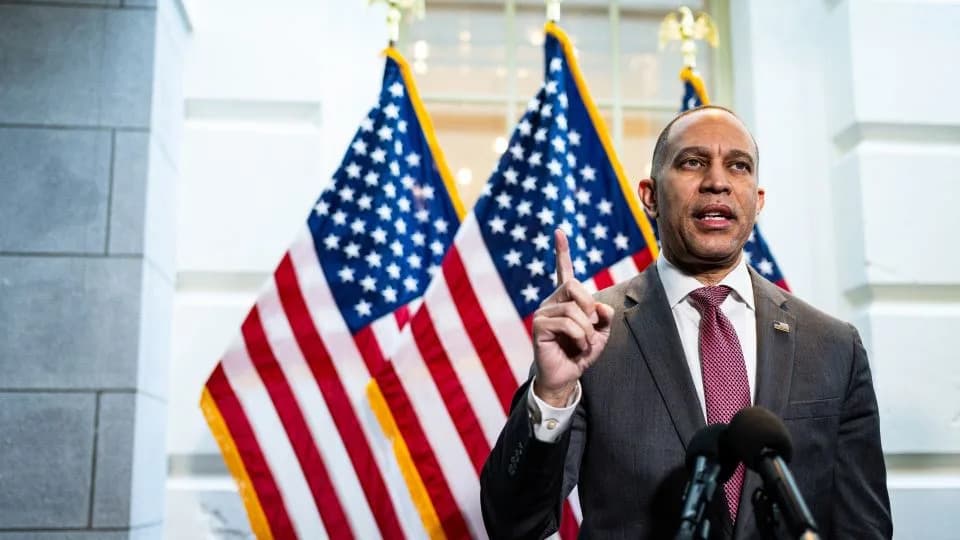
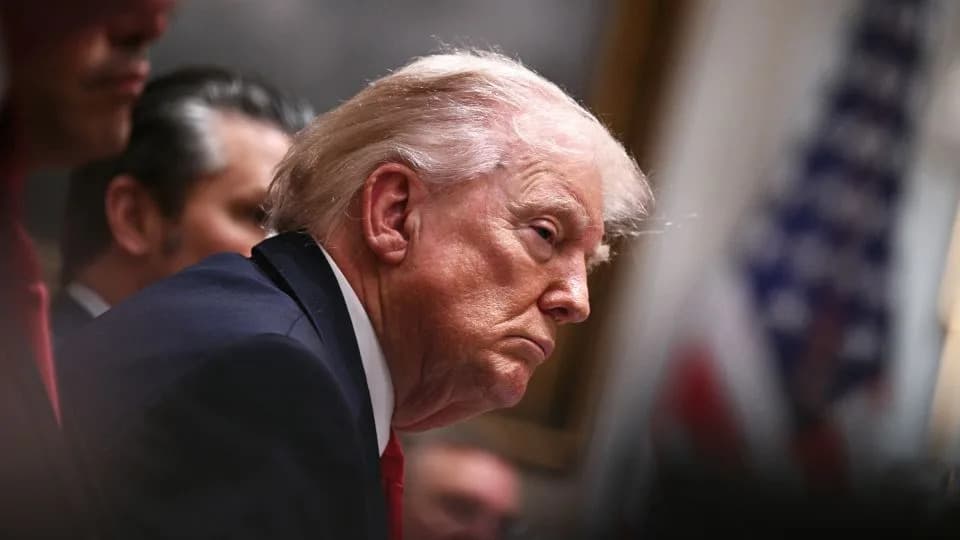
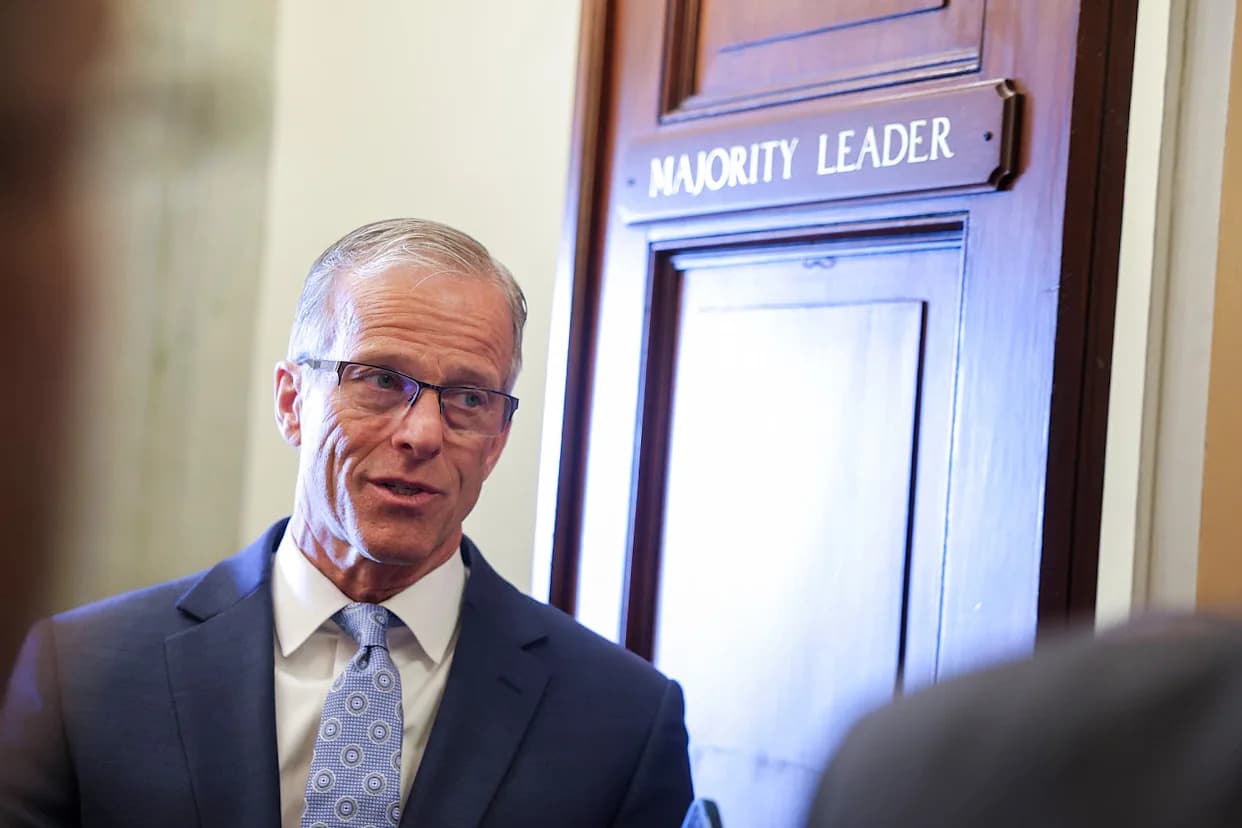
Speaker of the House Mike Johnson, R-La., is hopeful the government shutdown will end by Tuesday.(Getty Images)
The partial federal government shutdown entered its third day as the House of Representatives prepared on Monday to consider the Senate's compromise on federal funding.
The House Rules Committee, which serves as the chamber’s gatekeeper for most measures before a full vote, convened at 4 p.m. Eastern to review the package. At the same time, nearly 14,000 air traffic controllers were expected to report for duty without pay as the Department of Transportation became caught in the political standoff.
Speaker Mike Johnson (R-La.) told "Fox News Sunday" he was optimistic the shutdown could end as soon as Tuesday — the earliest the full House could realistically take up the legislation.
How House Leaders Planned To Move The Bill
House Republicans had sought to fast-track the funding package by using a suspension of the rules, a procedure that bypasses two procedural steps and typically requires a two-thirds vote for final passage. That shortcut would have required support from roughly 100 House Democrats, a threshold House Democratic Leader Hakeem Jeffries (D-N.Y.) indicated he likely could not deliver.
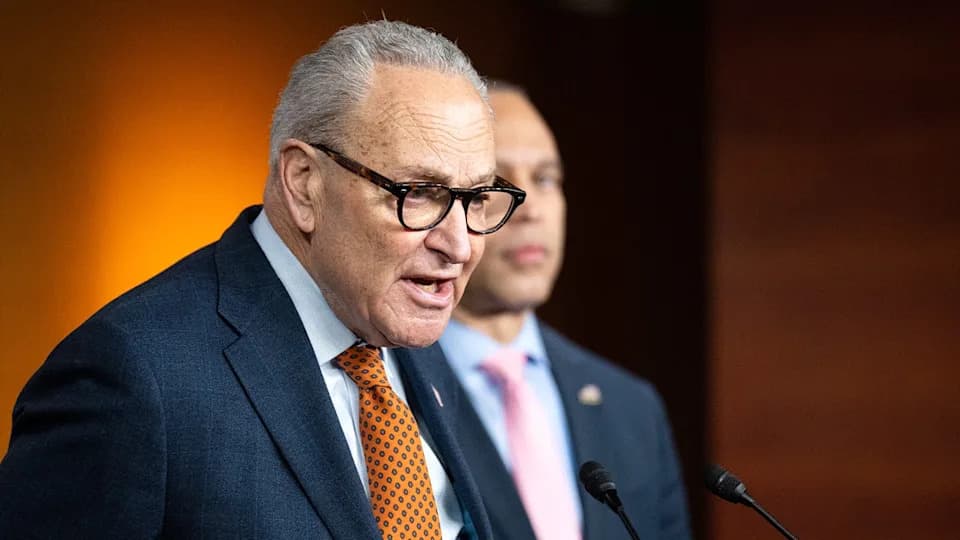
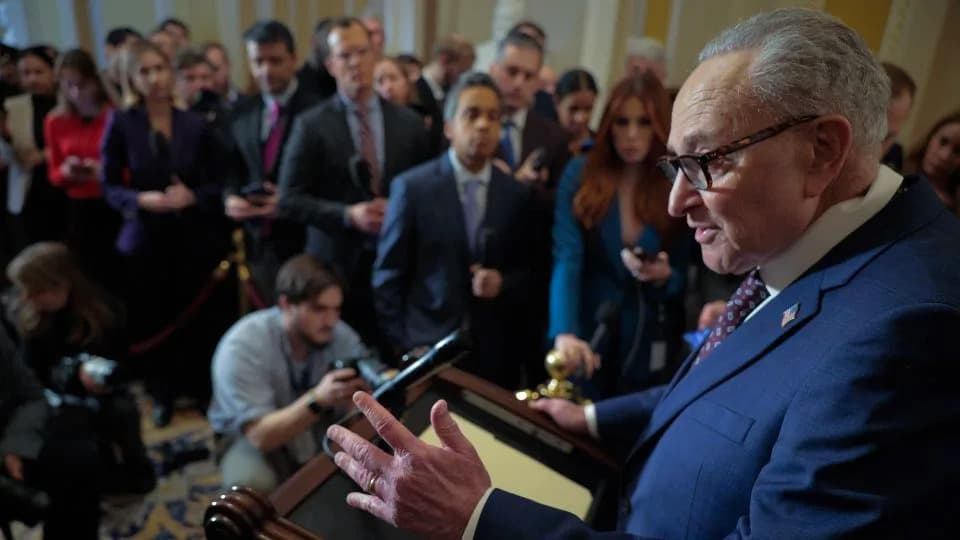
Jeffries told ABC News the Department of Homeland Security (DHS) needs dramatic reform and called the Senate bill a “meaningful step in the right direction.” Nevertheless, the party resistance is a notable rebuke to Senate Minority Leader Chuck Schumer (D-N.Y.) and his negotiations with the White House.
Procedural Hurdles And Narrow Margins
The bill’s fate now hinges on a procedural "rule vote" that would allow House debate and a final passage vote. Rule votes typically break along partisan lines, meaning Speaker Johnson would need nearly unanimous Republican support to pass the measure on party-line votes.
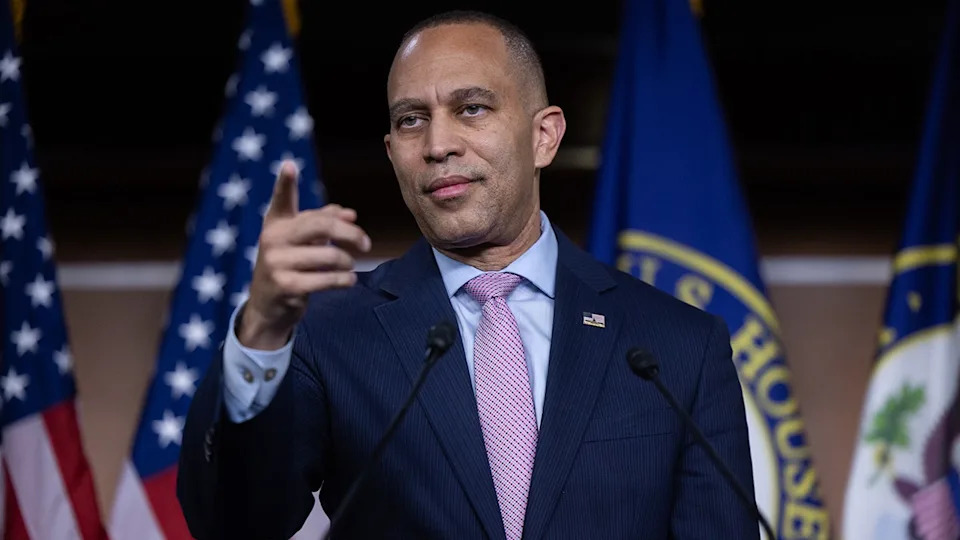
House Minority Leader Hakeem Jeffries split with Senate Minority Leader Chuck Schumer.
Johnson was expected to swear in Rep.-elect Christian Menefee (D-Texas) on Monday, reducing the margin for Republican defections: if Republicans vote strictly along party lines, they can now afford only one dissenting vote and still pass the bill.
What’s In The Senate Compromise
The Senate proposal would fully fund key departments — including Defense, Health and Human Services, Transportation, Education, and Labor — through the end of the fiscal year on Sept. 30, aligning them with spending bills already passed in the Senate. By contrast, funding for DHS would be extended at current levels for only two weeks to give both parties time to negotiate a more restrictive immigration and border-security bill.
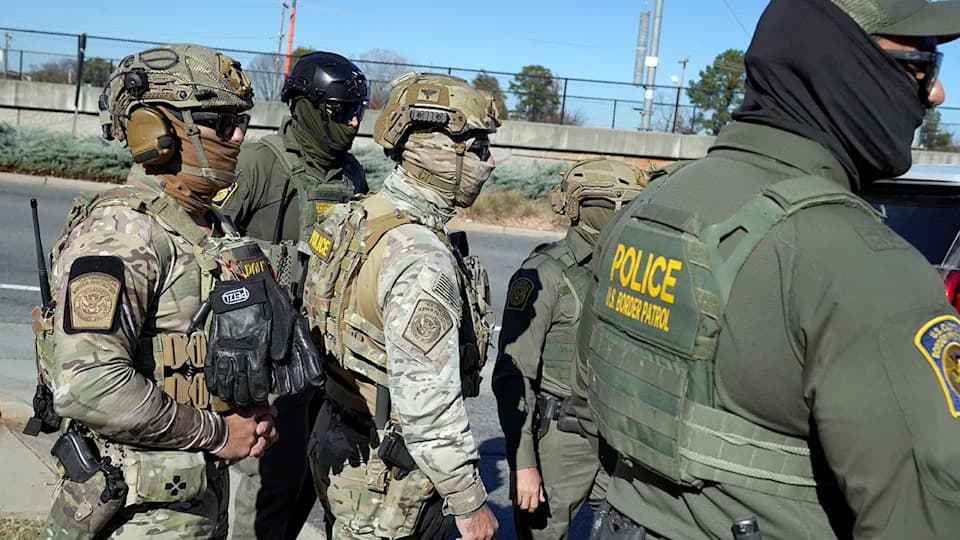
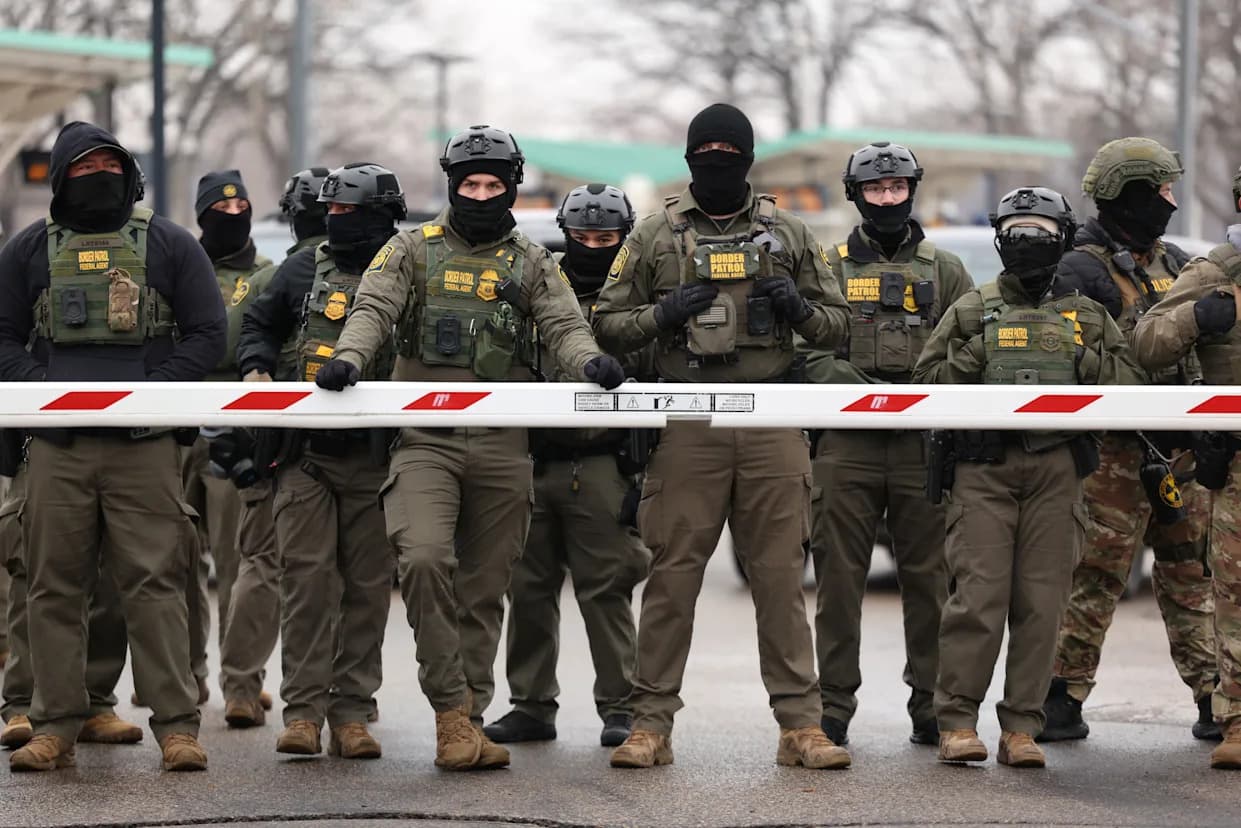
Some Democrats reportedly withdrew from an earlier bipartisan deal to fund DHS through Sept. 30 after a second fatal shooting in Minneapolis, where Border Patrol agents reportedly shot and killed nurse Alex Pretti during an anti-ICE demonstration.
Conservative Opposition And Amendments
Conservative House Republicans have criticized the Senate compromise as a "non-starter," arguing it cedes leverage to Democrats. Others, including Rep. Anna Paulina Luna (R-Fla.), threatened to block the measure unless unrelated provisions — such as a requirement for proof of citizenship in the voter-registration process — are attached to the bill.
Potential Impacts If The Shutdown Continues
While lawmakers hope for a brief shutdown, an extended lapse in appropriations could have tangible consequences: active-duty service members might miss paychecks; some federal healthcare services could slow; and airports could face delays like those seen during the previous government shutdown. The last shutdown, late last year, became the longest in U.S. history, lasting 43 days.
Next steps: The House floor could take up the Senate compromise as early as Tuesday, but passage depends on the outcome of the rule vote and whether enough Republicans coalesce around the agreement.
Help us improve.