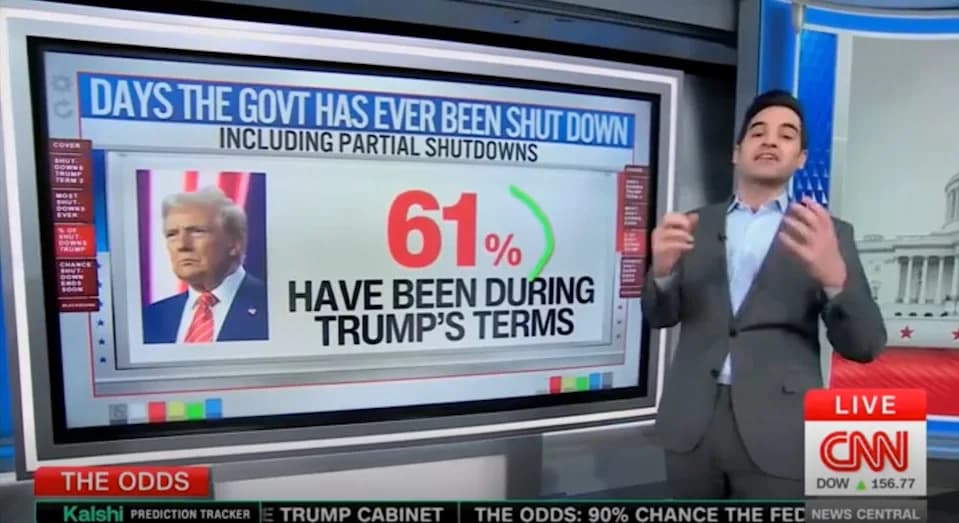
At 12:01 a.m. ET Friday the federal government entered its first shutdown of the year, reflecting a trend of fewer but more disruptive closures. Since 1976 the U.S. has had 22 shutdowns; historically the party that forces a shutdown rarely wins the core policy fight. The longest recent shutdown lasted 43 days over enhanced Obamacare premium subsidies, and an earlier 34-day closure centered on funding for President Trump’s proposed border wall. The current shutdown follows a Senate-passed two-week extension that removed DHS funding and now faces resistance in the House from Republicans seeking policy concessions such as voter ID.
Government Shutdowns Are Less Frequent — But Growing More Disruptive
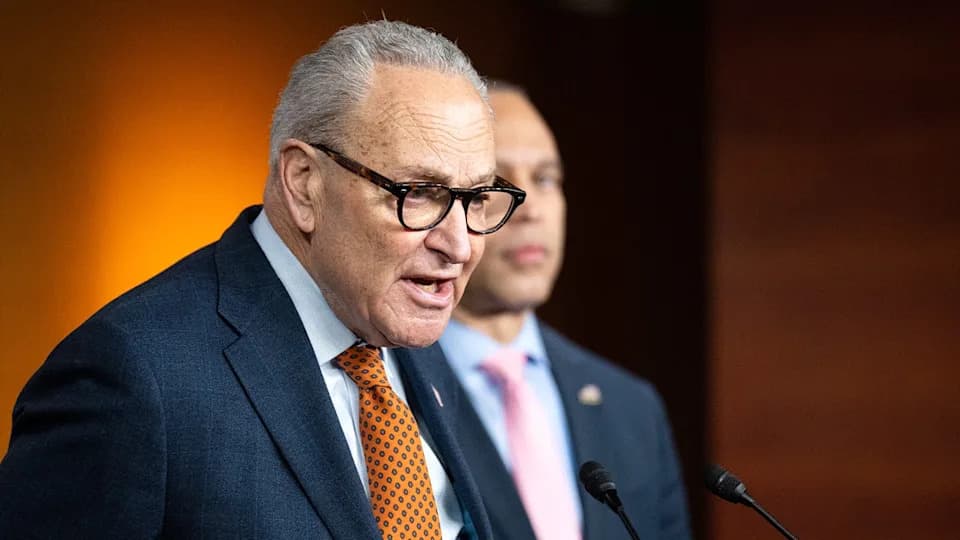
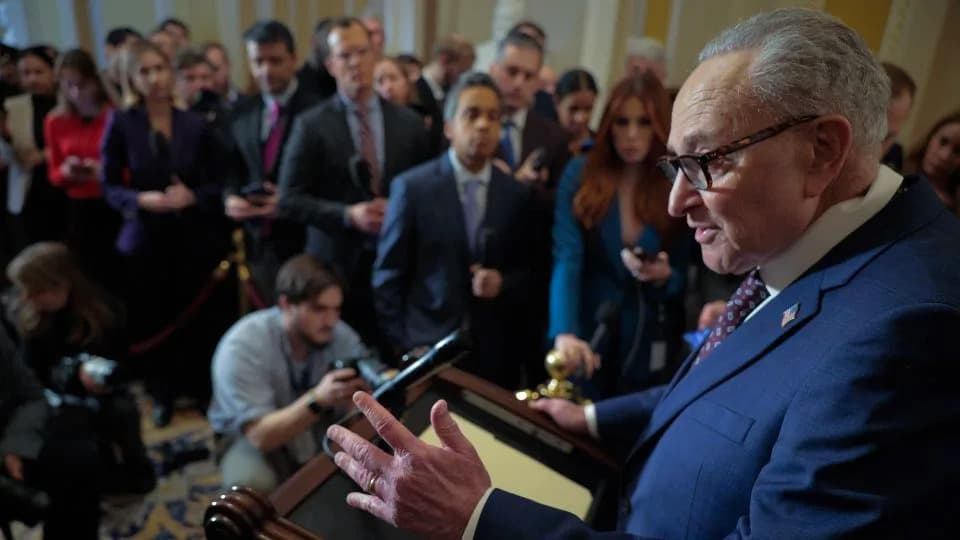
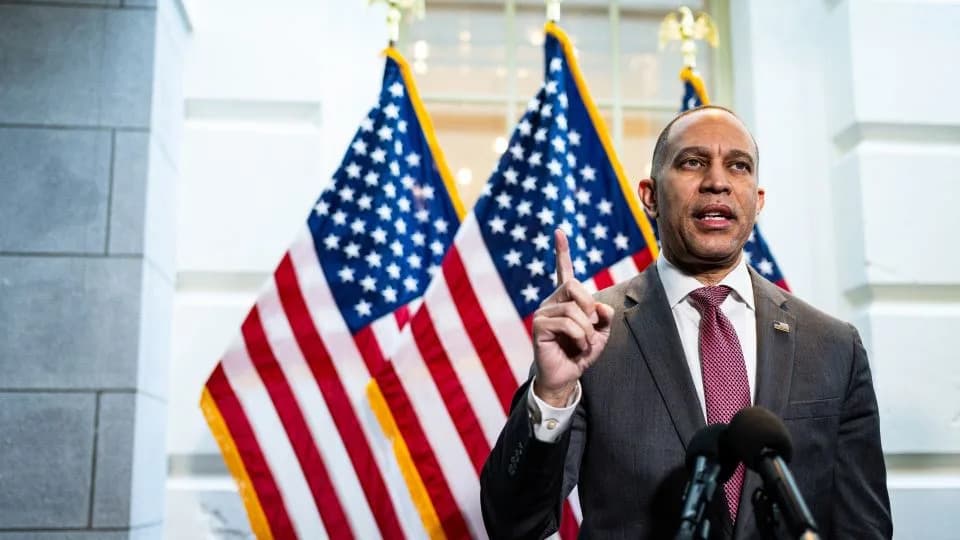
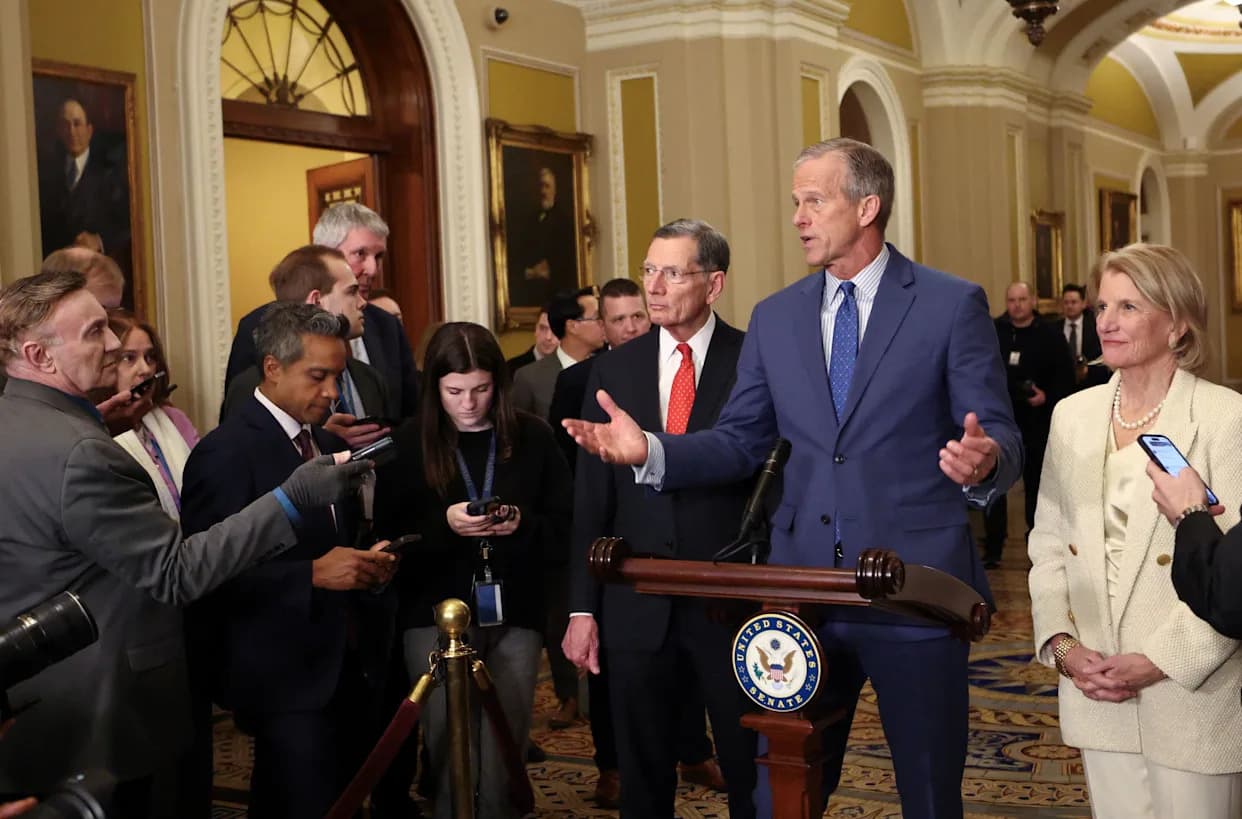
Senate Minority Leader Chuck Schumer and House Minority Leader Hakeem Jeffries hold a joint news conference at the U.S. Capitol on Jan. 8, 2026.(Getty Images)
At 12:01 a.m. ET on Friday, the federal government entered its first shutdown of the year, continuing a pattern of fewer but increasingly disruptive funding standoffs in Washington.
Background
Shutdowns are not new to U.S. politics, but they have become less frequent since the turn of the century. Still, rising partisan rancor, more energized political bases and persistent congressional gridlock have combined to make recent shutdowns longer and more consequential for federal operations and the public.
A Brief History
Since 1976 the federal government has experienced 22 shutdowns. Each closure has its own causes, and historically the party that forces a shutdown rarely wins the underlying policy battle.
Recent Major Shutdowns
The most recent shutdown — the longest in modern U.S. history — was driven by a dispute over enhanced Obamacare premium subsidies. Senate Democrats, led by Senate Minority Leader Chuck Schumer (D-N.Y.), pressed Republicans to negotiate or extend those subsidies when they were allowed to lapse. That closure effectively halted operations across many federal agencies and lasted 43 days.
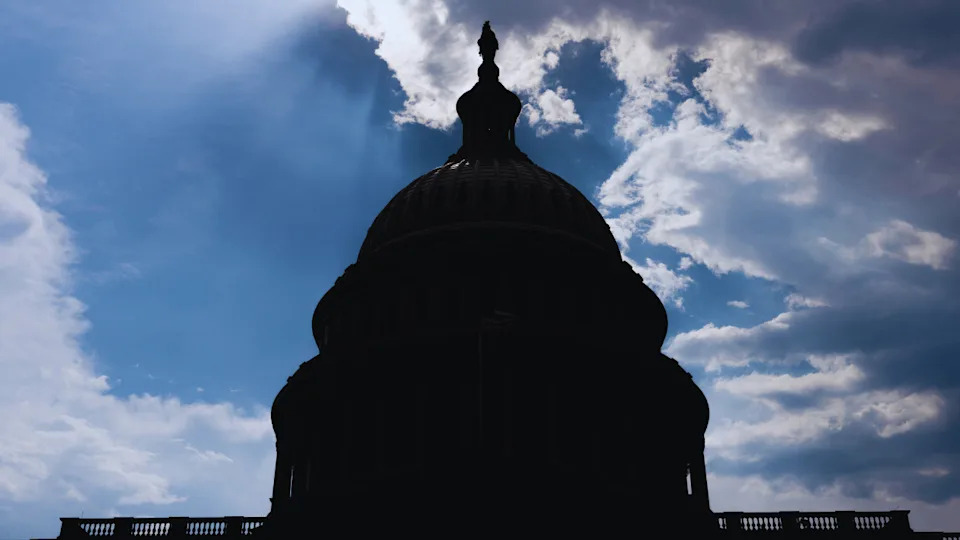
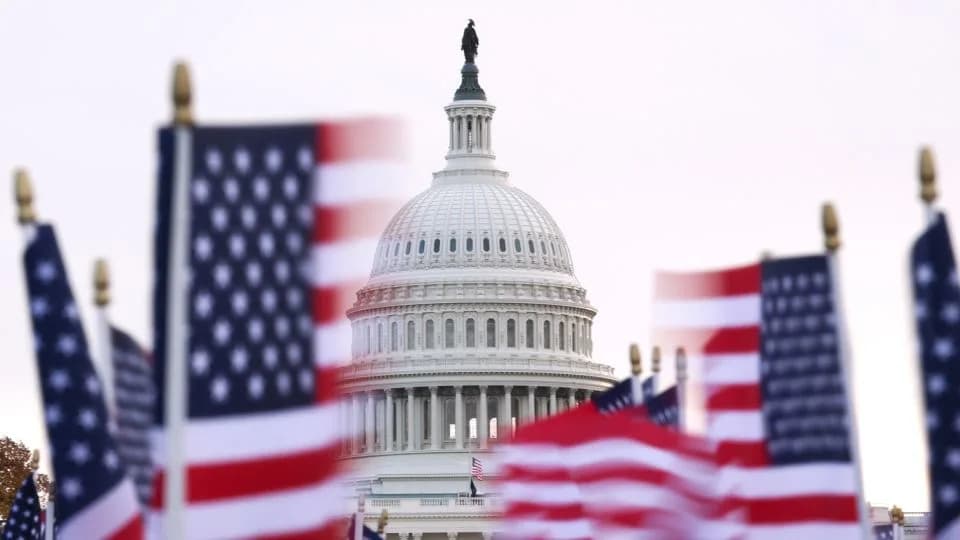
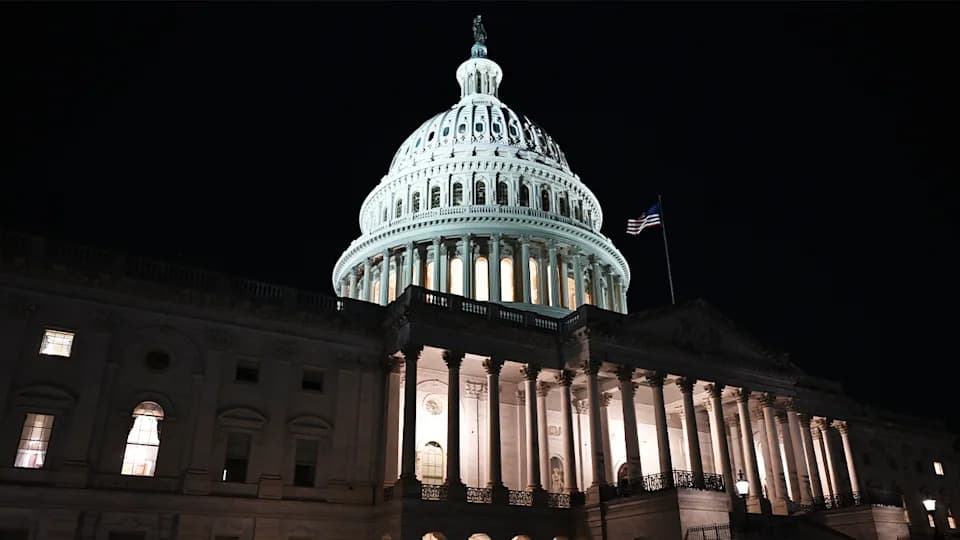
The U.S. Capitol in Washington, D.C., on June 25, 2025.
Before that, a 34-day shutdown from December 2018 into January 2019 was triggered by a fight over funding for a border wall proposed by President Donald Trump. At that time, Schumer and then-incoming House Speaker Nancy Pelosi (D-Calif.) resisted providing the requested wall funding; the standoff ended without the requested funds.
The Current Closure
The current shutdown, which entered its second day on Sunday, is somewhat of an outlier. Senate leaders reached an agreement that stripped the controversial Department of Homeland Security spending bill and replaced it with a short-term, two-week funding extension. The Senate passed that measure on Friday despite objections from members of both parties.
Its fate in the House remains uncertain: a bloc of House Republicans is resisting the deal and asking for policy concessions — including the addition of voter ID legislation — before they will support the funding measure.
What Comes Next
The immediate consequences of a shutdown can include furloughs for federal employees, slowed services, and disruptions at national facilities. With partisan divisions intact and deadlines approaching, the coming days will determine whether leaders reach a short-term fix or let the impasse continue.
Help us improve.