The federal payroll calendar reveals how a partial shutdown starting at 12:00:01 a.m. ET on Jan. 31 would affect workers. Because the cutoff falls on a weekend, most employees should still receive a partial paycheck on Feb. 2 covering work through Jan. 30, but any labor from Jan. 31 onward cannot be legally paid under the Antideficiency Act. FAA employees have a staggered schedule: a full paycheck on Feb. 3 (covering work before Jan. 31) and a partial paycheck on Feb. 17. Political debate over DHS funding and ICE reforms makes a last-minute resolution uncertain.
Federal Pay Dates to Watch If a Partial Government Shutdown Begins
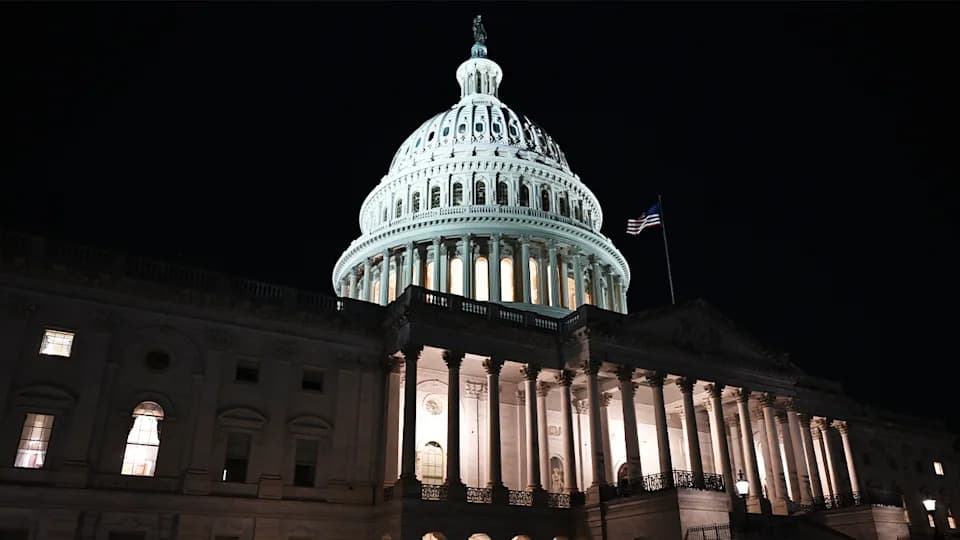
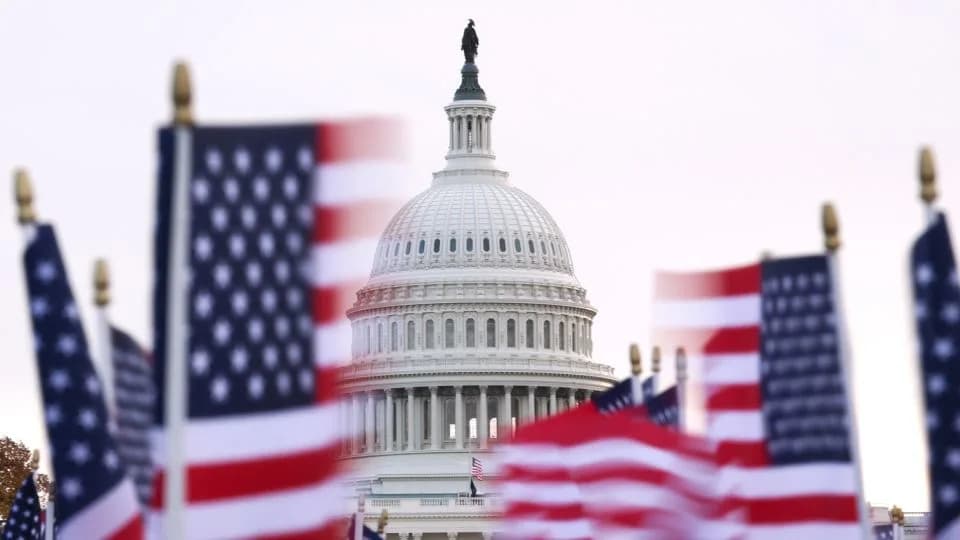
The U.S. Capitol in Washington, D.C., on May 18, 2025.(Getty Images)
The federal payroll calendar is one of the clearest signals of how a potential partial government shutdown would affect employees. A funding lapse is scheduled to begin at 12:00:01 a.m. ET on Saturday, January 31, and because that cutoff falls on a weekend officials sometimes call it a "lapse in appropriations." That technicality still represents a shutdown, but the weekend timing gives lawmakers a brief window to reach a deal before most workers return on Monday.
How Pay Schedules Determine Immediate Impact
Pay schedules—not headlines—often show how deep and how fast a shutdown’s effects will arrive. Under the Antideficiency Act, the government cannot legally pay for work performed after funding runs out (beginning January 31) unless Congress appropriates money.
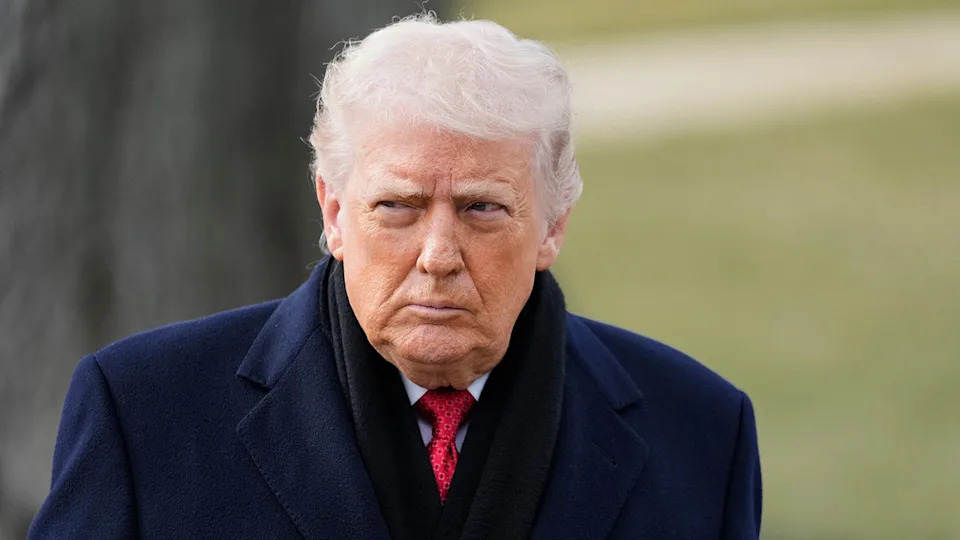
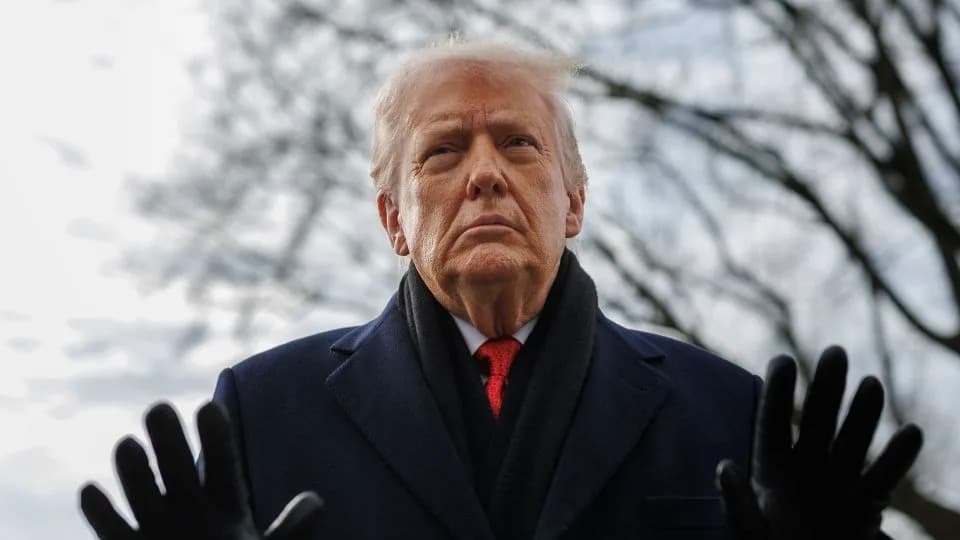
President Donald Trump walks to Marine One for departure from the South Lawn of the White House, Friday, Jan. 16, 2026.
Key Pay Dates
- Jan. 21: Many federal employees were last paid on this date (delayed one day for the Martin Luther King federal holiday).
- Feb. 2: The next regular payday. Workers should receive at least a partial paycheck on Feb. 2 covering work performed through Friday, Jan. 30 because that is the last fully funded workday. Any work beginning Jan. 31 cannot be paid legally.
- Feb. 17: The following major payroll date (moved one day because Presidents' Day falls on Feb. 16). This is the deadline by which many employees could miss an entire pay period if funding remains unresolved.
FAA And Air Traffic Controller Exceptions
Some agencies follow staggered pay cycles that change the timing of payment risk. For example, Federal Aviation Administration employees (including air traffic controllers, but not TSA workers) are slated to be paid on Feb. 3 because the FAA pay period ended on Jan. 24. That Feb. 3 payment covers work performed before the funding cutoff and therefore does not violate the Antideficiency Act.
However, the FAA’s next pay period ends on Feb. 7 and pays on Feb. 17, meaning FAA staff would receive only a partial paycheck at that time because some work would fall after Jan. 30. This mirrors what happened in the last shutdown, when staggered pay schedules meant some controllers received partial checks.

House Speaker Mike Johnson briefs the media on the government shutdown in the Capitol Visitor Center in Washington, Nov. 10, 2025.
Who’s Most Vulnerable
Frontline workers who continued to work during prior shutdowns—particularly air traffic controllers and TSA employees—still carry the financial and emotional scars of working without pay for extended periods. Many reported significant hardship and resentment after being required to work for weeks without pay.
Political Stakes And What Comes Next
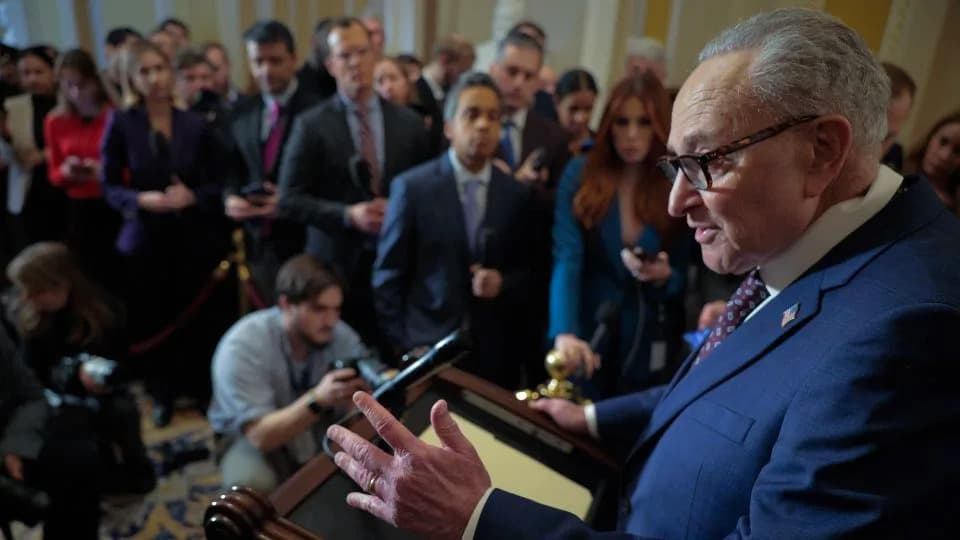
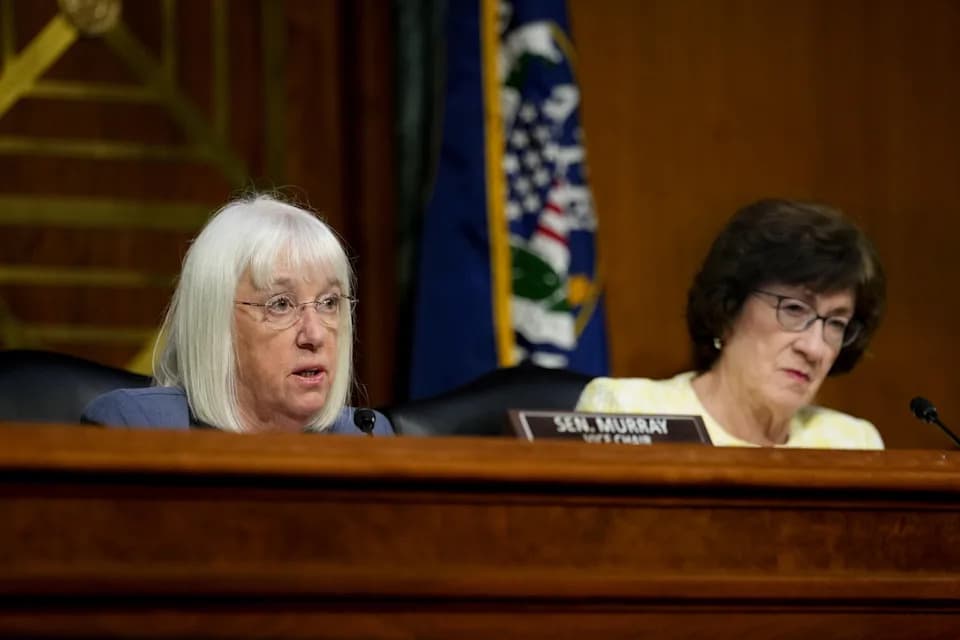
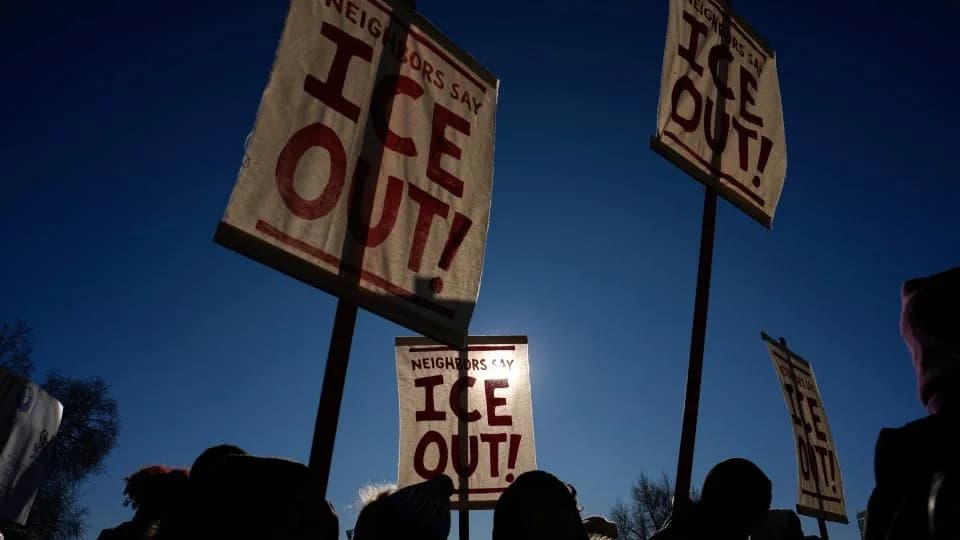
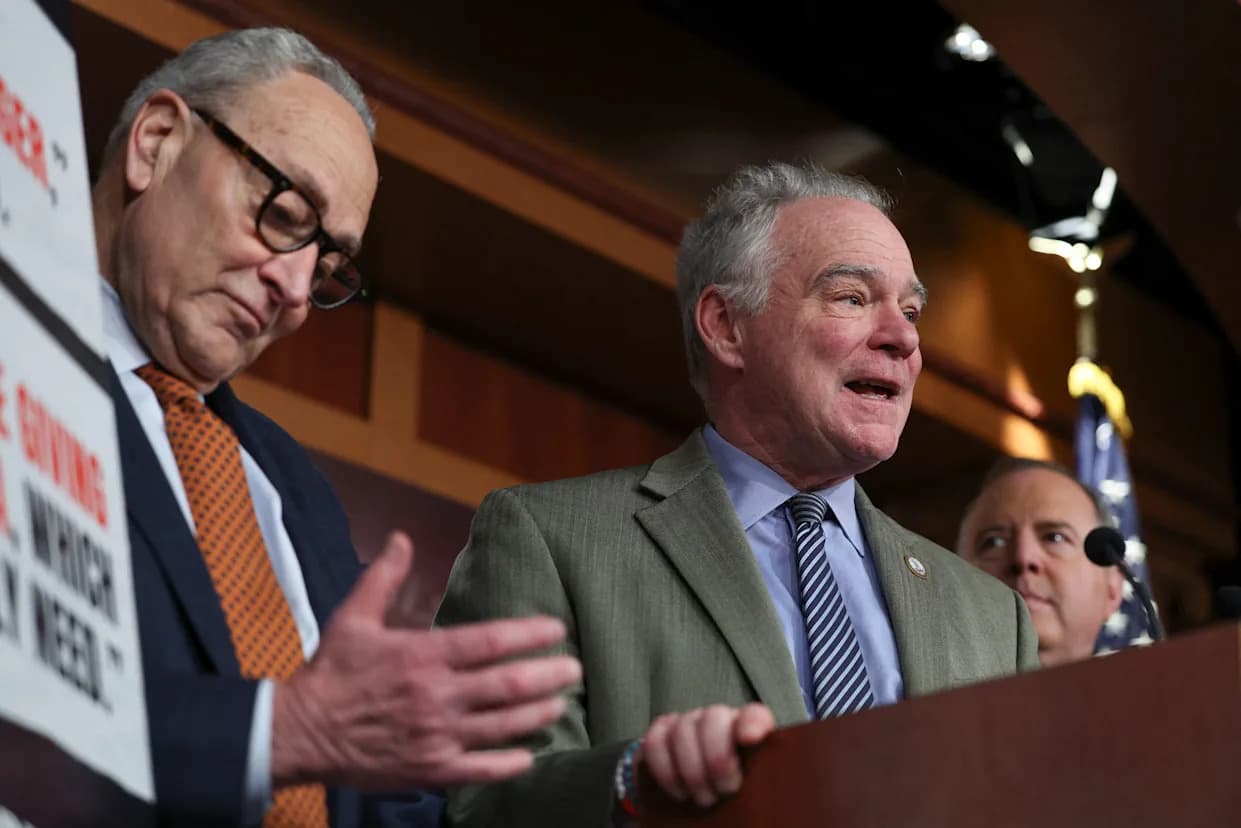
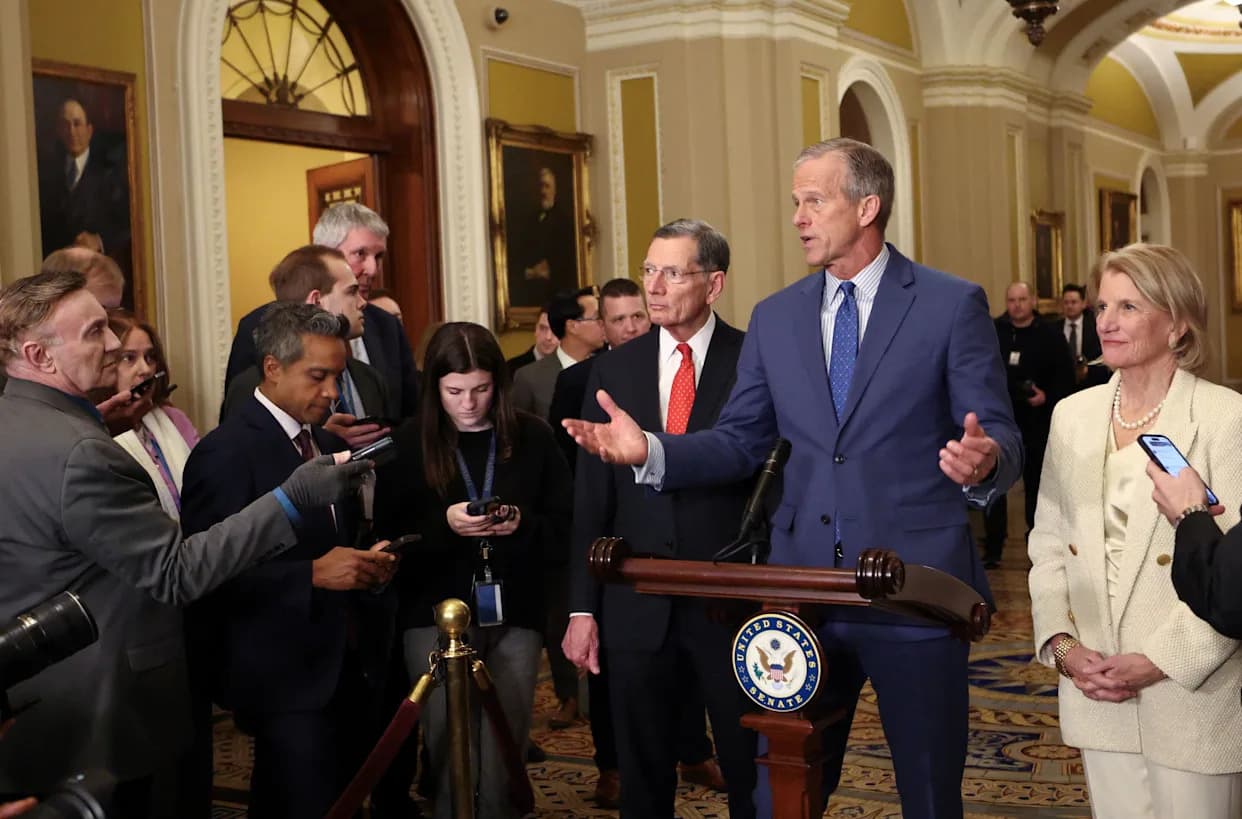
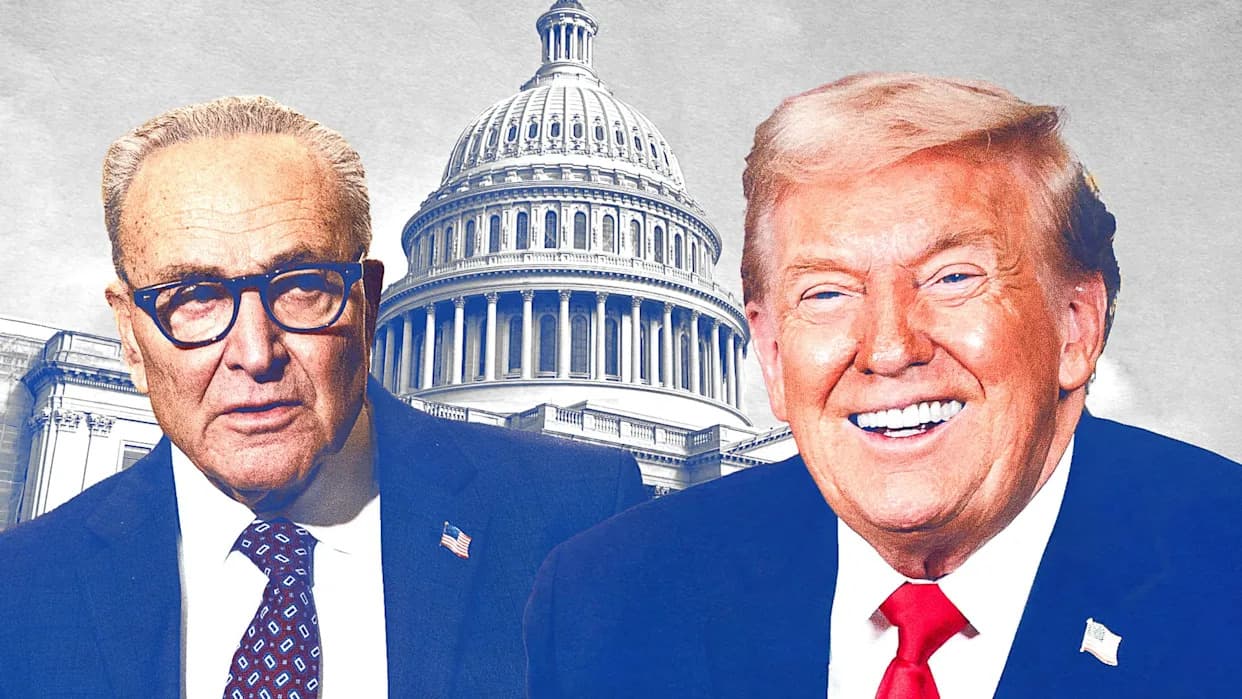
Negotiations over Homeland Security funding complicate the timeline. Senate Democrats have pressed for specific reforms to Immigration and Customs Enforcement, including ending roving patrols, establishing a uniform code of conduct for ICE officers similar to state and local police, and expanding the use of body cameras. Senate Minority Leader Chuck Schumer has urged separating DHS funding from the larger six-bill package; Senate Majority Leader John Thune has said keeping the package intact is preferable but has not completely ruled out a split.
Capitol Hill is expected to hold a test vote on the spending package that many observers predict will fail, which would push leaders into last-minute negotiations. The weekend lapse provides negotiators a narrow breathing room, but time is short: either the Senate moves quickly late in the week or lawmakers scramble over the weekend to avoid real consequences on Monday.
What To Watch
- Whether Congress reaches an agreement before employees return on Feb. 2.
- Whether FAA pay cycles produce partial or full pay on Feb. 3 and Feb. 17.
- Whether Senate leaders split DHS from the larger package or craft separate amendments addressing ICE reforms.
- Any last-minute continuing resolution or agreement that averts lost pay for most federal workers.
Note: This article summarizes the likely payroll consequences of a partial funding lapse based on current pay calendars and legal constraints under the Antideficiency Act. Exact outcomes could change if Congress passes emergency appropriations or temporary measures.
Help us improve.