The partial shutdown that began Saturday is likely to be short: lawmakers hope to pass funding when the House returns Monday. Temporary funding lapses affect the Pentagon, DHS and Transportation, though essential services are expected to continue; some workers could be unpaid or furloughed if the lapse persists. The shutdown followed the Minneapolis shootings of Alex Pretti and Renée Good, which intensified Democratic demands for DHS reforms. Major nutrition programs including SNAP and WIC remain funded through Sept. 30, and FEMA has about $7–8 billion available for disaster response.
Partial Government Shutdown Begins — What It Means and Who’s Affected
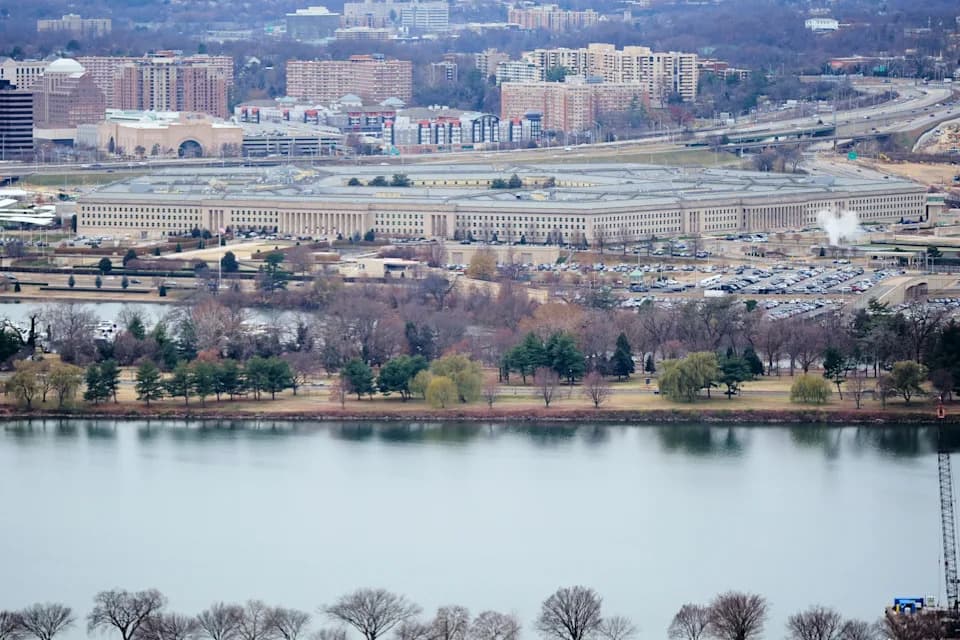
FILE - The Pentagon and the Potomac River in Washington, as seen from the Washington Monument, Dec., 9, 2025. (AP Photo/Pablo Martinez Monsivais, File)(ASSOCIATED PRESS)
The partial government shutdown that began Saturday is markedly different from last fall’s record-long closure — primarily because lawmakers expect the lapse to be brief.
Lawmakers plan to move quickly when the House returns Monday; passage of funding bills then would restore appropriations and end the lapse. Congress has already approved roughly half of this year’s appropriations, keeping many major federal agencies and programs funded through Sept. 30.
Which Agencies Are Affected?
Funding will temporarily lapse for the Department of Defense and for departments including Homeland Security (DHS) and Transportation. Essential functions are expected to continue, but if the impasse persists some employees could be furloughed or required to work without pay.
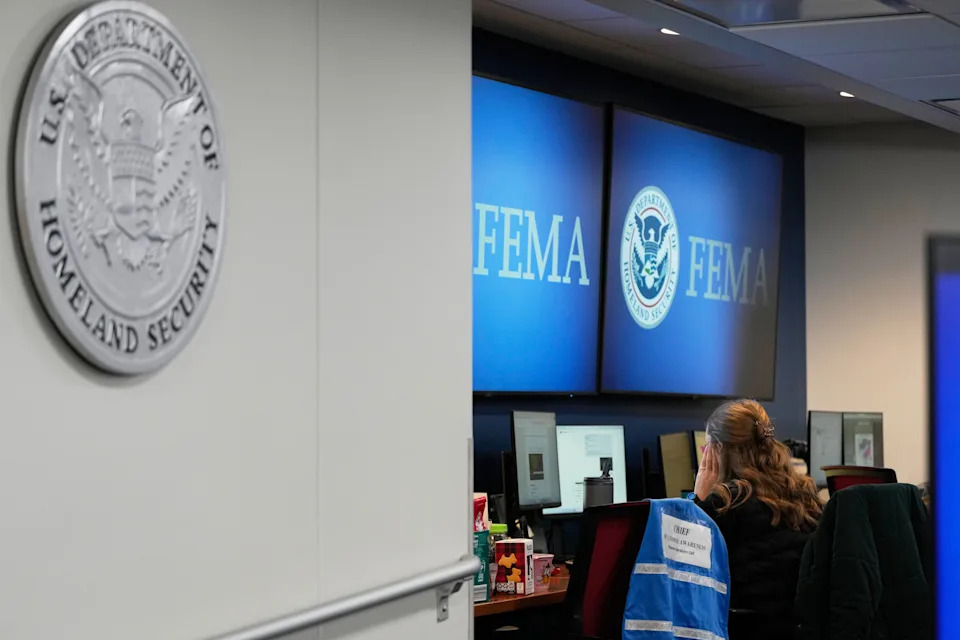
A person works at Federal Emergency Management Agency headquarters Saturday, Jan. 24, 2026, in Washington. (AP Photo/Julia Demaree Nikhinson)(ASSOCIATED PRESS)
FEMA and Disaster Response
The Federal Emergency Management Agency (FEMA) is expected to retain roughly $7 billion to $8 billion in its disaster-response fund and the staff to operate it, officials say — resources that should allow an ongoing winter-storm response to continue. However, a prolonged shutdown could strain that account, especially if new disasters arise. Other FEMA activities, such as issuing or renewing National Flood Insurance Program policies, would pause during a lapse.
Transportation and Air Travel
One of the outstanding spending bills covers the Department of Transportation, which oversees the air-traffic control system. Air-traffic controllers would still be required to report for duty but could go unpaid until funding is restored, raising the potential for travel disruptions if the lapse lasts more than a short time.
State Department
The State Department says passport and visa processing will continue and that embassies and consulates will remain open. A department memo noted that many direct-hire U.S. employees are exempt from furloughs, though some nonemergency services and website updates could be affected.
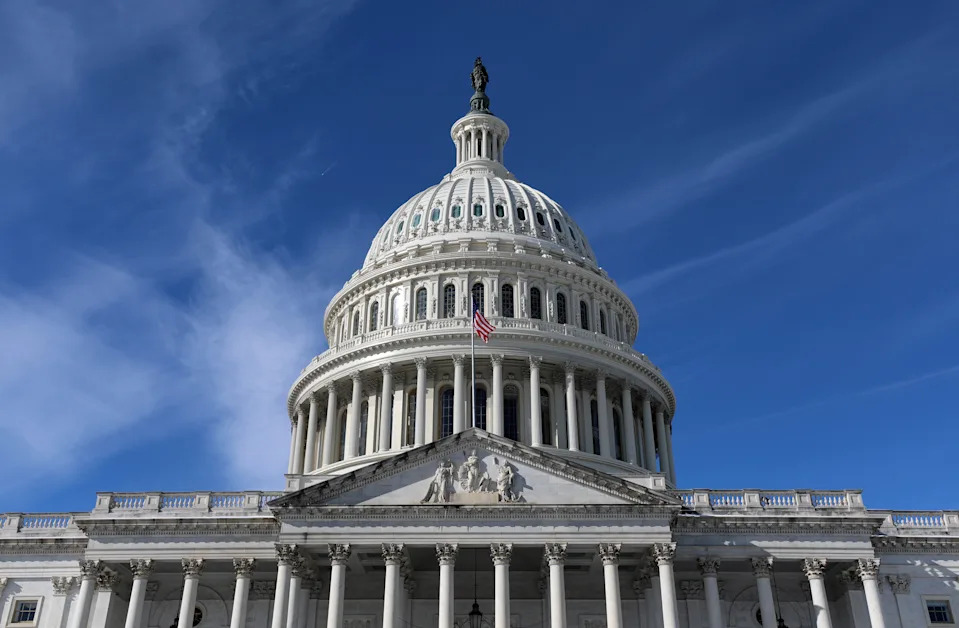
The U.S. Capitol is photographed Friday, Jan. 30, 2026, in Washington. (AP Photo/Rahmat Gul)(ASSOCIATED PRESS)
Why Did This Lapse Happen?
Negotiations were progressing until recent events in Minneapolis — the shootings of two U.S. citizens, Alex Pretti and Renée Good, by federal agents — changed the dynamic. Democrats pressed for the remaining DHS funding bill to be removed from a larger House package and demanded changes governing immigration enforcement, including a formal code of conduct and requirements for agents to display identification.
To avoid a longer shutdown, the White House and Senate Democrats agreed to a temporary two-week extension of DHS funding while talks continue. The Senate approved a five-bill funding package Friday, but it must pass the House after reconvening to become law, so funding will lapse at least briefly.
Will Nutrition Assistance Continue?
Yes. Unlike last fall’s closure, Congress previously funded the Department of Agriculture and its programs for the full budget year, through Sept. 30. That keeps the Supplemental Nutrition Assistance Program (SNAP) and the Women, Infants, and Children (WIC) program operating. SNAP serves about 42 million people — roughly one in eight Americans — with average benefits near $190 per person per month.
Bottom line: The immediate impacts are expected to be limited if the lapse is resolved quickly, but certain agencies and services — especially those tied to defense, transportation and DHS — could feel strain if funding is not restored promptly.
AP reporters contributed to this report.
Help us improve.