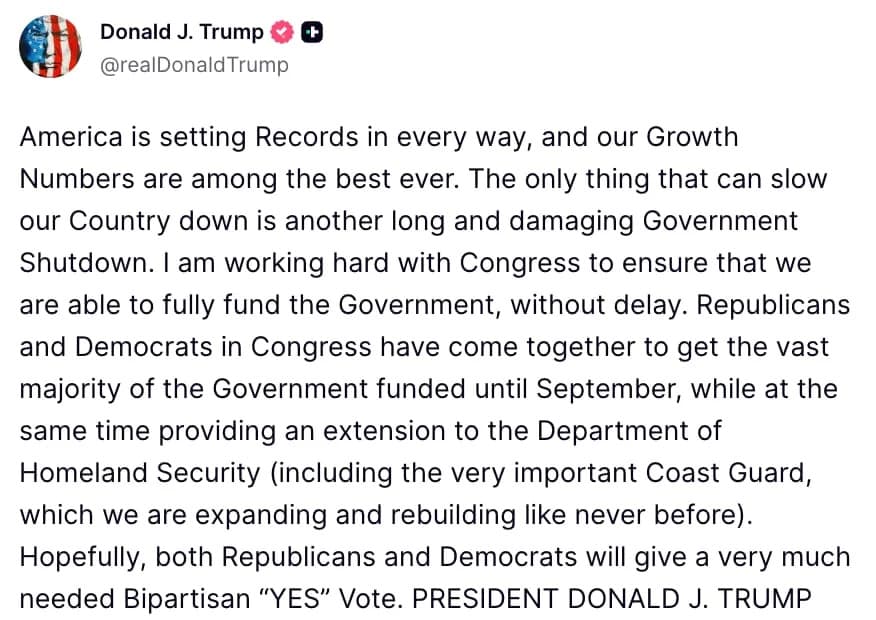
House Speaker Mike Johnson is urging Republicans to approve a short-term funding deal negotiated by President Trump and Senate Democrats to avoid a prolonged shutdown. The package would extend DHS funding for two weeks while lawmakers negotiate a yearlong spending agreement and potential ICE reforms after the killings of Renee Nicole Good and Alex Pretti. Hardline conservatives and some Democrats oppose parts of the plan, and Johnson’s razor-thin majority means every vote counts. A central dispute is whether certain immigration actions should require judicial warrants rather than agency-issued administrative warrants.
Johnson Faces GOP Revolt Over Trump–Democrats Funding Deal As Shutdown Looms

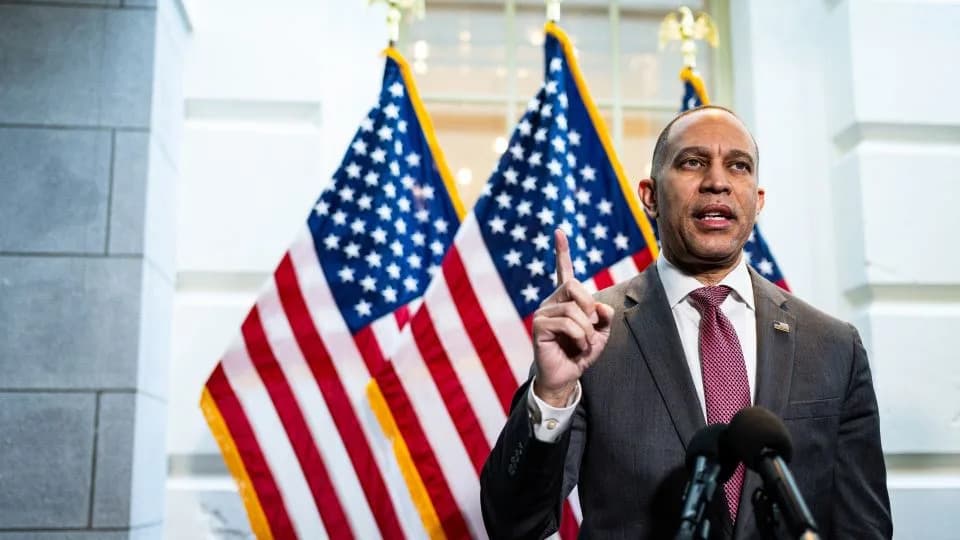
House Speaker Mike Johnson during a press conference on Capitol Hill on January 21. - Kylie Cooper/Reuters/File
House Speaker Mike Johnson returned to Washington with a narrow, urgent task: convince reluctant Republicans to approve a short-term funding package brokered between President Donald Trump and Senate Democrats — or risk a protracted government shutdown.
What’s At Stake
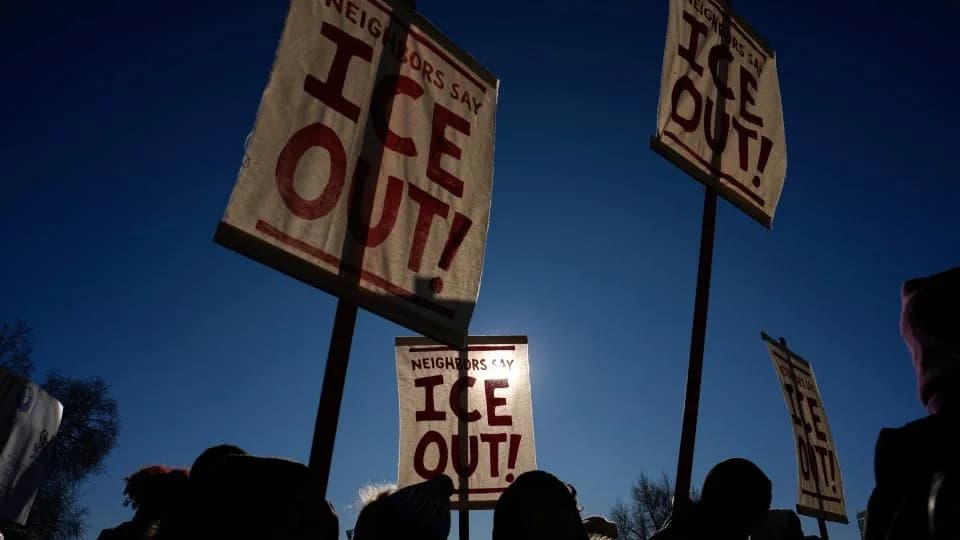
Two days after a partial lapse in federal funding, the House reconvenes to prepare a vote on legislation that would temporarily extend Department of Homeland Security (DHS) funding for two weeks and advance a separate, yearlong spending framework. The short extension is intended to buy time for broader negotiations, including Democratic demands for reforms to Immigration and Customs Enforcement (ICE) policies following the killings of Renee Nicole Good and Alex Pretti in Minneapolis.
Political Lines And The Math
Despite the White House’s endorsement, several conservative House Republicans are resisting the package. Representative Anna Paulina Luna has said she will withhold support unless a strict voter ID requirement is included — a provision Senate Democrats oppose. With Johnson’s slim majority, every vote matters: before a recently held special election, Johnson could afford only two defections on a party-line vote; once the newly elected Democrat from Texas, Christian Menefee, is sworn in, that margin will shrink to a single possible defection.
Procedural Hurdles
House Democratic leaders told Johnson they would not aid an attempt to fast-track the package. After that exchange, Republican leaders opted to move through regular order, which requires near-unanimous support among House Republicans to pass. A crucial step is the House Rules Committee meeting to set the terms for debate — a panel that includes hardline conservatives such as Reps. Chip Roy and Ralph Norman and where passage is not guaranteed.
Democratic Floor Dynamics
Dozens of House Democrats have already announced opposition to the deal, including Rep. Greg Casar, chair of the Congressional Progressive Caucus. Still, some Democrats privately signaled support during a caucus call: veteran lawmakers Steny Hoyer and Jim Clyburn reportedly backed the package, and party appropriators sometimes vote differently than progressive members. If Republicans can clear the procedural hurdle, some Democrats could join to ensure passage.
The Bigger Fight: Warrants And ICE Reforms
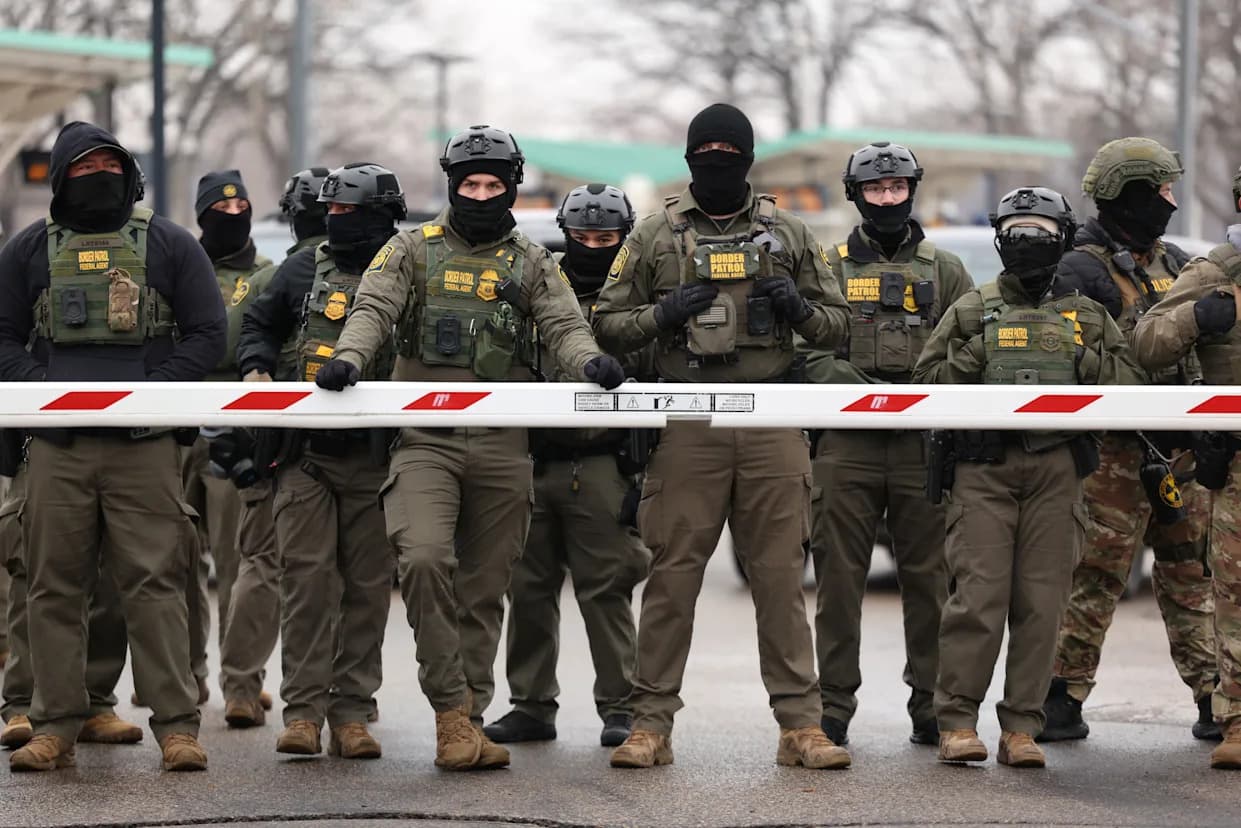
Assuming a short-term funding deal passes, the parties will face the tougher negotiating task of resolving ICE reform demands before the next DHS funding deadline in February. A central dispute is whether certain immigration enforcement actions should require judicial warrants (court-ordered signatures from a judge or magistrate) rather than administrative warrants issued internally by an agency. Democrats insist on judicial warrants as a precondition for moving forward; many Republicans call that requirement a nonstarter.
“The administrative warrants, in our view, aren’t worth the paper they are written on,” House Minority Leader Hakeem Jeffries said. Senator Lindsey Graham responded that judicial-warrant requirements are “ain’t going to happen.”
What Comes Next
If the Rules Committee clears the measure and the House reaches the floor vote — expected as early as Tuesday — most federal workers would avoid major shutdown impacts. But even if the immediate funding crisis is averted, the underlying dispute over ICE tactics and warrant standards will likely determine whether Congress can reach a longer-term DHS funding agreement or faces another shutdown in February.
Reporting note: This account synthesizes reporting on the negotiations, key players and procedural steps shaping the vote and subsequent immigration talks.
Help us improve.