The federal government may face a partial shutdown starting January 31 if lawmakers don’t resolve a dispute over DHS funding. Some departments—such as Agriculture and Veterans Affairs—are already funded, but many agencies that account for most discretionary spending could see furloughs or operational limits. Essential services like Social Security and Medicare would continue, but air travel, certain loan programs and economic reporting could be disrupted, and hundreds of thousands of federal employees could be affected.
What Could Be Affected If the U.S. Government Partially Shuts Down Again
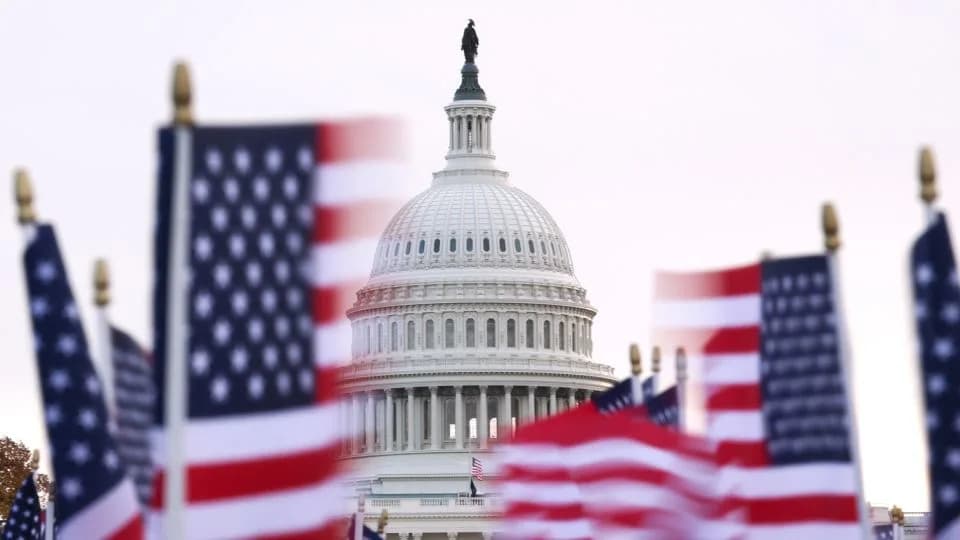
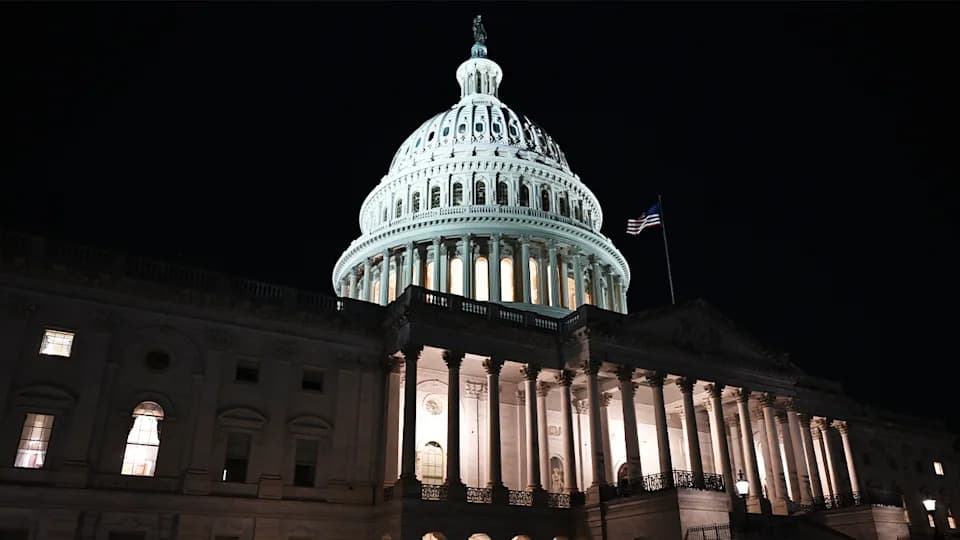
The US Capitol is shown on November 11, 2025 on Capitol Hill in Washington, DC. - Win McNamee/Getty Images
The federal government faces the prospect of a partial shutdown as lawmakers remain deadlocked over funding for the Department of Homeland Security (DHS). Funding for many—but not all—agencies is set to lapse after January 30 unless Congress acts, potentially triggering a partial shutdown that would begin January 31.
Which Agencies Would Be Affected?
Several departments have already been funded for the full fiscal year and would continue operating, including Agriculture, Veterans Affairs, Interior, Energy, Justice and Commerce. But other major agencies could be affected, including DHS, Defense, Education, Health and Human Services (HHS), Housing and Urban Development (HUD), Transportation, State, Labor and Treasury. Together, those agencies account for more than three-quarters of federal discretionary spending.
What Would Continue—and What Would Stop?
Shutdown rules vary by agency, but functions that protect life and property are normally classified as essential and remain operating. Social Security, Medicare and Medicaid payments are expected to continue. The U.S. Postal Service — an independent agency funded largely through its own revenue — will keep delivering mail. Many DHS components, Transportation Security Administration (TSA) officers, Customs and Border Protection (CBP) and Immigration and Customs Enforcement (ICE) staff typically continue to work during lapses, often without immediate pay.
Nonessential operations are usually furloughed. Examples from prior shutdowns include the suspension of certain court services (such as marriage certificates or wedding ceremonies in some local courts) and the inability of programs like the National Flood Insurance Program to issue new policies, which can delay home closings. Some national parks, museums and visitor services have also been closed or limited in past impasses, though many park sites and Smithsonian institutions remain open when they are already funded through the fiscal year.
Contingency Plans and Transparency
Agencies prepare contingency plans that list which employees will work and which functions will pause, and many employees required to work are not paid until appropriations are restored. In this funding standoff, contingency plans are available on individual agencies’ websites rather than posted centrally by the Office of Management and Budget, making it harder to compare plans across agencies quickly.
Who Would Be Most Affected?
Roughly 45% of the federal civilian workforce could be affected in a partial shutdown. Estimates indicate more than 500,000 federal workers could be required to work without pay, while roughly 480,000 additional employees could be furloughed. Federal contractors are not guaranteed back pay and can face layoffs or missed paychecks that are not covered by federal law.
Economic And Operational Consequences
Shutdowns delay federal spending and can reduce economic activity as furloughed workers cut back on purchases. The five-week 2018–2019 shutdown cost an estimated $3 billion in GDP growth and reduced certain tax collections by roughly $2 billion, according to the Congressional Budget Office. A shutdown also disrupts economic reporting: agencies like the Bureau of Labor Statistics may delay major releases, including the monthly jobs report, making it harder to gauge economic trends during the lapse.
Transportation And Travel
Air traffic controllers and TSA officers are usually deemed essential and must work during a shutdown, which can strain operations if support staff are furloughed. During the last extended lapse, the Federal Aviation Administration reduced flights at dozens of airports, producing thousands of delays and hundreds of cancellations. The U.S. Travel Association has warned that a shutdown could cost roughly $1 billion a week and worsen airport delays and restrictions.
What To Watch
- Whether Congress passes a full-year appropriations package or a continuing resolution before January 31.
- Any targeted moves by the administration or Congress to separate or amend DHS funding to win support in the Senate.
- Agency contingency-plan postings on individual websites that specify which services will operate and which employees will be furloughed.
Federal employees are legally guaranteed back pay after a lapse ends, but contractors do not have the same protection. The last shutdown saw the administration and agencies take steps to pay some personnel during the lapse; practices can vary by administration and by agency. Reporters Manu Raju and Heta Flowers contributed to this report.
Help us improve.