On Jan. 31, Iranian state media published photos of Supreme Leader Ayatollah Ali Khamenei praying at Ayatollah Khomeini’s tomb. Opposition groups say the images were staged to bolster morale within the IRGC amid weeks of nationwide protests. The release coincided with European calls to list the IRGC as a terrorist organization and a choreographed show of support by Iranian lawmakers. With a U.S. carrier strike group dispatched to the region, Khamenei warned any military attack could spark a wider conflict.
Iran Releases Staged Photos of Khamenei, Opposition Says Move Aims to Shore Up Struggling IRGC
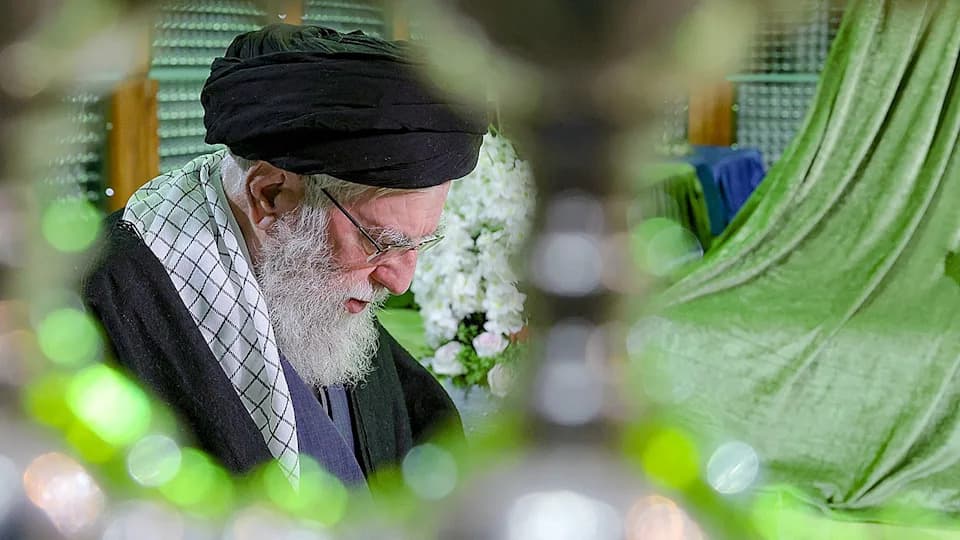
Iran's Supreme Leader Khamenei makes first public appearance in weeks with fresh U.S. threats.(AP Images)
Iranian state media on Jan. 31 published photographs of Supreme Leader Ayatollah Ali Khamenei praying at the tomb of Islamic Republic founder Ayatollah Ruhollah Khomeini. Opposition groups operating outside Iran say the images were staged to project unity and strength as the regime faces sustained internal pressure.
Opposition Claims: Propaganda to Bolster Security Forces
Ali Safavi, a senior official with the National Council of Resistance of Iran, told Fox News Digital the photos were "pure propaganda," intended less to reassure ordinary citizens than to rally a security apparatus under strain. He described the Islamic Revolutionary Guard Corps (IRGC) as the backbone of the regime but said it is showing signs of demoralization after weeks of suppressing nationwide protests.
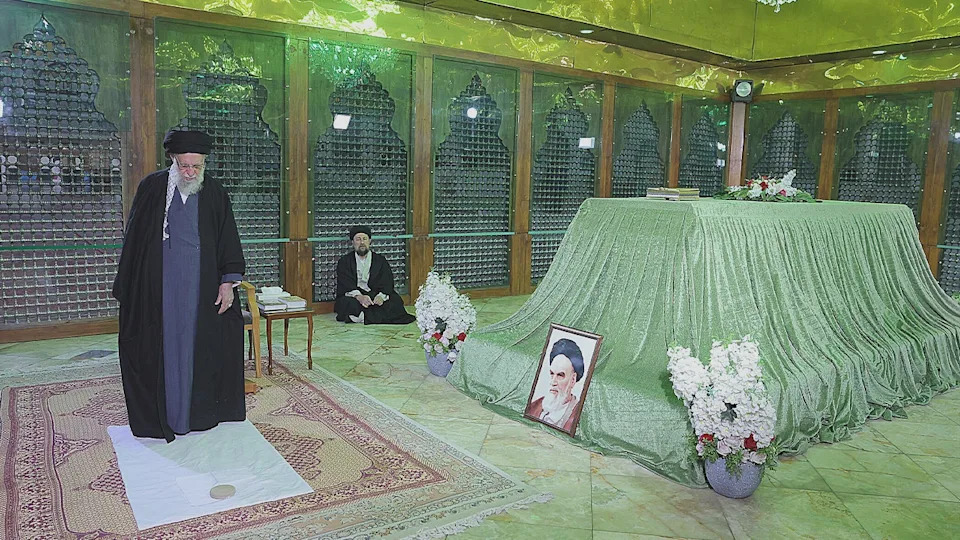
The supreme leader attended prayers at the founder's tomb as officials issued fresh threats against the U.S. and Europe, opposition groups said.
"He wanted to show that he is not afraid of dying, but at the same time he is desperately trying to boost the morale of his demoralized forces," Safavi said.
Safavi added that the staged images aim to shore up repressive institutions while acknowledging that Tehran's leadership is shaken by persistent public resistance: "The regime is reeling from the reality that its criminal clique cannot break the will of the people," he said.
International and Domestic Responses
The photo release coincided with calls in the European Parliament to designate the IRGC as a terrorist organization. Tehran reacted angrily: reports said Iranian lawmakers staged a choreographed display of solidarity by appearing in IRGC-style uniforms, displaying the IRGC flag, and holding a banner proclaiming, "The Revolutionary Guard is the largest anti-terrorism organization in the world." Safavi noted this mirrored the domestic response after the U.S. designated the IRGC a foreign terrorist organization in 2019, and he said many lawmakers are former IRGC commanders who help the corps exert broad influence across Iran's political and economic institutions.
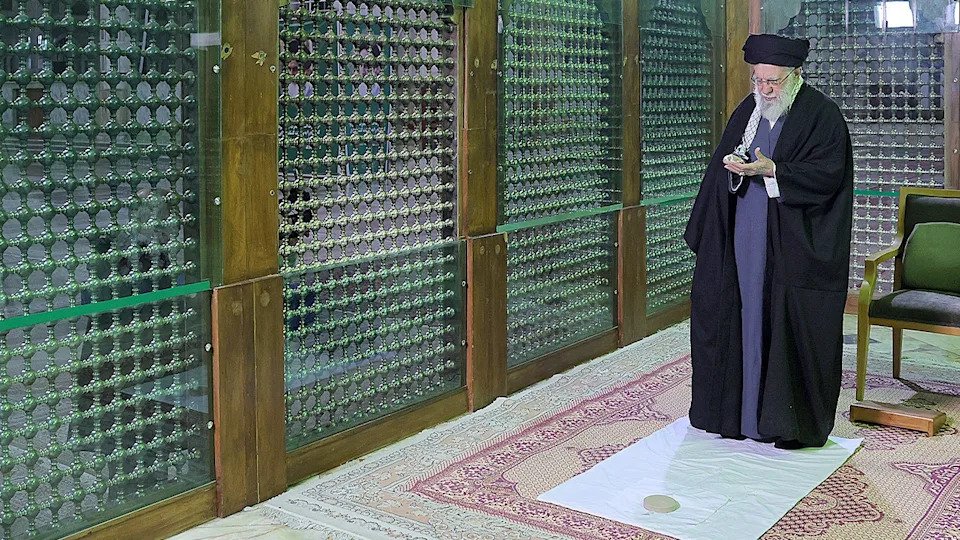
Iranian regime projects strength through staged images of Supreme Leader Ayatollah Ali Khamenei at prayers, opposition groups say.
Heightened Security Tensions
On the security front, the United States dispatched a naval strike group led by the USS Abraham Lincoln to the region. Iranian state media reported Khamenei warned that Iran does not start wars but would deliver a "strong blow" if attacked, and that any conflict begun by America could spread across the region.
"We are not the ones who start a war. But if America attacks or harms Iran, the Iranian nation will deliver a strong blow — and any war started by America will spread across the region," Khamenei said, according to state media.
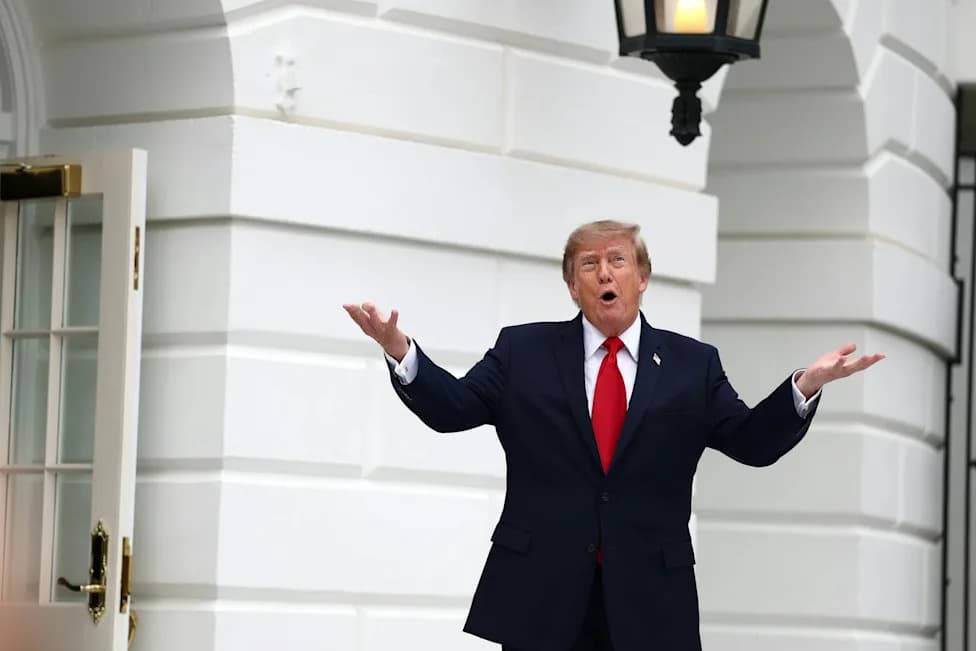
President Donald Trump commented that if Iran does not reach a deal on its nuclear program, "we'll find out" whether Khamenei's warning proves accurate. Opposition voices emphasize that the IRGC is deeply embedded in the regime: "Doing business with Iran means doing business with the IRGC," Safavi said. "The IRGC is the regime — even the clerics."
This sequence—staged images, parliamentary displays, international pressure and military posturing—illustrates how Tehran is attempting to manage both domestic unrest and heightened foreign scrutiny while the country's security institutions face public and political strain.
Help us improve.