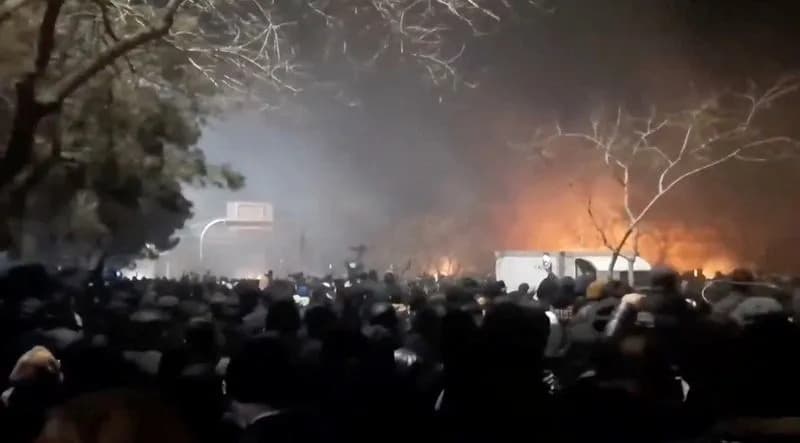
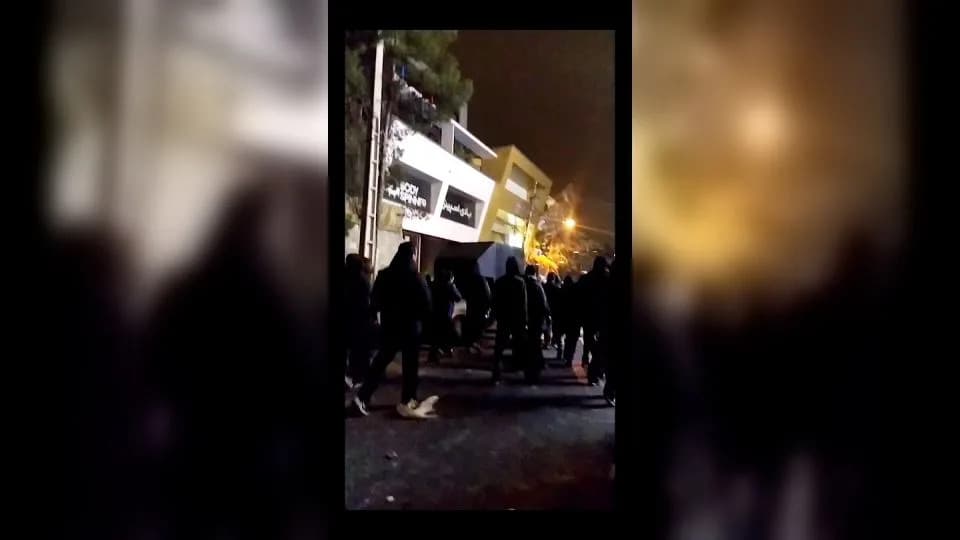
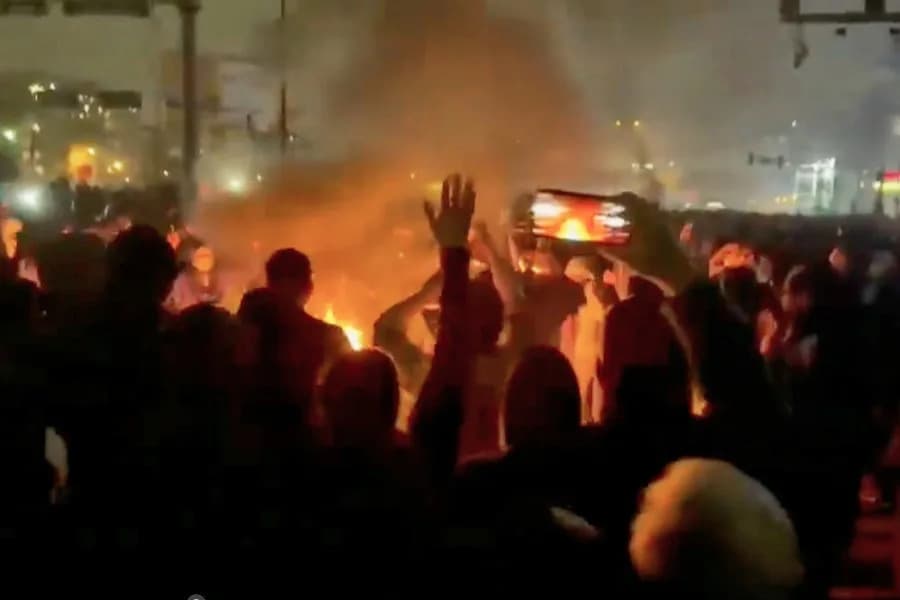
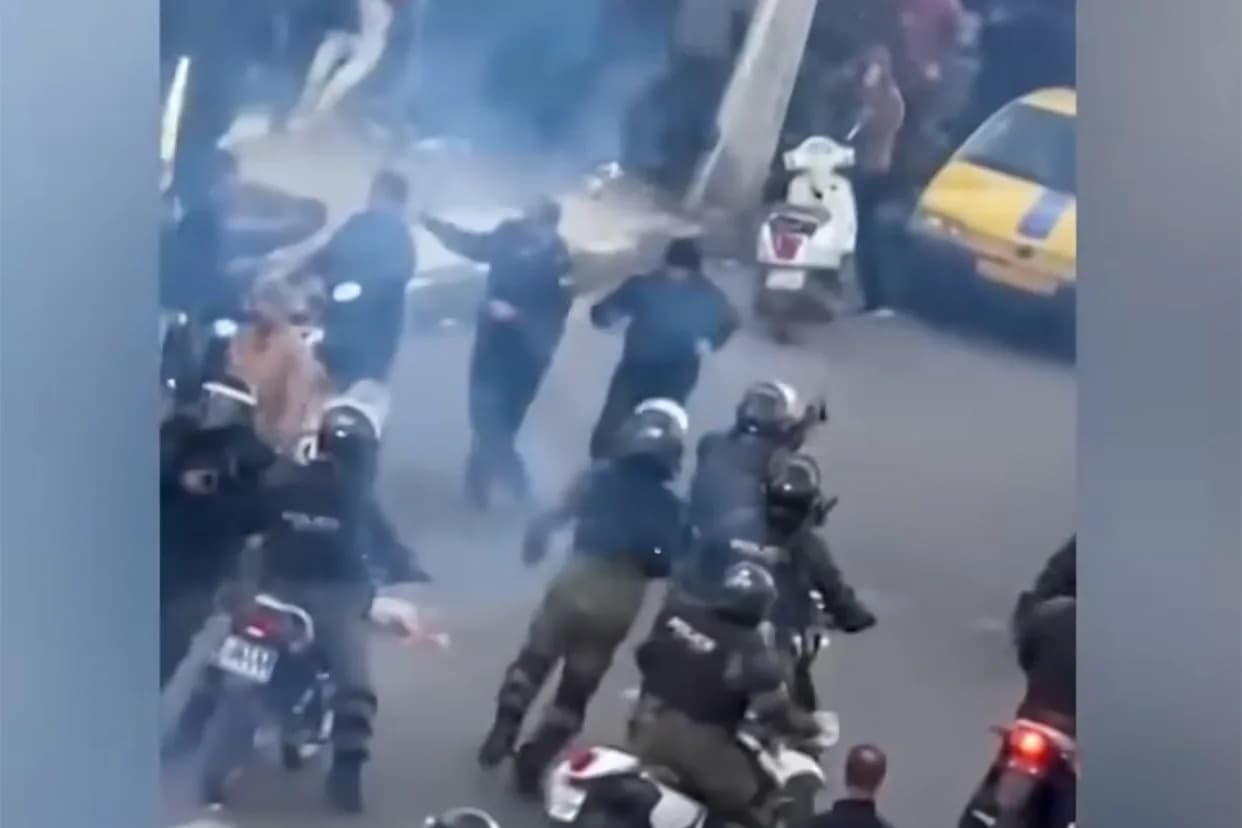
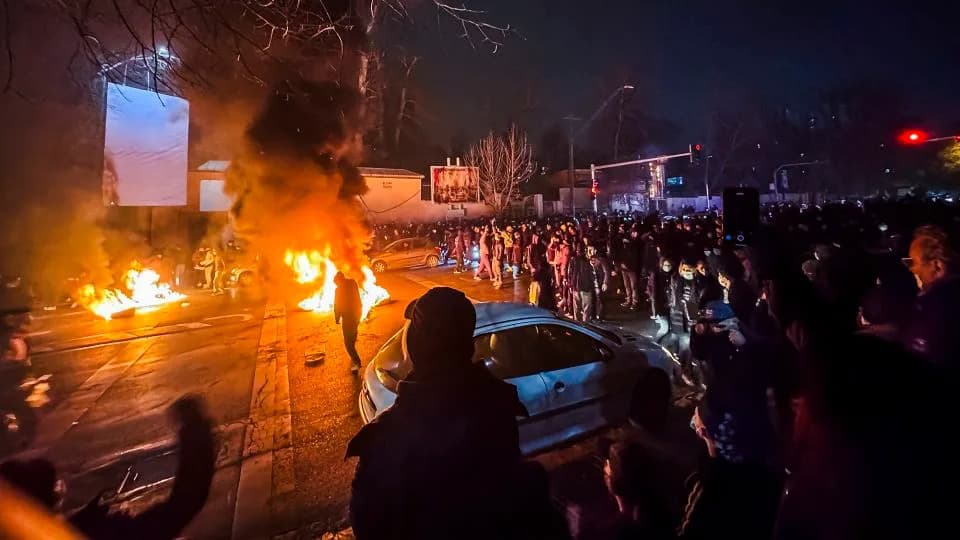
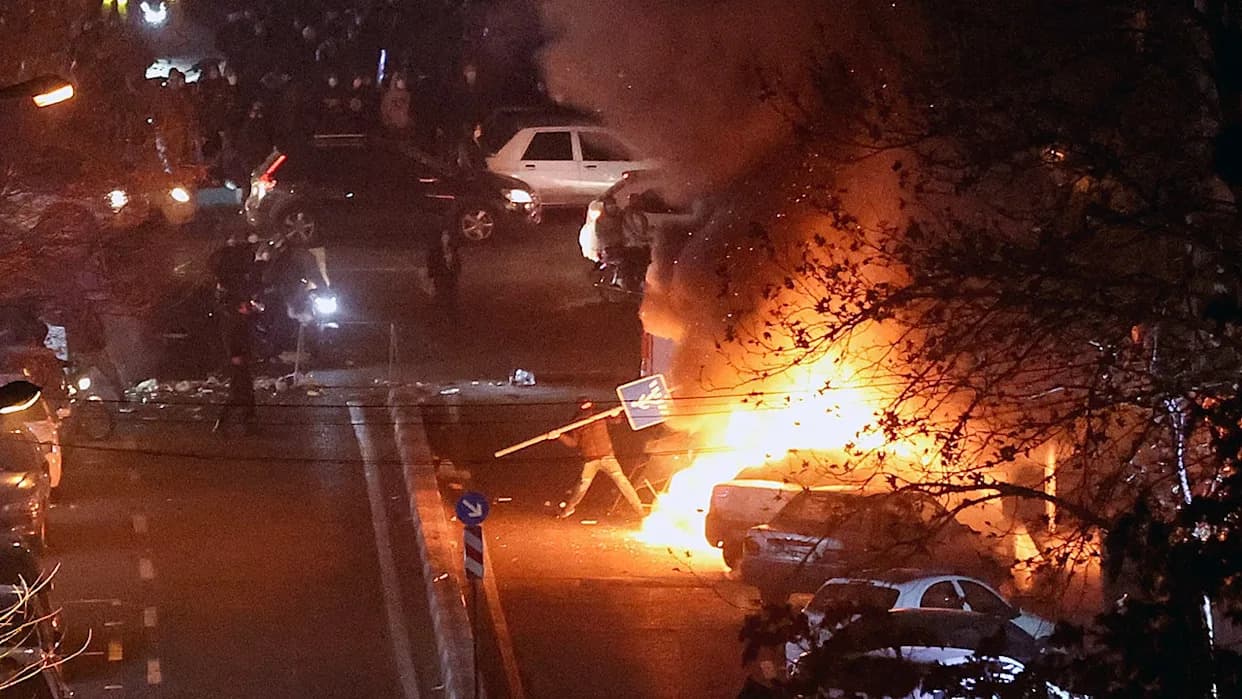
Tehran saw armored pickup convoys mounted with heavy machine guns patrolling at night amid violent clashes. Video shows masked fighters, reportedly linked to Hezbollah and Iraq’s PMF, guarding government sites while firing into the streets. HRANA reported Day 24 of nationwide protests with large casualty and arrest figures, and opposition groups claim foreign militias operate under IRGC command — allegations not independently verified in this report.
Armored Pickups Mounted With Heavy Machine Guns Patrol Tehran Amid Deadly Night Clashes
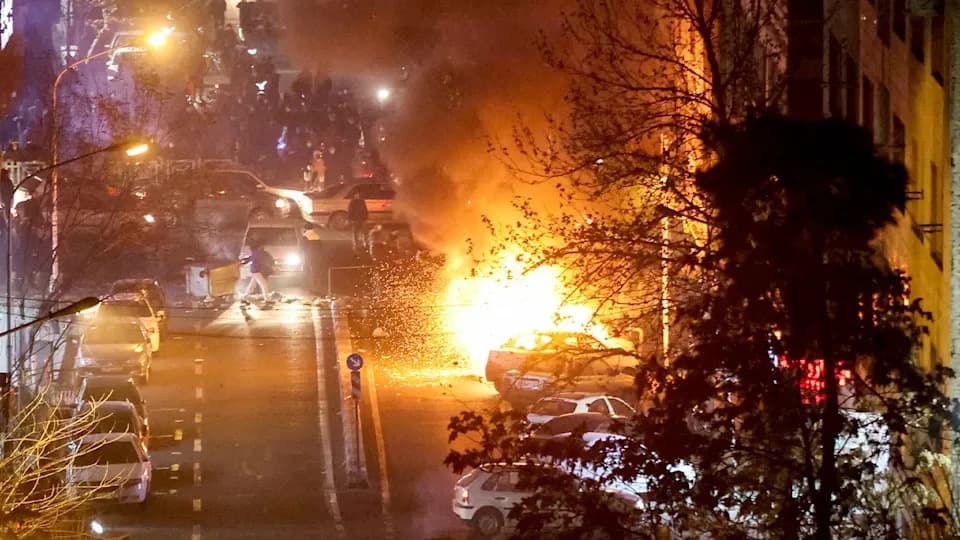
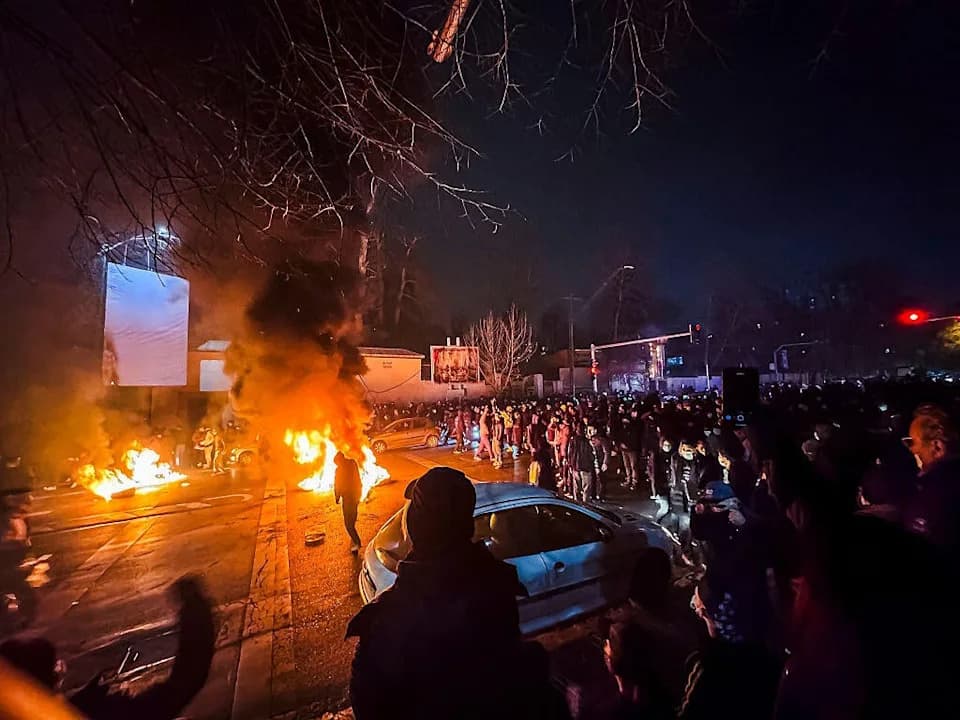
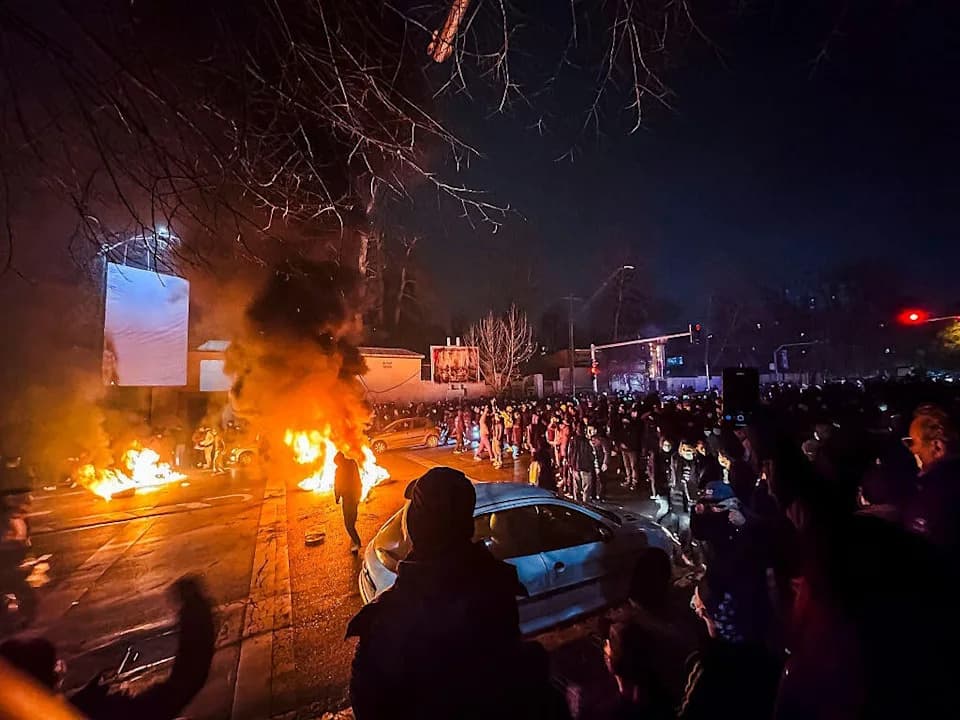
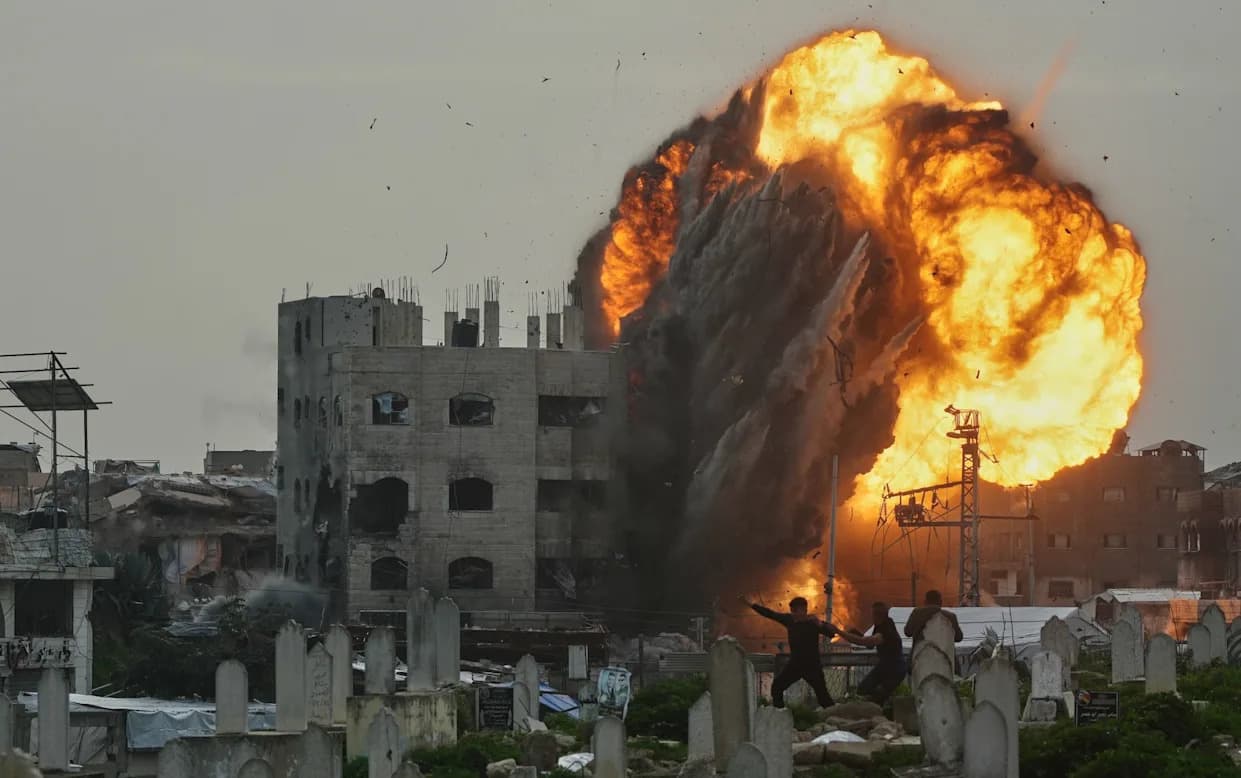
Cars burn in a street during a protest over the collapse of the currency’s value in Tehran, Iran, Jan. 8, 2026.(Reuters)
Gunfire rang out across Tehran on Tuesday as convoys of armored pickup trucks — many Toyota pickups — patrolled the capital at night, witnesses and opposition groups reported. Video circulated online shows masked fighters in convoys fitted with large-caliber machine guns firing into the darkness while shouting commands and guarding government buildings and state media sites.
Footage and eyewitness accounts: The clips show multiple pickup trucks mounted with what observers described as Russian-made DShK heavy machine guns (often referred to as 50-caliber mounts). Vehicles moved through major intersections and residential streets, with large-caliber gunfire audible as convoys maneuvered through urban areas.
Allegations of foreign militias and command structure: Ali Safavi, a senior official with the National Council of Resistance of Iran (NCRI), told Fox News Digital that dozens of Toyotas with heavy weapons had been deployed and that fighters appeared to include elements linked to Lebanon’s Hezbollah and Iraq’s Popular Mobilization Forces (PMF), including Hashd al-Sha’bi. Safavi said these fighters were reportedly operating under the command of the Islamic Revolutionary Guard Corps (IRGC) and claimed the regime had brought in at least 5,000 foreign personnel to secure Tehran.
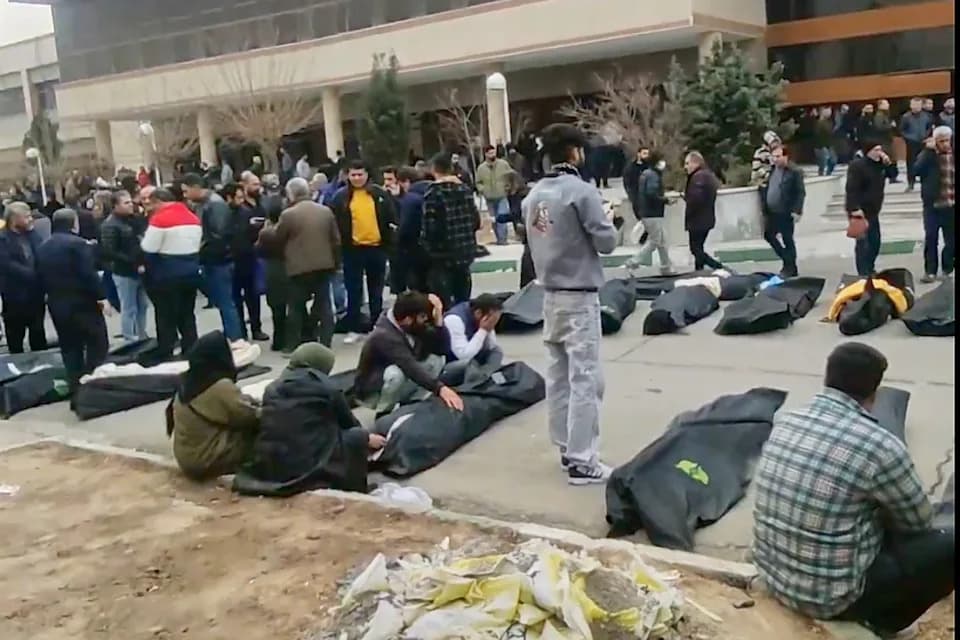
Claims of nighttime clashes and abuses: Safavi also alleged continuing fierce night clashes between protesters and special units, and accused IRGC units of attacking a hospital in Gorgan, killing wounded patients, deploying snipers and removing roughly 76 bodies to a warehouse — claims the NCRI presented as part of its account of the unrest.
Casualty and detention figures: The Human Rights Activists News Agency (HRANA), which has been tracking the protests, described the day as Day 24 of nationwide demonstrations and reported a communications blackout. HRANA published casualty and detention figures it attributed to the unrest: 4,519 confirmed deaths, 9,049 deaths under investigation, at least 5,811 seriously injured and 26,314 arrested. These figures have not been independently verified by international agencies in this report.
Security presence and public response: HRANA and other monitors described an overwhelming security presence after nightfall — including law enforcement, the IRGC, Basij units and plainclothes agents — creating an atmosphere of deterrence and fear for residents and demonstrators. Protesters have continued demonstrations since they began on Dec. 28, driven by economic grievances and opposition to clerical rule, despite internet shutdowns, mass arrests and reported use of lethal force.
Official rhetoric and international reactions: Iran’s Supreme Leader Ayatollah Ali Khamenei has repeatedly blamed foreign enemies for the unrest while publicly supporting the IRGC’s actions. On the international stage, former U.S. President Donald Trump warned Tehran that assassination threats from Iranian leaders could prompt a forceful response, comments that added to the heightened tensions around the crisis.
Note on sourcing: Many of the details in this report come from opposition groups (NCRI) and local rights monitors (HRANA). Their claims, including the presence of foreign militias and specific casualty totals, have been reported here as attributed but have not been independently verified by neutral international organizations within this article.
The situation remains fluid. Observers say continued information blackouts and restrictions on independent reporting make independent verification difficult; international monitoring and further reporting will be necessary to confirm many of the allegations and casualty figures.
Help us improve.