Quick Take: Iran’s parliament speaker Mohammad Bagher Qalibaf announced that Iran now considers the militaries of all EU member states to be terrorist organizations, a largely symbolic retaliation for the EU’s designation of the Islamic Revolutionary Guard Corps. The move came as Iran planned live-fire drills in the Strait of Hormuz amid heightened tensions with the U.S. and increased international scrutiny of Tehran’s nuclear activities. Iranian officials say negotiation frameworks are progressing, but no direct talks with Washington have been publicly confirmed.
Iran’s Parliament Labels All EU Militaries Terrorist Groups in Escalatory Response
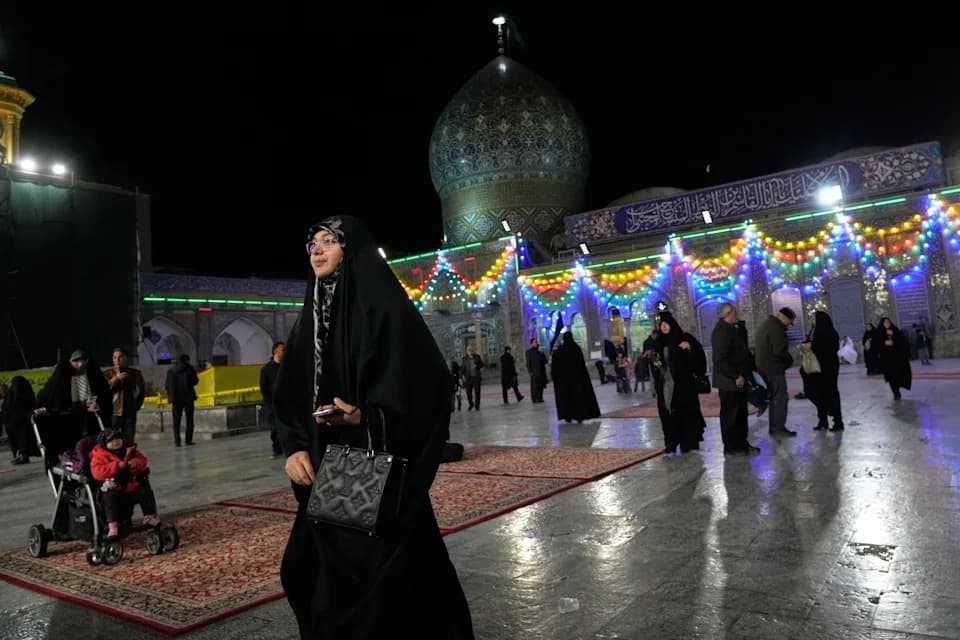
A woman walks through the Shiite Saints Abdulazim and Taher shrine in Shahr-e-Ray, south of Tehran, Iran, Thursday, Jan. 29, 2026. (AP Photo/Vahid Salemi)(ASSOCIATED PRESS)
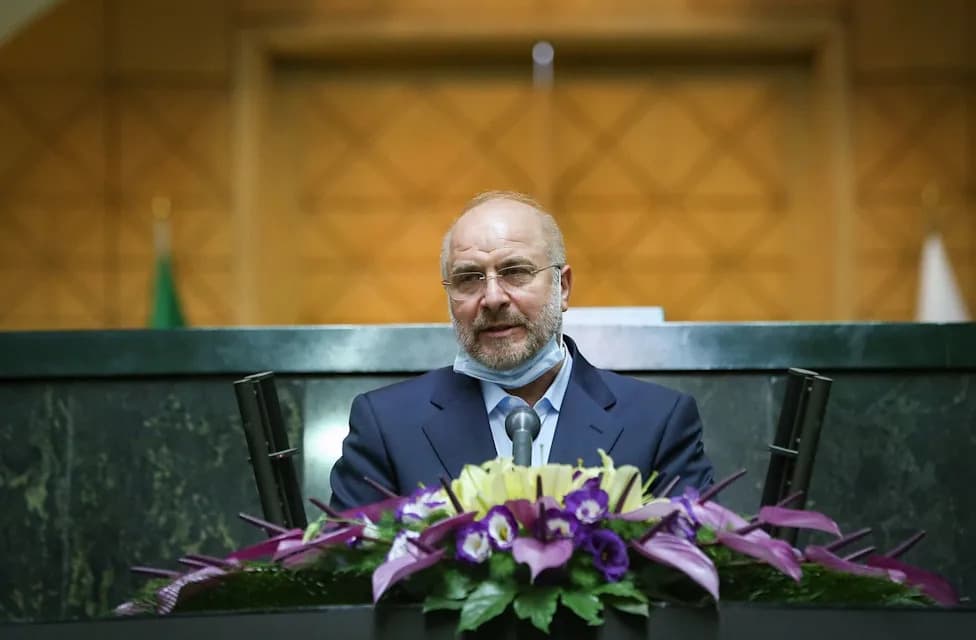
The speaker of Iran’s parliament, Mohammad Bagher Qalibaf, announced on Sunday that the Islamic Republic now regards the militaries of all European Union member states as terrorist organizations. The declaration was made in response to the EU’s recent decision to list Iran’s Islamic Revolutionary Guard Corps (IRGC) as a terrorist organization over its forceful crackdown on nationwide protests.
Symbolic Move, But Tense Timing
Analysts say the designation is largely symbolic. Tehran has used a 2019 reciprocity law in the past to label foreign military forces as terrorist entities after other countries—most notably the United States—designated the IRGC as a terrorist organization in 2019. Still, the announcement comes at a moment of heightened regional tension.
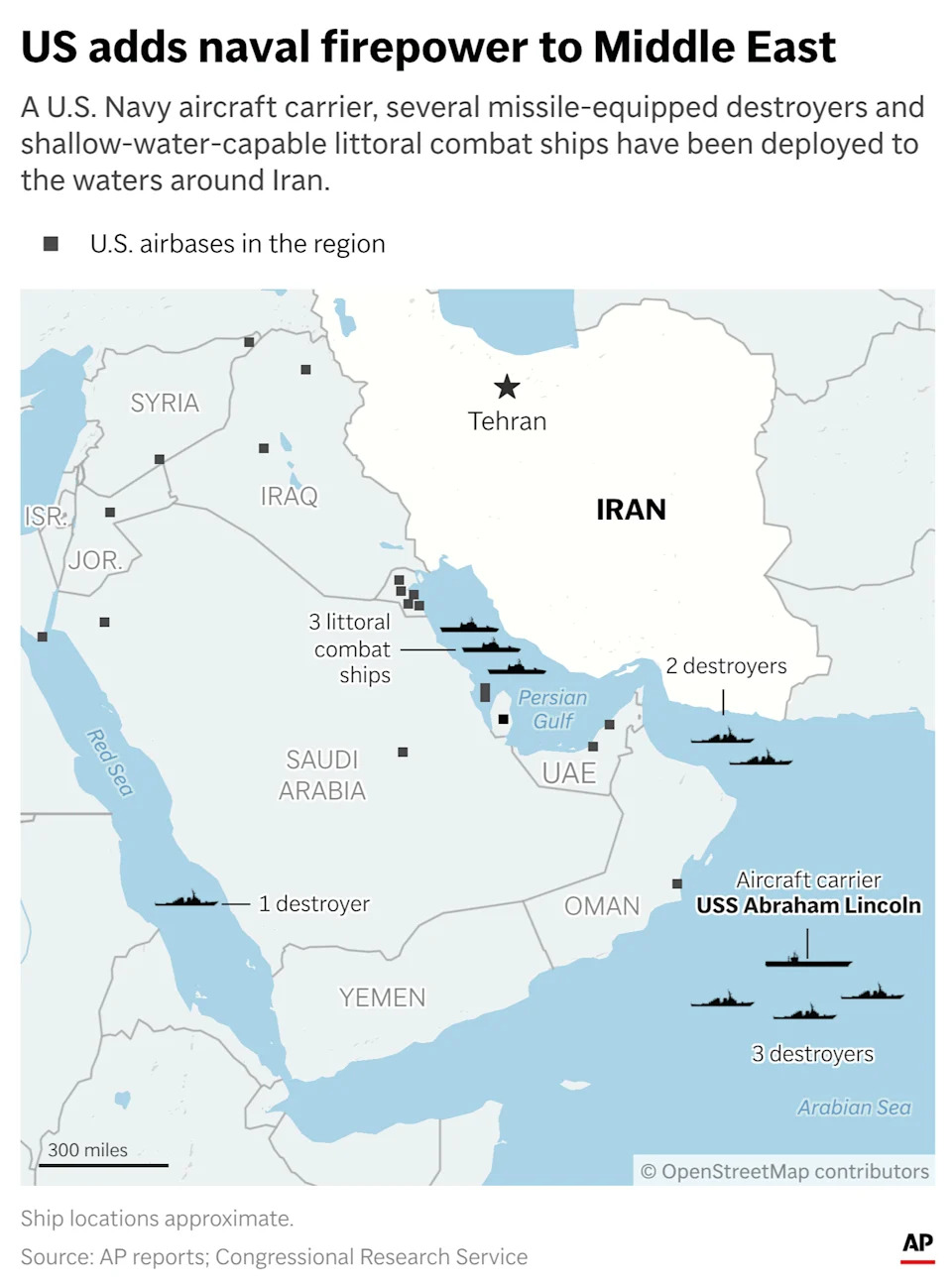
U.S. warships have steamed to the Mideast and President Donald Trump renews his focus on Iran. (AP Digital Embed)(ASSOCIATED PRESS)
Show Of Support For The Guard
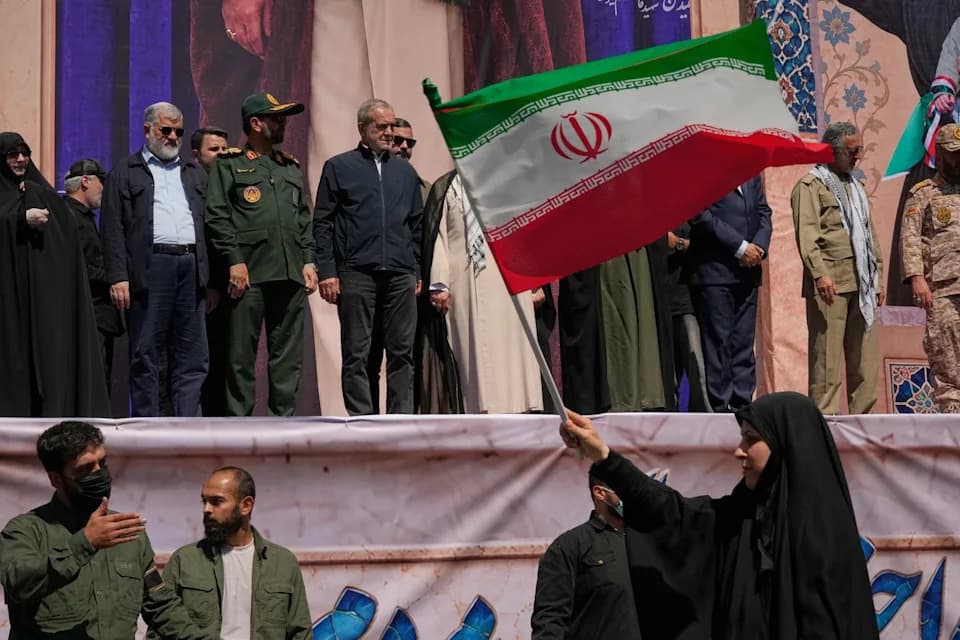
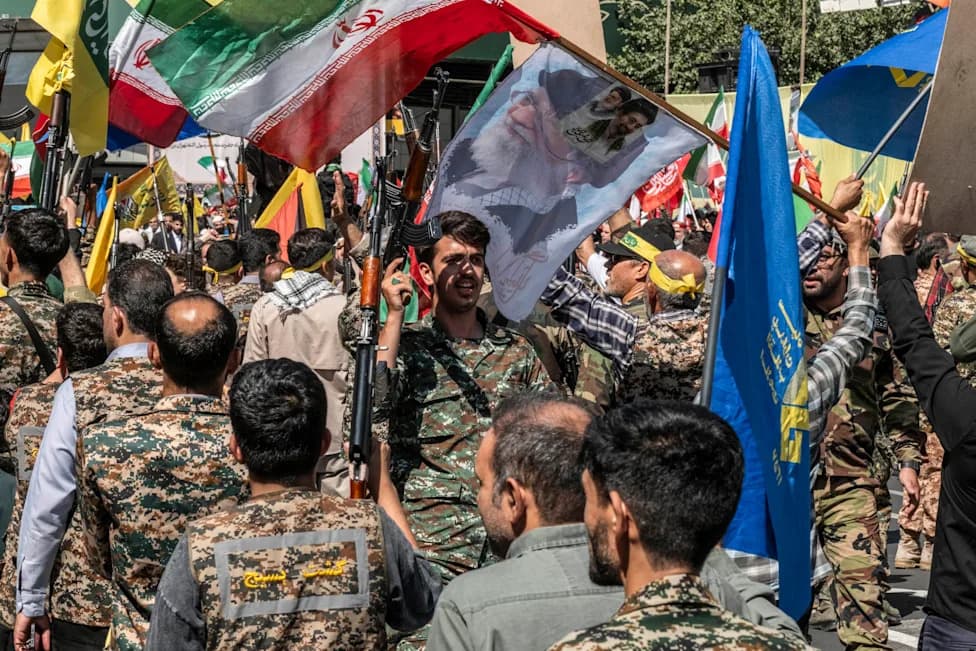
Qalibaf, a former Revolutionary Guard commander, and other lawmakers attended the parliamentary session wearing Guard-style uniforms to demonstrate solidarity with the IRGC. The Guard controls Iran’s ballistic missile arsenal and significant economic interests, and it answers directly to Supreme Leader Ayatollah Ali Khamenei.
“By seeking to strike at the (Guard), which itself has been the greatest barrier to the spread of terrorism to Europe, Europeans have in fact shot themselves in the foot and, once again through blind obedience to the Americans, decided against the interests of their own people,” Qalibaf said.
During the session, some lawmakers chanted slogans including “Death to America!” and “Death to Israel!”
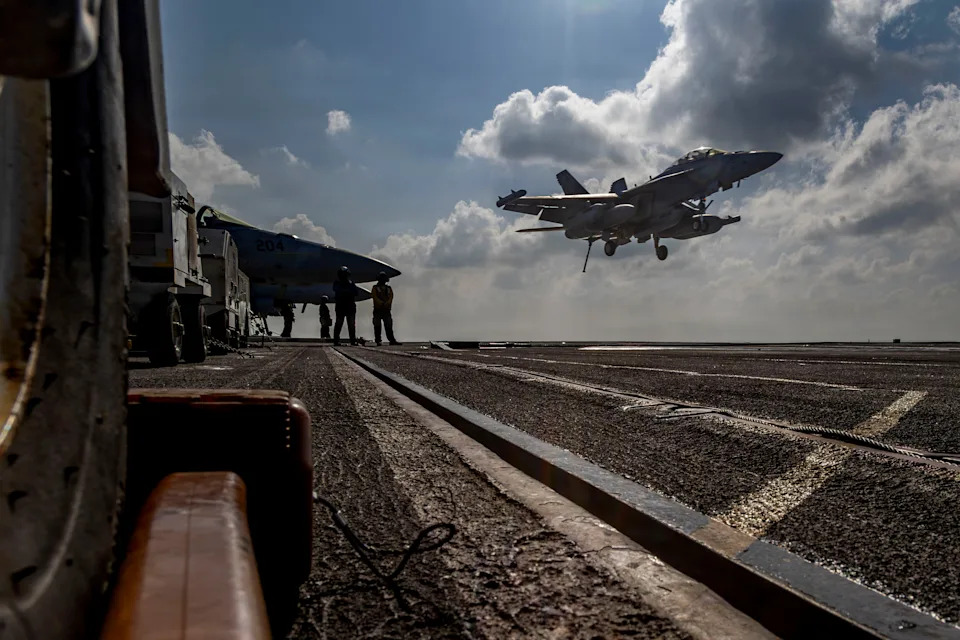
This handout image from the U.S. Navy shows an EA-18G Growler landing on the flight deck of the Nimitz-class aircraft carrier USS Abraham Lincoln in the Indian Ocean on Jan. 23, 2026. (Mass Communication Specialist Seaman Daniel Kimmelman/U.S. Navy via AP)(ASSOCIATED PRESS)
Regional Security And Military Posturing
The announcement coincided with Tehran’s plan to hold live-fire naval drills in the strategic Strait of Hormuz, a narrow chokepoint through which roughly one-fifth of the world’s traded oil passes. The exercises and the parliament’s declaration contribute to rising tensions between Iran and Western countries.
U.S. Response And Nuclear Concerns
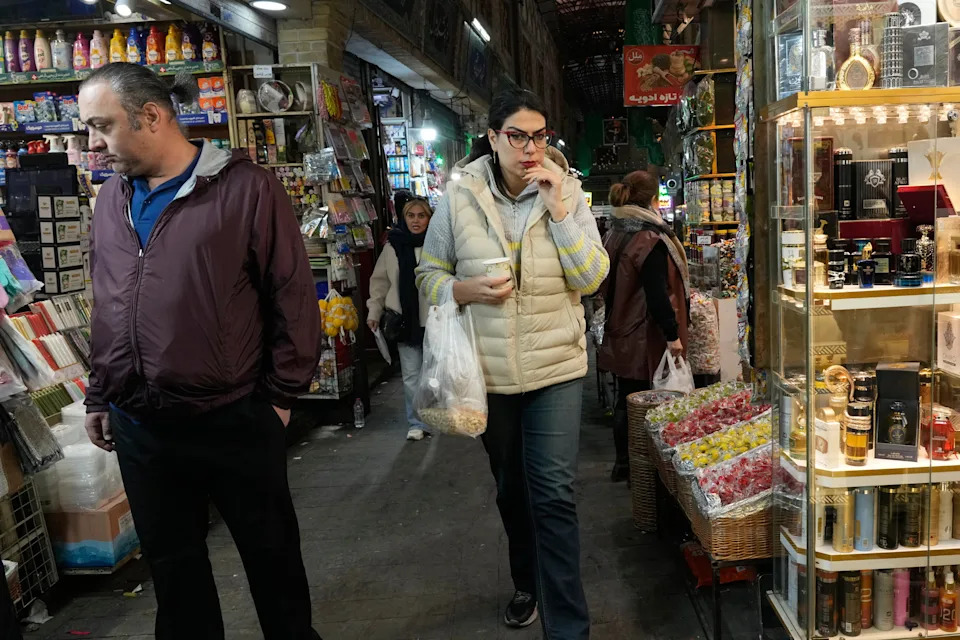
People walk through the Tajrish bazaar market in northern Tehran, Iran, Tuesday, Jan. 27, 2026. (AP Photo/Vahid Salemi)(ASSOCIATED PRESS)
U.S. officials have reiterated red lines for possible military action, citing concerns such as the killing of peaceful protesters and reports of mass executions in the wake of Iran’s crackdown. U.S. President Donald Trump (as identified in the original reporting) has also emphasized preventing Iran from acquiring nuclear weapons, saying Tehran should negotiate a “satisfactory” deal.
When asked whether he had decided on potential military action, the president declined to specify a course and said only that talks with Iran were ongoing. Separately, senior Iranian officials, including Ali Larijani, have said structural arrangements for negotiations are progressing, though no direct talks with Washington have been publicly confirmed and Supreme Leader Khamenei has repeatedly ruled out unconditional negotiations with the United States.
Notes On Reporting
Some earlier draft details in the original reporting about recent military strikes and a short conflict involving Israel and Iran were unclear and could not be independently verified. This revised article focuses on the verified and attributable statements and developments: the parliamentary designation, the planned drills in the Strait of Hormuz, public statements by Iranian and U.S. officials, and the ongoing diplomatic posture.
Help us improve.