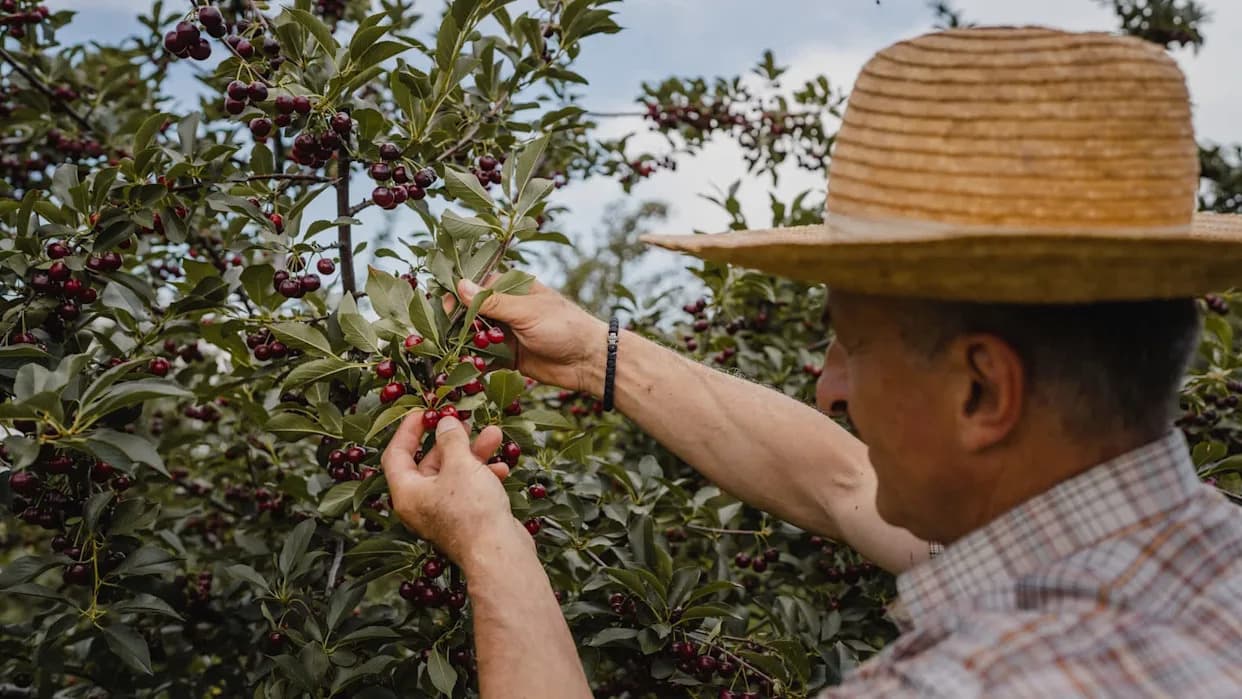
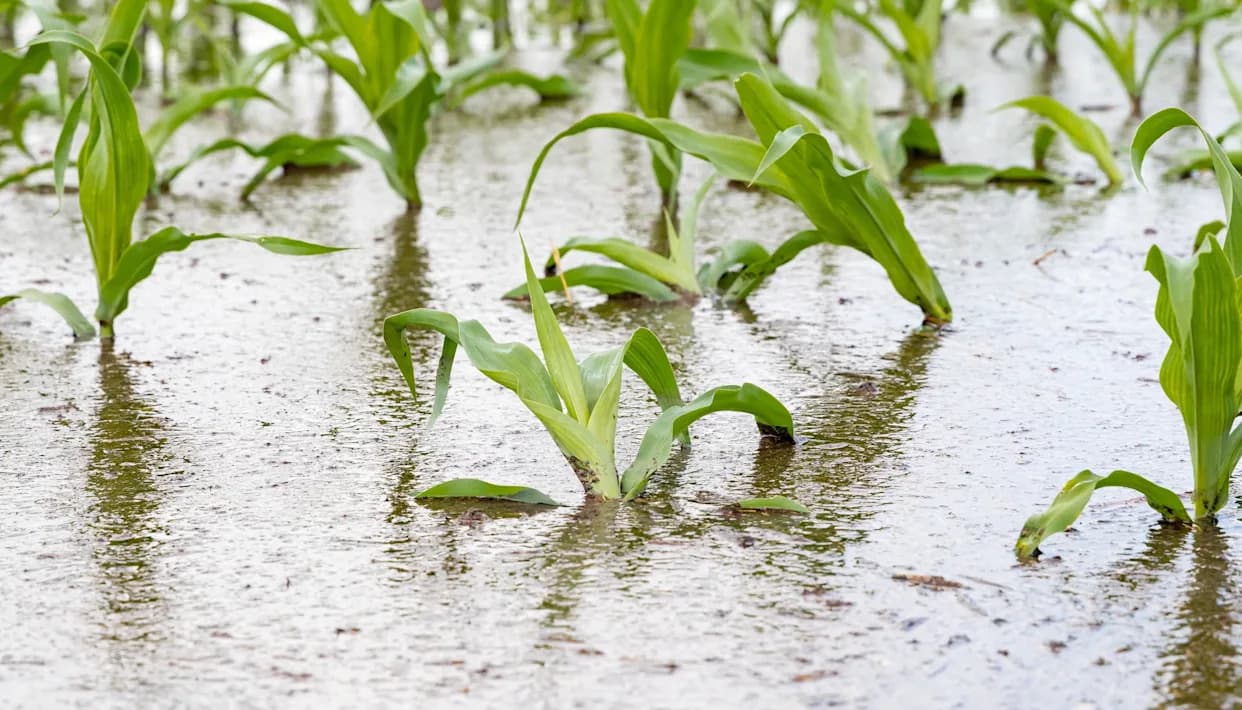
Argentine cherry growers are facing a sharply reduced season after heavy rain and repeated hailstorms battered orchards across the country's main production zones. The damage has cut both volumes and quality, squeezing exports and threatening growers' incomes.
Industry publication Eurofruit and Argentina's national agricultural protection agency SENASA report that total cherry shipments for the 2025/26 season reached 3,760 tonnes (over 4,100 tons). That represents a 38% decline year-on-year and is 19% below the five-year average.
“The sector is on course for its worst season since 2019,” the report warned, underscoring the scale of the losses.
Many growers had expected a better crop, but heavy rain and hail damaged the "main producing areas," according to Eurofruit. As a result, much of the remaining harvest was redirected to the domestic market rather than being exported.
Shifts in Export Markets
Despite the fall in overall volumes, the United States emerged as the largest export destination, taking 36% of shipments, while China's share declined to 26%. Export patterns are shifting even as total availability tightens.
Wider Impacts
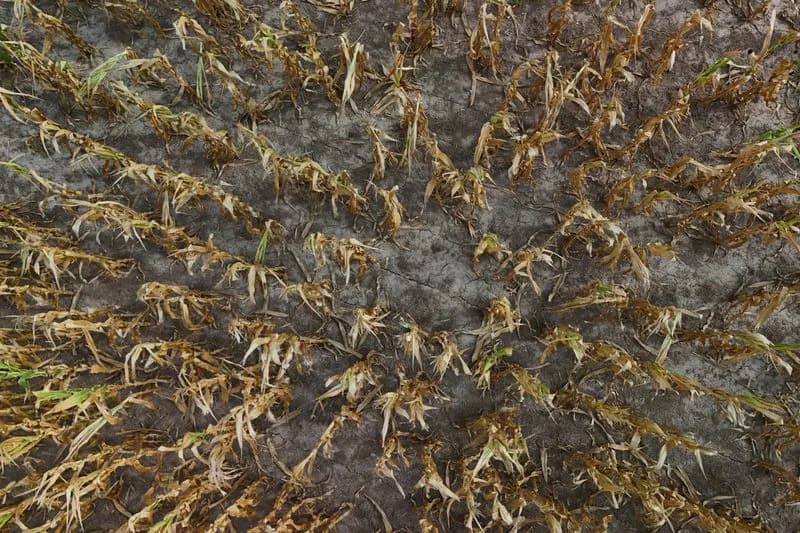
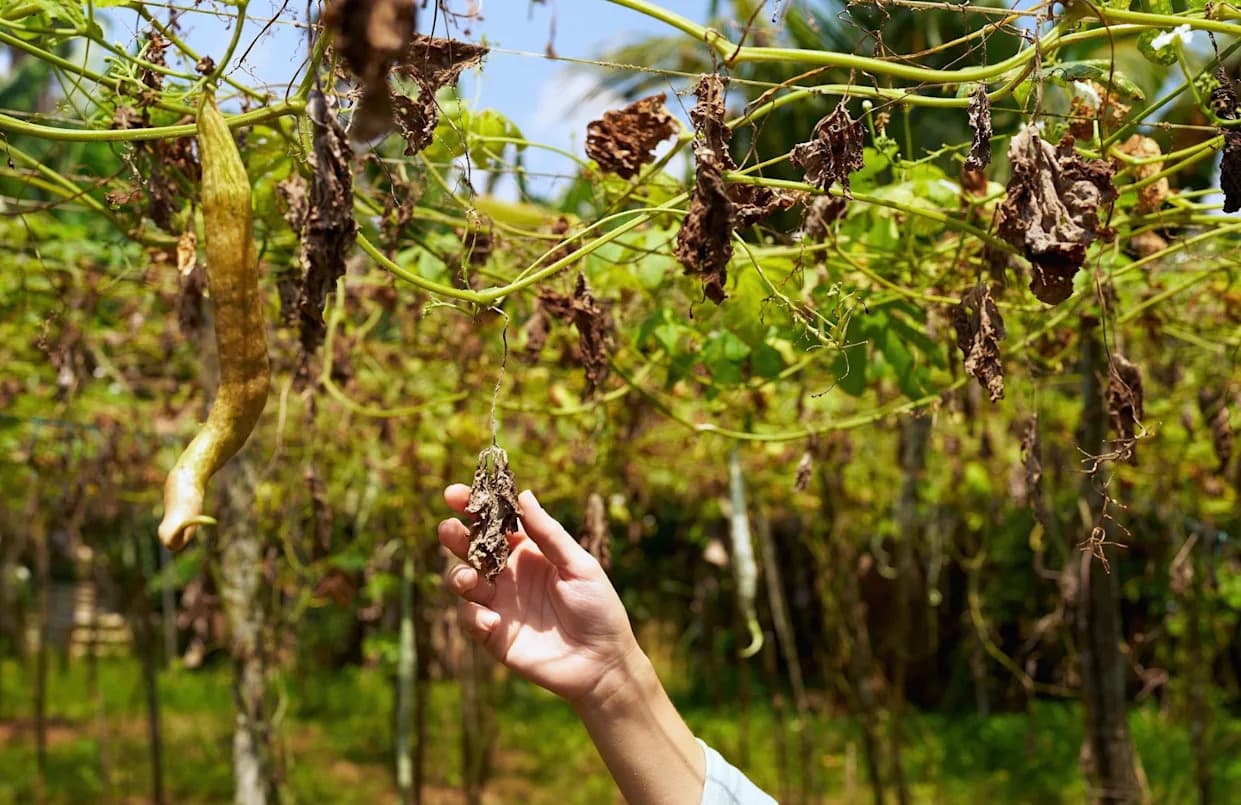
Observers say the setback highlights how a warming, more volatile climate can affect horticultural output. Frequent extreme weather events reduce yields and quality, produce direct financial losses for farmers, and can jeopardize their ability to recover or invest in future seasons. Lower export volumes also tighten global supplies and can push consumer prices higher.
Building Resilience
To reduce future losses, producers and industry groups are prioritizing resilience measures, including:
- Physical protections such as anti-hail netting and improved drainage systems.
- Crop strategies like breeding and adopting climate-resilient varieties.
- Adaptive farming practices to better manage water, pests and extreme events.
Policymakers and exporters also stress that cutting planet-warming emissions from coal, gas and oil is essential to stabilise long-term climate risks that harm agriculture.
For now, the Argentine cherry season faces significant setbacks, but investments in climate-aware farming and infrastructure offer a route to more reliable production in future seasons.