Argentina has declared a state of emergency in parts of Patagonia after wildfires destroyed at least 45,000 hectares in Chubut and neighboring provinces since mid-January. The declaration, announced by the president's office, covers Chubut, Río Negro, Neuquén and La Pampa and aims to improve coordination between provincial and national teams. Los Alerces National Park is among the hardest hit, though cooler weather and drizzle have given firefighters some relief. Officials say one fire near Epuyén is roughly 85% contained.
Argentina Declares State Of Emergency As Wildfires Ravage Patagonia
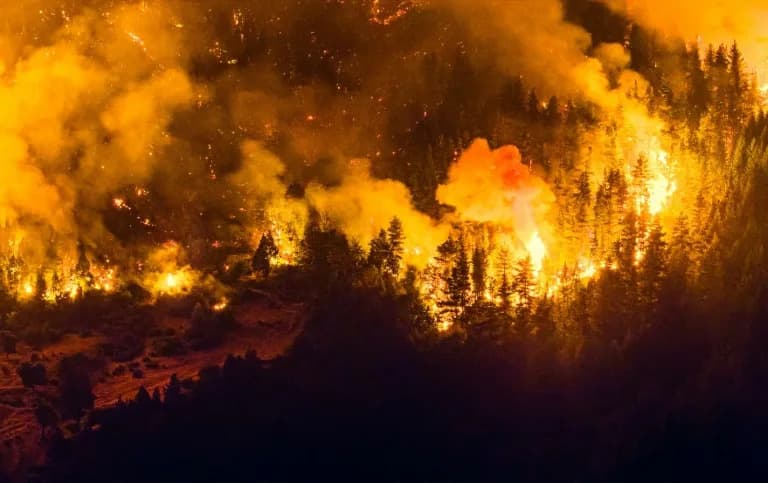
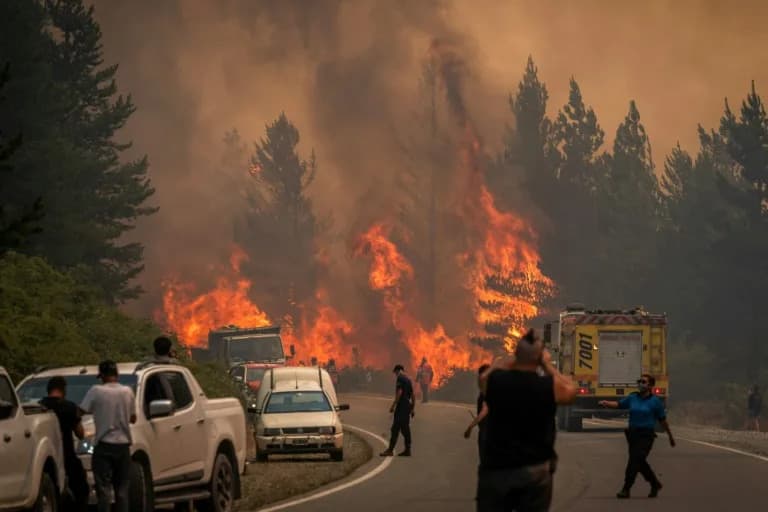
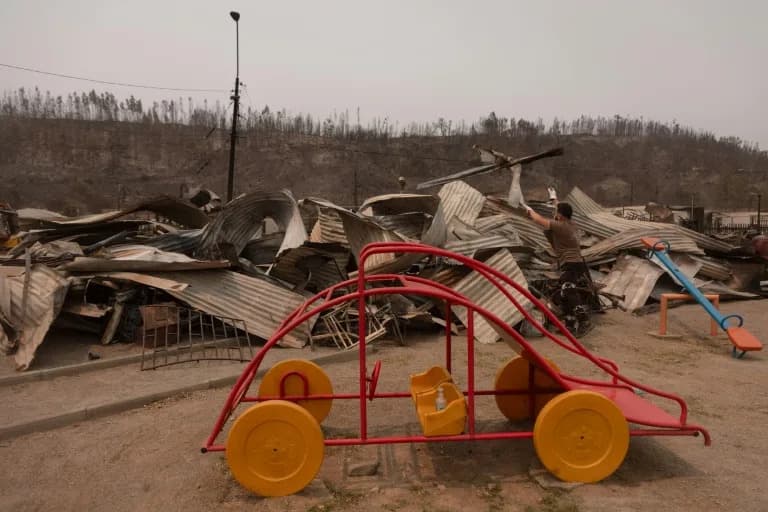
Argentina's government has declared an emergency over wildfires raging for weeks in four provinces in the remote southern Patagonia region (Martín Levicoy)(Martín Levicoy/AFP/AFP)
Argentina's government on Thursday declared a state of emergency in parts of Patagonia as wildfires have burned through vast tracts of forest since the start of the Southern Hemisphere summer.
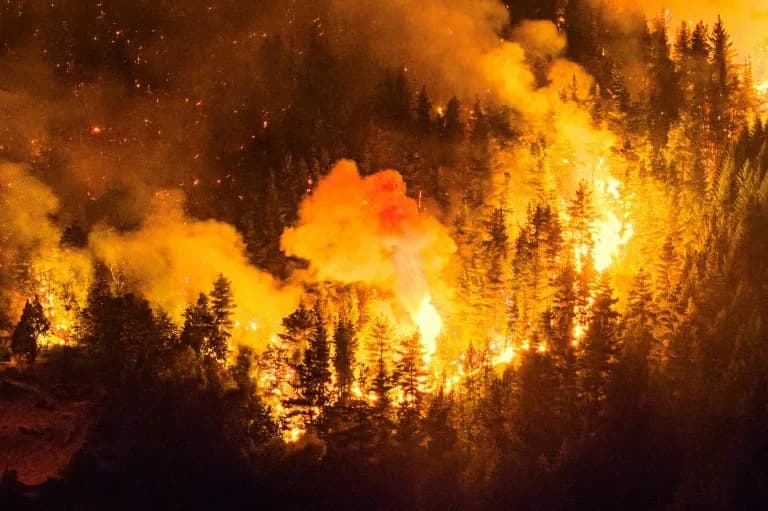
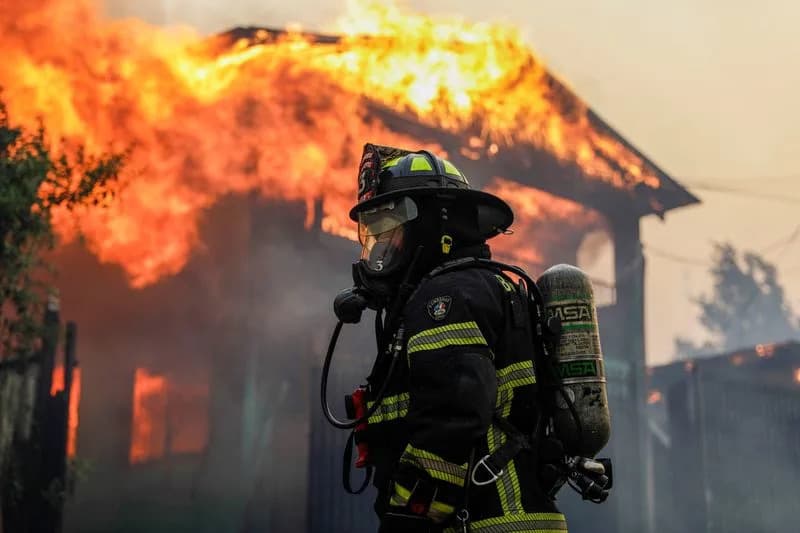
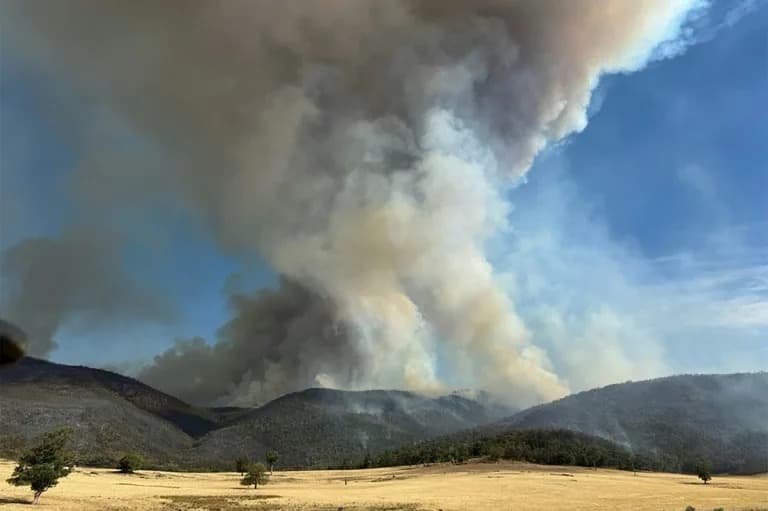
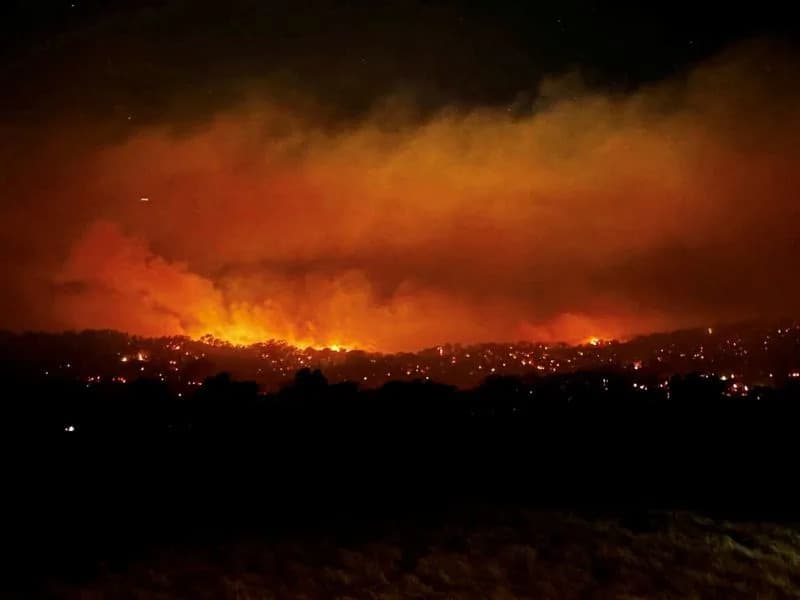
The largest blazes are concentrated in southern Chubut province, where authorities estimate at least 45,000 hectares of woodland—an area roughly the size of San Francisco—have been destroyed since mid-January. Hundreds of firefighters are deployed across the region trying to keep flames away from towns and populated areas.
Emergency Measures And Affected Areas
President Javier Milei's spokesman, Manuel Adorni, said the emergency declaration will take effect on Friday for the Patagonian provinces of Chubut, Río Negro, Neuquén and La Pampa. Officials say the measure is intended to streamline cooperation, logistics and the sharing of resources between provincial and national firefighting and emergency-response teams.
Impact And Response
Los Alerces National Park, a large reserve known for its pristine forests and glacial lakes, is among the worst-affected areas. Provincial authorities report that another significant blaze near the small Andean town of Epuyén is about 85% contained.
In recent days, cooler temperatures and light drizzle have given crews some respite. The deputy director of the Federal Emergencies Agency, Ignacio Cabello, told El Chubut FM radio that the milder weather had helped firefighting efforts.
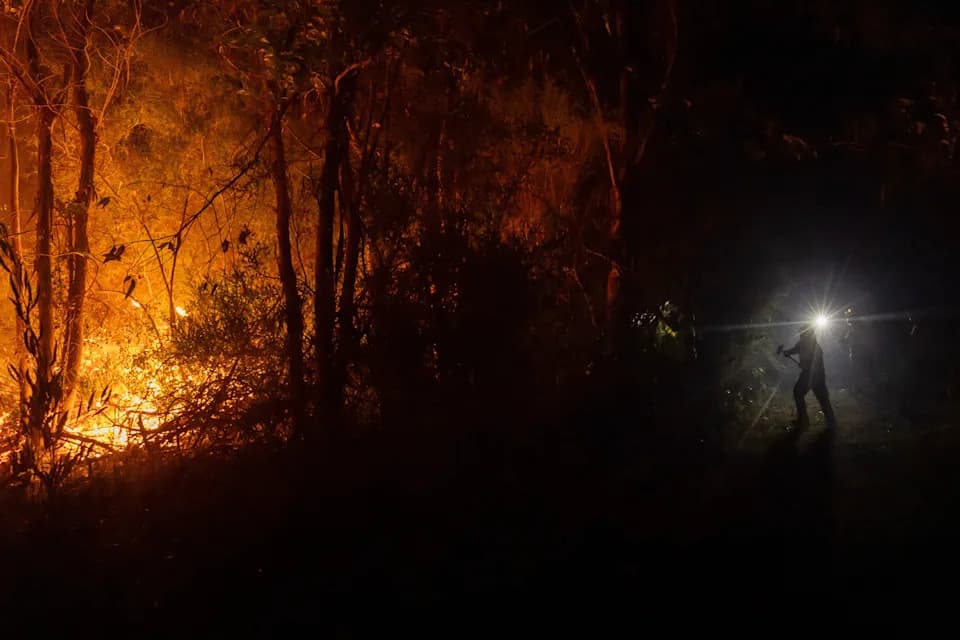
"Today, the weather conditions helped," said Manuel, a volunteer firefighter from Cholila, a town threatened by the flames. "We are ensuring that the fire doesn't continue to expand." The volunteer declined to give his surname.
Authorities say the fires have been driven by unusually high temperatures and strong summer winds, which have fanned flames across remote and rugged terrain. Emergency services continue to monitor conditions and coordinate containment and relief efforts.
Help us improve.