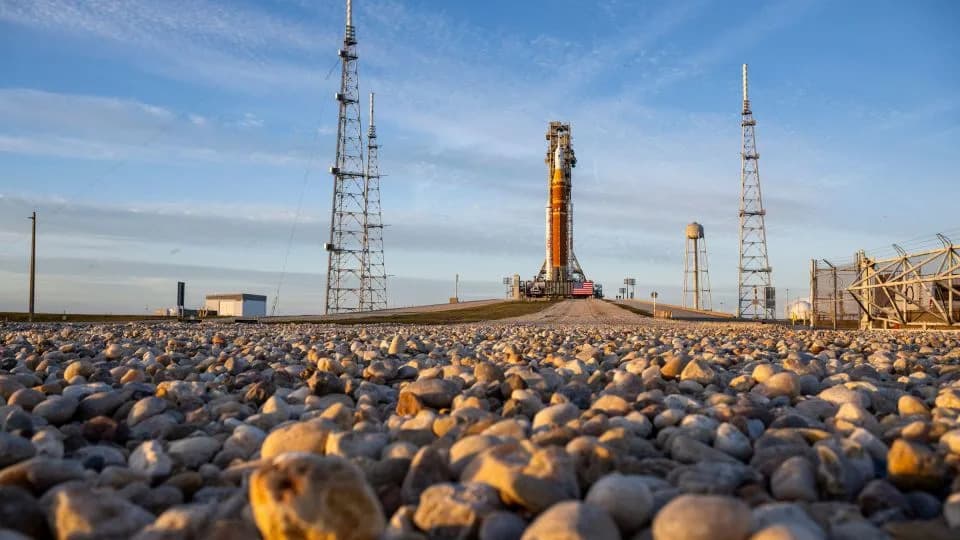
NASA plans to fly astronauts on Artemis II after the unmanned Artemis I revealed unexpected damage to Orion's Avcoat heat shield. Instead of redesigning the heat shield, NASA will adjust Artemis II's re-entry profile; modeling and arc-jet tests suggest this change should reduce further Avcoat cracking. Some experts, including Dr. Charlie Camarda, call the approach risky, while others such as Dr. Danny Olivas say the new plan is reassuring. Artemis II is slated for early 2026 (no earlier than Feb. 6).
NASA Changes Artemis II Re-Entry Plan After Artemis I Heat-Shield Damage Sparks Expert Debate
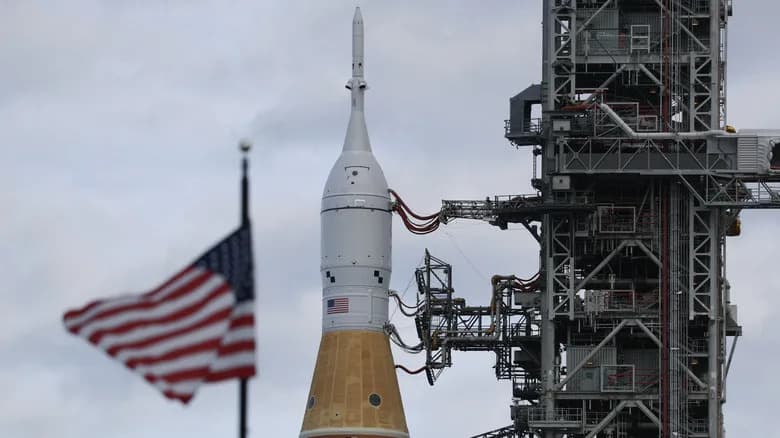
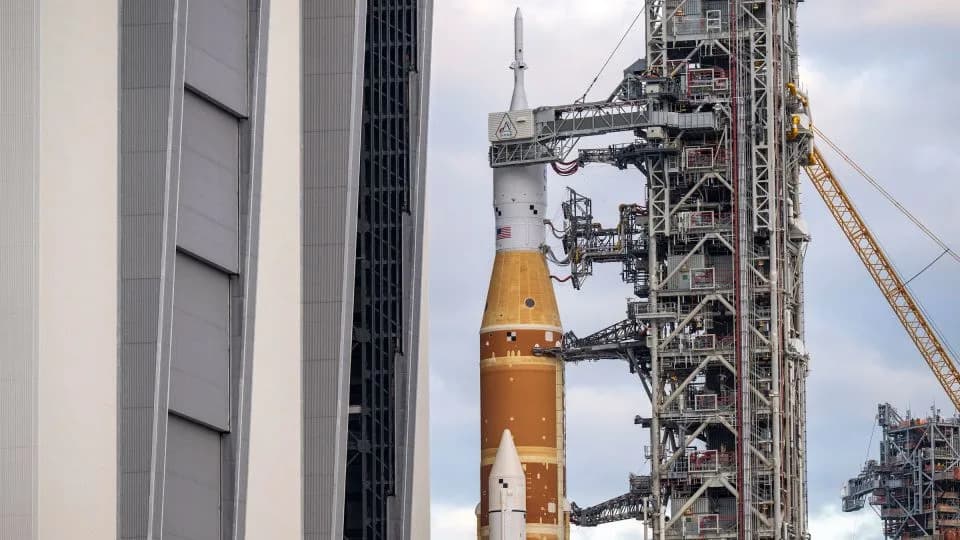
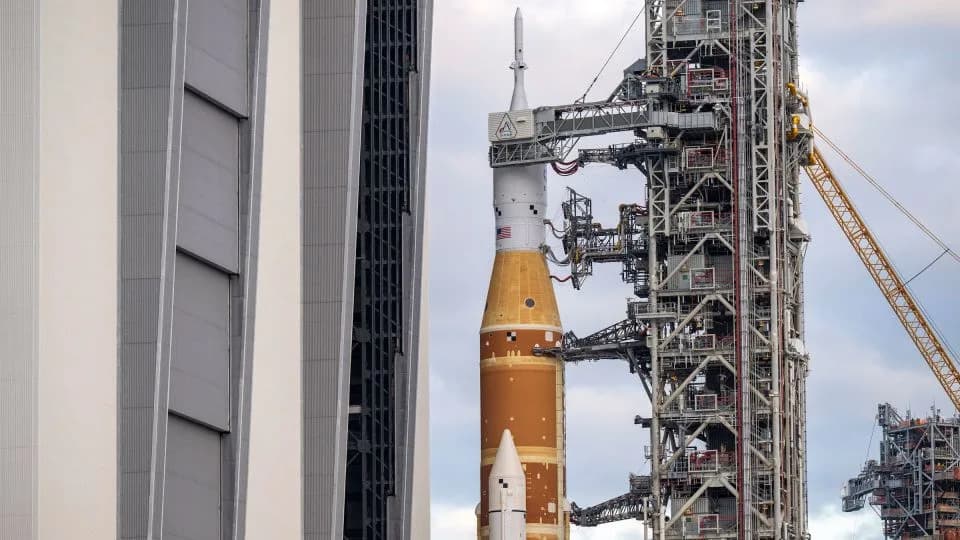
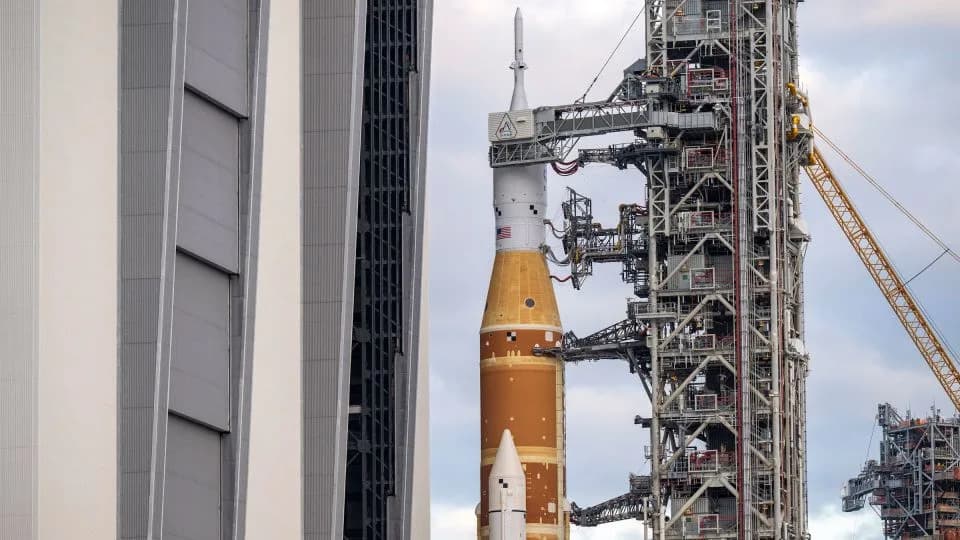
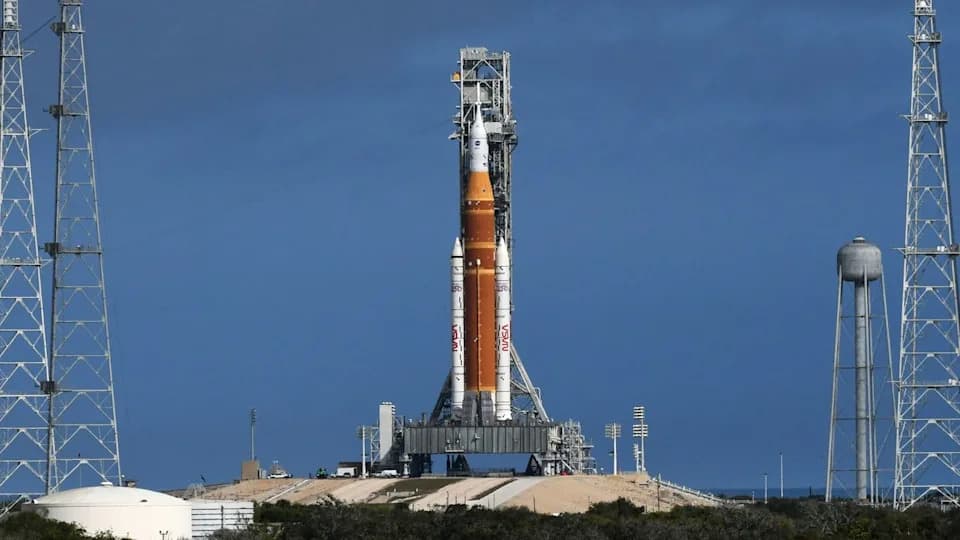
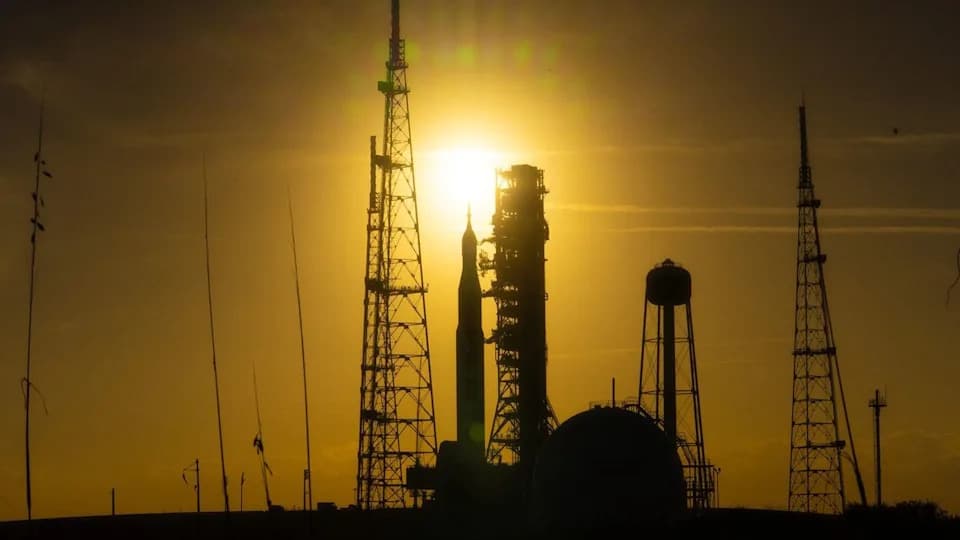
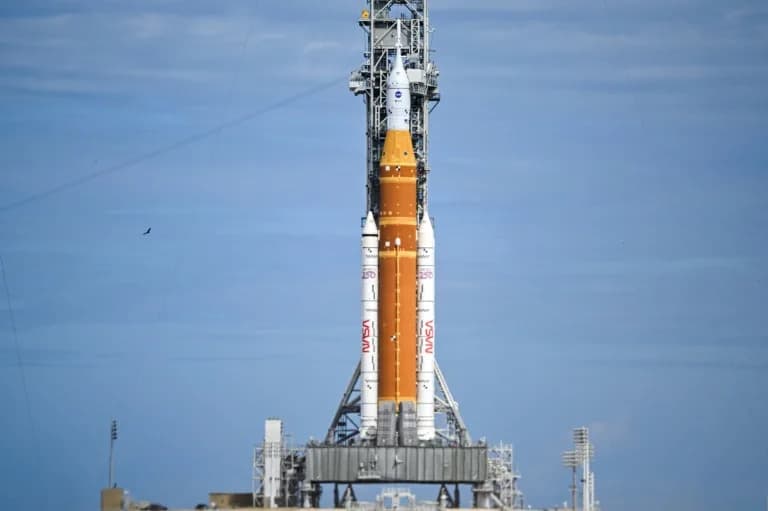
Top of the Orion space shuttle docked and ready to launch. - Joe Raedle/Getty Images
NASA's Artemis II will carry astronauts beyond low-Earth orbit and around the Moon, continuing the agency's push to return humans to the lunar surface. The mission comes amid a debate over damage observed to the Orion capsule's Avcoat heat shield on the unmanned Artemis I flight and whether NASA's planned fix is adequate for a crewed mission.
What Happened On Artemis I
During re-entry on Artemis I, the Orion capsule's Avcoat ablative layer — the protective coating bonded to the vehicle's underside — exhibited unexpected damage. Instead of shedding cleanly, the charred material left cavities in the coating, prompting an independent review and a detailed engineering investigation to determine the cause and potential risk for future missions.
NASA's Response
NASA says it has investigated the anomaly and identified corrective actions. Rather than redesigning the Avcoat layer itself, the agency plans to alter Artemis II's re-entry trajectory and profile. Modeling and arc-jet testing indicate that accepting a higher but differently distributed heat load for a short period during re-entry should reduce the thermal stresses and the likelihood of additional Avcoat cracking.

Public photo of the Artemis II astronaut crew on show in Houston space center. - Tada Images/Shutterstock
"We have full confidence in the Orion spacecraft and its heat shield, grounded in rigorous analysis and the work of exceptional engineers who followed the data throughout the process," a NASA spokesperson said.
Expert Reactions
Not all experts are convinced the plan is sufficient. Dr. Charlie Camarda, a former shuttle mission specialist and engineer, told CNN that relying on a changed flight profile instead of redesigning the heat shield is risky and characterized the approach as "crazy." By contrast, Dr. Danny Olivas — a former astronaut and a member of the independent review that examined the Artemis I heat-shield damage — initially criticized the damaged shield but later said he was reassured after reviewing the updated entry profile and supporting tests.
What This Means For Artemis II
Artemis II is targeted for early 2026, no earlier than February 6. NASA's decision to address the issue through trajectory changes highlights the trade-offs agencies sometimes make between hardware modifications and operational adjustments. While there is no public indication NASA would knowingly put astronauts at undue risk, the incident underscores the challenges of certifying spacecraft systems for crewed flights and the intense scrutiny high-profile missions attract.
Bottom line: The upcoming crewed flight will be closely watched; further testing, analysis and prelaunch reviews should clarify whether the revised entry approach is a safe, lasting solution.
Help us improve.