The column argues that recent U.S. statements and actions — particularly concerning Venezuela — revive an old doctrine that power alone decides right. It traces how the U.N. Charter sought to ban war as an instrument of policy, notes how states have sometimes strained exceptions, and explains that the current administration stands out for openly rejecting legal cover. The authors warn that abandoning post‑1945 rules risks alienating allies and provoking unified resistance.
Why 'Might Makes Right' Is Dangerous for Today's World Order

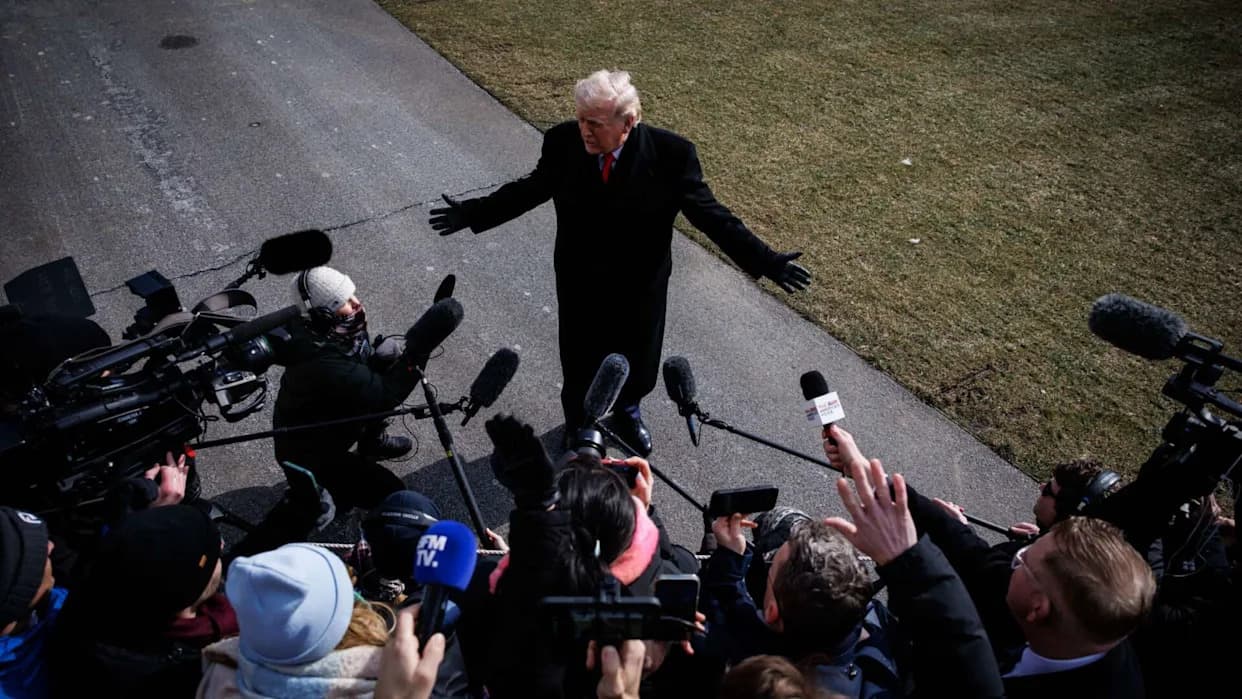
After U.S. special forces captured Venezuela’s president, Nicolás Maduro, President Trump publicly declared that the United States would “run” Venezuela and appropriate significant quantities of its oil, warning Maduro’s successor she would pay “a very big price” if she refused to comply. These assertions — and similar threats attributed to the administration — revive an age-old debate about power and international law.
From Thucydides to the U.N. Charter
The administration’s rhetoric recalls Thucydides’s account in The History of the Peloponnesian War, in which Athens — the dominant naval power — negotiates with the neutral island of Melos. Athens, locked in mortal conflict with Sparta, rejected appeals to justice and insisted that questions of right applied only among equals in power. As Thucydides records:
“The strong do what they can and the weak suffer what they must.”
For centuries, many states treated war as a legitimate instrument of policy. It took the catastrophe of two world wars and the advent of nuclear weapons to persuade the United States and its allies to endorse a different principle: war should no longer be a lawful tool of national policy. The cornerstone of that postwar order is the U.N. Charter, which prohibits the use of force except in self-defense or when expressly authorized by the Security Council.
When States Bend The Rules
Since the charter’s adoption, states have sometimes violated or stretched its limits. The Soviet Union cited a request for assistance from Afghanistan’s president when it intervened in 1979, even though Soviet forces assassinated and replaced him. NATO members invoked humanitarian motives for intervention in Kosovo in 1998–99. The United States justified the 2003 Iraq invasion with contested readings of Security Council language and anticipatory self-defense claims.
Those legal and rhetorical contortions — however strained — helped preserve the charter’s core prohibition on invasion, occupation and annexation. When Iraq invaded Kuwait in 1990, the Security Council authorized a broad coalition to expel Iraqi forces. When Russia invaded Ukraine in 2022, Western governments led international sanctions. These responses reinforced the norm that territorial conquest and overt seizure of sovereignty are unacceptable.
What’s Different Today
The current administration is notable not so much for violating international law — violations have occurred before — but for openly rejecting the need to justify such actions within established legal frameworks. In an interview with CNN’s Jake Tapper, White House deputy chief of staff for Policy and Homeland Security Stephen Miller said the United States was “in charge” of Venezuela and entitled to take its oil because of an armada of warships off its coast. “You can talk all you want about international niceties and everything else,” he said. “But we live in a world, in the real world … that is governed by strength, that is governed by force, that is governed by power.”
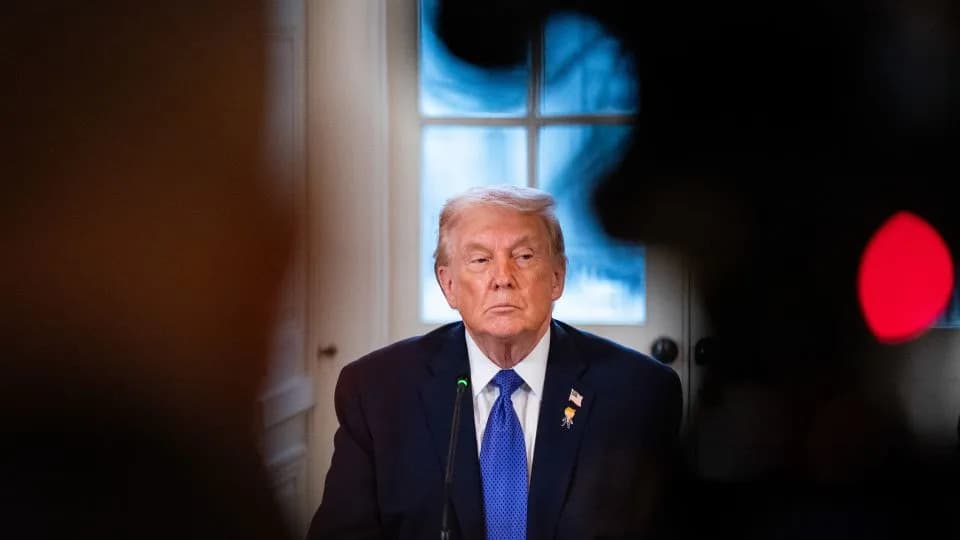
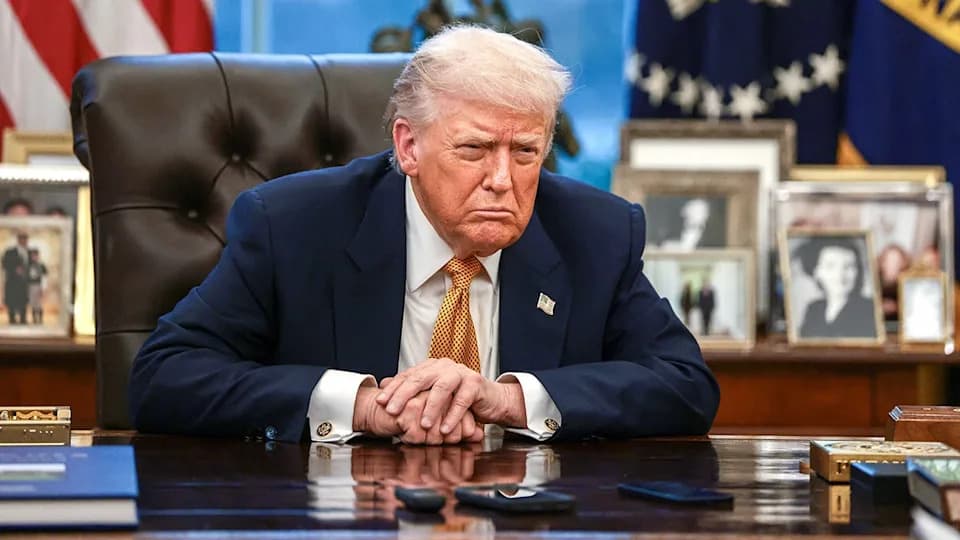
President Trump echoed that posture, describing Maduro’s capture as the result of “the iron laws that have always determined global power” and asserting that under his national security strategy “American dominance in the Western Hemisphere will never be questioned again.” When asked whether anything would constrain his use of force abroad, Trump replied, “Yeah, there is one thing. My own morality. My own mind. It’s the only thing that can stop me,” while indicating he would decide when international law applied to the United States.
Risks Of Open Realpolitik
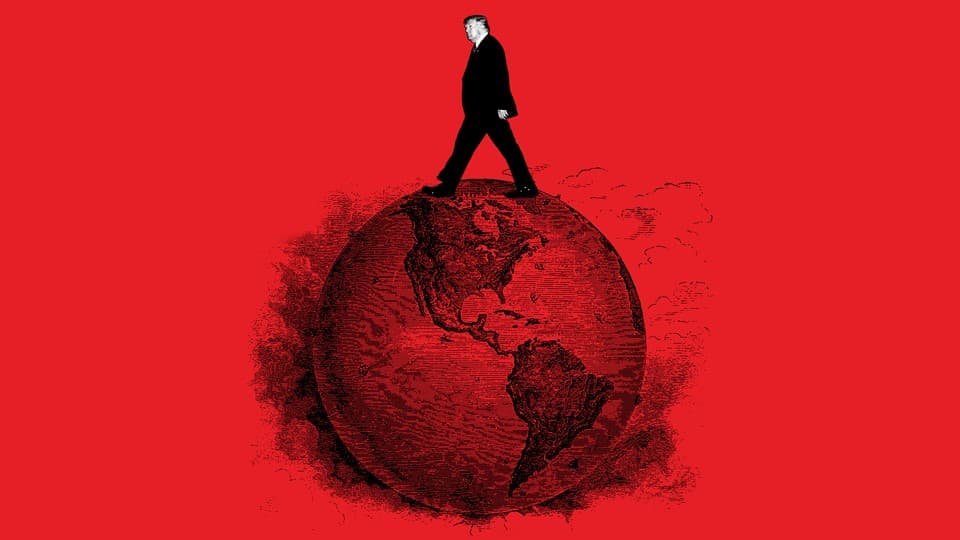
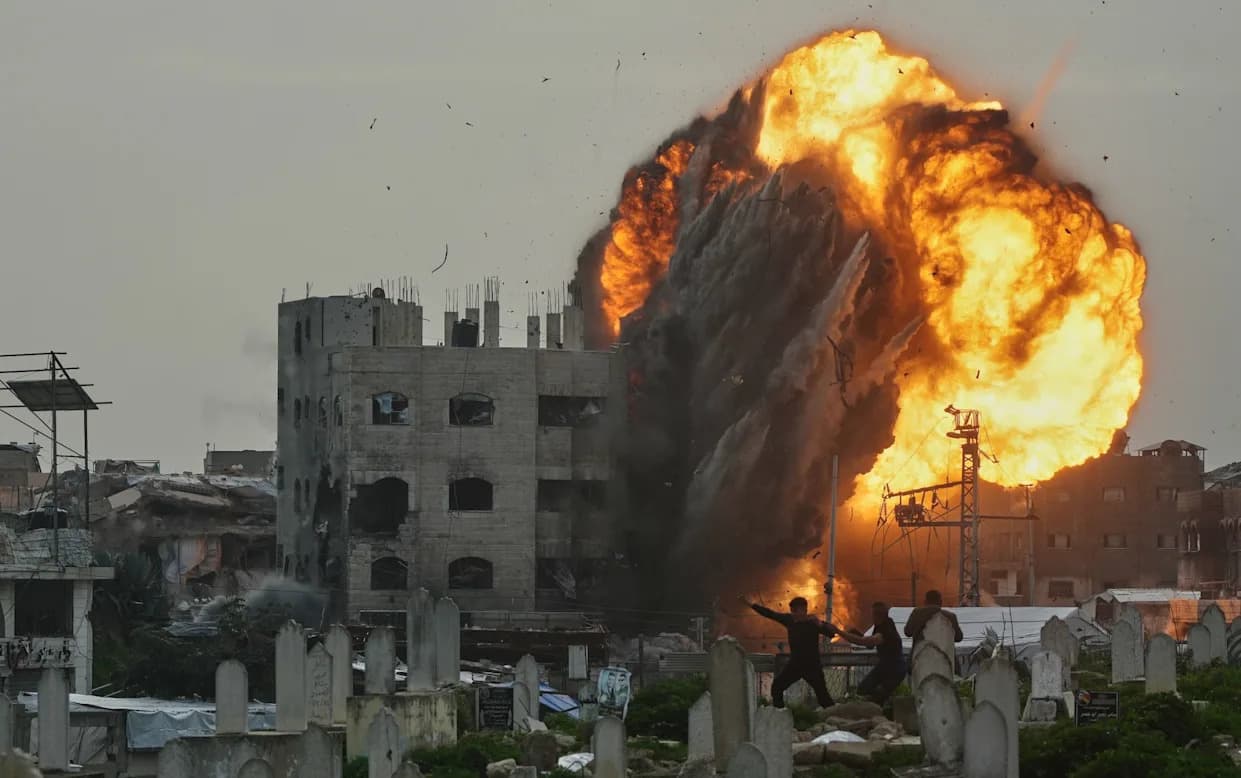
A return to a blunt 19th-century realpolitik — where might determines right — carries real dangers. Historically, powers that seized territory or disrupted the balance of power often provoked coalitions against them. Athens, for example, ultimately lost its overseas possessions after protracted wars and was absorbed into Sparta’s wider influence. Modern equivalents could include the diplomatic isolation of a rules-violating state, economic sanctions, or collective security responses that undermine long-term influence.
Abandoning the post-1945 rules that the United States helped build would risk alienating allies, weakening the institutions that manage interstate conflict, and encouraging reciprocal behavior by others. As George Santayana warned, “Those who cannot remember the past are condemned to repeat it.”
Authors: Glenn C. Altschuler is the Thomas and Dorothy Litwin Emeritus Professor of American Studies at Cornell University. David Wippman is Emeritus President of Hamilton College.
Help us improve.