Tens of thousands of Minnesotans have mobilized to document ICE operations, provide mutual aid and protect immigrant communities after a surge of federal agents. Longstanding civic networks, unions and grassroots groups — many reactivated since 2020 — coordinate legal trainings, rapid response at detention sites and large-scale mutual aid. The deaths of two observers, including Alex Pretti, prompted a Justice Department civil rights probe and changes in federal leadership, but detentions continue across urban and rural areas. Organizers say vigilance and support will continue until immigrant neighbors feel safe to resume normal life.
“We’re Fighting for the Soul of the Country”: How Minnesotans United to Protect Immigrant Neighbors
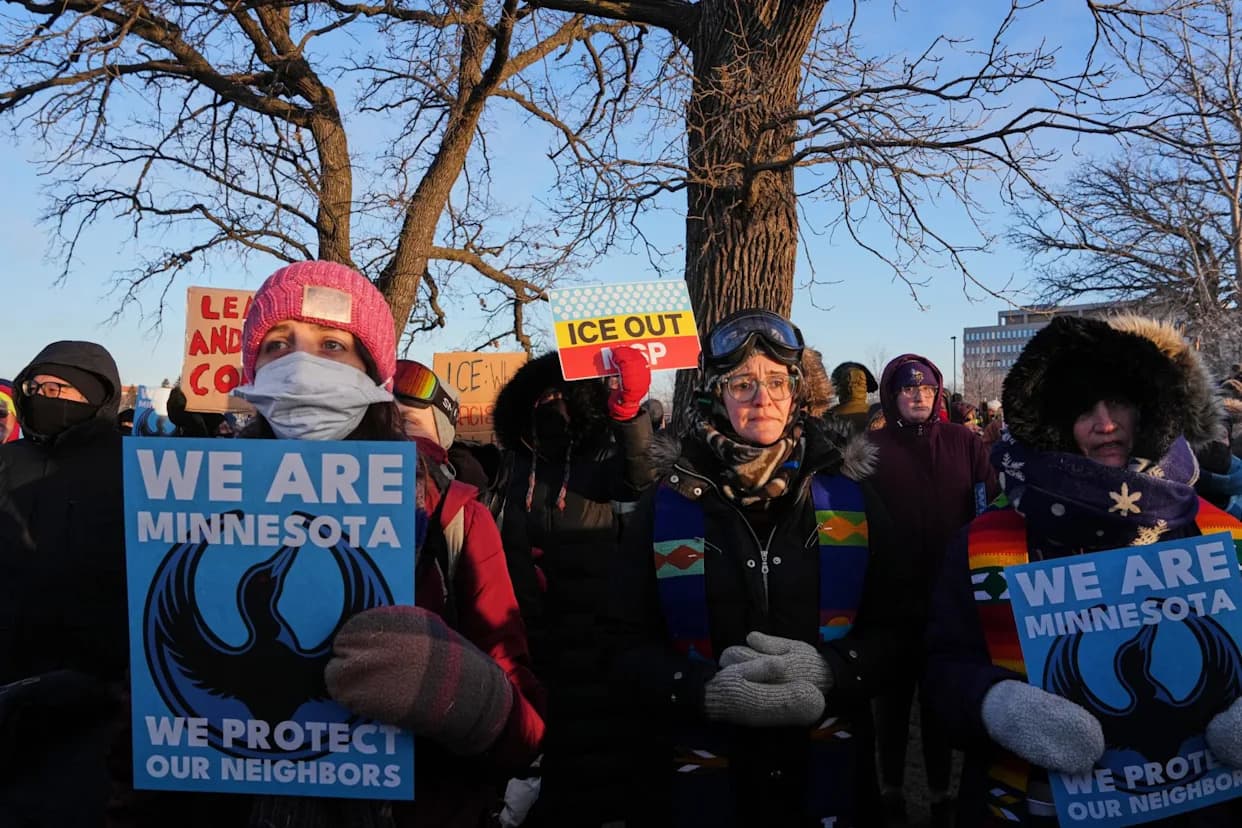
Protesters in Minneapolis on 30 January 2026.Photograph: Adam Gray/AP(Photograph: Adam Gray/AP)
Cory never imagined he would spend hours each day trailing immigration agents and filming their movements. A resident of south Minneapolis, he describes himself as "not the type of person to do this," yet now routinely watches Immigration and Customs Enforcement (ICE) activity from his car. He has been pepper-sprayed, worries agents may know where he lives, and says the killing of Alex Pretti — the 37-year-old who died while recording federal officers — could have been him.
Why Neighbors Mobilized
After attending a legal bystander training in November and watching reports emerge in January of people being taken from bus stops, workplaces and homes, Cory and thousands of other Minnesotans concluded they had to act. Their response has become one of the largest local efforts in the country to resist a federal enforcement surge tied to the Trump administration's intensified deportation strategy.
What Communities Are Doing
Tens of thousands of volunteers, community groups, faith leaders and unions have organized a broad set of activities to protect immigrant neighbors: driving patrols to document agents; sharing real-time alerts; providing rides to people afraid to drive; standing outside schools during drop-off and pickup; and delivering groceries, supplies and legal aid to families sheltering at home.
Groups such as the Immigrant Defense Network, the Minnesota Immigrant Rights Action Committee and Communities Organizing Latine Power and Action have offered trainings on how to document ICE activity safely and know-your-rights information. Hotlines and messaging channels circulate tips and sightings; volunteers use whistles and car horns to warn neighborhoods; and many nonviolent observers record federal actions to create public accountability.
What Changed After the Killings
The deaths of two observers, including Alex Pretti, and the killing of Renee Nicole Good intensified local outrage and scrutiny. The Justice Department opened a civil rights probe into Pretti’s death. Federal leadership in Minneapolis was altered: Border Patrol agent Gregory Bovino, who led operations in the area, was removed from his post and replaced with Tom Homan, described by the administration as a "border czar." Some agents were temporarily pulled off duty, but arrests and detentions at suburban and rural sites have continued.
Mutual Aid And Organized Resistance
Longstanding civic networks formed after George Floyd’s murder in 2020 provided organizational infrastructure. Unions and coalitions such as Minnesota AFL-CIO and the multi-faith group Isaiah coordinated an economic blackout and a large rally on 23 January; a second day of action followed on 30 January. Mutual aid efforts surged: food banks, churches and restaurants became distribution hubs, and volunteers packed thousands of boxes of staples for households too afraid to leave home.
Unite Here Local 17, representing about 6,000 hospitality workers, reported that 16 members at the airport were detained despite holding work authorization; roughly 200 members have received mutual aid and food support.
Rapid Response At Detention Sites
Volunteers staffing rapid-response operations have become fixtures at federal sites such as the Whipple building. Groups like Haven Watch meet people released from detention with warm clothing, phones, rides and emotional support. Volunteers describe helping releasees of all ages, including children, and hearing harrowing accounts that change them.
Rural And Suburban Solidarity
The federal surge has extended well beyond Minneapolis into suburban and rural counties. Residents in politically mixed and rural communities — farmers, small-business owners and long-term neighbors — have stepped forward to question agents and to support immigrant neighbors. In Nicollet County, for example, a resident directly asked agents whether they had warrants, challenging operations that appear indiscriminate.
What Organizers Say Now
"We learned growing up about a lot of horrible things people have done in history... What is our obligation to stop things like these horrible racist attacks on people?" — Cory
Organizers emphasize nonviolence and careful tactics, even as many carry protective gear and prepare for confrontations. They say the movement will continue until immigrant neighbors feel safe returning to everyday life: when markets like Karmel Mall are full, when restaurants reopen, and when families can resume routines without fear.
What To Watch Next: Federal civil rights inquiries, the administration’s leadership decisions, and whether local vigilance and mutual aid sustain long enough to restore safety and normalcy for targeted communities.
Help us improve.