Minneapolis neighborhoods have been upended by a heavy federal immigration enforcement effort after the deaths of Renee Nicole Good and Alex Pretti during operations tied to Operation Metro Surge. Federal officials have signaled a possible drawdown, but local residents and leaders report continued ICE activity and contradictory messages from the Trump administration. The DOJ has opened a civil-rights review into Pretti’s shooting while Good’s family has retained lawyers and plans civil action; litigation over the surge and evidence preservation is ongoing. Communities respond with mutual aid, protests and calls for transparency amid widespread fear.
What’s Next for Minneapolis: A Fragile Promise, Rising Tensions and the Fight Over Operation Metro Surge
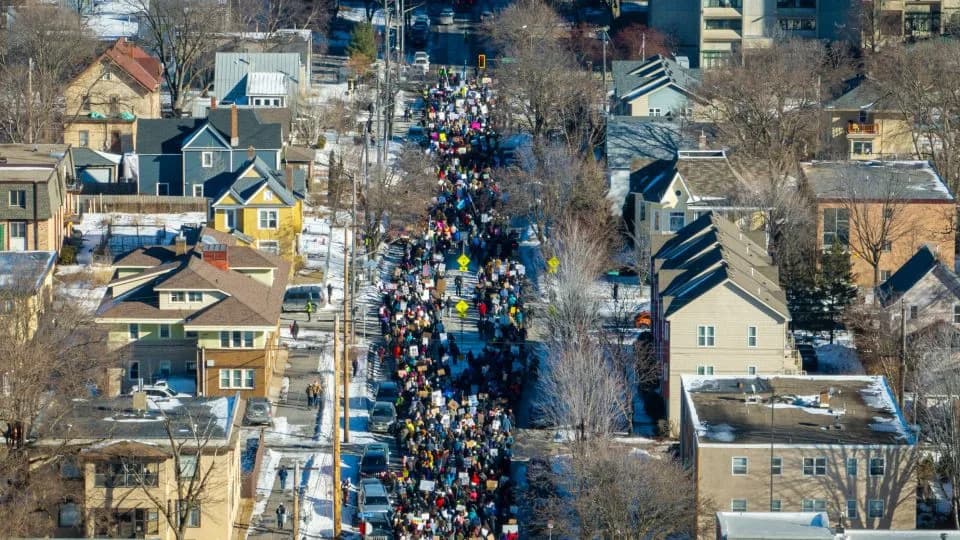
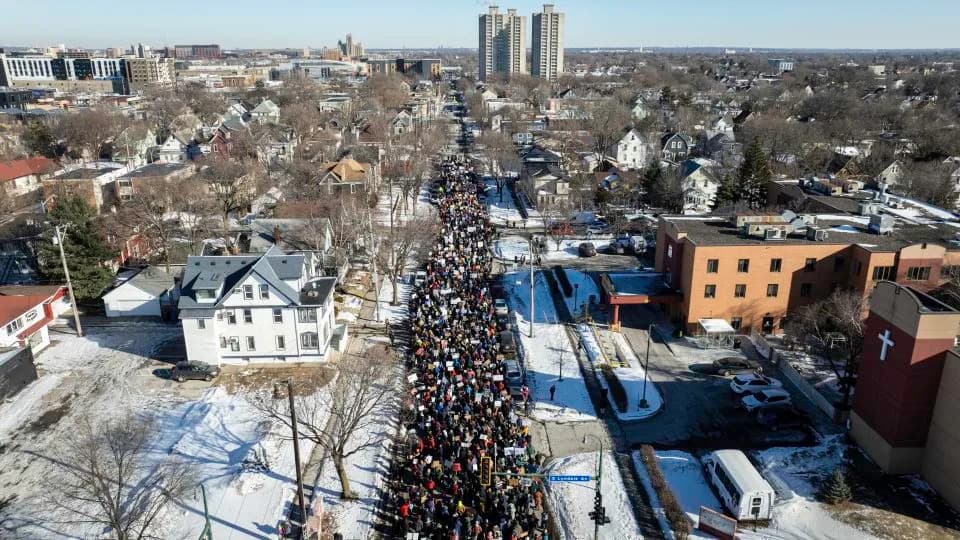
In an aerial view, protesters stage a march calling for an end to taxpayer spending on ICE and demanding a moratorium on evictions on January 31, 2026, in Minneapolis, Minnesota. - John Moore/Getty Images
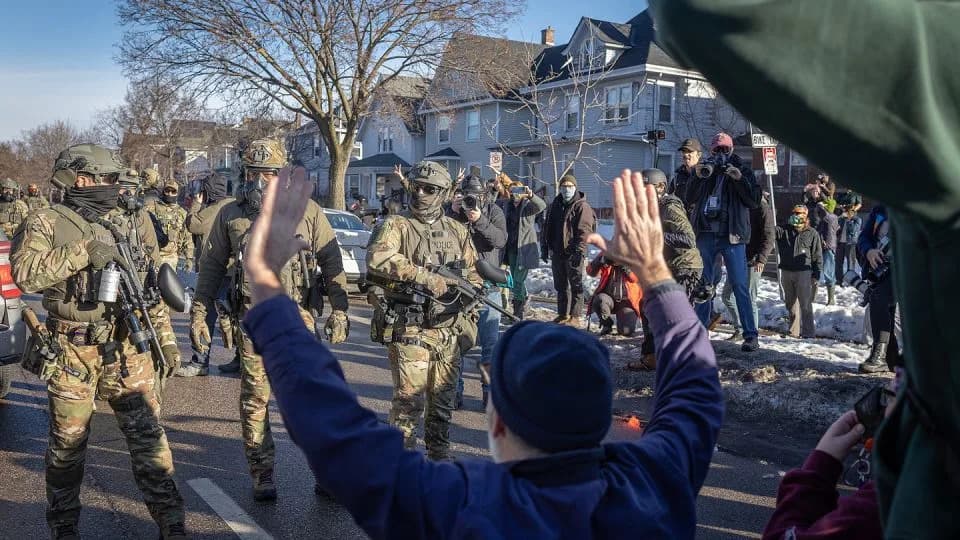
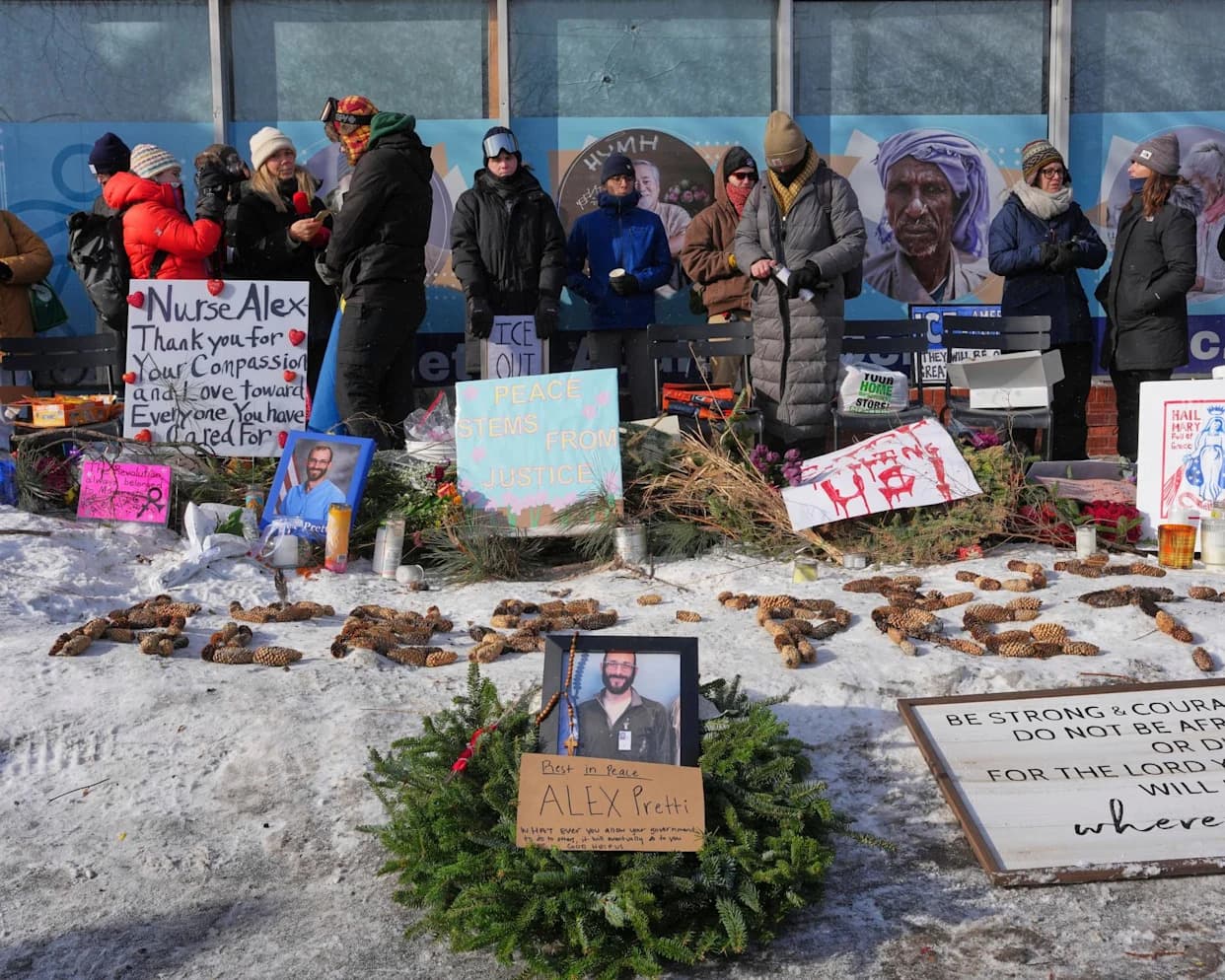
Ryan Strandjord never expected his treelined, lake-dotted hometown — the image of the American idyll — to feel like a battleground. His house sits between two neighborhoods rocked by the deaths of Renee Nicole Good and Alex Pretti during aggressive federal immigration enforcement tied to Operation Metro Surge. Both were U.S. citizens, and their deaths have become focal points for outrage, protests and urgent questions about accountability and policing in Minneapolis.
Federal Presence and Mixed Signals
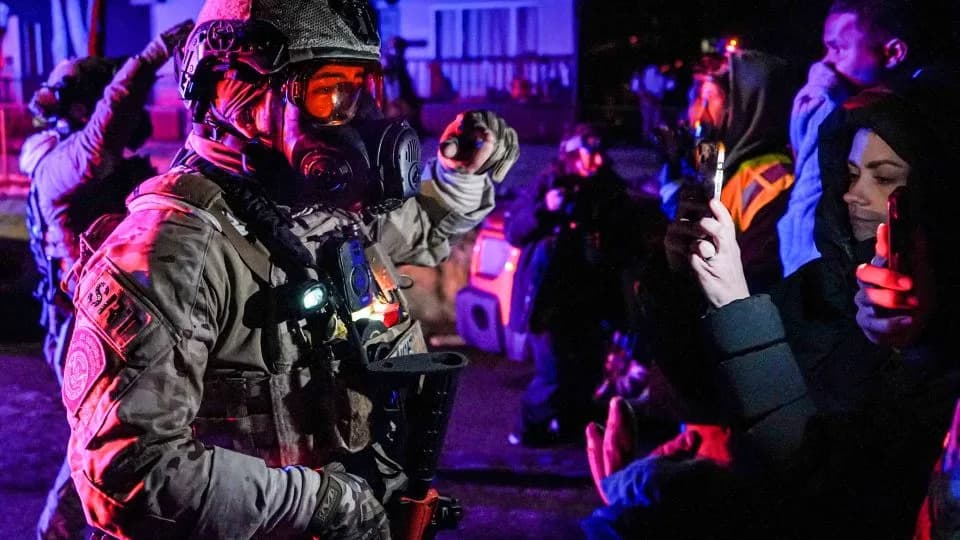
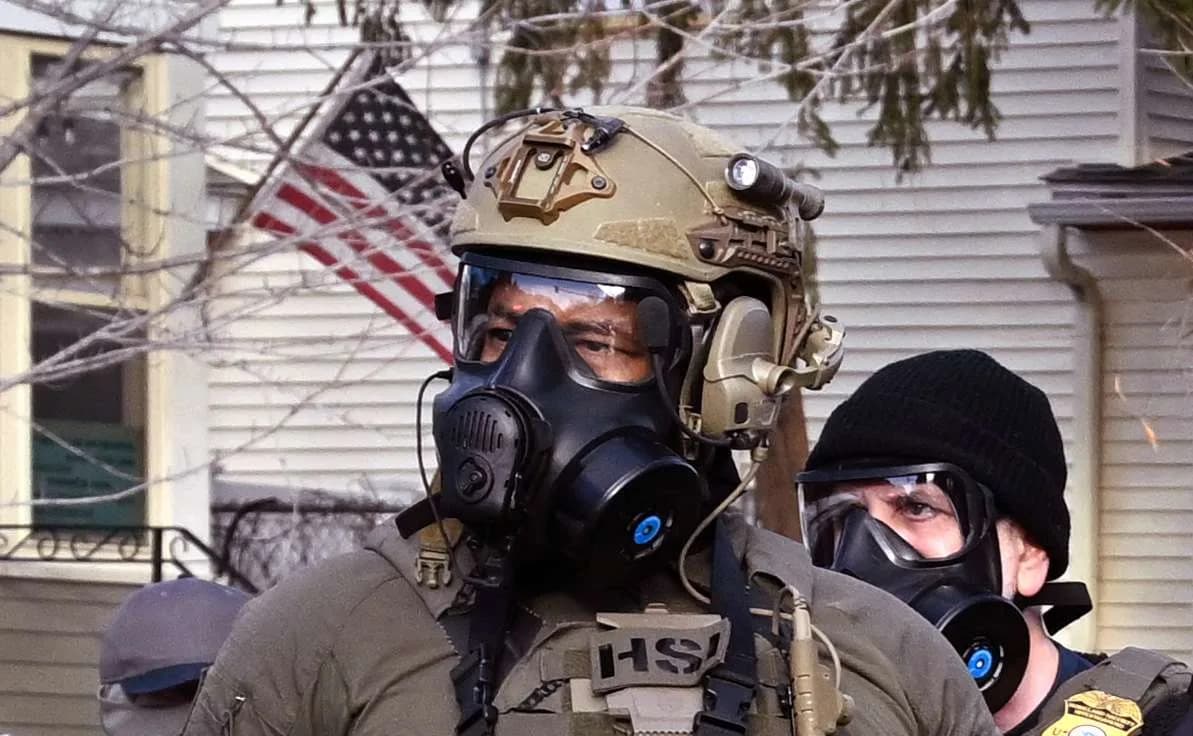
White House border czar Tom Homan has said federal officials are working toward an eventual drawdown of agents in Minnesota. But Homan has offered no firm timetable, and within hours President Donald Trump gave contradictory comments about withdrawing personnel. Many residents and local leaders say they have seen no reduction — and in some neighborhoods report even more visible ICE activity.
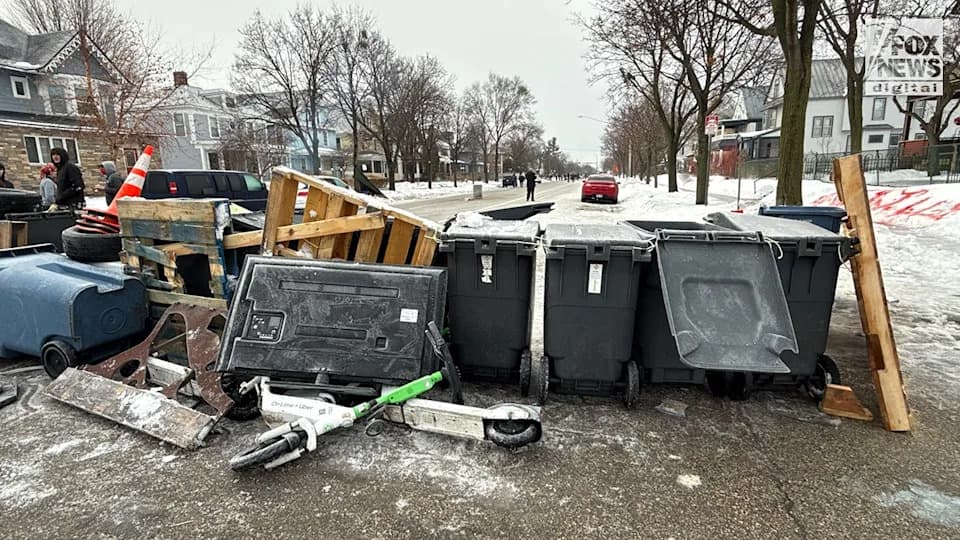
“I don’t think that ‘battlefield’ is a stretch to call what’s happening here,” Strandjord said. “Kids aren’t going to school, people aren’t leaving their homes. There’s just a feeling of fear and dread.”
Legal Battles and Investigations
The Justice Department opened a civil-rights review into the shooting of Alex Pretti; the FBI now leads that investigation while U.S. Customs and Border Protection conducts an internal review. By contrast, federal officials signaled little appetite for a broader inquiry into the killing of Renee Nicole Good, prompting her family to retain the law firm Romanucci & Blandin and plan civil litigation alleging excessive force and negligence.
Court action has so far allowed Operation Metro Surge to continue. U.S. District Judge Katherine Menendez denied a preliminary injunction, acknowledging evidence of profiling and excessive force and noting wide-ranging harms to communities — from lower school attendance to strained emergency response — but concluded those harms must be balanced against federal immigration-enforcement interests. Separately, a temporary restraining order was issued to prevent the alteration or destruction of evidence in the Pretti case while litigation proceeds.
State-Federal Tensions Over Detainers
State and federal officials have publicly disputed the number of people with ICE detainers in Minnesota facilities: DHS reported roughly 1,360, while the Minnesota Department of Corrections (DOC) said about 300. The DOC identified dozens of alleged false DHS claims, and state leaders have urged clearer, lawful processes — including judicial warrants — to ensure consistent cooperation across counties.
Community Impact and Response
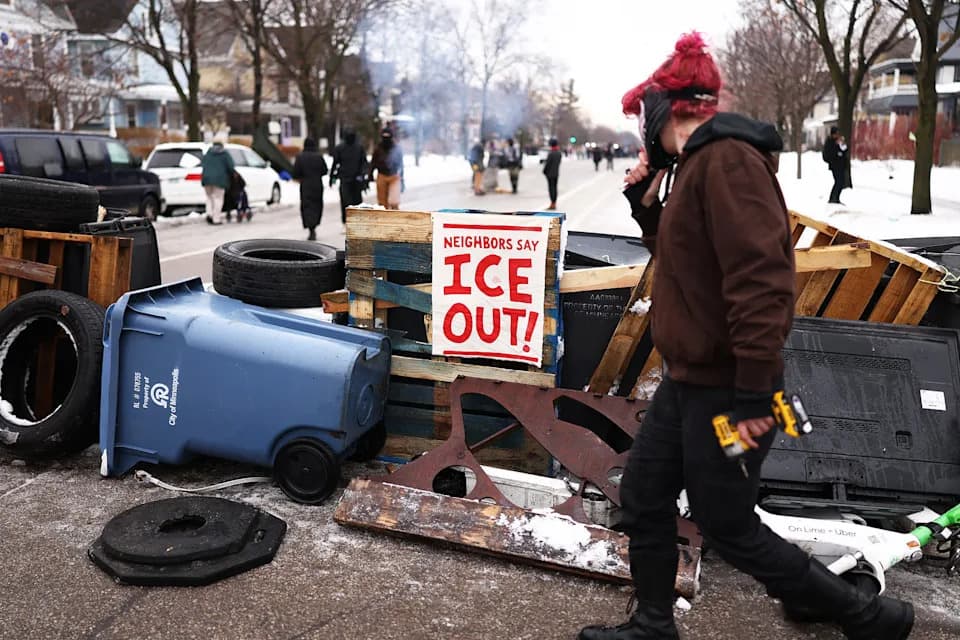
Residents describe neighborhoods where routine activities feel like calculated risks. Immigrant families are staying home, some businesses have reduced hours, and parents worry about children’s safety and normalcy. Journalists and protesters have reported arrests, and community groups have organized mutual-aid deliveries, benefit concerts and legal action to demand transparency and protection.
“People are out in the streets because they’re afraid their neighbors are going to disappear,” Strandjord said. For now, residents say they will continue to show up for each other, press for answers and pursue legal avenues — even as uncertainty and fear persist.
Reporting note: This article synthesizes accounts from local residents, state officials and federal statements and reflects ongoing legal proceedings and investigations.
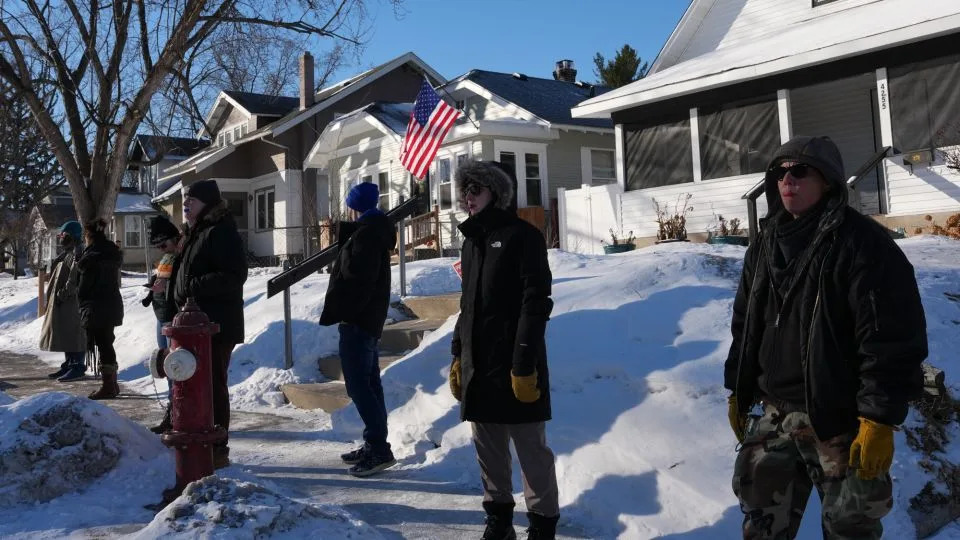
People alert the neighborhood that federal agents are in the area on January 29, 2026, in Minneapolis. (AP Photo/Adam Gray) - Adam Gray/AP
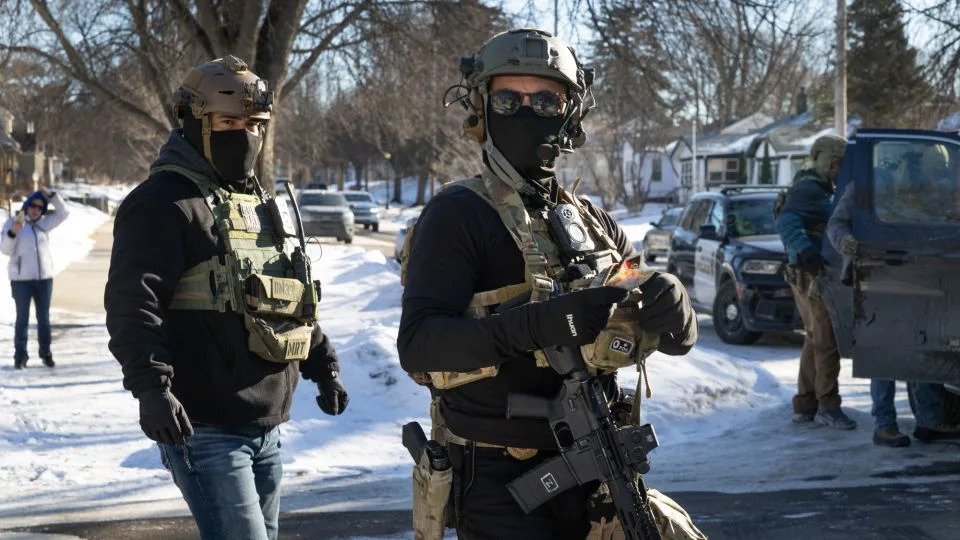
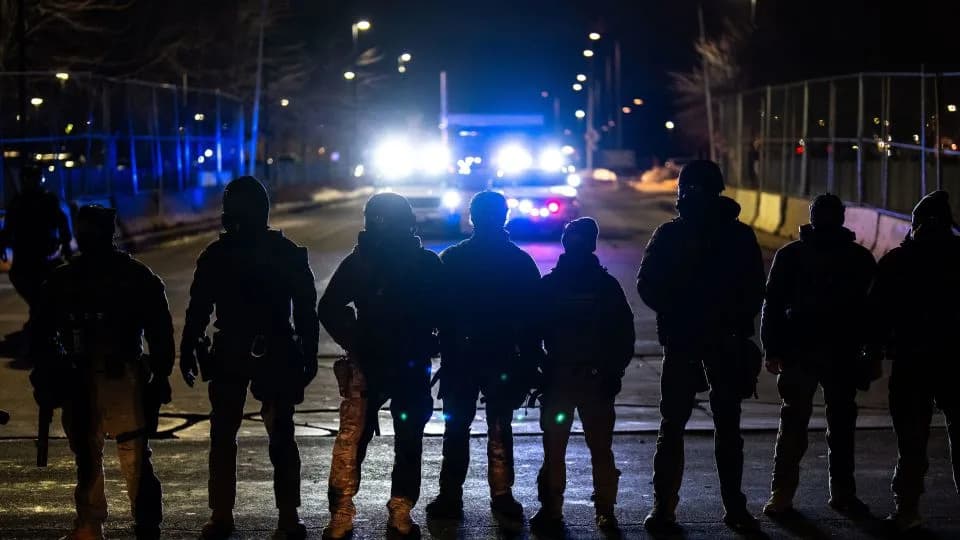
Federal immigration agents stand guard after one of their vehicles was involved in a crash while making an apprehension on January 31, 2026 in St. Paul, Minnesota. - Scott Olson/Getty Images
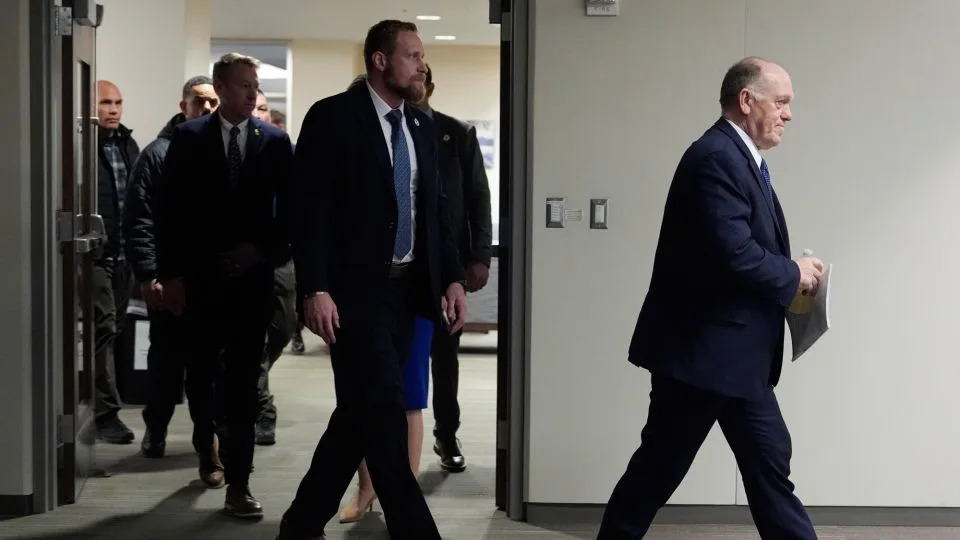
White House border czar Tom Homan enters the room for a conference at the Bishop Whipple Federal Building on January 29, 2026, in Minneapolis. (AP Photo/Julia Demaree Nikhinson) - Julia Demaree Nikhinson/AP
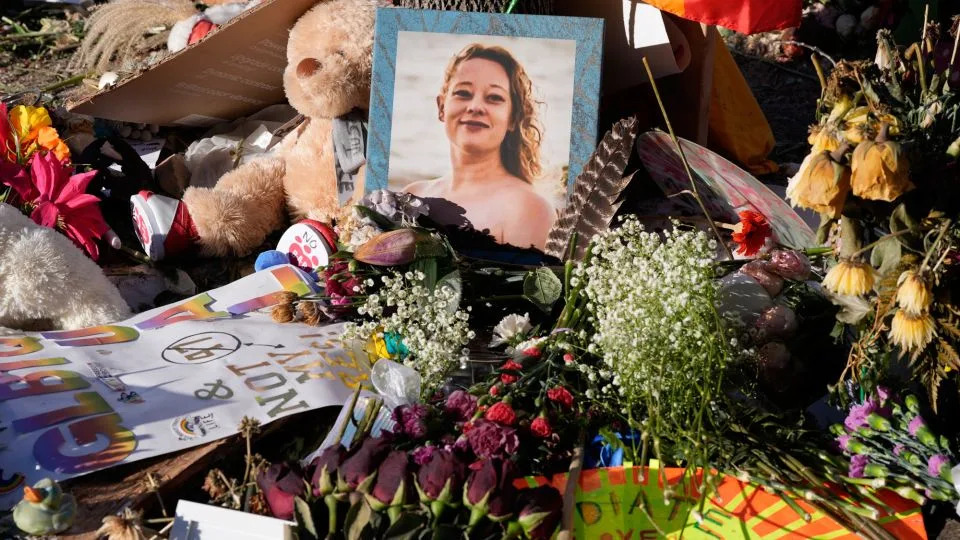
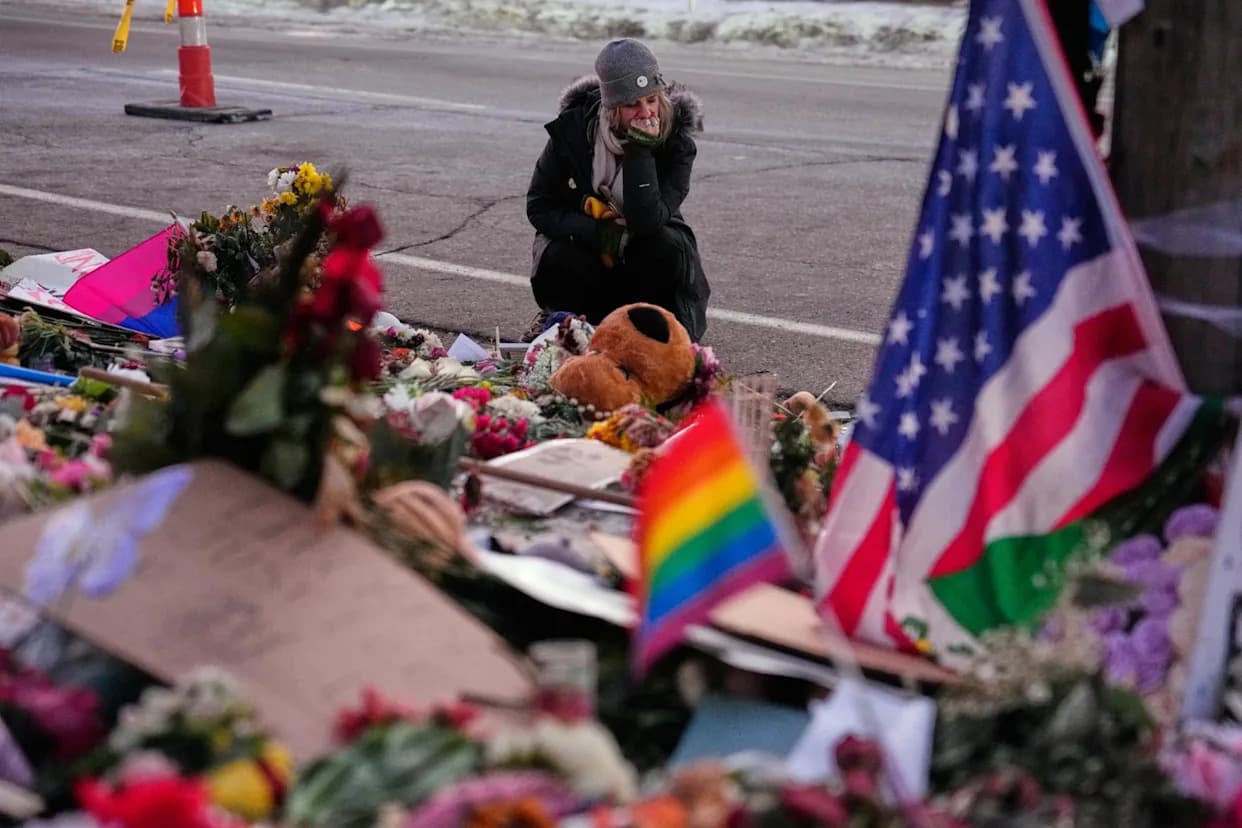
Flowers and photos are left at a memorial site for Renee Good on January 31, 2026, in Minneapolis. - Alex Brandon/AP
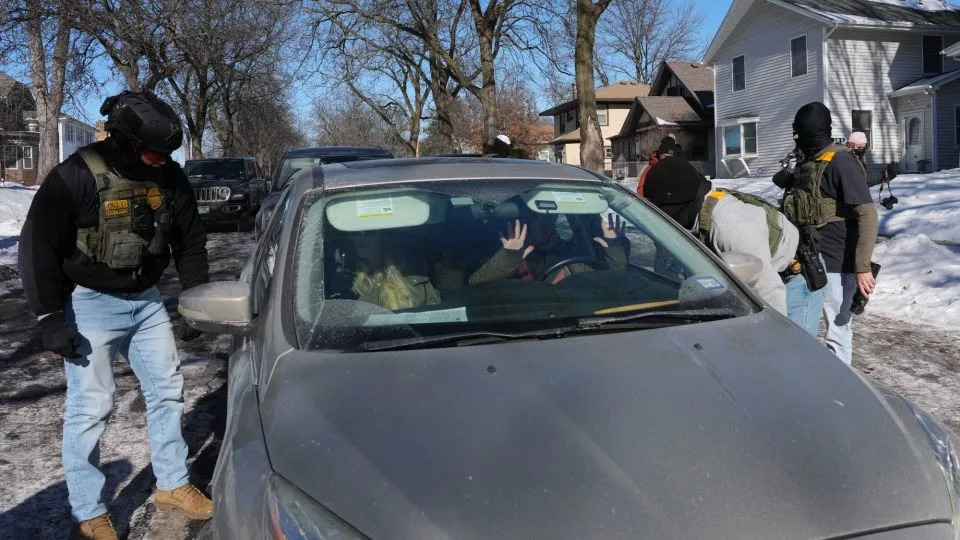
Federal agents approach a vehicle on January 29, 2026, in Minneapolis. - Adam Gray/AP
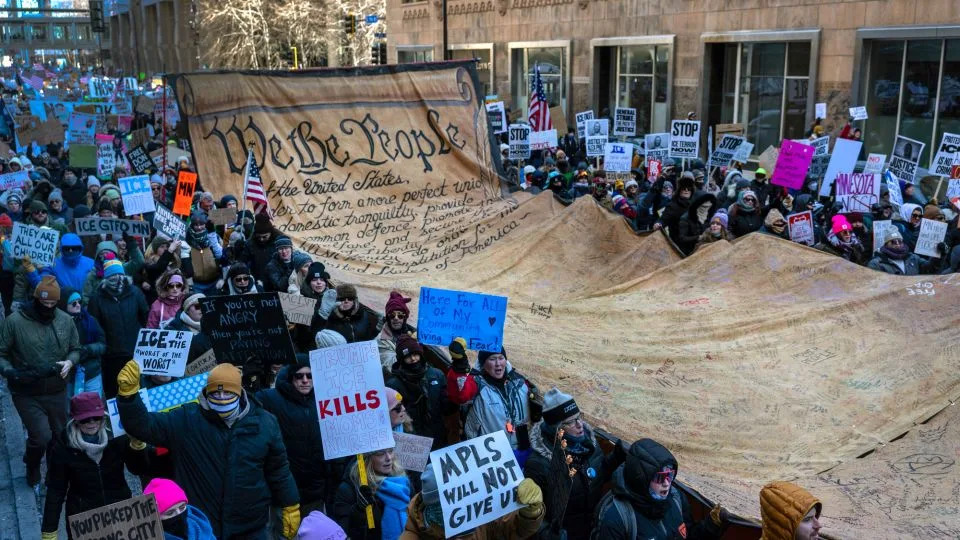
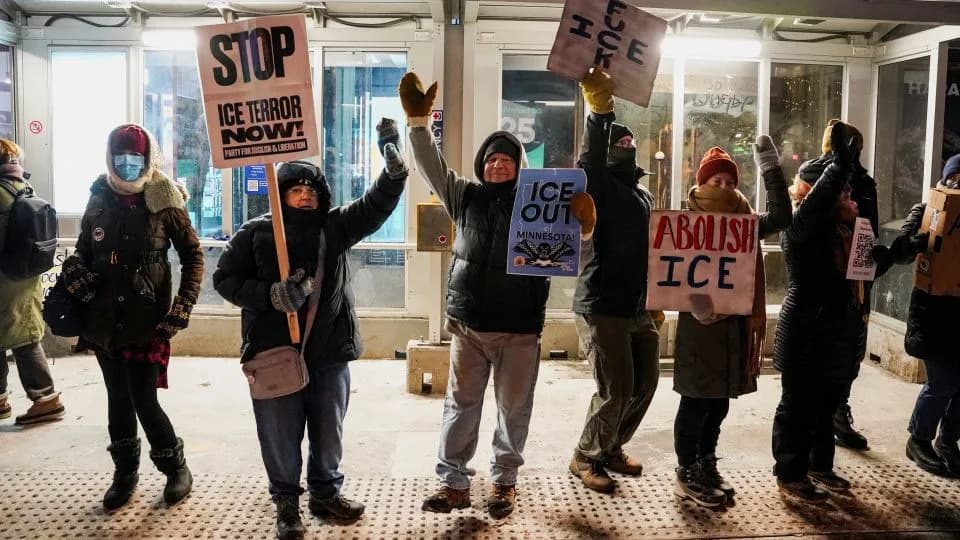
Demonstrators march calling for an end to ICE operations in Minnesota on January 30, 2026, in Minneapolis. - John Moore/Getty Images
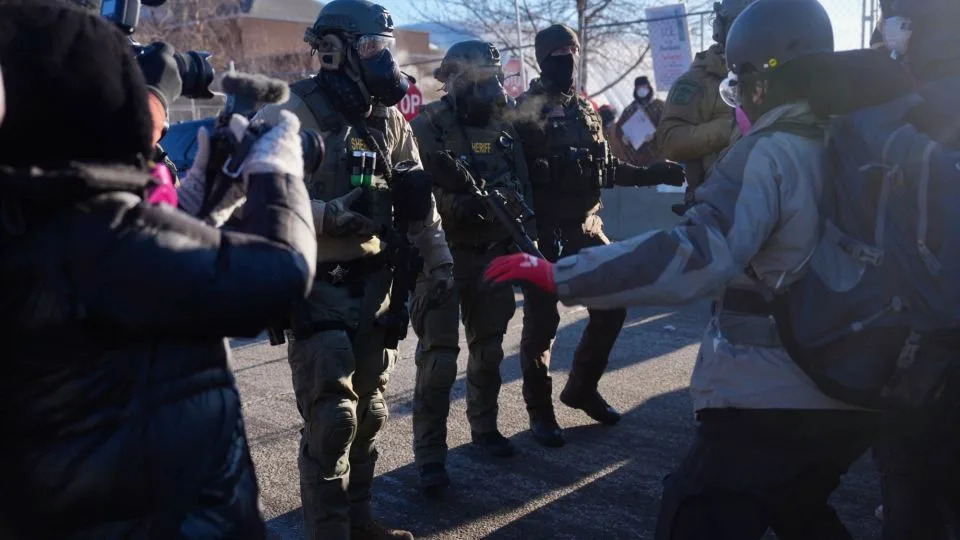
Sheriff deputies push back protesters that had filtered onto the street in front of the Bishop Henry Whipple Federal Building in Minneapolis on January 30, 2026. - Renee Jones Schneider/The Minnesota Star Tribune/Getty Images
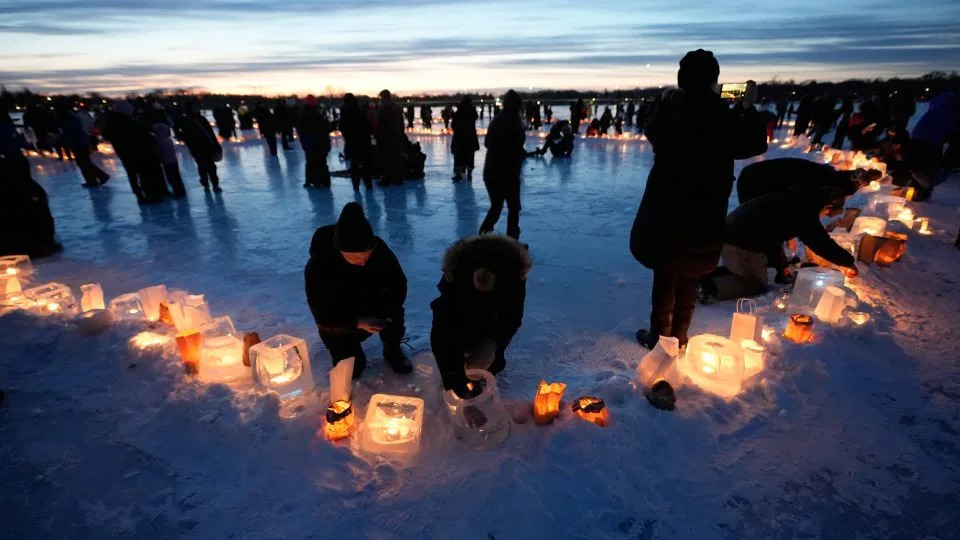
Activists gather in protest to light candles on frozen Lake Nokomis, spelling, "ICE Out" on Saturday, January 31, 2026, in Minneapolis. - Alex Brandon/AP
Help us improve.