Protests and a second day of strikes spread across the U.S. as demonstrators demanded that ICE withdraw from their communities. U.S. District Judge Katherine Menendez declined to immediately halt "Operation Metro Surge," allowing thousands of federal agents to remain deployed in Minnesota while a lawsuit proceeds. The operation has been linked to the deaths of Alex Pretti and Renee Good, prompted a Justice Department civil‑rights inquiry, and intensified debates over federal tactics, local authority, and press freedom.
Nationwide Anti‑ICE Protests Intensify After Judge Allows Operation Metro Surge to Continue in Minnesota
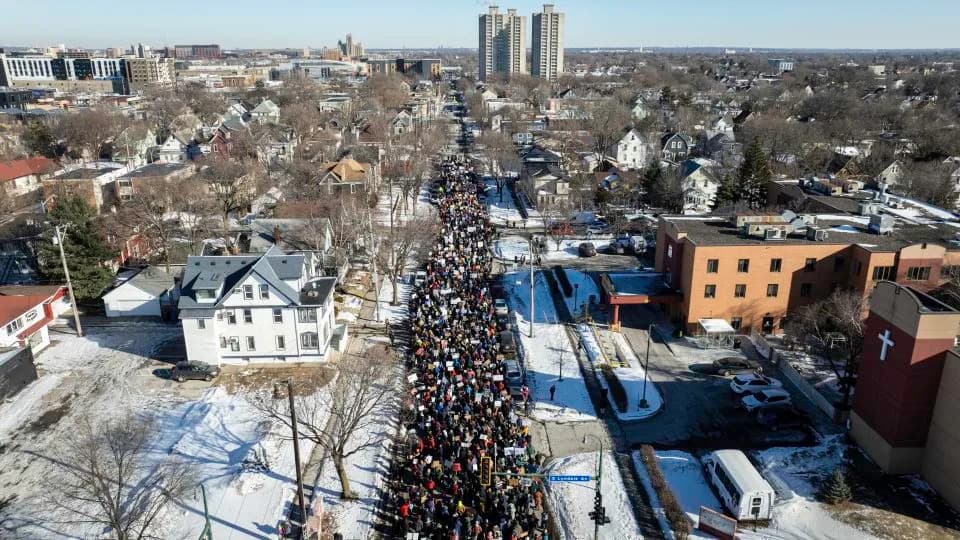
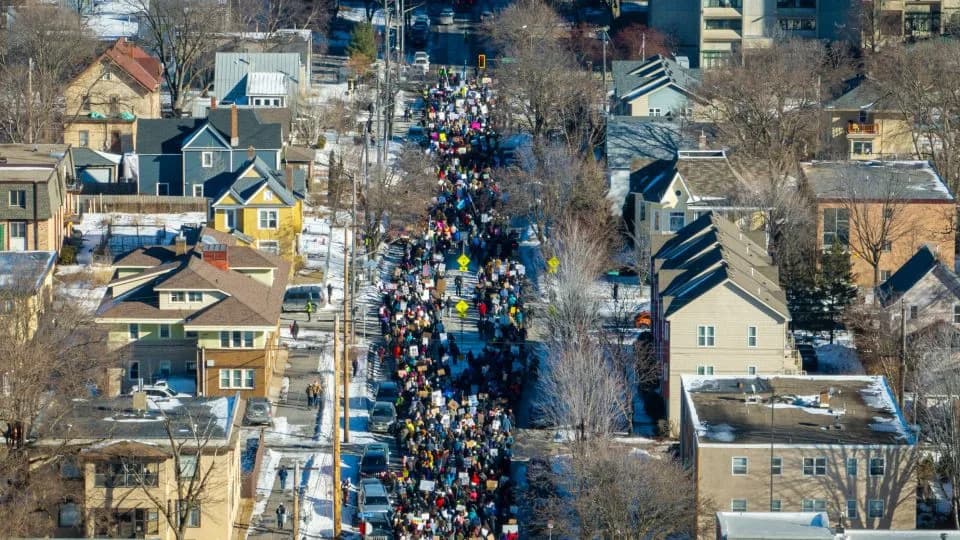
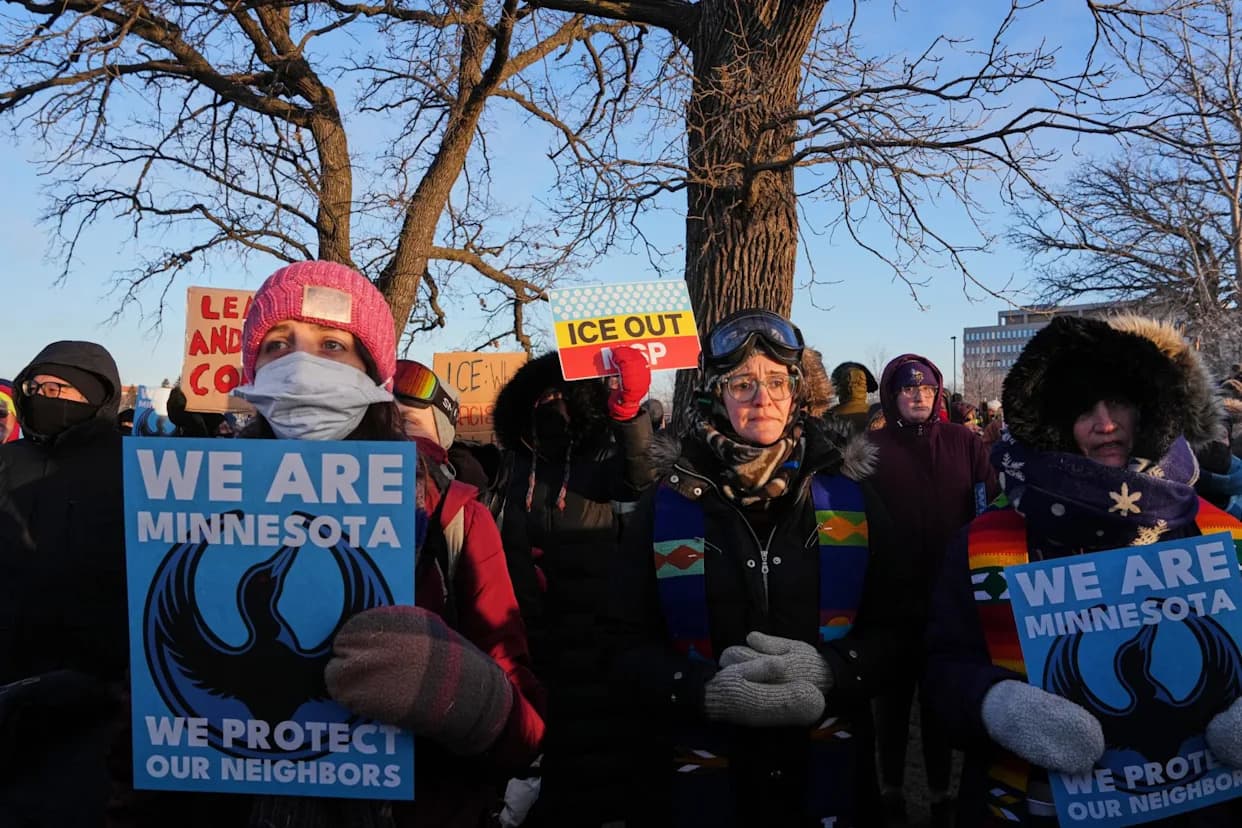
Protesters stage a march calling for an end to taxpayer spending on US Immigrations and Customs Enforcement and demanding a moratorium on evictions on Saturday in Minneapolis, Minnesota. - John Moore/Getty Images
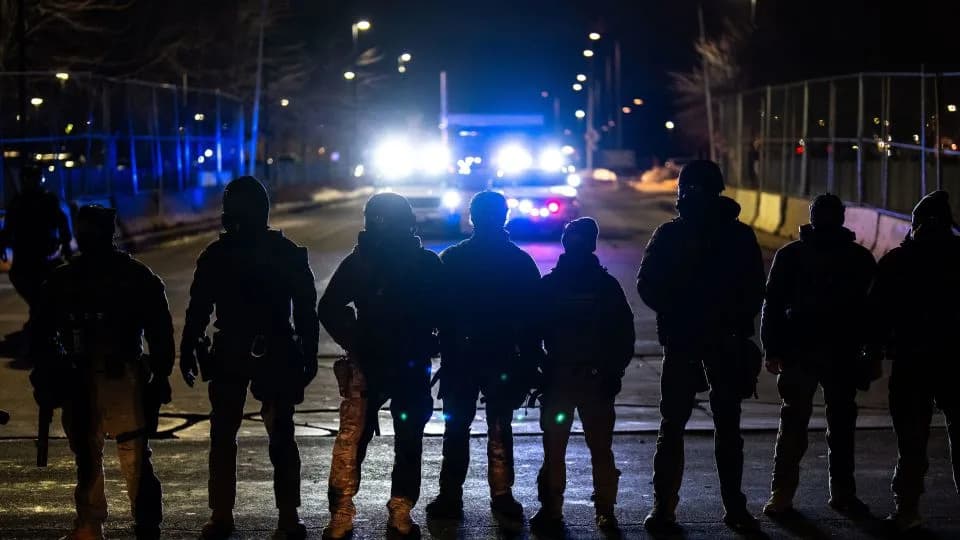
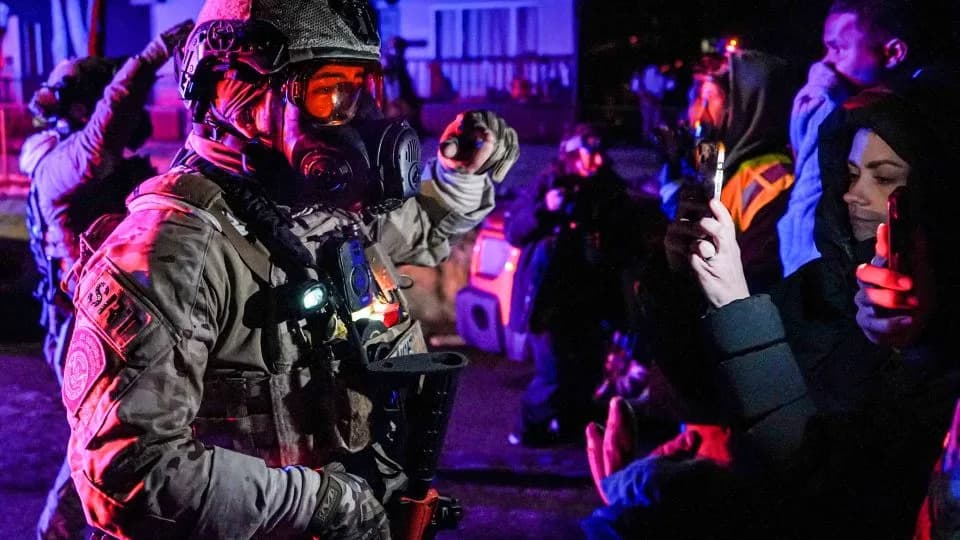
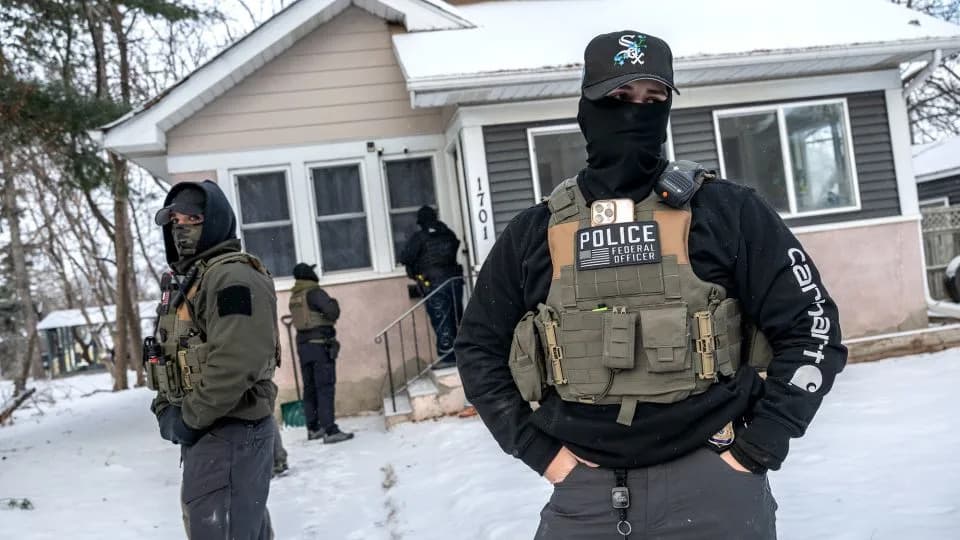
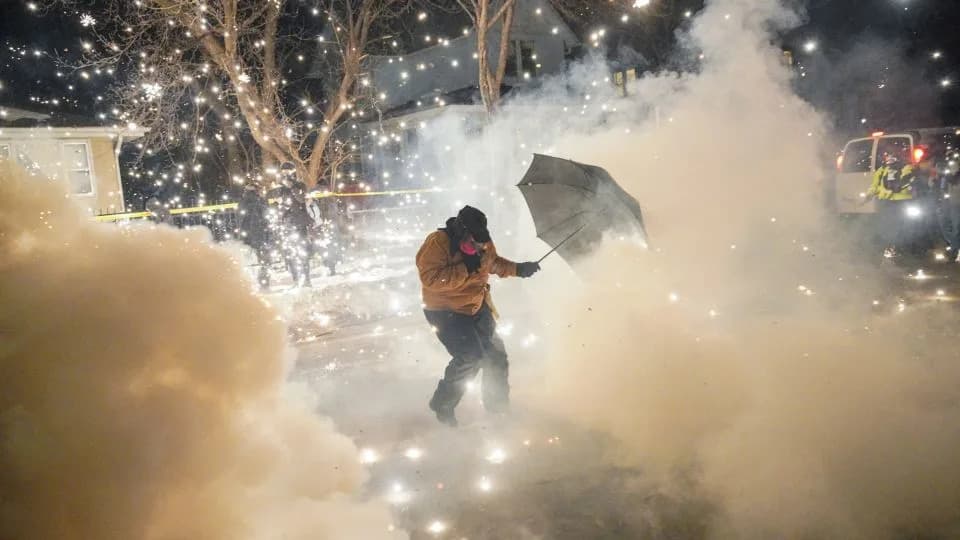
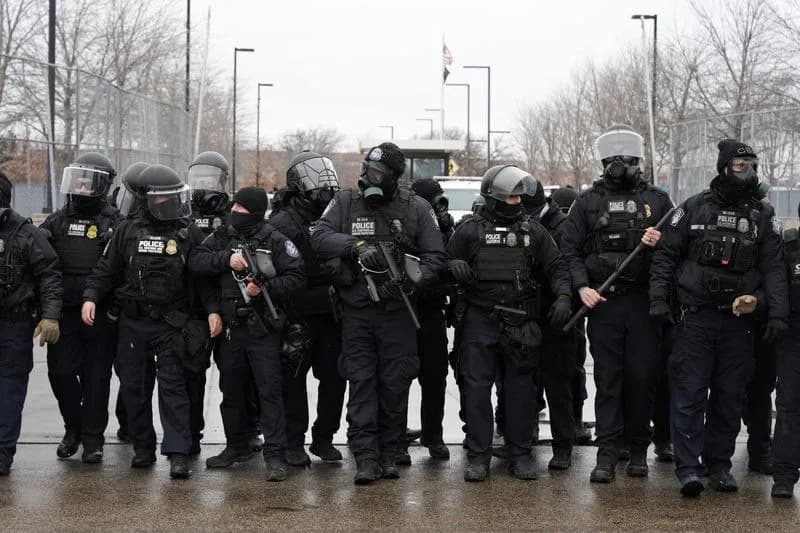
Massive crowds took to the streets across the United States Saturday, marking a second day of coordinated strikes and protests against the Trump administration’s intensified immigration enforcement. The demonstrations coincided with a federal judge’s decision not to immediately halt "Operation Metro Surge," a multi‑agency effort that has deployed thousands of federal agents to Minnesota’s Twin Cities and has been linked, in reported encounters, to the deaths of two people.
Judge Lets Operation Continue While Lawsuit Proceeds
U.S. District Judge Katherine Menendez declined to issue an injunction stopping the operation while the state and several cities pursue a lawsuit against federal officials. In her written opinion, Menendez acknowledged evidence that federal agents have "engaged in racial profiling, excessive use of force, and other harmful actions," and she catalogued harms ranging from increased police overtime and plunging school attendance to delayed emergency responses and severe hardship for small businesses.
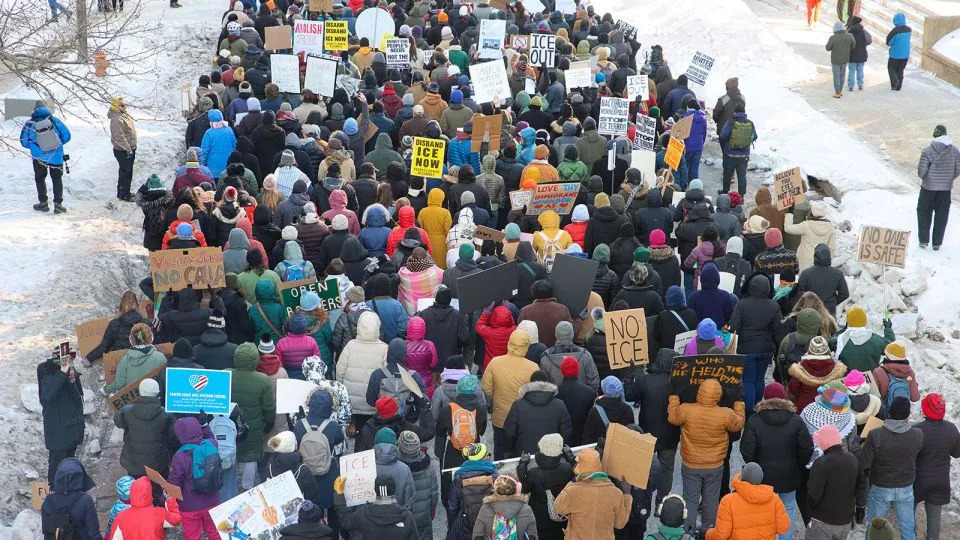
Baltimore demonstrators joined a national day of protest against US Immigration and Customs Enforcement and federal immigration enforcement actions. - Robyn Stevens Brody/Sipa USA/AP
Despite those findings, the judge said the court must weigh those harms against the damage that an injunction could do to federal immigration‑enforcement efforts. She also found that Minnesota was unlikely to prevail on a Tenth Amendment claim alleging federal overreach and observed that a previously issued, narrower injunction affecting crowd‑control tactics had been vacated.
Protests, Memorials And A Nationwide Strike
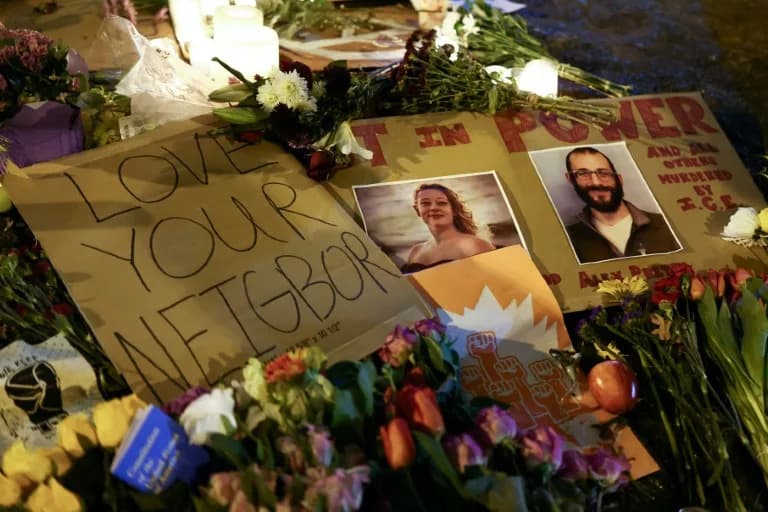
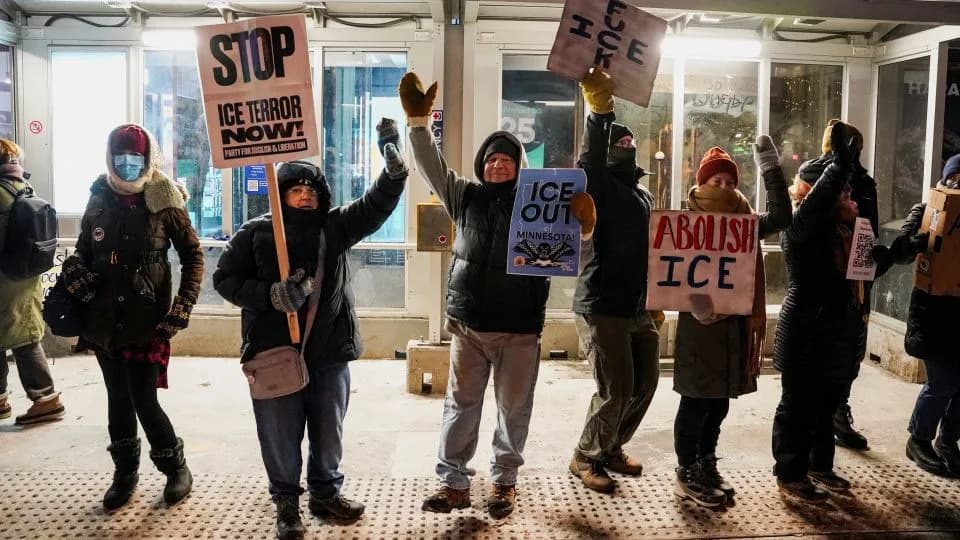
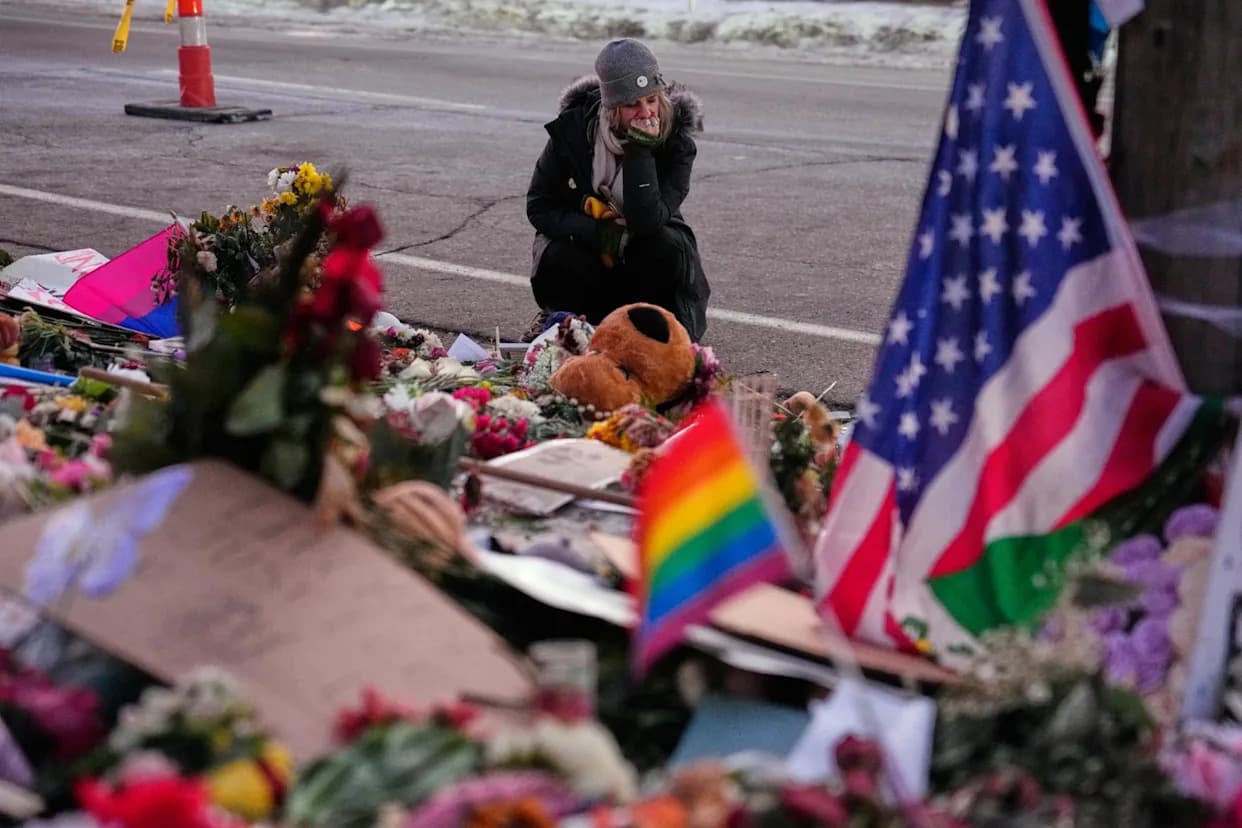
Demonstrators across at least 43 states held marches, walkouts and memorial rides in response to the federal operation and two reported deaths in Minneapolis—Alex Pretti and Renee Good. Organizers listed more than 200 events nationwide, and local aerial footage showed large, peaceful crowds and bicyclists taking part in a memorial ride for Pretti.
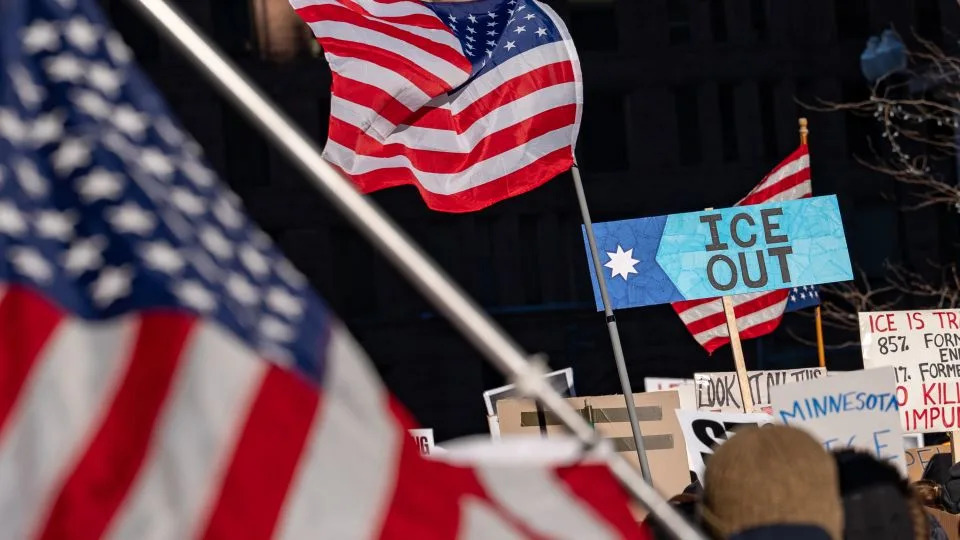
Protesters carry signs and flags as they march against ICE in Minneapolis on Saturday. - Jen Golbeck/SOPA Images/LightRocket/Getty Images
Friday’s nationwide strike included empty tables at restaurants, darkened storefronts and student walkouts under the organizers’ slogan: "No work, no school, no shopping." In Minneapolis, protesters at one point spelled out a human "SOS" on the frozen surface of Bde Maka Ska.
Political, Legal And Civil‑Rights Fallout
The Justice Department announced a civil‑rights investigation into the fatal shooting of Alex Pretti, with the FBI leading the probe. Officials characterized the inquiry carefully as a standard FBI investigation while confirming civil‑rights inquiries were under way.
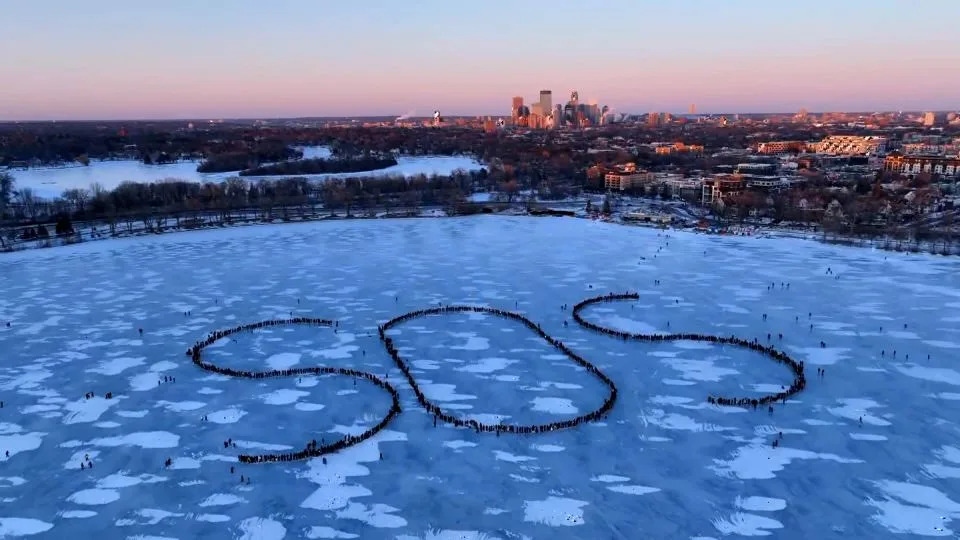
People gather to form a human distress signal on Bde Maka Ska in Minneapolis on Friday. - WCCO
Minneapolis Mayor Jacob Frey and Minnesota Attorney General Keith Ellison expressed disappointment with the ruling and said they would continue to pursue legal remedies. Ellison's office said it is exploring additional and "creative" legal strategies to protect Minnesotans.
Meanwhile, President Donald Trump said he had instructed the Department of Homeland Security not to intervene in protests or unrest in Democratic‑led cities unless local officials formally request federal assistance.
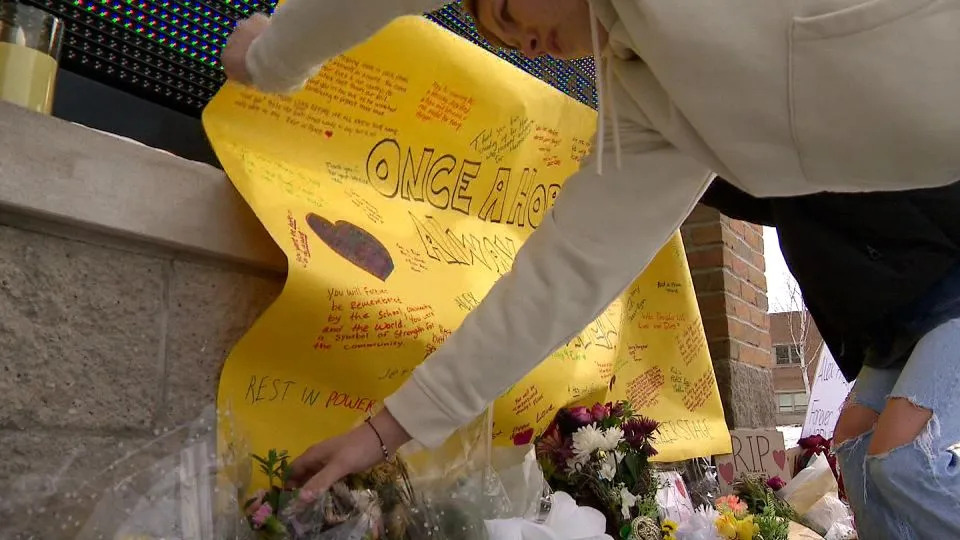
Students at Preble High School place a memorial banner honoring Alex Pretti, who was shot and killed by federal agents in Minnesota last week. - WLUK
Press Freedom Concerns
Friday’s arrests of former CNN anchor Don Lemon and independent journalist Georgia Fort, reportedly tied to their coverage of a church protest in St. Paul, drew widespread condemnation from press‑freedom advocates. An indictment alleges Lemon, Fort and protesters "oppressed, threatened, and intimidated" members of the church congregation; the journalists have vowed to fight the charges. Their arrests renewed debate about press access, free speech, and the legal boundaries for reporters covering volatile events.
Broader Policy Responses
Immigrant‑rights groups filed a separate lawsuit in Boston challenging a policy that would permit ICE officers to enter homes without judicial warrants, alleging use of "administrative warrants" in place of traditional judicial warrants. In New York, Governor Kathy Hochul proposed legislation to prohibit cooperation agreements between local police and ICE under the 287(g) program.
What’s Next
The legal and political fights over Operation Metro Surge, the reported deaths in Minneapolis, and the broader questions about federal‑local cooperation are likely to continue. City and state officials say they will press their lawsuit and pursue additional legal options, while federal officials maintain the operation’s continuation is necessary for immigration enforcement.
Note: This article summarizes reported developments and official statements from multiple sources as the story continues to unfold.
Help us improve.