The Shia Coordination Framework has publicly reaffirmed support for Nouri al-Maliki as Iraq’s next prime minister despite a warning from US President Donald Trump that Washington could withdraw support. The bloc stressed the choice of premier is an exclusively Iraqi constitutional matter and rejected foreign interference. Al-Maliki, 75, who led Iraq from 2006 to 2014, rejected the US warning on X and vowed to remain a candidate. The dispute highlights Baghdad’s balancing act between Washington and Tehran and the leverage the US holds through Iraqi funds held at the Federal Reserve in New York.
Iraq's Shia Bloc Reaffirms Support for Nouri al-Maliki Despite Trump's Warning
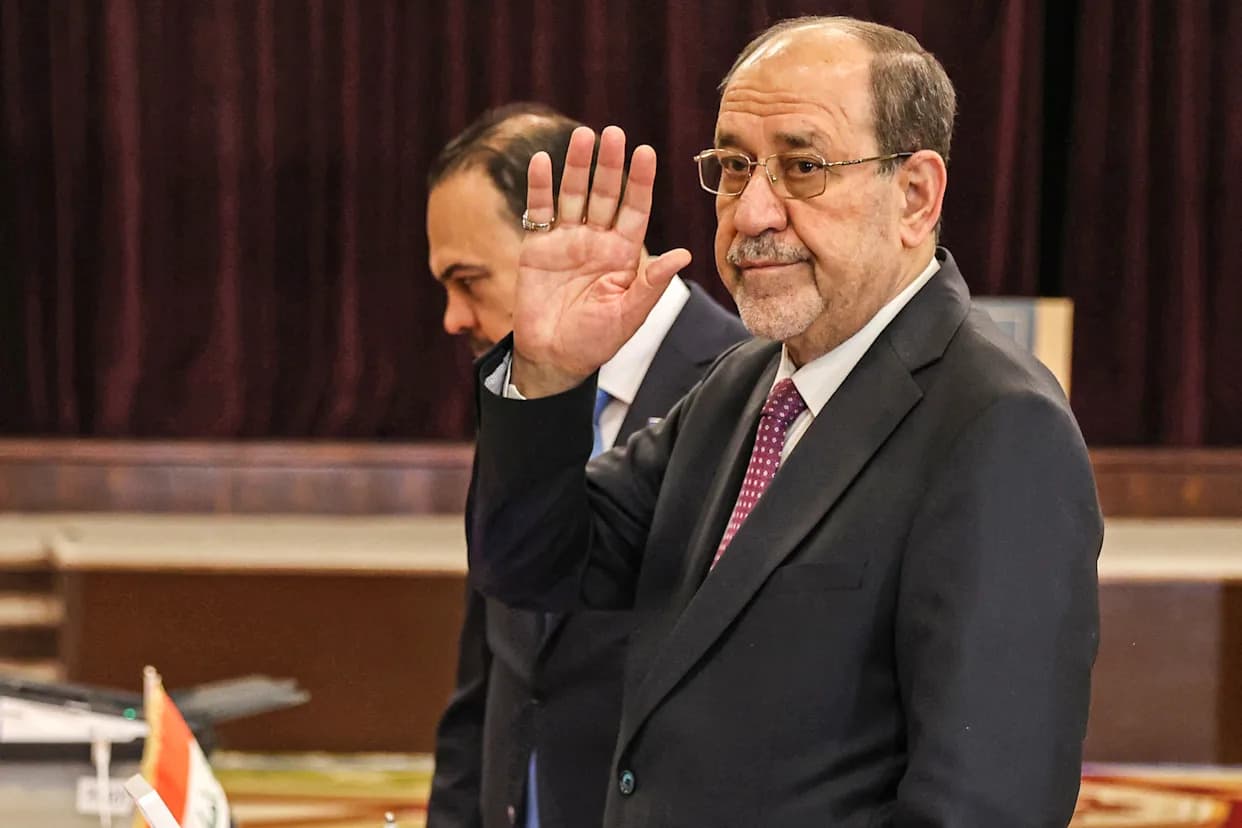
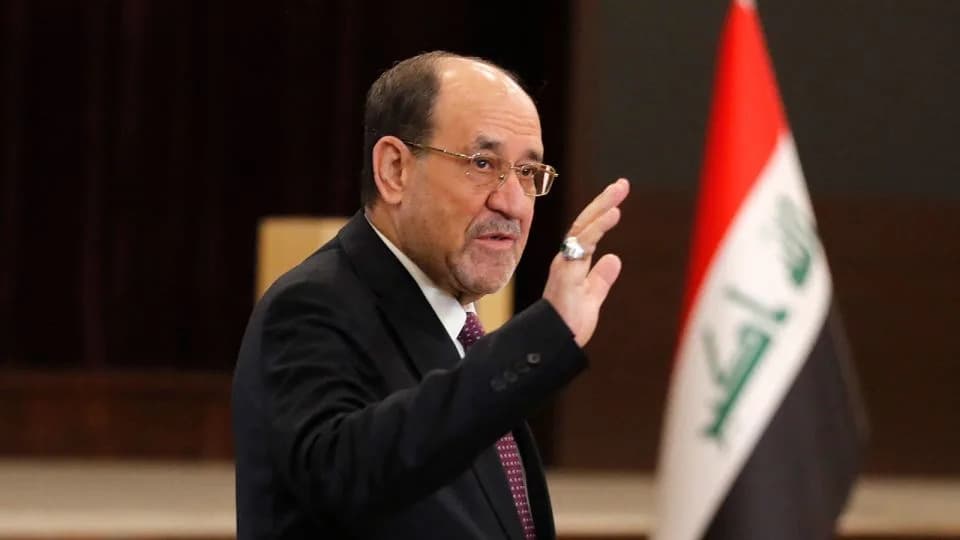
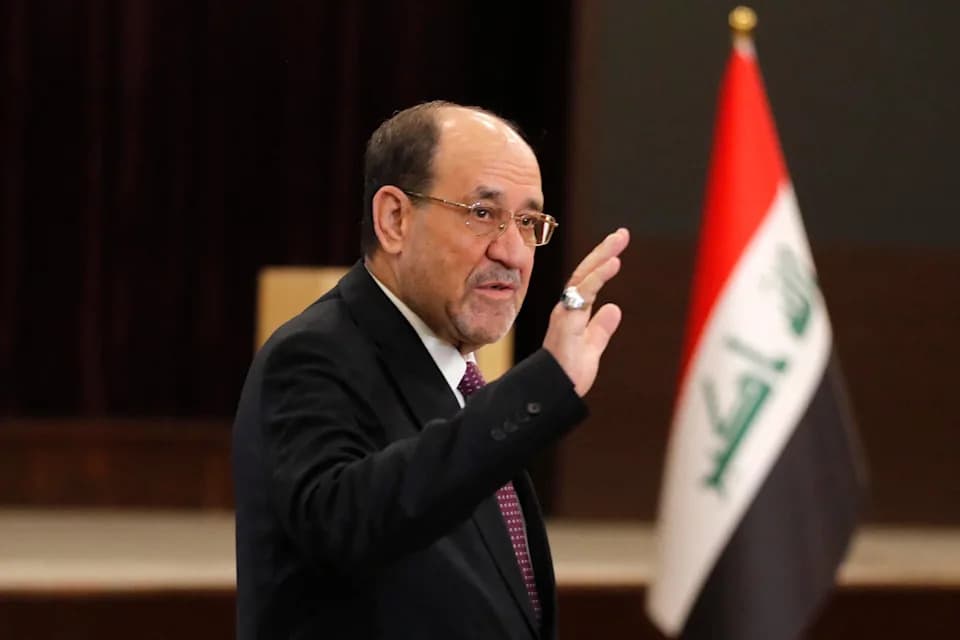
Former Iraqi prime minister Nouri al-Maliki arrives to cast his ballot at a polling station in Baghdad on November 11, 2025 during Iraq's parliamentary elections [File: AFP]
Iraq’s dominant Shia alliance, the Coordination Framework, has publicly reaffirmed its backing for Nouri Kamel al-Maliki as prime minister despite a warning from US President Donald Trump that Washington could withdraw support if he is chosen.
In a statement on Saturday the Coordination Framework said it "reiterates its support for its nominee, Nouri Kamel al-Maliki, for the premiership," adding that "choosing the prime minister is an exclusively Iraqi constitutional matter … free from foreign interference."
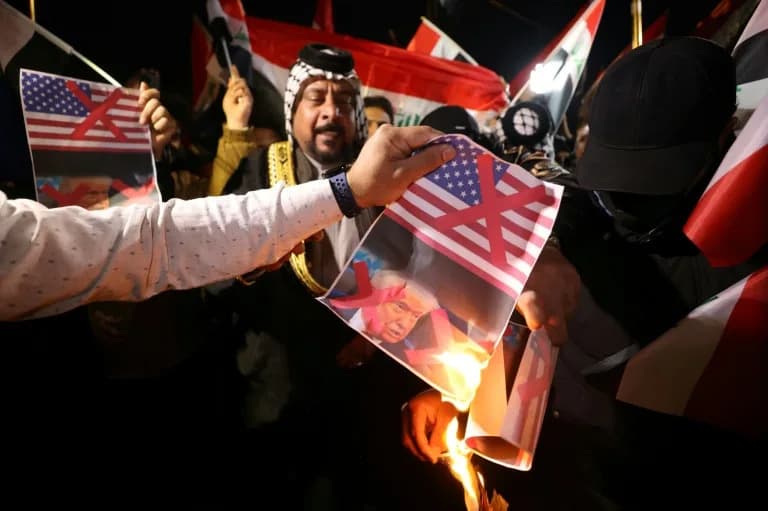
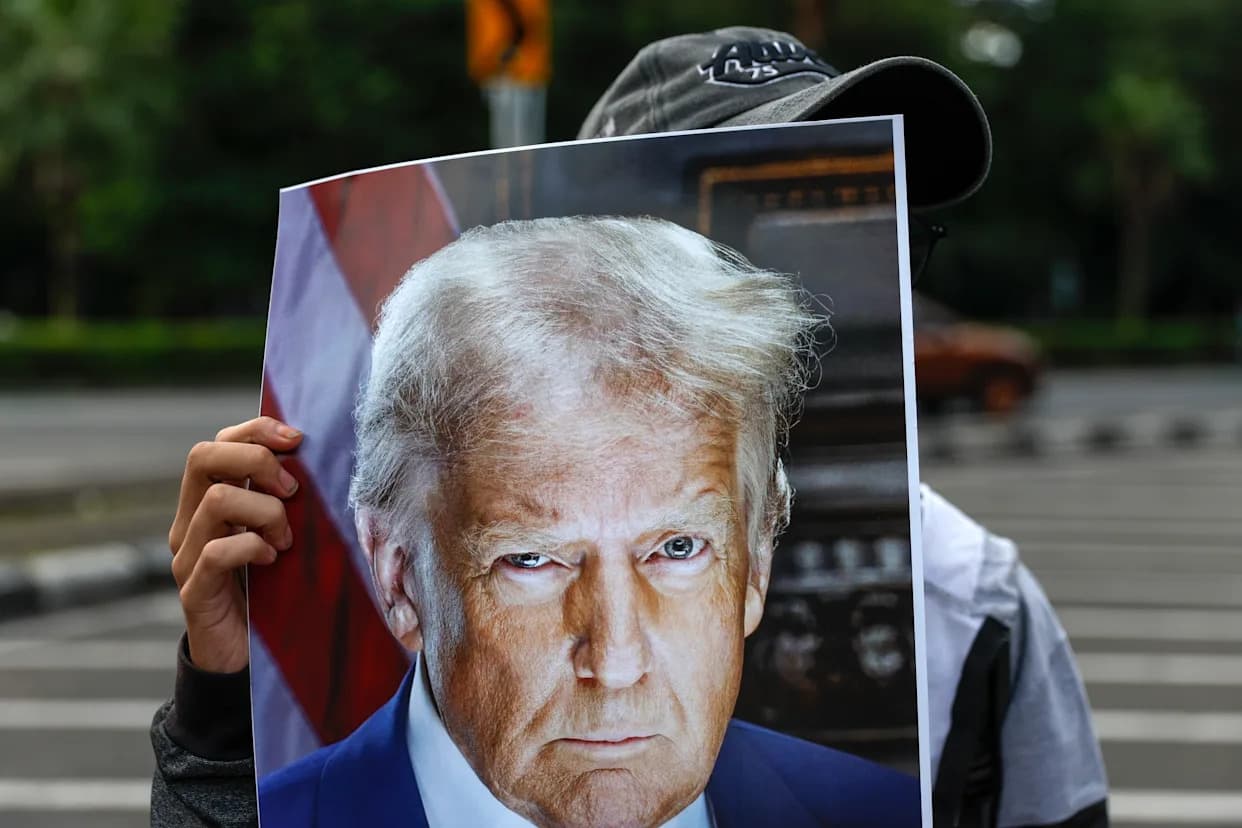
Earlier this week Trump warned that the United States would pull back assistance if al-Maliki became prime minister — part of a broader effort by his administration to curb the influence of Iran-linked groups in Iraq. Al-Maliki rejected the threat in a post on X on Wednesday, denouncing what he called "blatant American interference in Iraq’s internal affairs" and saying he would not withdraw his candidacy.
Who Is Nouri al-Maliki?
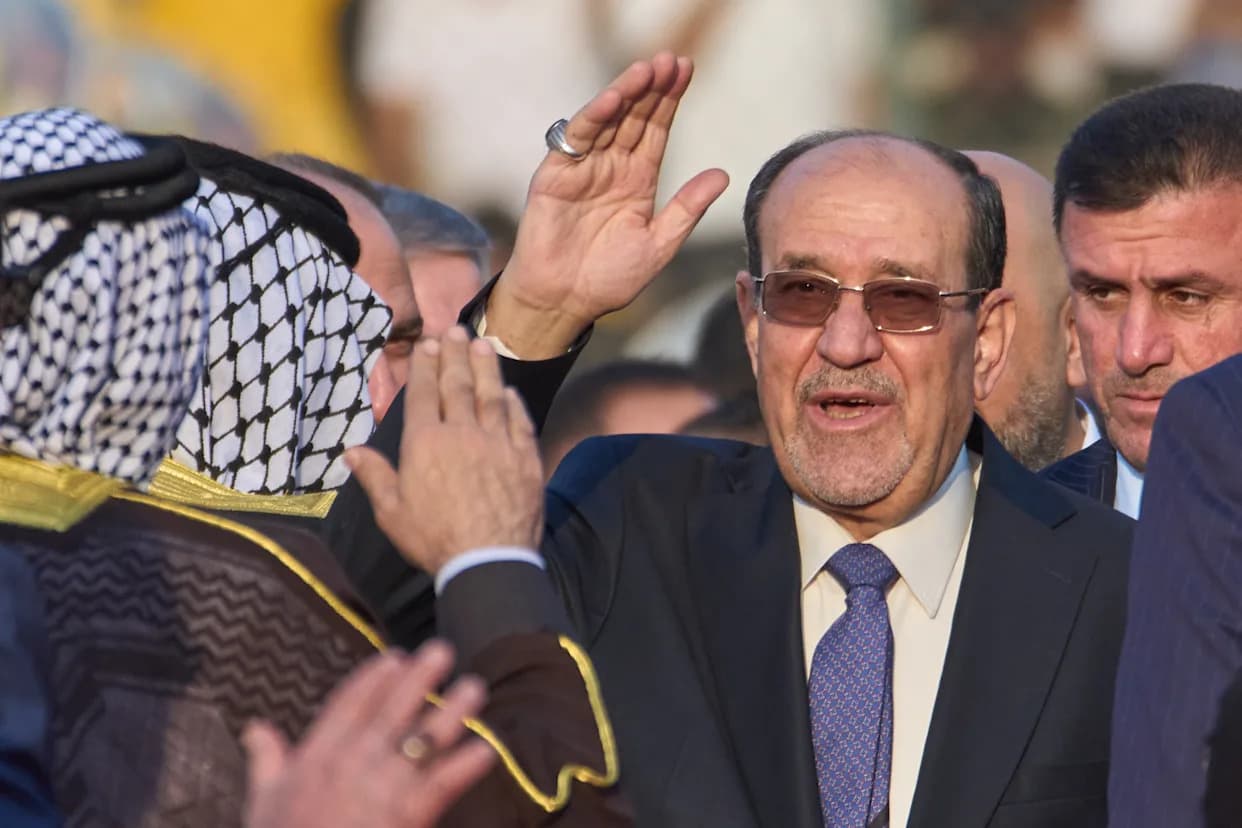
Nouri al-Maliki, 75, is a veteran leader of the Shia Islamic Dawa Party. He served as Iraq’s prime minister from 2006 to 2014, a tenure marked by intense rivalry with Sunni and Kurdish rivals, allegations of corruption, and recurring tensions with the United States. He stepped down in 2014 after ISIL seized large swathes of territory, but he has remained a central political figure, leading the State of Law coalition and maintaining ties with Iran-backed factions.
Geopolitical Stakes
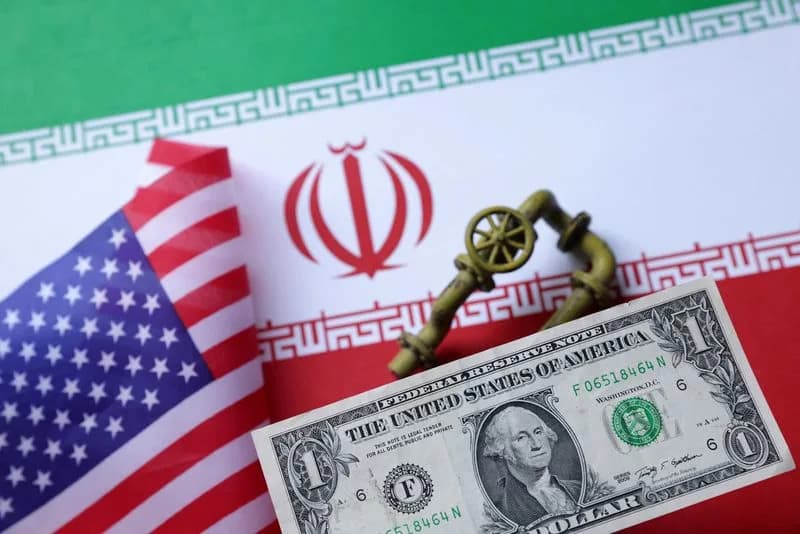
The dispute highlights Baghdad’s delicate balancing act between its two main external patrons, Washington and Tehran. The United States retains significant leverage over Iraq in part because a large portion of Iraq’s oil export revenue and foreign reserves are held at the Federal Reserve Bank of New York under arrangements made after the 2003 US-led invasion.
Coordination Framework: "Choosing the prime minister is an exclusively Iraqi constitutional matter … free from foreign interference."
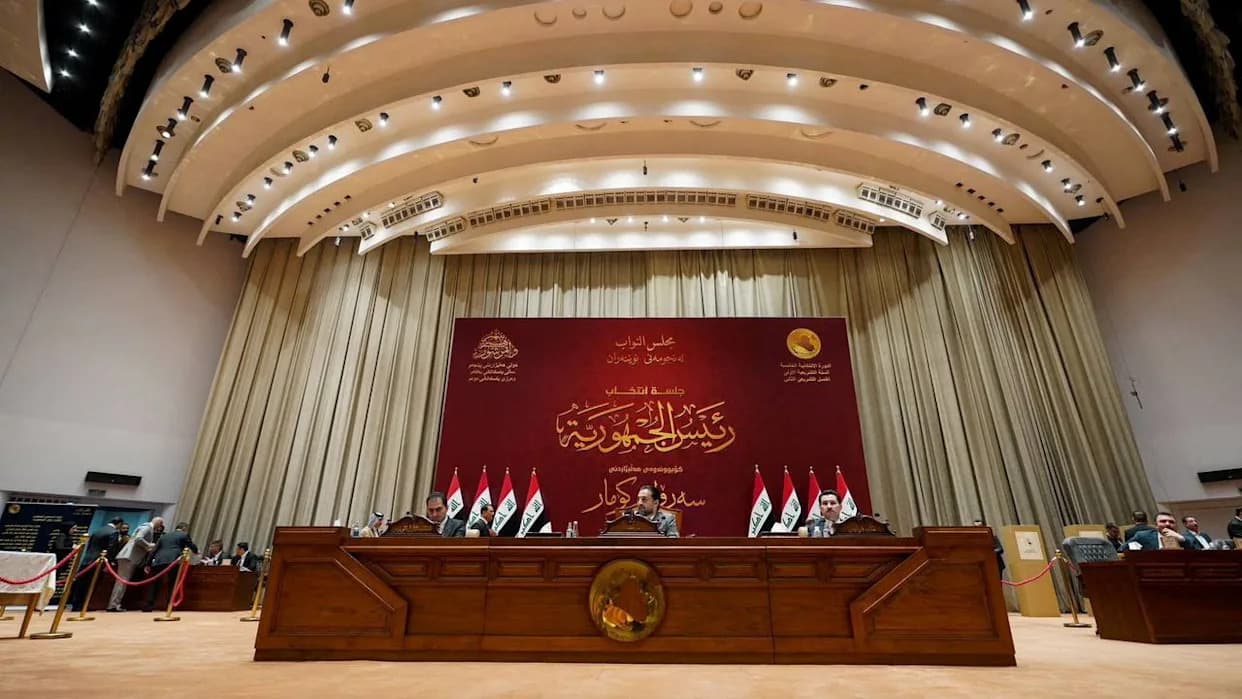
As Iraqi political leaders negotiate formation of the next government, the standoff underlines how domestic appointments can rapidly become flashpoints in regional and international rivalries.
Help us improve.