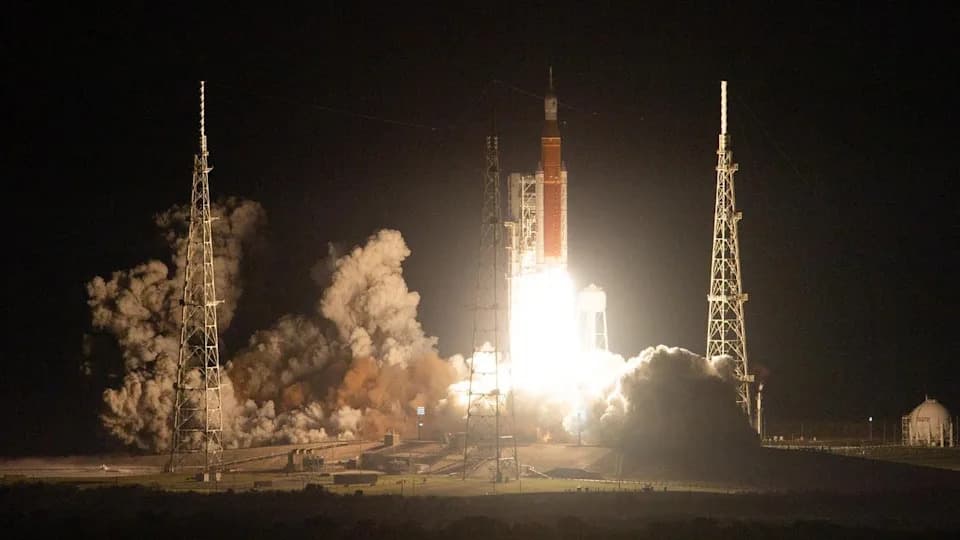
NASA has postponed the earliest possible Artemis II Moon flyby launch to Feb. 8 after forecasts predicted freezing temperatures at Cape Canaveral that would violate launch conditions. A critical fueling demonstration for the 322-foot rocket was delayed; final tests are planned Monday if weather permits. The slip reduces February launch opportunities to three windows and is being coordinated with a possible Crew-12 ISS rotation as soon as Feb. 11. The Artemis II crew remains in quarantine while teams protect the Orion capsule with heaters and specialized purge configurations.
NASA Delays Artemis II Moon Flyby To Feb. 8 After Freezing Forecasts At Cape Canaveral
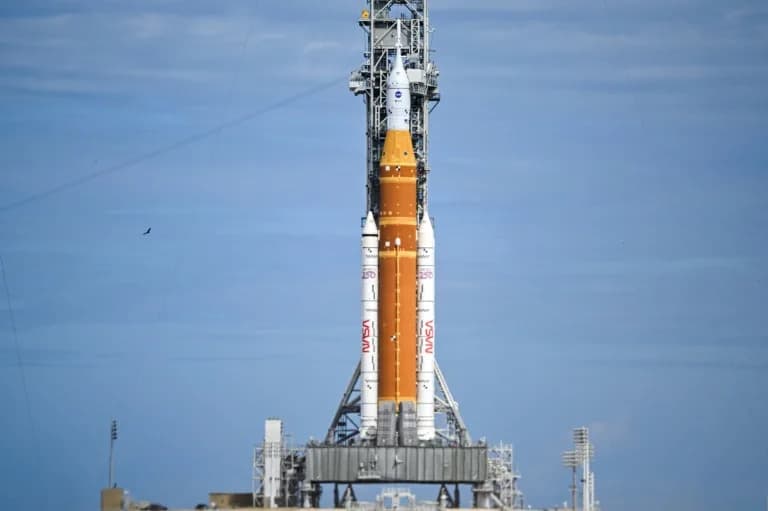
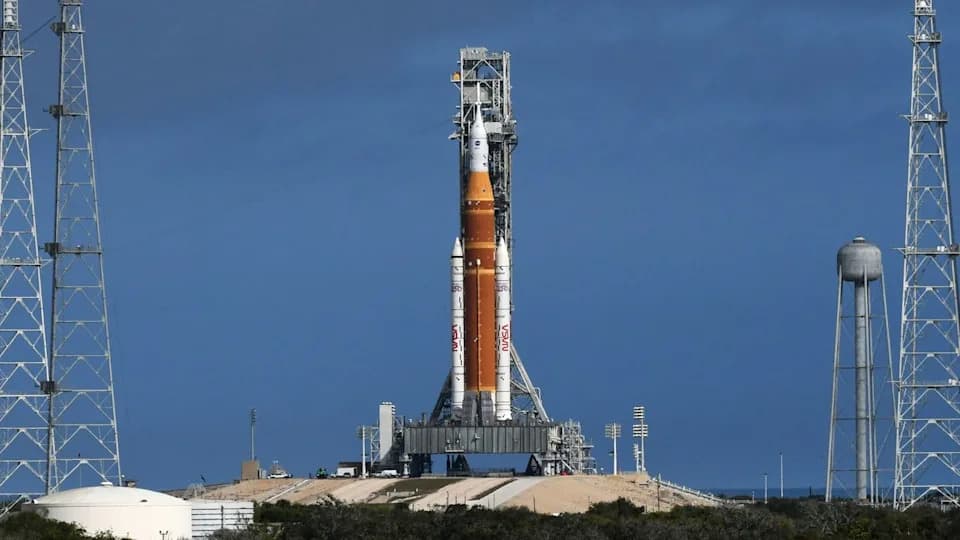
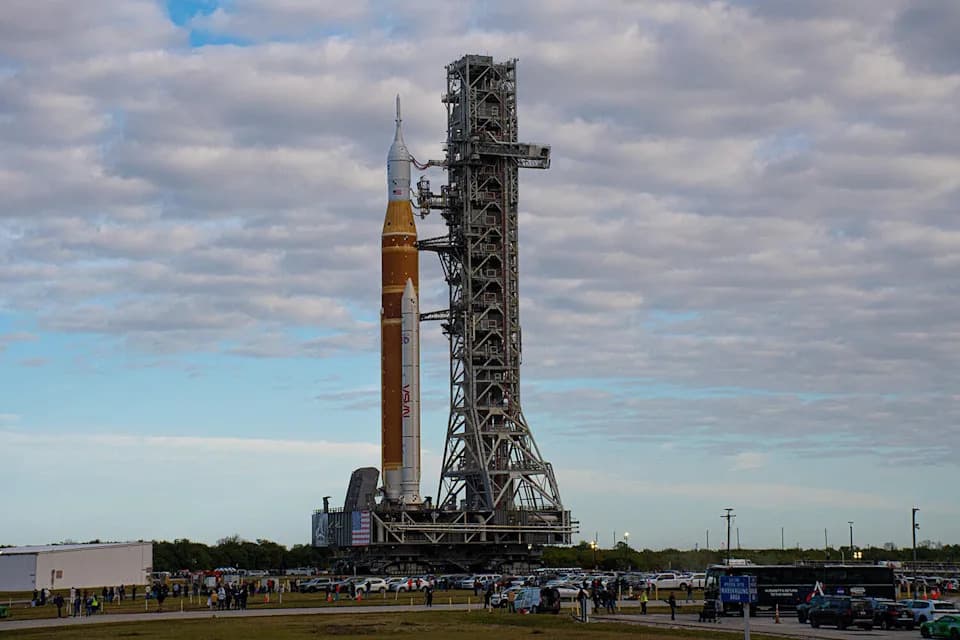
NASA is preparing to conduct key tests before its Moon rocket can blast off from Florida (Miguel J. Rodriguez Carrillo)(Miguel J. Rodriguez Carrillo/AFP/AFP)
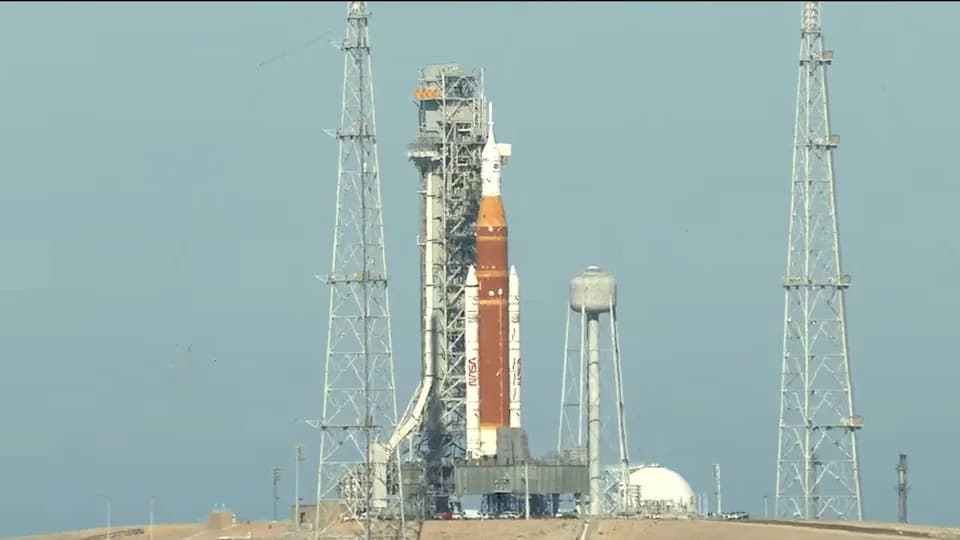
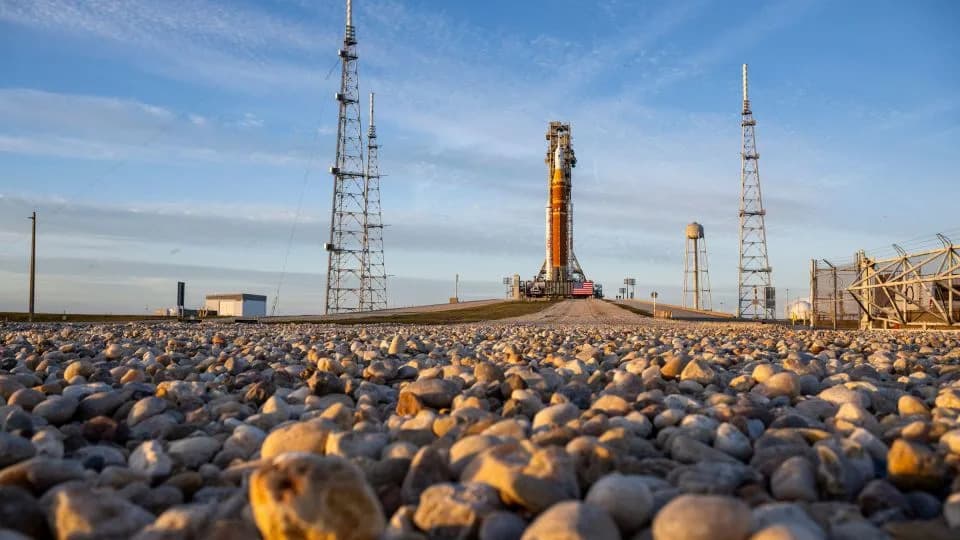
NASA announced Friday that it has moved the earliest possible launch date for the Artemis II crewed Moon flyby to Feb. 8 because forecasts predict unusually cold conditions at the Cape Canaveral launch site in Florida. The change delays a planned key fueling demonstration of the 322-foot (98-meter) Space Launch System rocket that had been scheduled for the weekend.
Weather Forces Slippage
Arctic air sweeping across much of the United States has produced a deadly winter storm and driven temperatures down into ranges that would violate launch constraints. Even Florida — typically mild and sunny — could see temperatures near or below freezing, prompting NASA to postpone the fueling test and shift the earliest launch opportunity two days later.
"The expected weather this weekend would violate launch conditions," NASA said in a statement.
Next Steps
Weather permitting, NASA teams now plan to perform final tests on Monday, after which a firm launch date will be set. The postponement reduces the number of available Artemis II launch windows in February to just three remaining opportunities.
Crew, Vehicle Preparations And Coordination
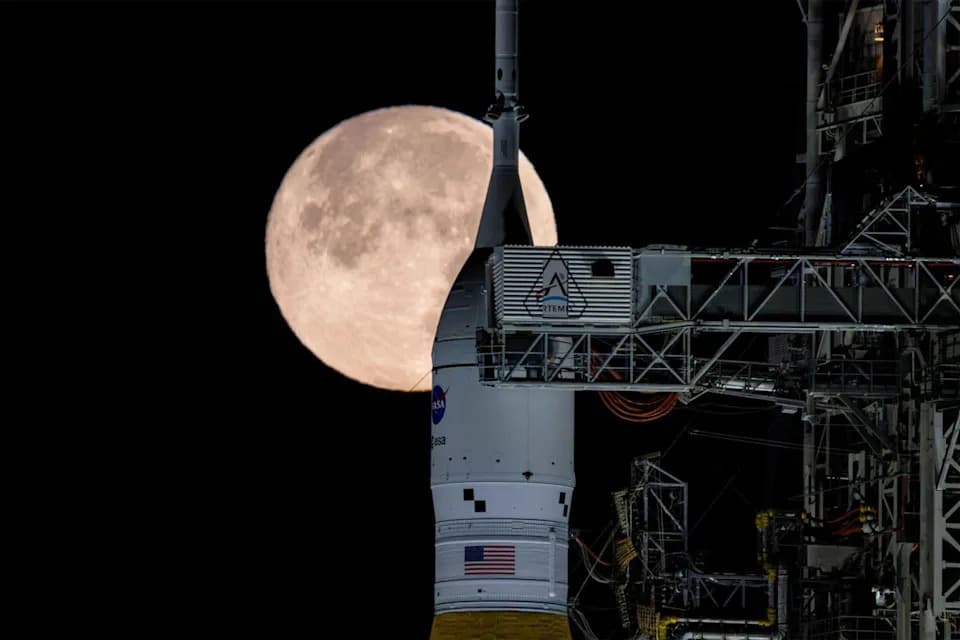
The Artemis II crew of four remains in quarantine in Houston as ground teams finalize spacecraft and ground systems checks. Heaters have been placed atop the Orion crew capsule, and purge systems have been reconfigured to maintain proper environmental conditions in colder temperatures.
NASA is also coordinating closely with an upcoming crew rotation to the International Space Station (Crew-12). That ISS launch could occur as soon as Feb. 11 but may be adjusted depending on the Artemis II timeline.
"Our teams have worked very carefully to see how we can keep moving towards launch for both missions, while at the same time making sure we avoid any major conflicts," said Ken Bowersox, an administrator at NASA's Space Operations Mission Directorate.
Jessica Meir, commander of the Crew-12 rotation, said the team would welcome an in-orbit call if schedules overlap: "If we do launch before Artemis, we'll be on board the International Space Station, and part of their flight plan actually involves a call to the ISS. We are all thrilled about the launch of Artemis." The Crew-12 roster also includes Sophie Adenot, who will become the second Frenchwoman to travel to space.
Timing Note
Notably, the new Feb. 8 launch window opens at 11:20 p.m. local time in Florida (04:20 GMT on Feb. 9), shortly after the expected end of the Super Bowl broadcast — a scheduling coincidence that has drawn additional public interest.
NASA will continue to monitor weather and system readiness and will announce any further changes as decisions are made.
Help us improve.