James Holland, a retired Texas Ranger, says he obtained 93 murder confessions from Samuel Little during repeated interviews from June 2018 to December 2020. More than 60 of those confessions have been linked to victims through DNA or corroboration. Holland credits patient rapport-building, avoiding appeals to remorse, and careful, methodical questioning — along with Little’s own drawings and detailed memory — for unlocking dozens of cold cases.
How A Texas Ranger Coaxed 93 Confessions From Samuel Little — The Interrogation Tactics That Helped Solve Dozens Of Cold Cases
‘Serial Killer Whisperer’ reveals how he cracked America’s most prolific murderer and unlocked 93 confessions
James Holland, a retired Texas Ranger often called a "serial killer whisperer," has described how he persuaded Samuel Little to confess to 93 murders during repeated interviews between June 2018 and December 2020, the Texas Department of Public Safety says. More than 60 of those confessions have since been matched to known victims through DNA and corroborating interviews.
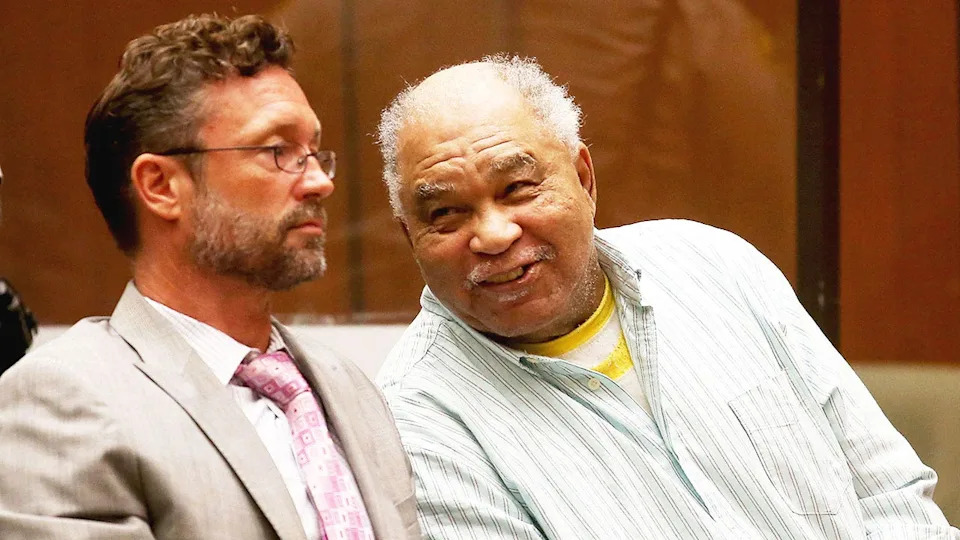
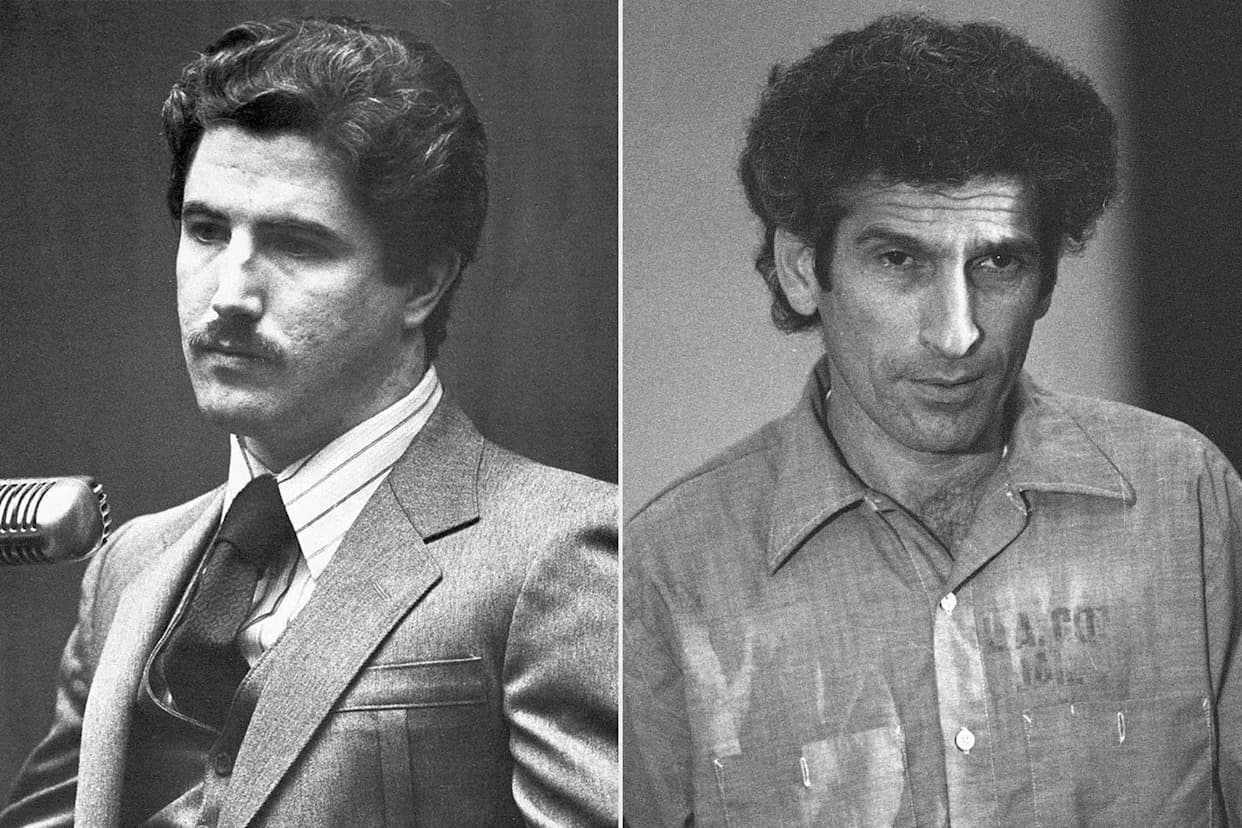
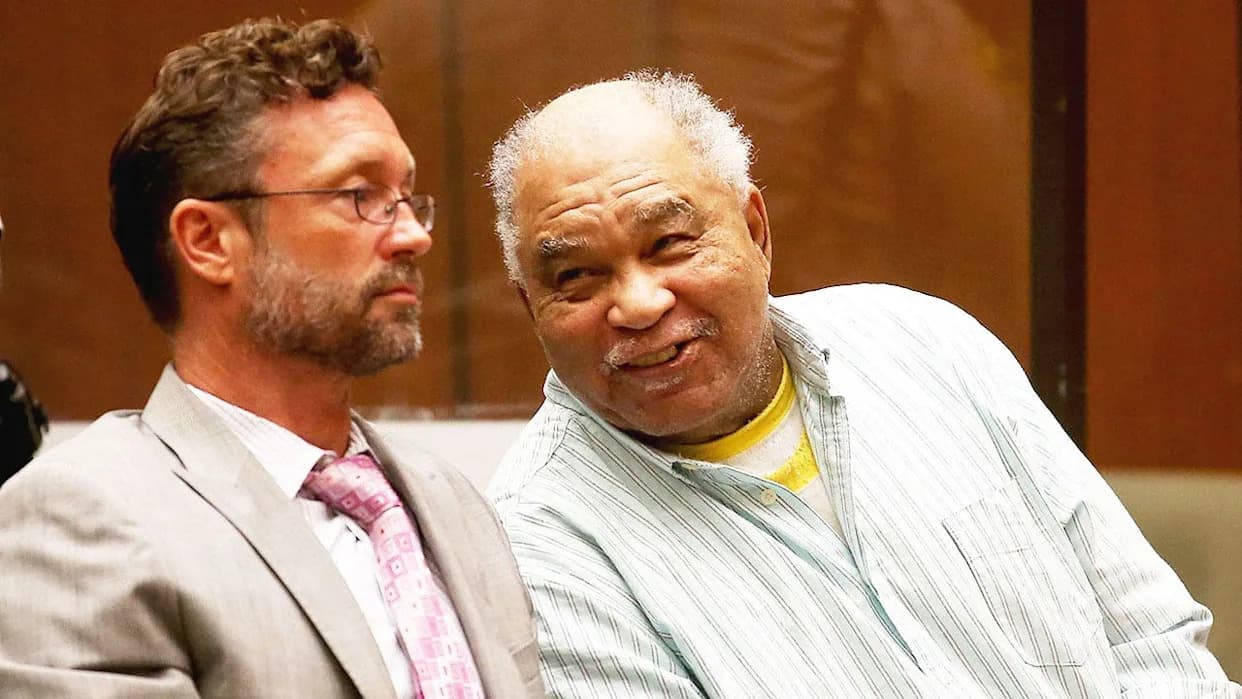
Samuel Little, right, appears unfazed after being convicted on three counts of first-degree murder Sept. 2, 2014, in Los Angeles Superior Court.(Getty Images)
A Reluctant Source — And A Patient Interviewer
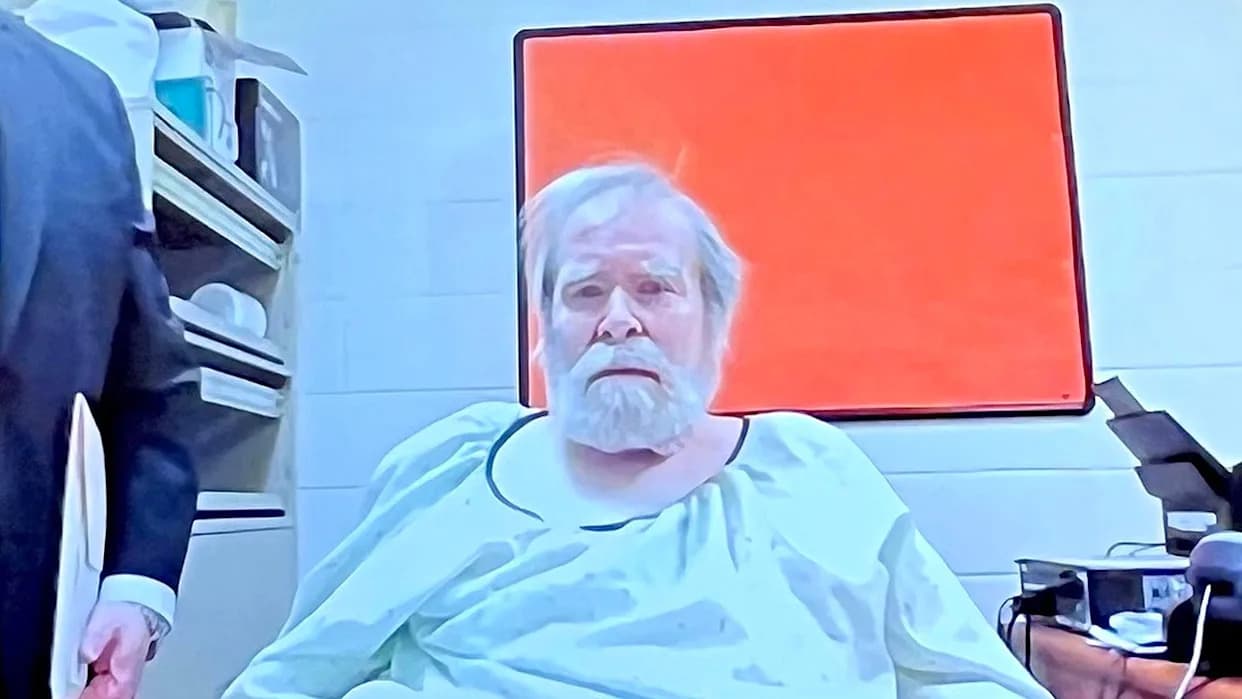
Little, ailing and wheelchair-bound in a California prison, had refused to engage with other investigators. Holland — who logged more than 700 hours of conversations with Little — was initially sent to ask about a murder Little denied. Instead, over hundreds of hours, Little began to disclose details of dozens of killings that only the perpetrator could have known.
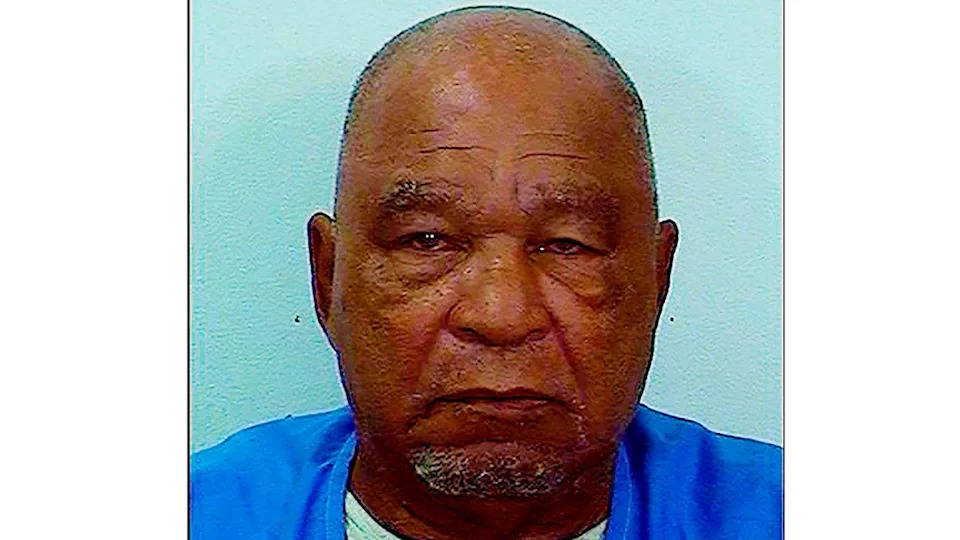
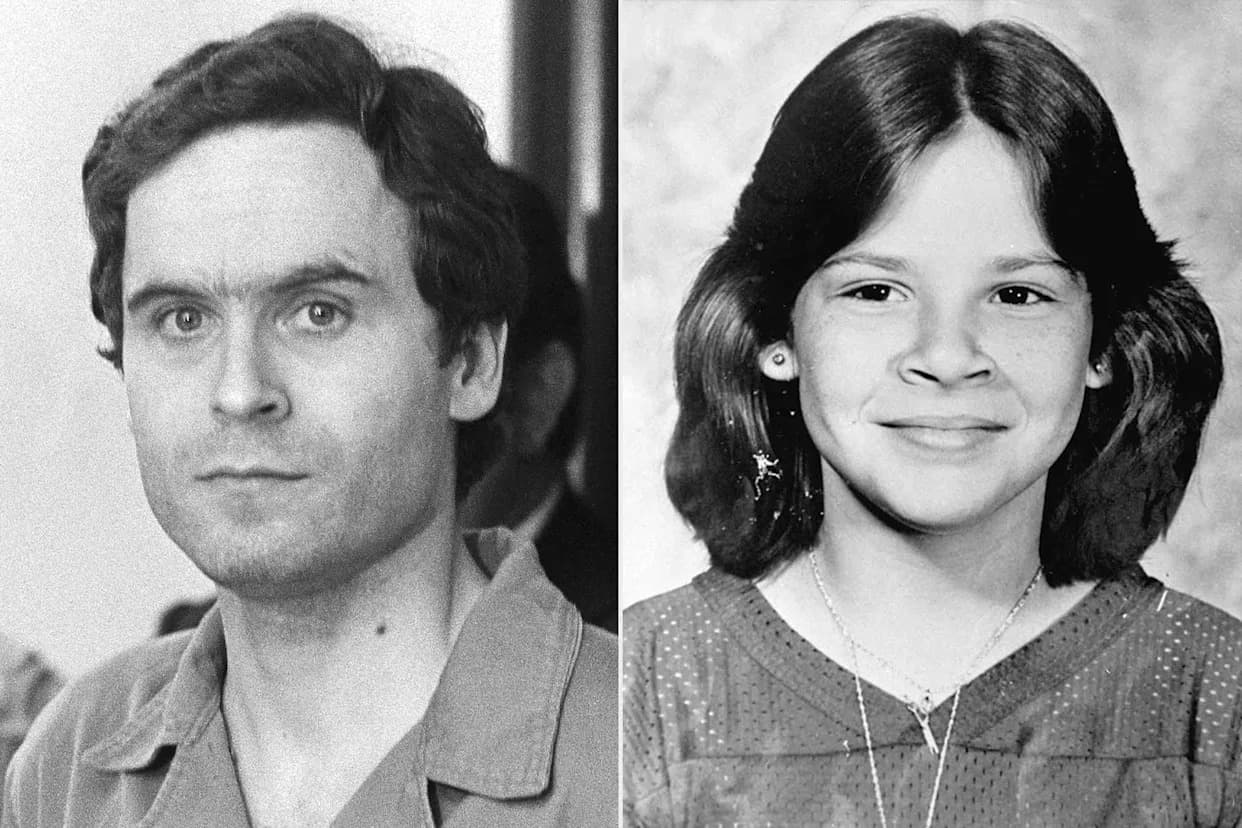
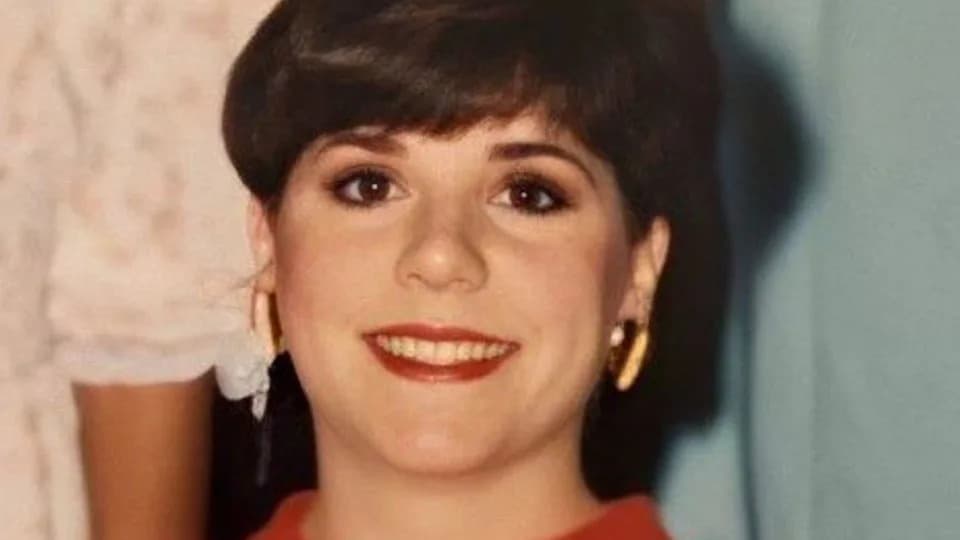
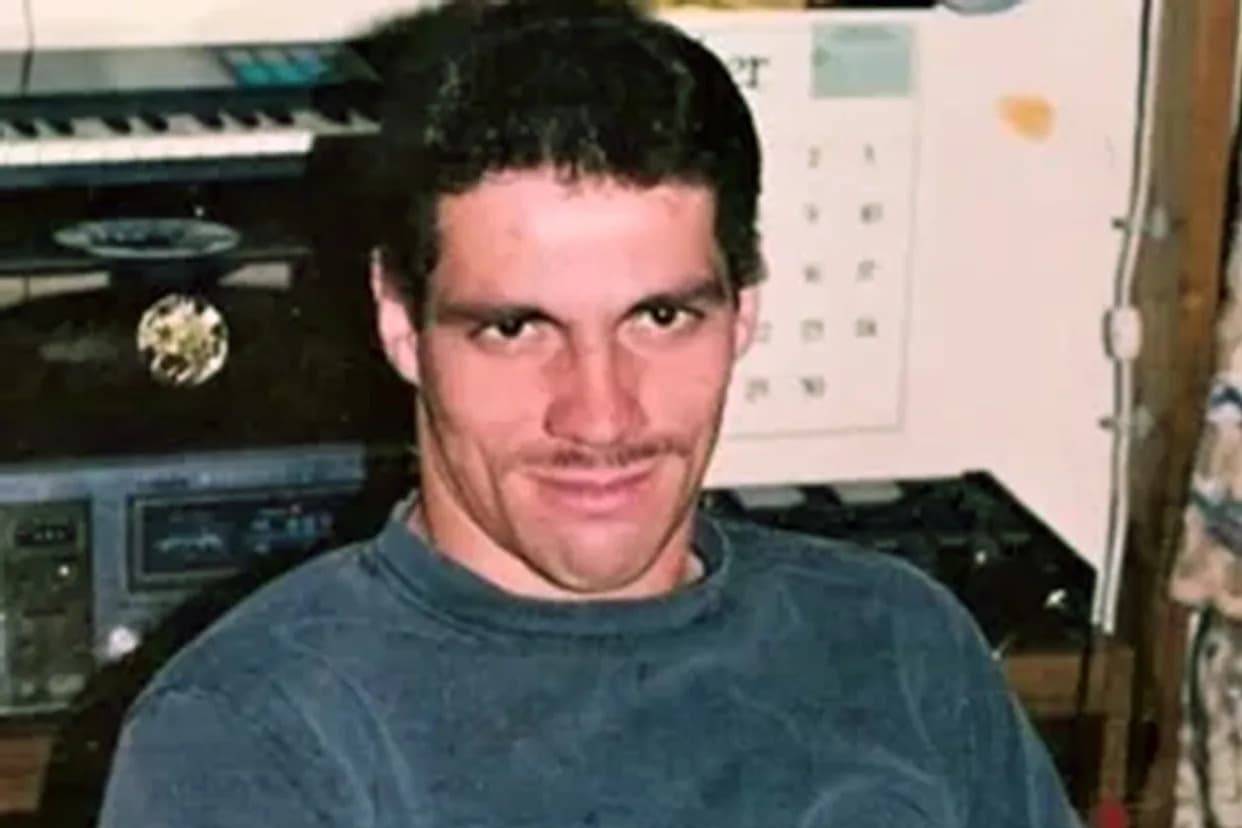
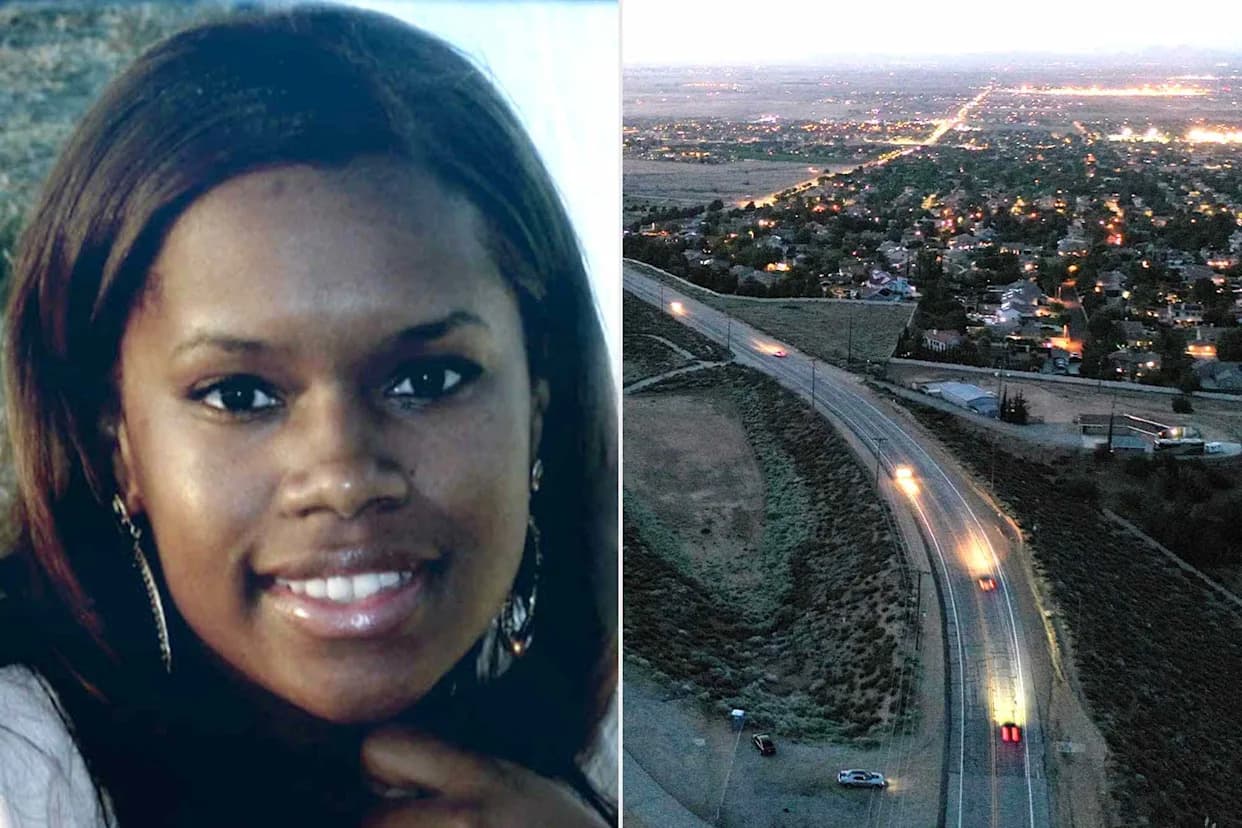
Georgia's "Macon Jane Doe" has been identified as Yvonne Pless, a victim of Samuel Little (pictured) who was about 20 when he killed her in 1977. Little confessed to 93 murders before his death in 2020.
Techniques That Worked
Rapport Over Remorse: Holland says he deliberately avoided moralizing or pushing for remorse — a tactic that, in his experience, shuts down many serial offenders. Instead he built rapport with neutral conversation, sports talk, and small comforts.
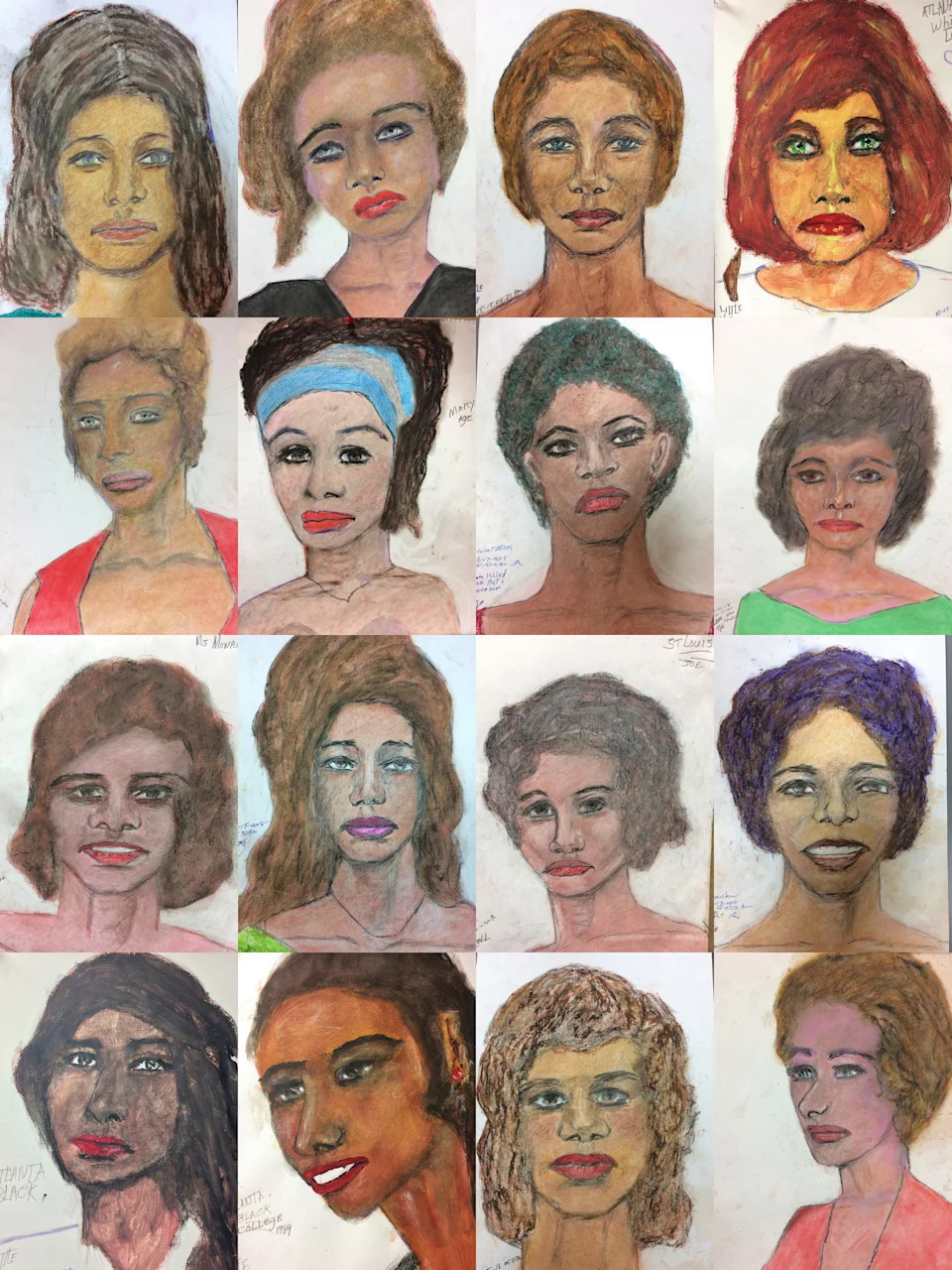
This combination of undated sketches provided by the FBI shows drawings made by admitted serial killer Samuel Little, based on his memories of some of his victims.
Small Human Touches: Holland brought Little preferred foods (pizza, Dr Pepper and grits), used childhood nicknames like "Sammy" or "Jimmy," and assured him he would not face execution. Those concessions helped Little relax enough to speak.
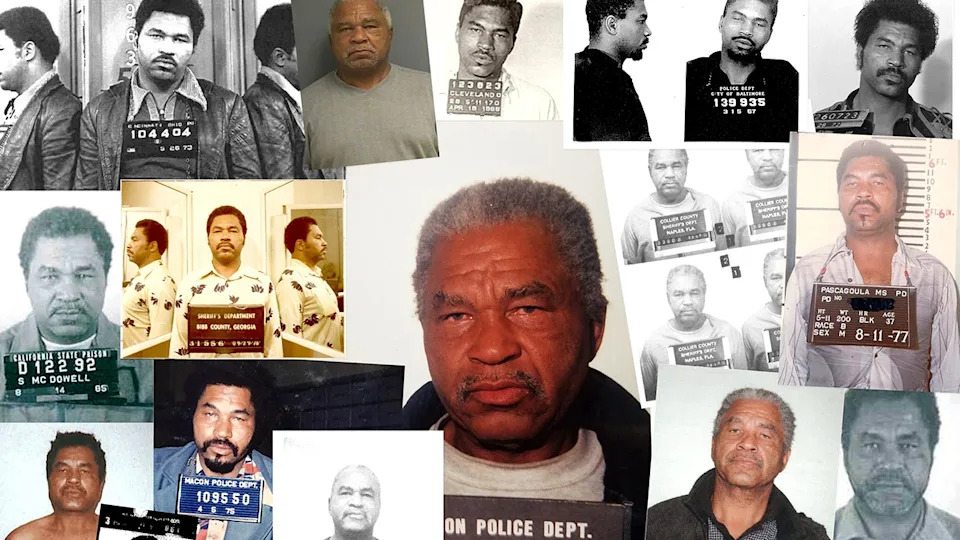
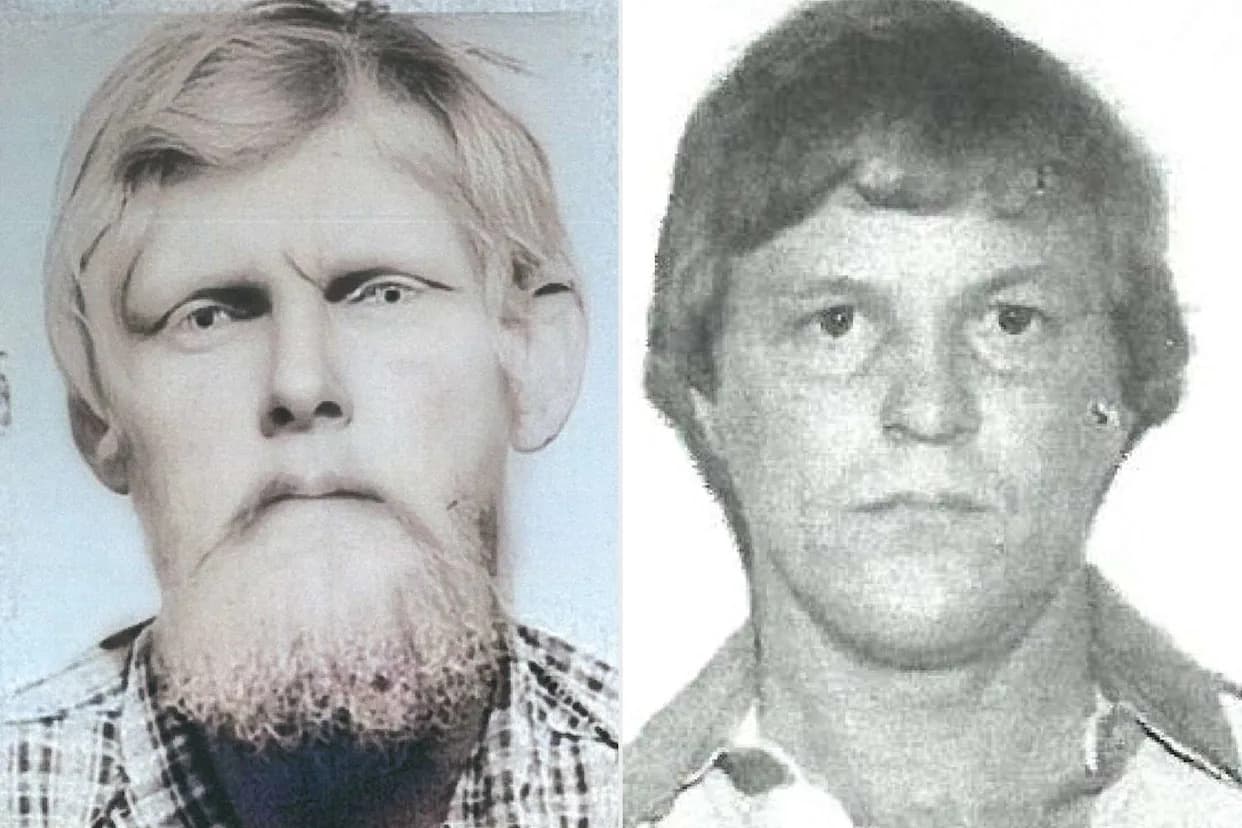
In this handout photo provided by the FBI, serial killer Samuel Little is seen in multiple mugshots/booking photos from 1966-1995. The FBI described Little as the most prolific serial killer in U.S. history.
Staying Emotionally Neutral: When Little tested him with graphic descriptions or intimidation, Holland kept a blank expression and listened. That restraint, he says, allowed Little to continue talking instead of shutting down.
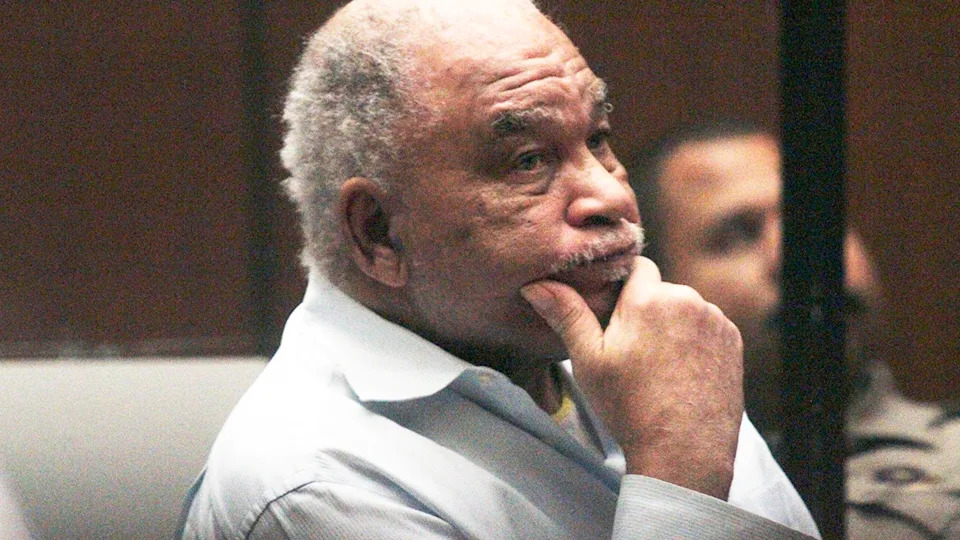
Samuel Little, who was indicted on charges he murdered three women in Los Angeles in the 1980s, listens to opening statements as his trial begins on Aug. 18, 2014.
"If you break that rule, step over that boundary, you can never go back into the room with them," Holland warned about discussing remorse with serial offenders.
The Evidence Little Provided
Little supplied dozens of drawings and paintings of victims, sometimes annotated with names, years and locations. He described where he met victims, the circumstances of their deaths and where he left their bodies — details that investigators used to reopen cold cases and, in many instances, confirm confessions with DNA and witness corroboration.
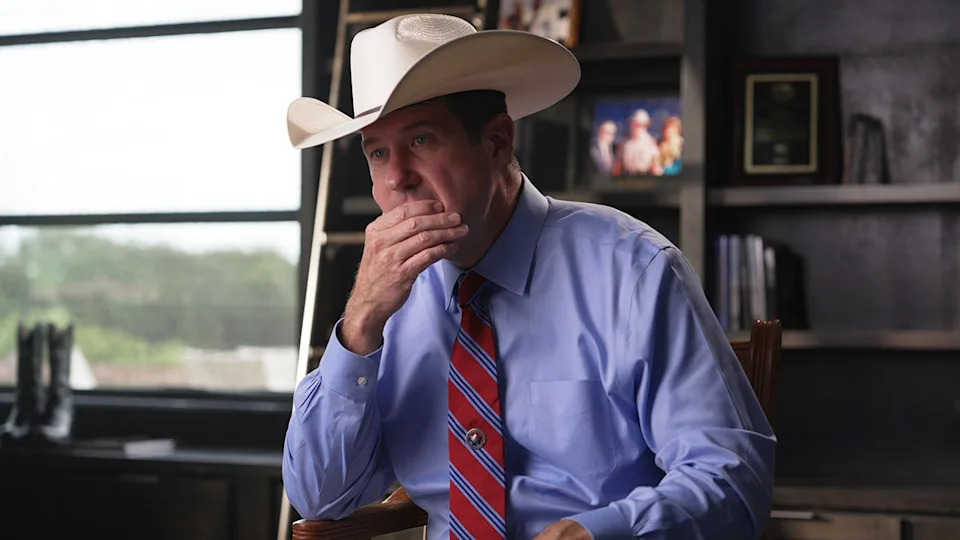
James Holland described Samuel Little as a "monster" and "master manipulator."
Investigators say Little’s ability to recall scenes and match them to case files proved critical in connecting many victims to his confessions. Agencies including the Texas Department of Public Safety, The Associated Press and the Los Angeles Times reported on Holland’s role and the subsequent nationwide effort to match confessions to cold cases.
Background And Aftermath
Little claimed his first killing was on New Year’s Eve 1970 in Miami and his last in 2005 in Mississippi. He lived a transient life, cycling in and out of jail for larceny, assault and drug offenses, and traveled widely. A 2012 arrest for drugs produced DNA that linked him to three California murders, which helped focus later investigations.
Little died in a California hospital in 2020 at age 80 while serving multiple life terms. Holland now examines these interrogation techniques in an Investigation Discovery series, Killer Confessions, explaining how patient, methodical questioning and careful rapport-building produced confessions that helped bring closure to numerous families.
Sources: Texas Department of Public Safety; reporting by The Associated Press, Los Angeles Times and Fox News.
Help us improve.