Ted Bundy carried out a cross-country series of abductions, sexual assaults and murders primarily between 1974 and 1978, confessing to at least 30 killings while investigators suspect many more. He used ruses such as impersonating police to lure victims, escaped custody twice, and was finally captured in Pensacola in 1978. Convicted in multiple trials, Bundy received three death sentences and was executed on Jan. 24, 1989. Survivors’ testimony and ongoing cold-case reviews continue to shape the search for additional victims and understanding of his crimes.
Revisiting Ted Bundy’s Nationwide Killing Spree: Crimes, Survivors, and Unresolved Questions
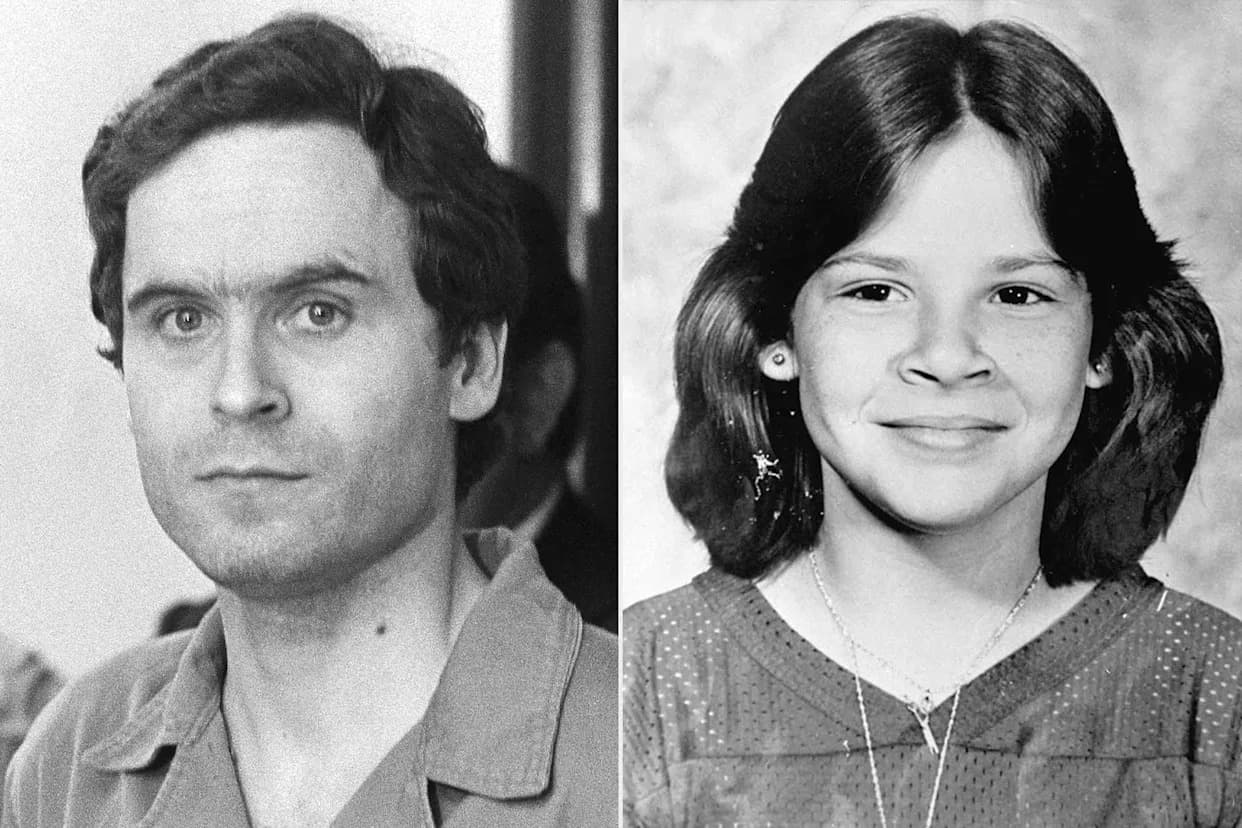
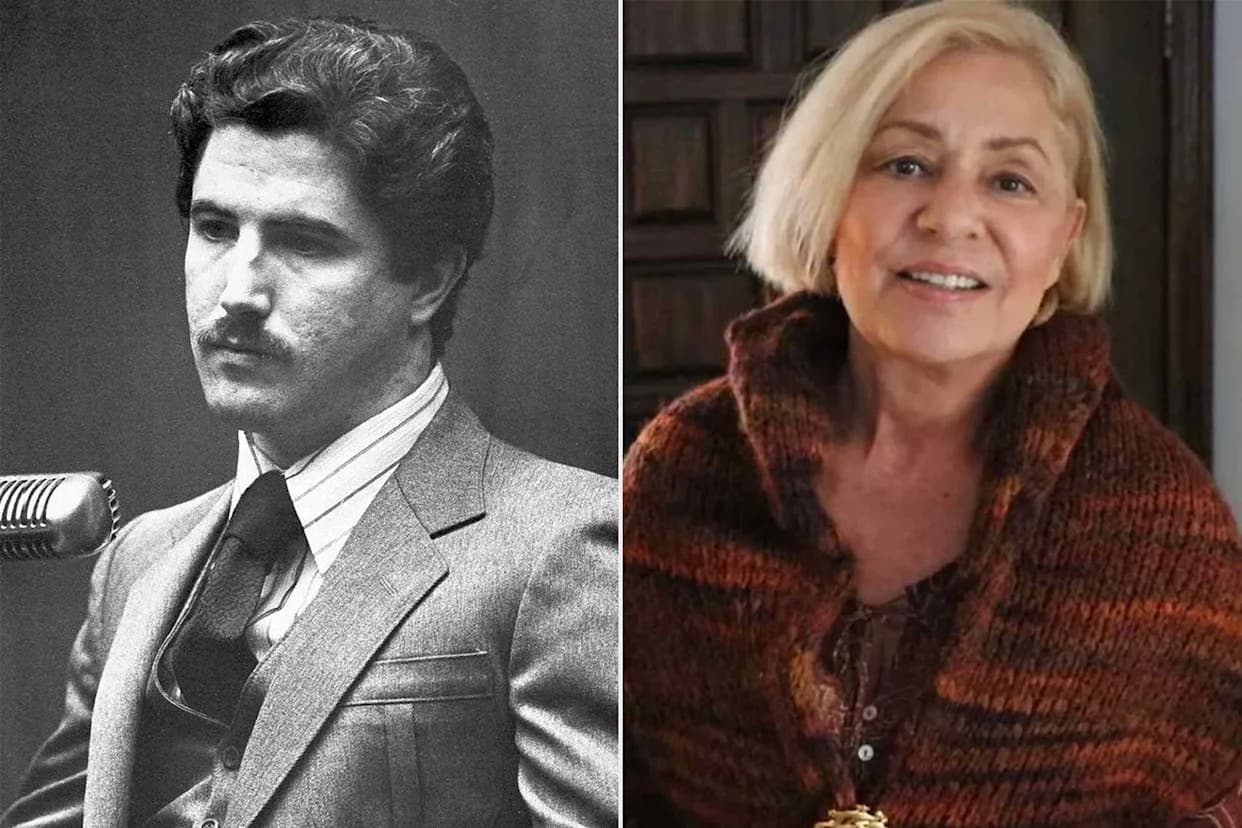
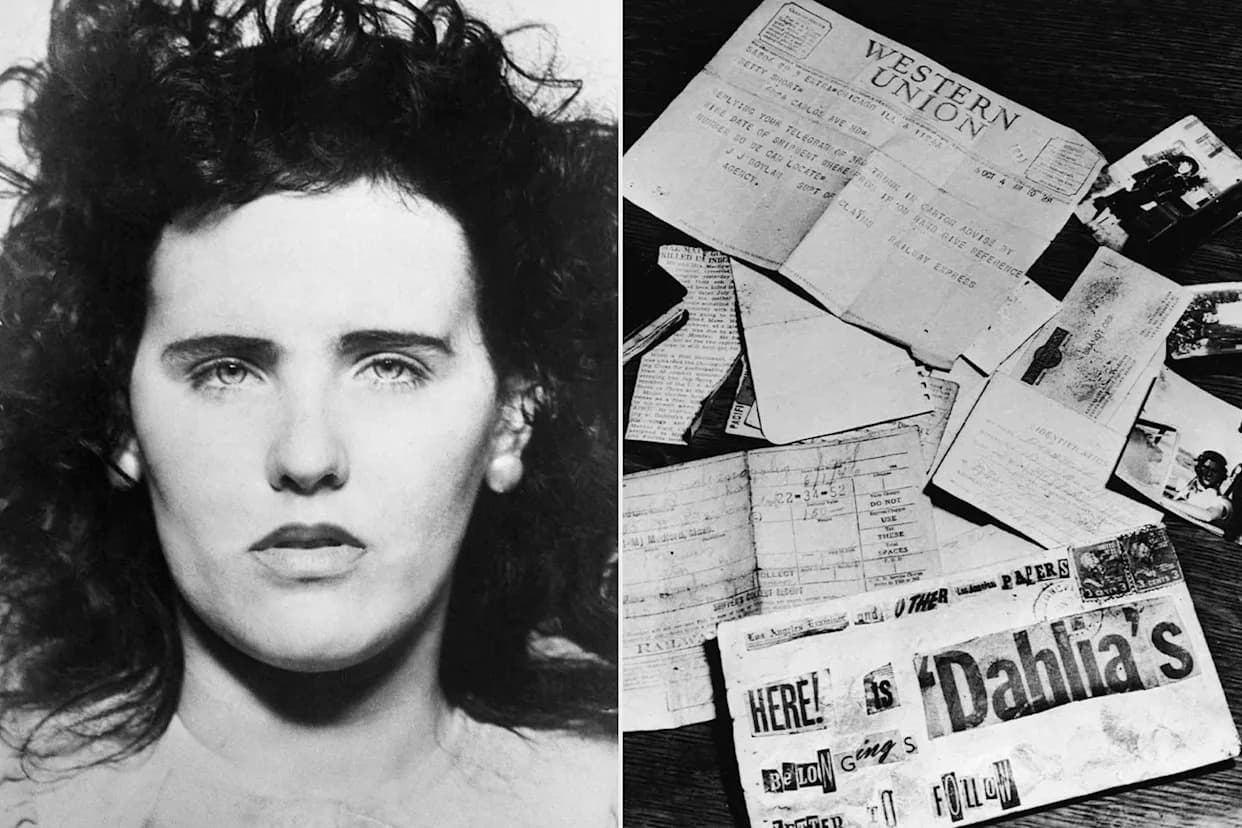
Bettmann/Getty ; The Chronicle Collection/GettyTed Bundy ; Kimberly Leach.
Ted Bundy carried out a multistate campaign of sexual violence, abduction and murder that rocked the United States in the 1970s. He confessed to killing at least 30 women and girls, though investigators and researchers have long suspected the true toll could be much higher. This article summarizes Bundy’s background, his methods, key victims and survivors, his trials and execution, and the ongoing questions about other possible victims.
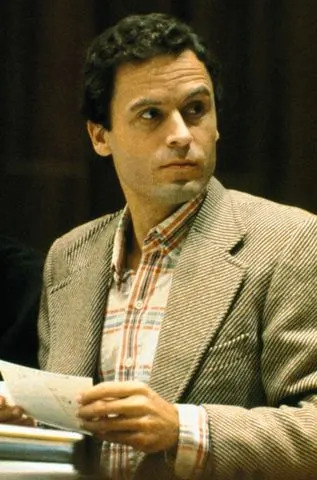
Bettmann Archive/GettyTed Bundy in 1979
Early life and path to violence
Born on Nov. 24, 1946, in Burlington, Vermont, Bundy grew up in Tacoma, Washington, after his mother married and he was adopted by John C. Bundy. He was active in Boy Scouts, held a paper route, and later attended the University of Puget Sound and the University of Washington, where he graduated with a psychology degree in 1972. He held various jobs, including a stint on Nelson Rockefeller’s presidential campaign and work at a suicide prevention hotline, where he met Ann Rule.
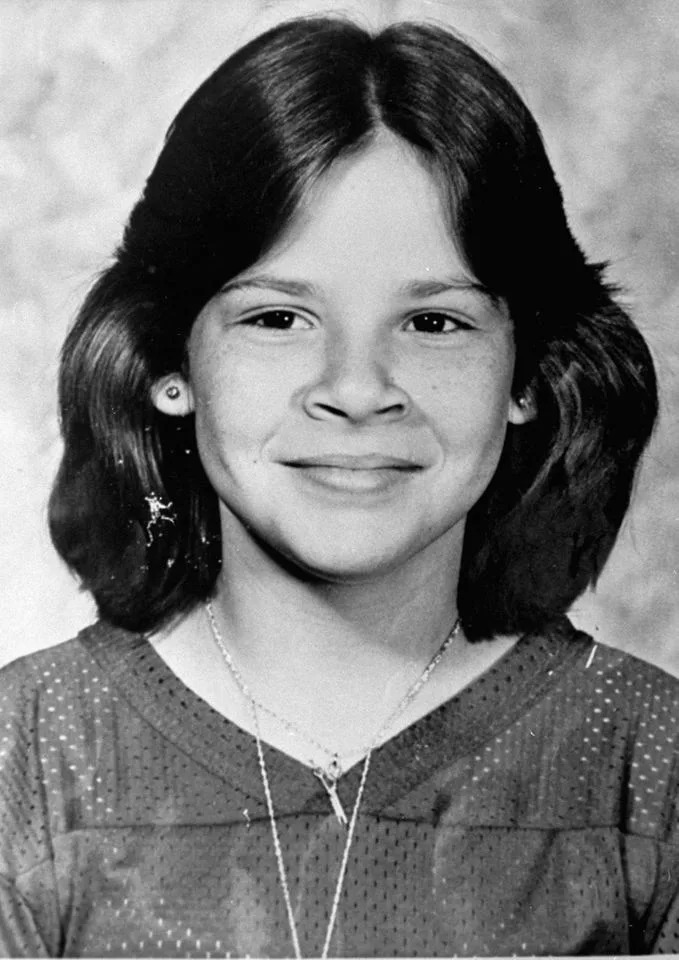
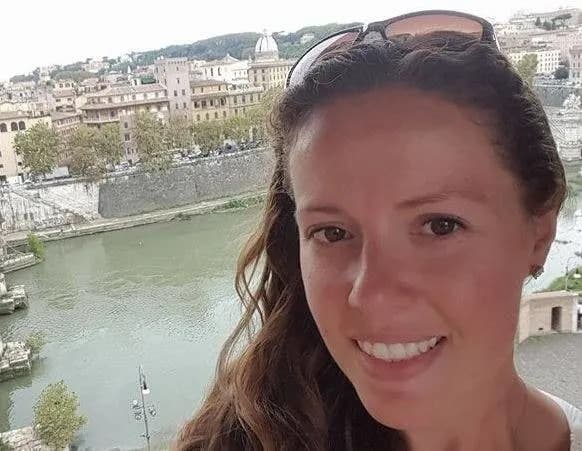
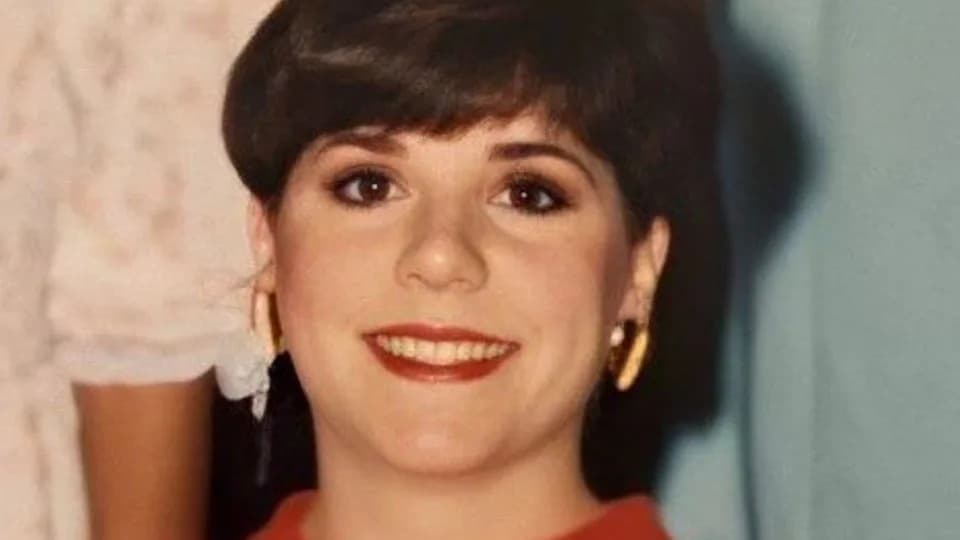
Acey Harper/The LIFE Images Collection/Getty Kimberly Leach
Modus operandi and confirmed crimes
Bundy’s confirmed murders primarily occurred between 1974 and 1978 across multiple states, including Washington, Oregon, Utah, Colorado, Idaho and Florida. He typically used ruses—impersonating police or feigning injury—to gain victims’ trust, lured them to his vehicle, incapacitated them by bludgeoning, then transported, assaulted and killed them. Victims ranged widely in age (about 12–26 years old) and many shared similar physical characteristics, such as being petite and dark-haired.
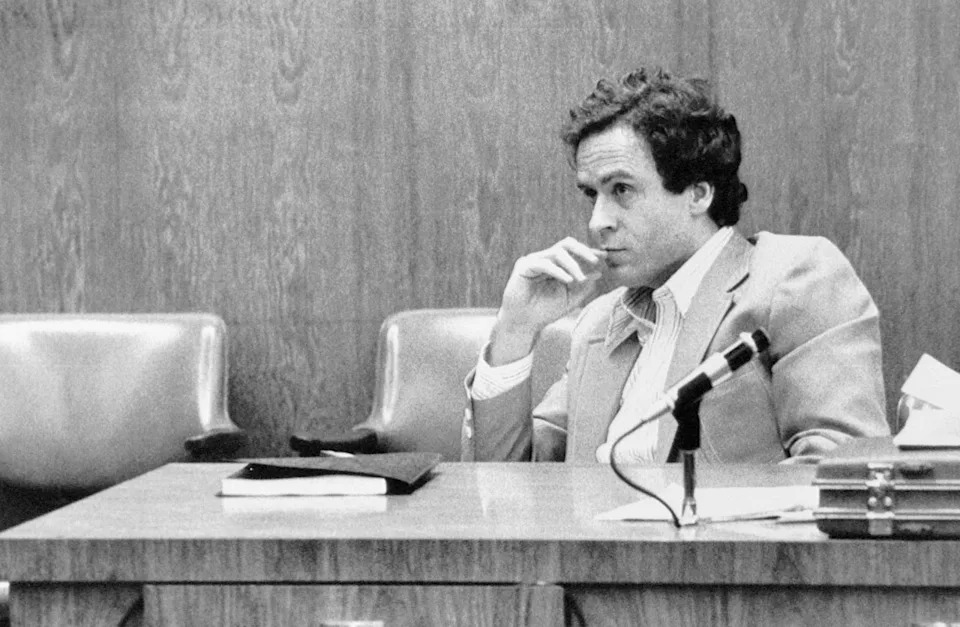
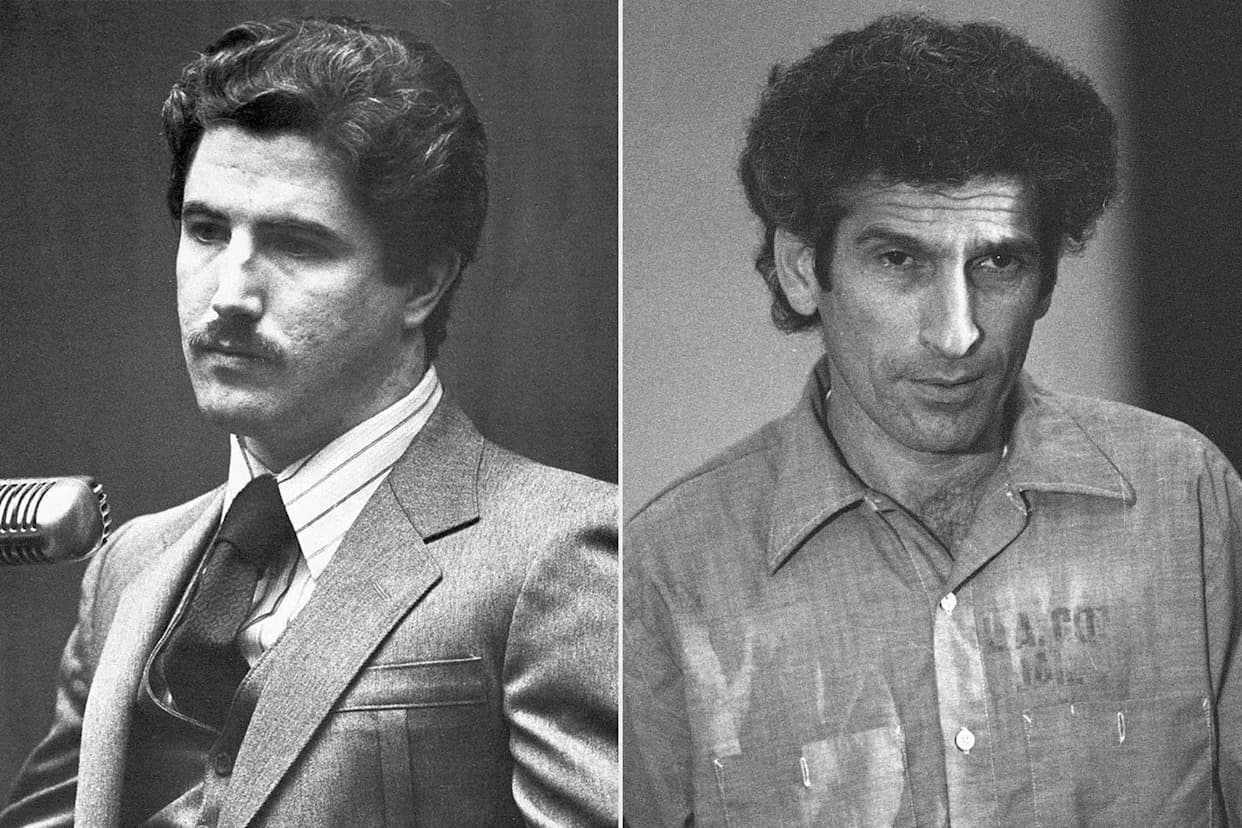
Bettmann Archive / Getty Images Ted Bundy in Court-January 04, 1980
Notable victims and survivor accounts
Bundy’s first confirmed victim was Lynda Ann Healy (missing Feb. 1, 1974). Other confirmed victims include Donna Gail Manson, Georgann Hawkins, Janice Ann Ott, Denise Naslund, Debra Jean Kent, Caryn Campbell, Margaret Bowman, Lisa Levy and Kimberly Leach. His crimes also included desecration of remains; in final confessions he admitted to necrophilia and the mutilation of corpses.
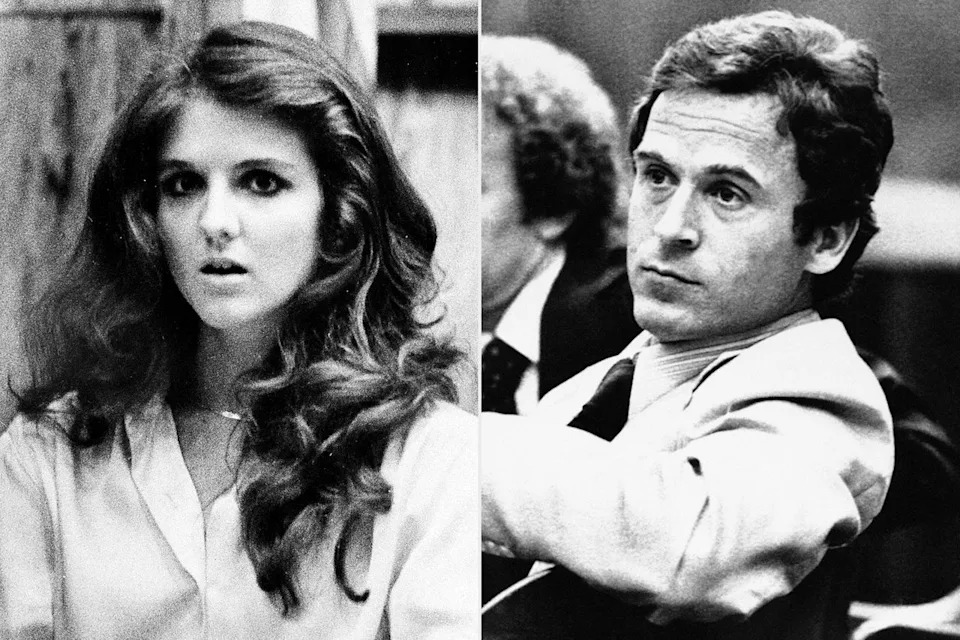
AP Photo; AP Photo/Mark FoleyCarol DaRonch testifies at a pre-sentencing hearing for convicted murderer Ted Bundy; Ted Bundy in court.
Kathy Kleiner Rubin (survivor): "He portrayed himself as the good guy. Then at night, he would turn into another thing. That’s when he would go hunting for women."
There are five widely recognized survivors whose testimony was crucial in investigations and trials: Carol DaRonch, Karen Sparks, Kathy Kleiner Rubin, Karen Chandler and Cheryl Thomas. Their accounts describe violent assaults that left long-term physical and psychological injuries but also helped secure convictions.
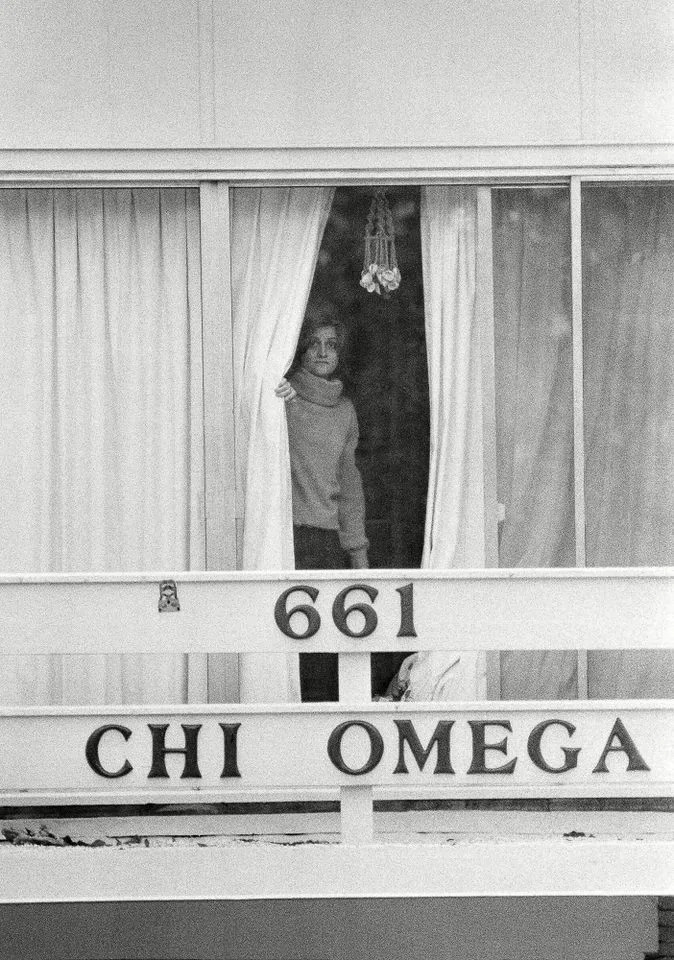
Mark Foley/AP/REX/Shutterstock An unidentified woman peers through drapes on the 2nd story balcony of the Chi Omega sorority house at Florida State University in Tallahassee, Fla
Arrest, escapes, trials and execution
Bundy was first taken into custody in 1975 after Carol DaRonch identified him. He escaped from custody twice, during which murders continued. He was arrested for good in Pensacola, Florida, on Feb. 15, 1978. In 1979 he was convicted in Florida of the Chi Omega murders and other offenses and received two death sentences; a subsequent conviction for the murder of Kimberly Leach added a third death sentence. After unsuccessful appeals, Bundy was executed by electric chair on Jan. 24, 1989.
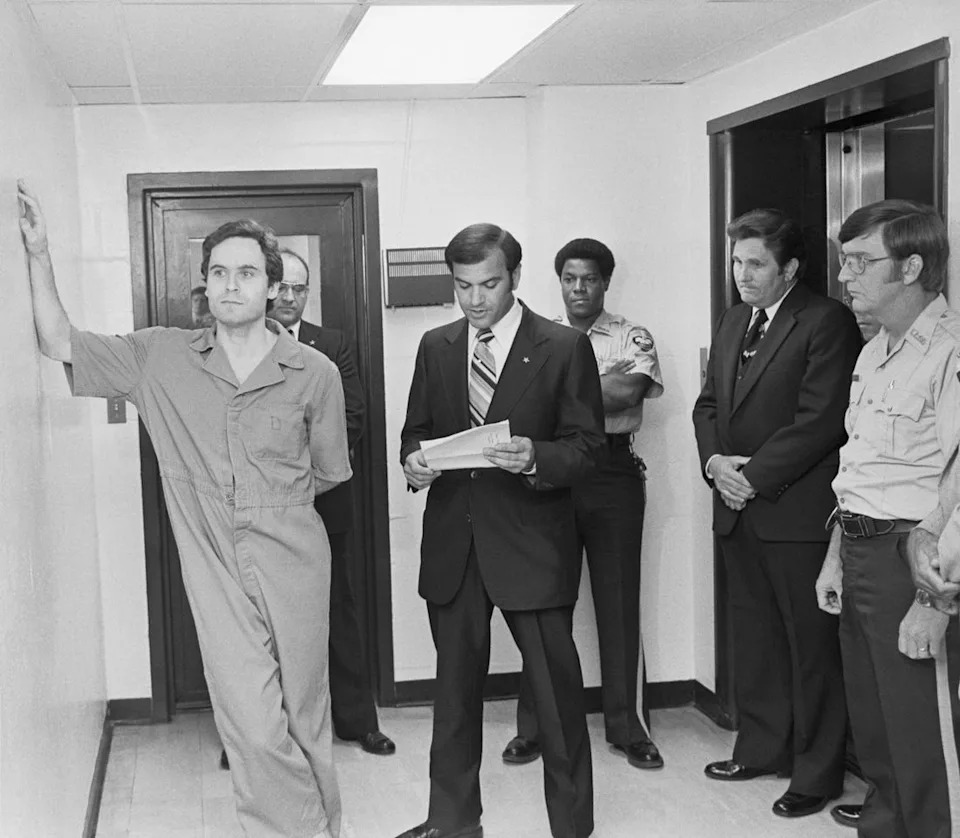
Bettmann/GettySuspected murderer Theodore Bundy (l) leans on the Leon County jail wall as an indictment charging him with the murdersof two FSU coeds at the Chi Omega house is read by Leon County Sherriff Ken Katarsis
Scope of the crimes and continuing investigations
Although Bundy confessed to around 30 murders while on death row, investigators, criminologists and authors (including detective Robert Keppel and scholar DeLisi) have estimated his victim total could be much higher—possibly several dozen more or even near 100—based on his own statements, behavioral patterns and unsolved cases from the era. Some cold cases, including the 1961 disappearance of 8-year-old Ann Marie Burr, have been reviewed for possible links to Bundy, but evidence from earlier decades is often limited.
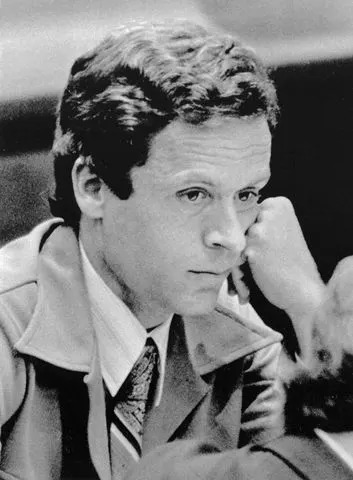
Bettmann/GettyTheodore Bundy rests his head on his fist as he listens to attorneys argue the merits of his case in the pre-trial hearings prior to Bundy's trial for the killings of two Florida State University coeds
Legacy and lessons
Bundy’s crimes exposed gaps in interstate law enforcement communication and investigative practice during the 1970s, and his case helped catalyze improvements in forensic methods, victim advocacy, and the study of violent offenders. The survivors’ courage in testifying and the continuing cold-case reviews illustrate the long-term impact of his crimes on victims’ families, investigators and communities.
Note: This article aims to report facts with clarity and respect for victims and survivors. It includes disturbing subject matter that may be upsetting to some readers.
Help us improve.