San Luis Obispo deputies discovered Dorothy "Toby" Tate dead in her camper van along the Pacific Coast Highway on Nov. 15, 1984. Investigators believe she was shot after a beach run and robbed of cash, her purse, credit cards and a camera. Decades later, DNA genetic genealogy linked blood at the scene to Steven Richard Hardy, while fingerprints on a Coca‑Cola can identified Charley Sneed. Both men were from New Braunfels, Texas; Sneed later served time for kidnapping and died in 2014, and Hardy died in 2003.
Cold Case Closed: Fingerprints On Coca‑Cola Can And DNA Genealogy Solve 1984 Murder Of Dorothy "Toby" Tate
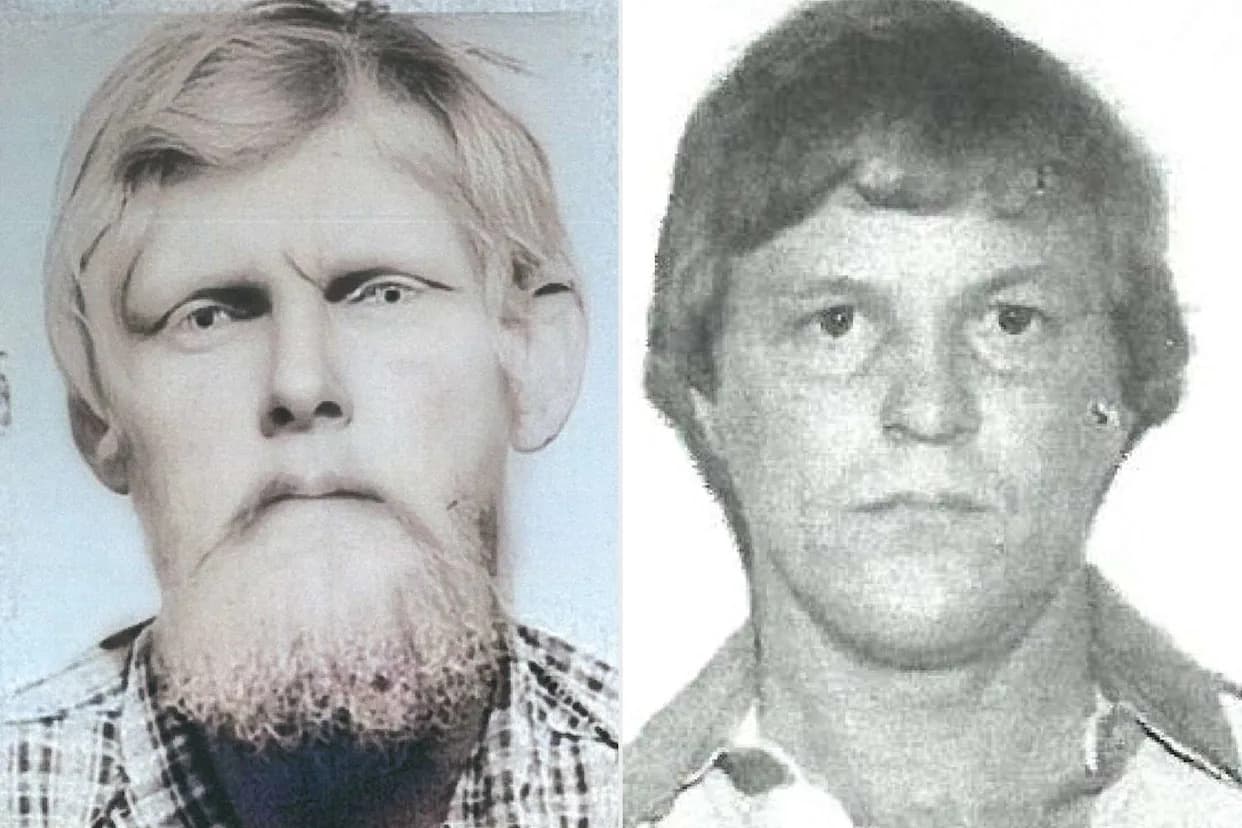
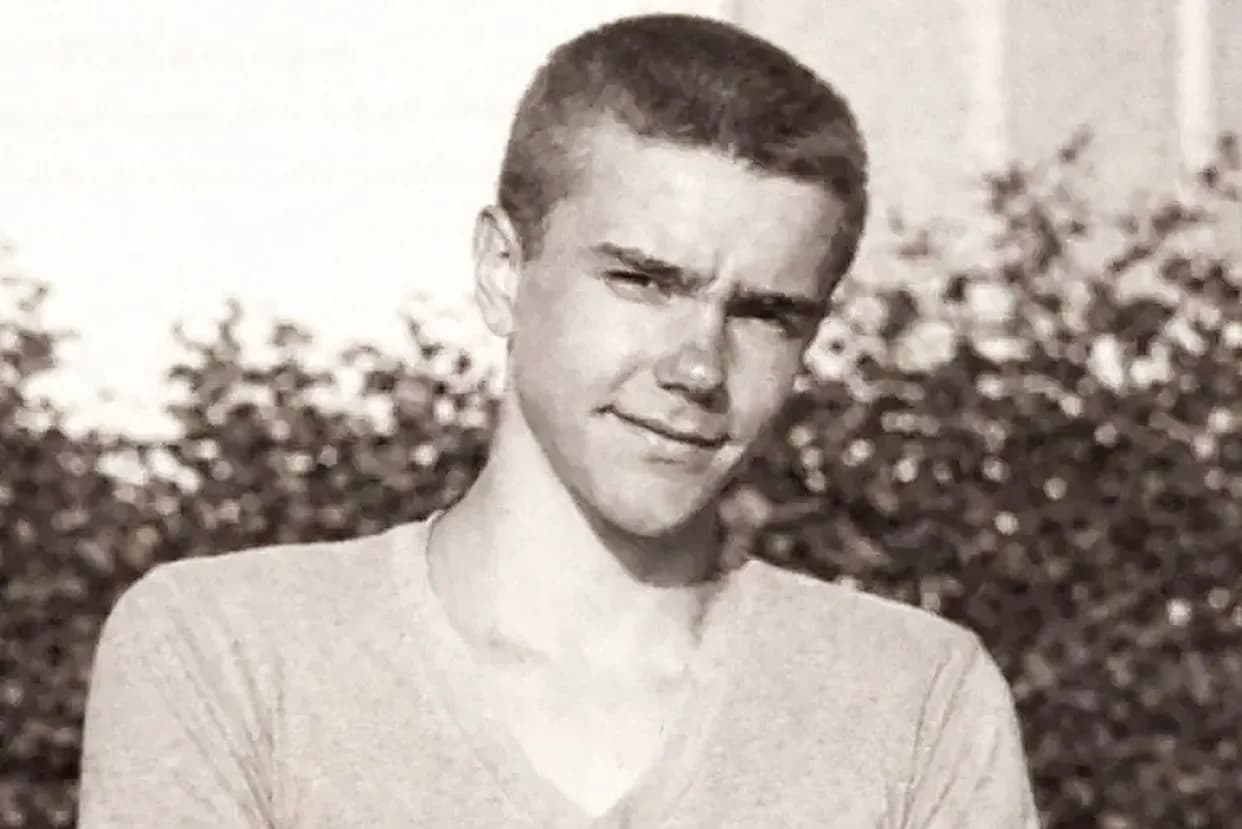
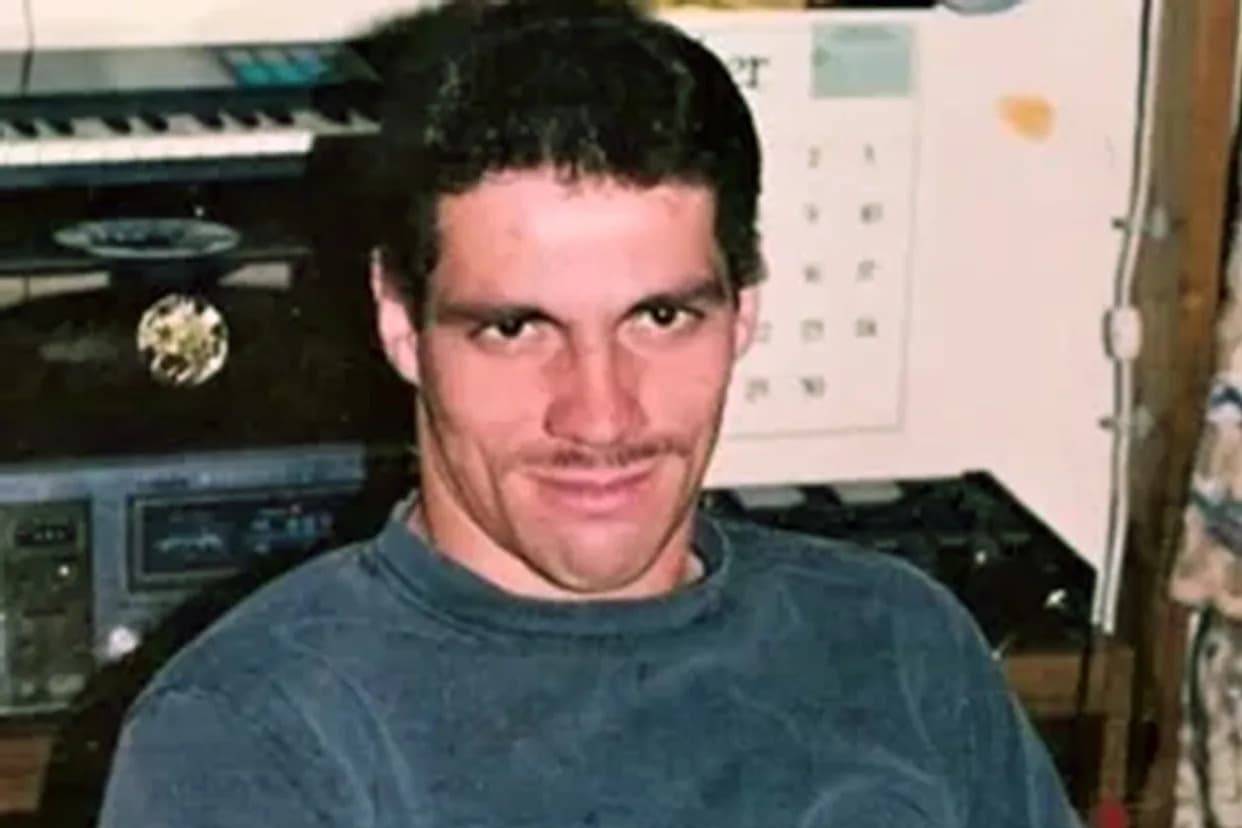
Steven Richard Hardy; Charley SneedSan Luis Obispo County Sheriff's Office/Facebook (2)
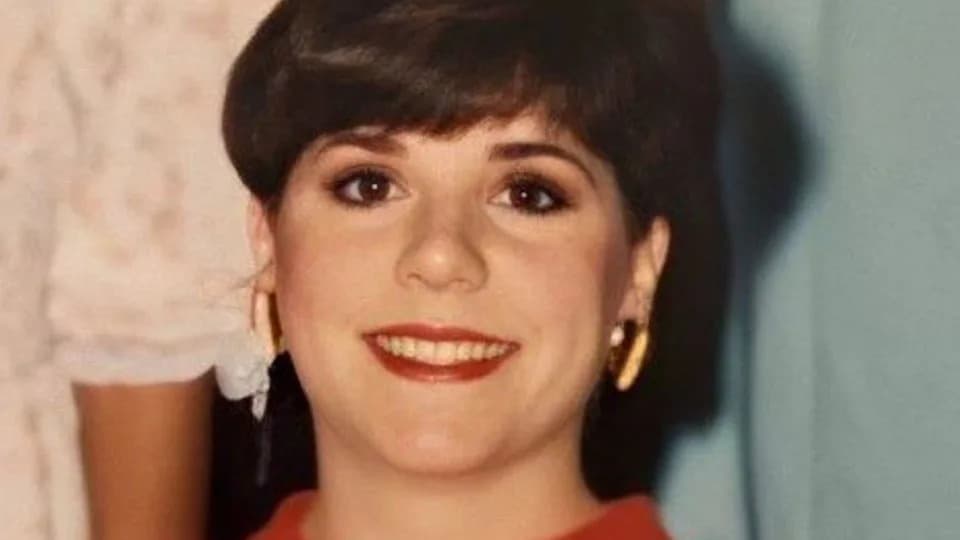
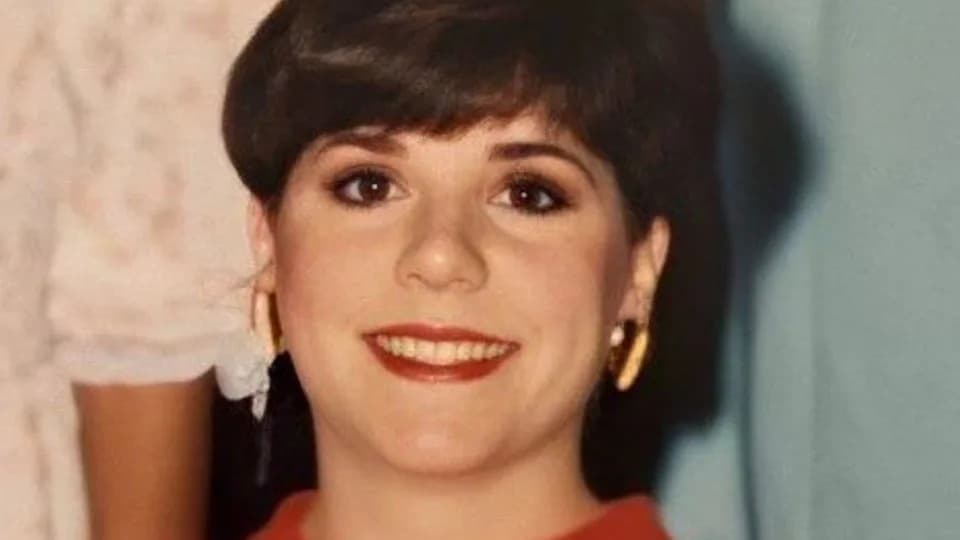
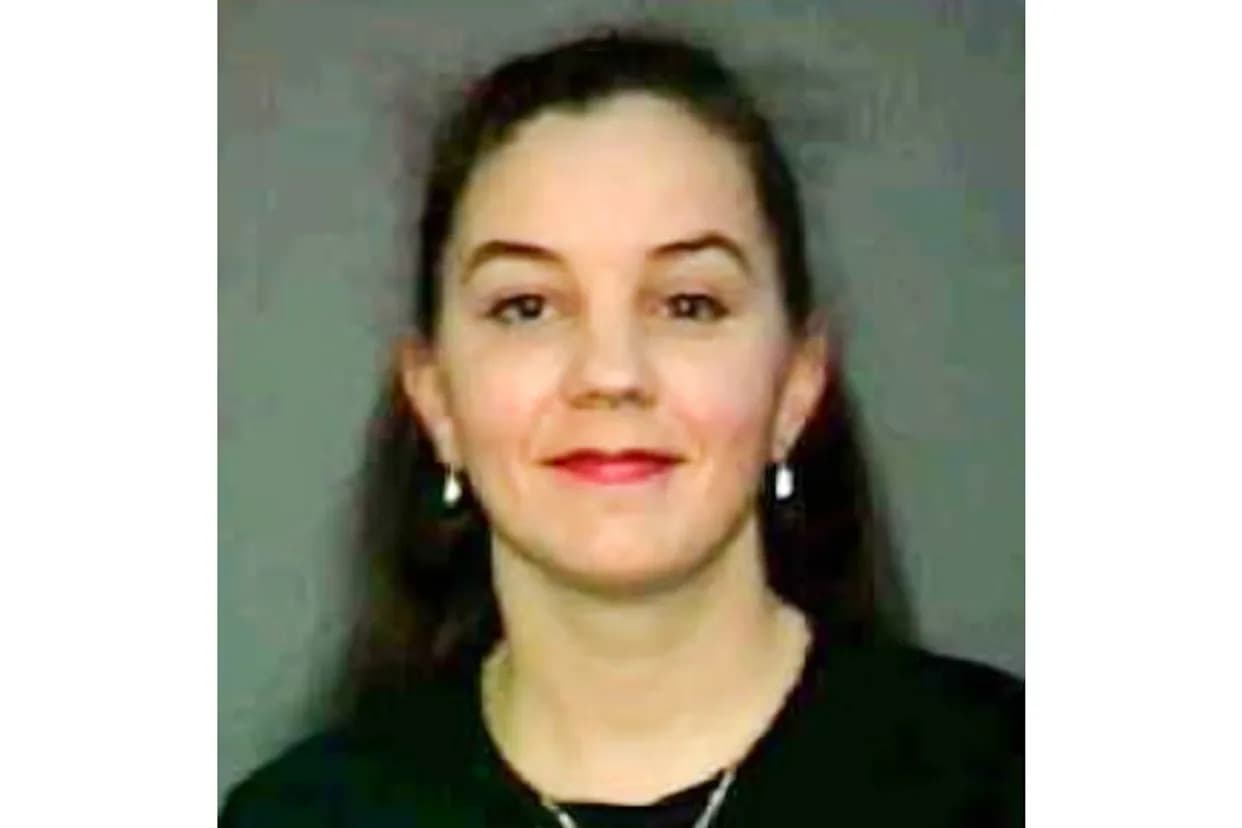
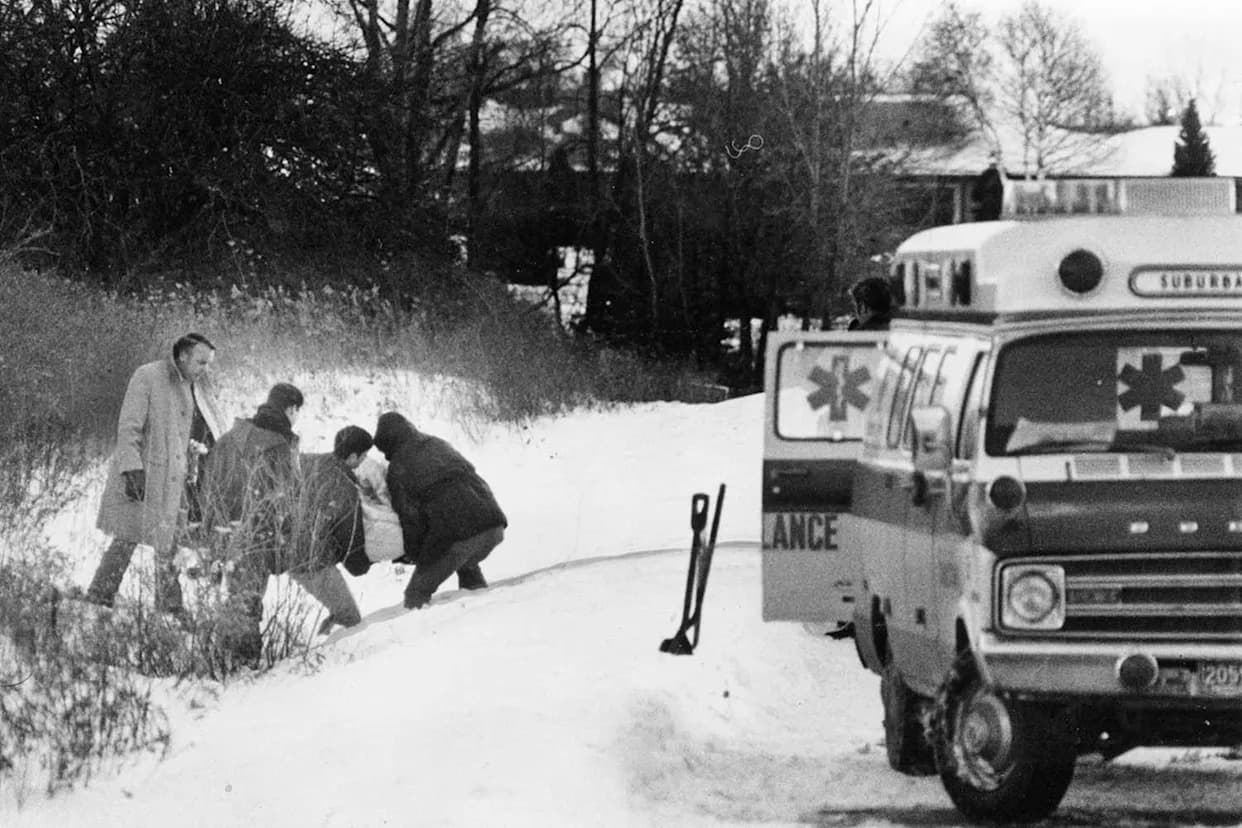
On Nov. 15, 1984, deputies from the San Luis Obispo County Sheriff’s Office responded to reports of blood dripping from a parked camper van at a turnout on California’s Pacific Coast Highway. Inside the cream‑colored van they found 41‑year‑old Dorothy “Toby” Tate, a Colorado native and waitress, dead on the floor.
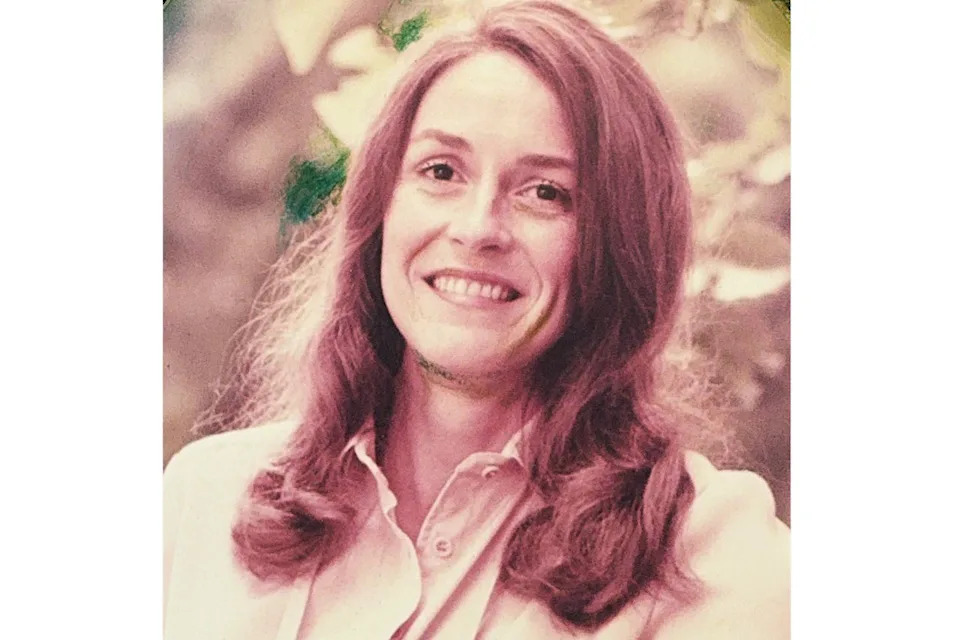
Dorothy "Toby" TateSan Luis Obispo County Sheriff's Office/Facebook
What Investigators Recovered
Officials believe Tate was ambushed after a beach run with her two Australian cattle dogs. "They found sand in between her toes in the autopsy," San Luis Obispo Sheriff’s Department Cold Case Detective Clinton Cole told PEOPLE. Investigators suspect she was shot through the driver’s side window while seated, then dragged to the rear of the van, where officers later discovered her body.
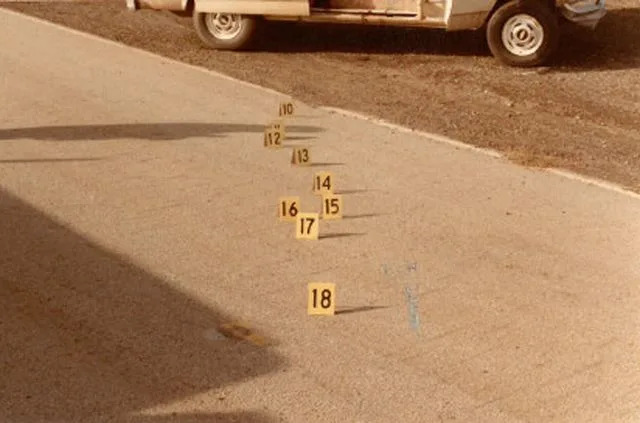
blood trail at crime sceneSan Luis Obispo County Sheriff's Office/Facebook
At the scene, deputies collected a can of Coca‑Cola and followed a trail of blood leading from the camper; laboratory testing later showed that the blood did not belong to Tate. Missing from the van were $400 in cash, Tate’s purse, credit cards and a recently purchased Nikon camera. Police have said the crime appeared to be motivated by robbery rather than sexual assault.
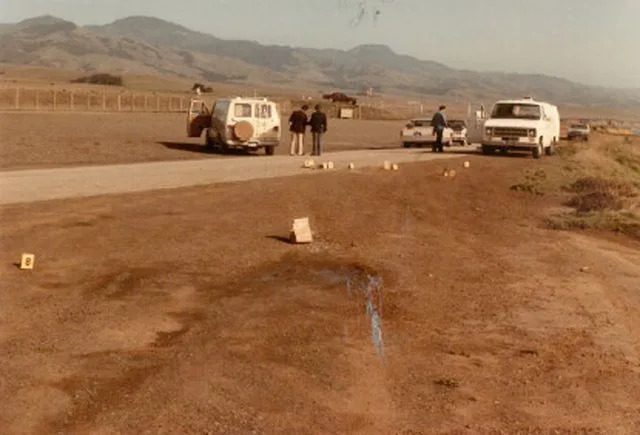
Dorothy Tate crime sceneSan Luis Obispo County Sheriff's Office/Facebook
Decades Later: Modern Forensics Breaks The Case
For more than 40 years the case remained unsolved. On Jan. 20, the San Luis Obispo Sheriff’s Department announced that modern investigative techniques, including advanced DNA genetic genealogy and fingerprint analysis, identified two suspects from New Braunfels, Texas.
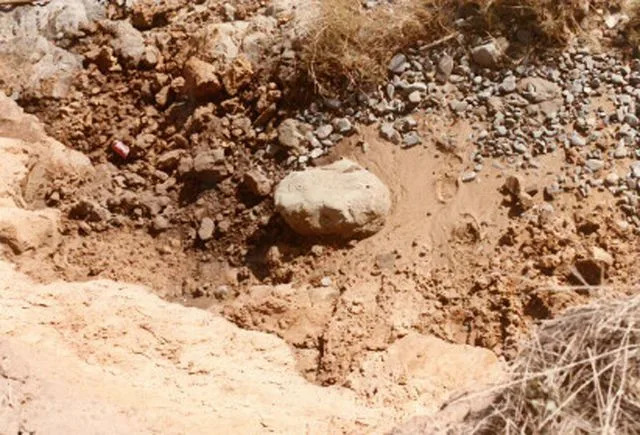
Dorothy "Toby" Tate crime sceneSan Luis Obispo County Sheriff's Office/Facebook
Blood evidence submitted for genetic genealogy matched Steven Richard Hardy, who was 35 at the time of the killing and a Vietnam veteran. Fingerprints lifted from the Coca‑Cola can placed 35‑year‑old Charley Sneed at the camper van. According to the sheriff’s office, Hardy and Sneed were friends who frequently traveled together.
Aftermath And Suspects' Fates
Soon after Tate’s murder the two men returned to Texas. Sneed was later charged with kidnapping, received a 40‑year prison sentence, was released in 2009 and died of natural causes in his mid‑60s in 2014. Hardy died of natural causes in 2003 at a veterans hospital in Phoenix.
Detective Cole: "Sneed was known to be a rough guy that liked guns and a kind of a hothead. Hardy was more of a transient drifter type who liked to drink beer. Those two were almost always together."
This case highlights how advances in forensic science — especially genetic genealogy and traditional fingerprint analysis — can solve cold cases decades after the crime. The San Luis Obispo Sheriff’s Office continues to work with partners and the community to resolve unsolved homicides and bring closure to victims' families.
Help us improve.