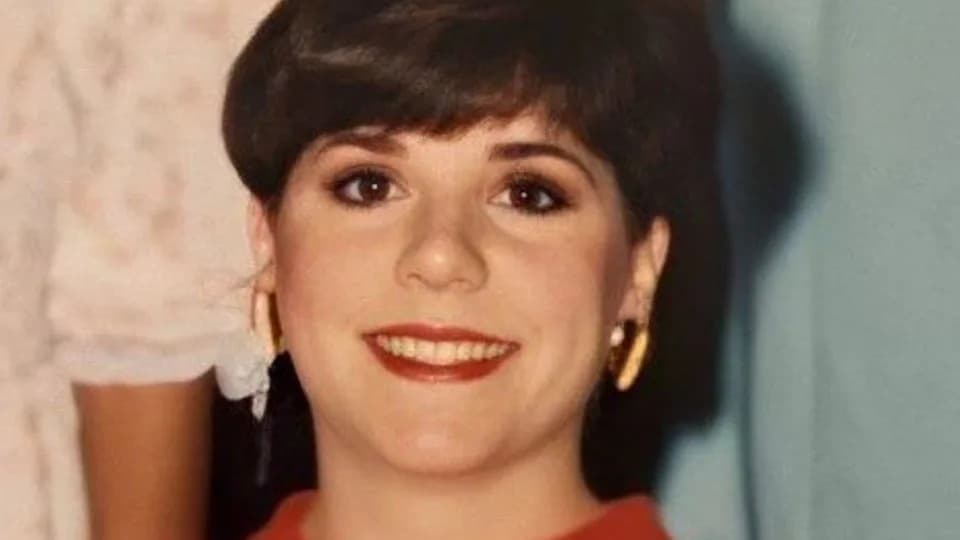
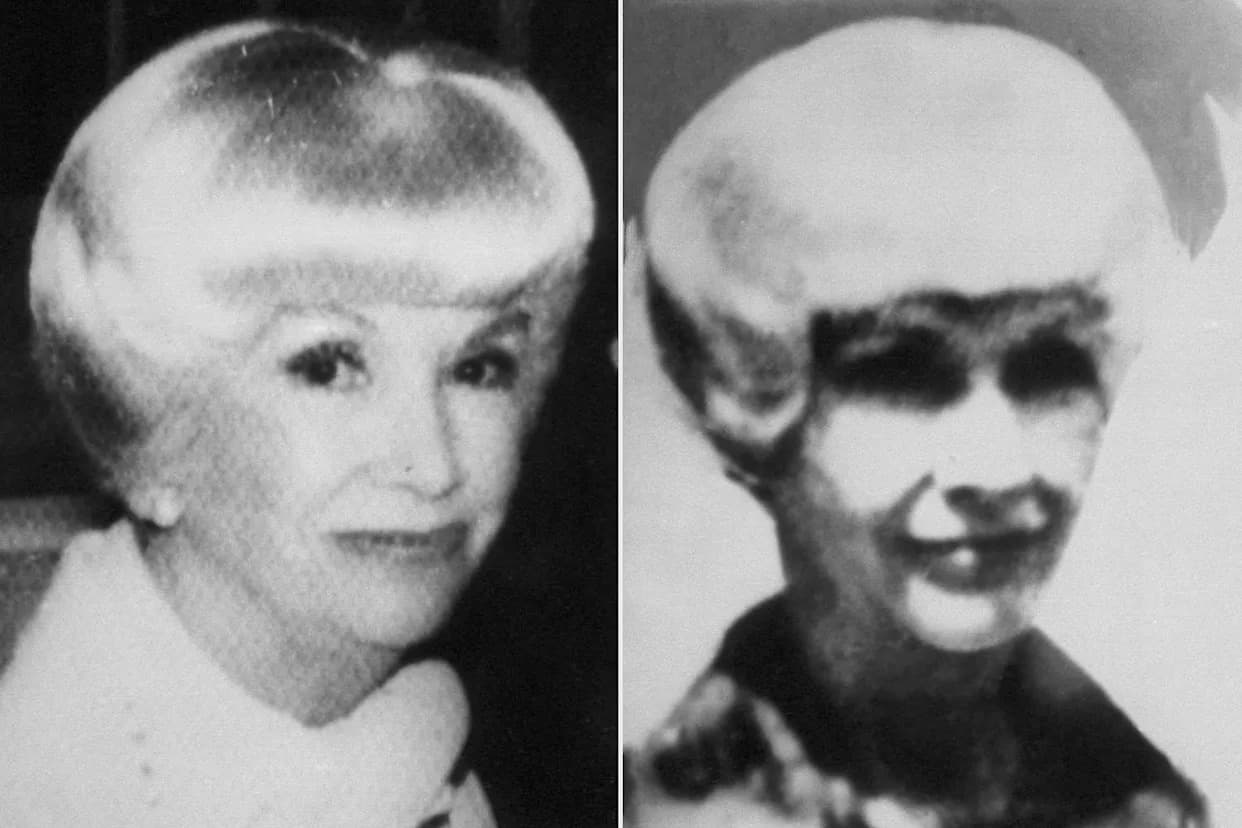
Nearly eight decades after Elizabeth Short's mutilated body was found on a Los Angeles roadside, the case that became known as the Black Dahlia remains one of Hollywood's most notorious unsolved murders. Short, 22, was discovered on Jan. 15, 1947, severed at the waist and extensively mutilated; investigators concluded the killing and dismemberment occurred elsewhere because the scene where her body was left contained no blood.
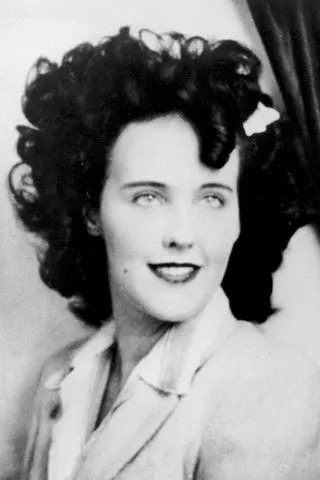
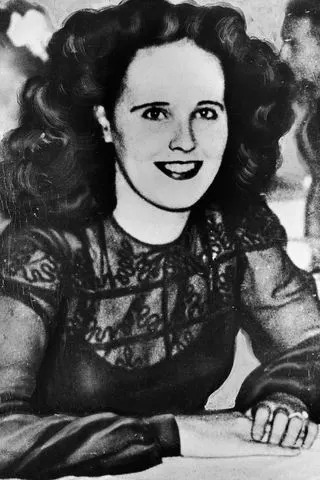
Hulton Archive/GettyHeadshot portrait of Elizabeth Short, known as 'the Black Dahlia'.
Discovery and Autopsy
A mother walking with her child in the then-sparsely developed Leimert Park neighborhood first mistook the body for a mannequin because of the contorted position of the limbs. On closer approach she discovered the reality: Short had been bisected, her face severely cut, and some internal organs removed. The coroner later listed the cause of death as hemorrhage from facial lacerations and shock from repeated blows to the head.
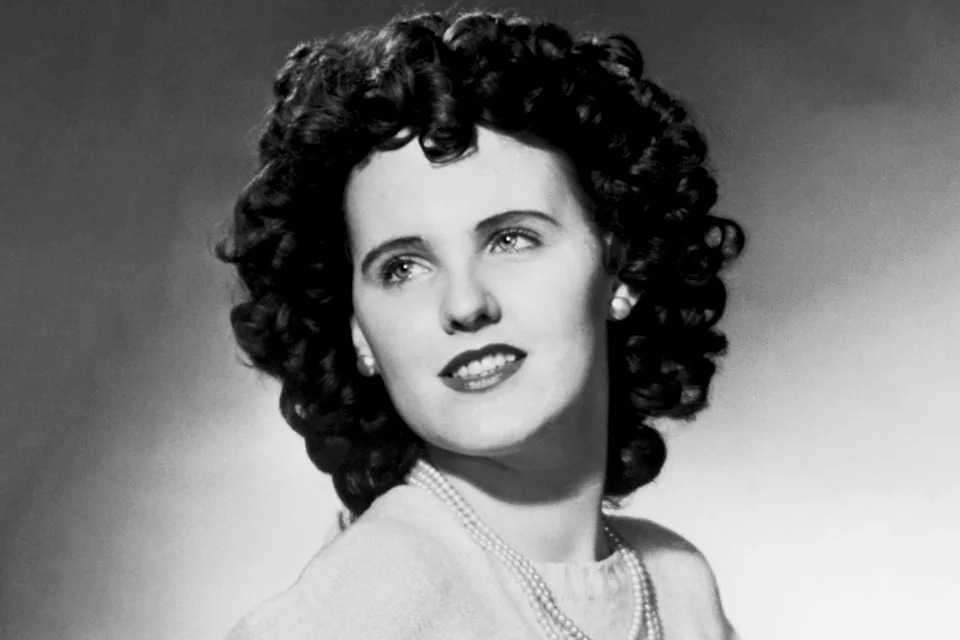
INTERNATIONAL NEWS PHOTO/GettyStudio headshot portrait of Elizabeth Short.
Identification and Early Investigation
Because Short's face was badly disfigured, police did not release photographs. They took fingerprints and used an artist's sketch to help identify the victim. The Los Angeles Examiner used a Soundphoto machine to transmit the prints to the FBI, which matched them to records and confirmed the victim as Elizabeth Short.
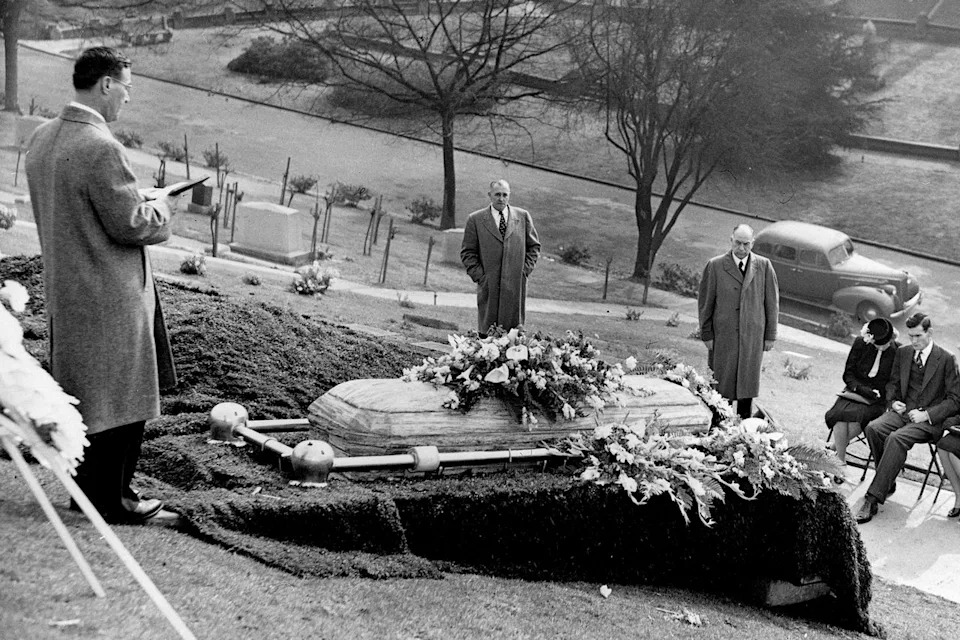
AP Photo/Oakland TribuneElizabeth Short's funeral.
Life In The Years Before Her Death
Born July 29, 1924, outside Boston, Short had a difficult childhood after her family lost its savings during the 1929 crash and her father disappeared. She moved frequently as a young adult, living in places such as Santa Barbara, Florida, and various hotels around L.A., pursuing work and, reportedly, acting opportunities. In the weeks before her death she told friends she felt frightened and hid from a man she called an ex-boyfriend.
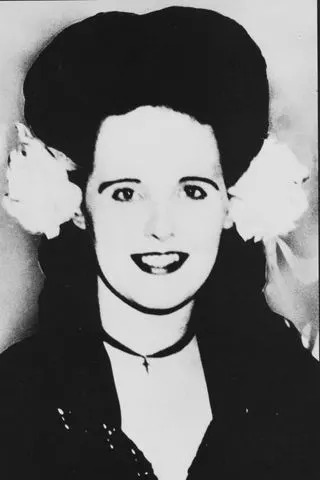
INTERNATIONAL NEWS PHOTO/GettyPortrait of Elizabeth Short, circa 1940s.
Media Sensation
The press quickly seized on the case, nicknaming Short the Black Dahlia — a playful riff on the 1946 film The Blue Dahlia and on Short's dark hair and reported preference for black clothing. Tabloid coverage was sensational and sustained: newspapers ran stories for weeks, and the case dominated headlines, shaping public perception and complicating the investigation.
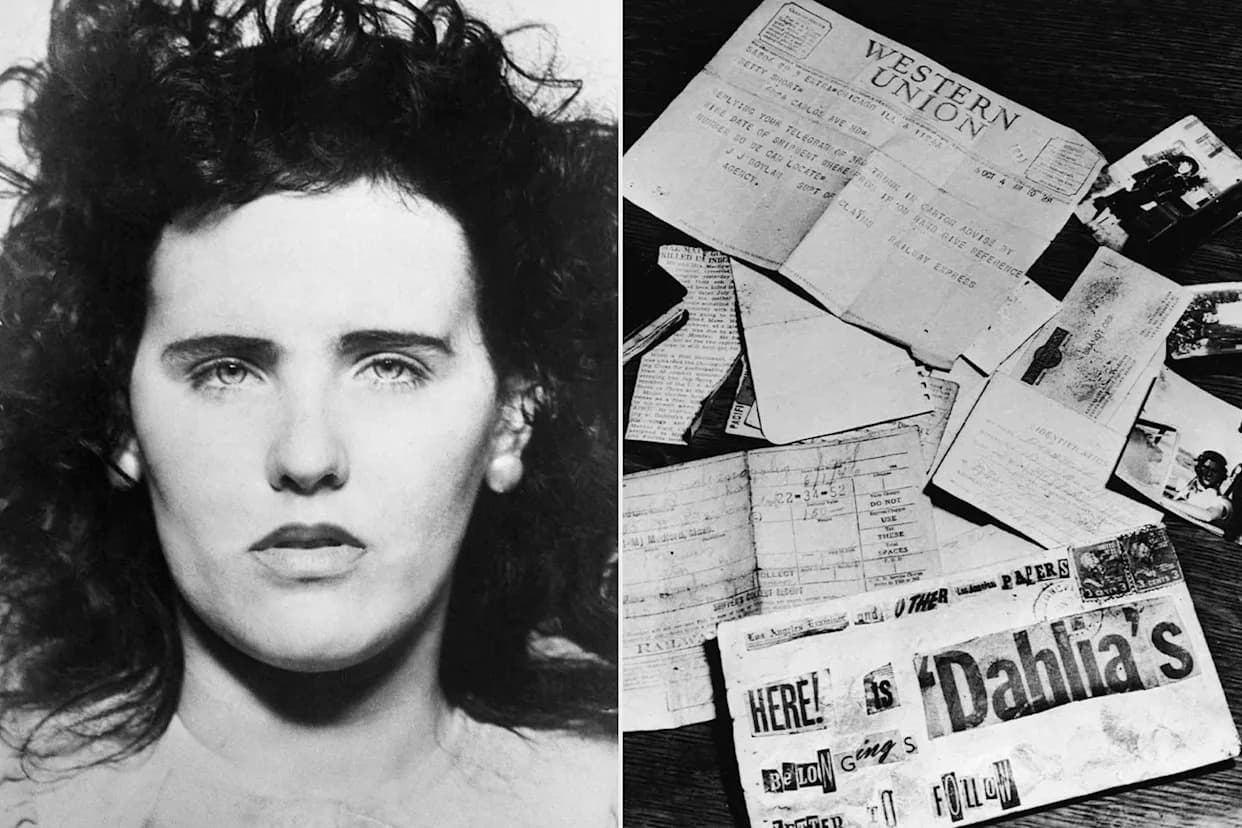
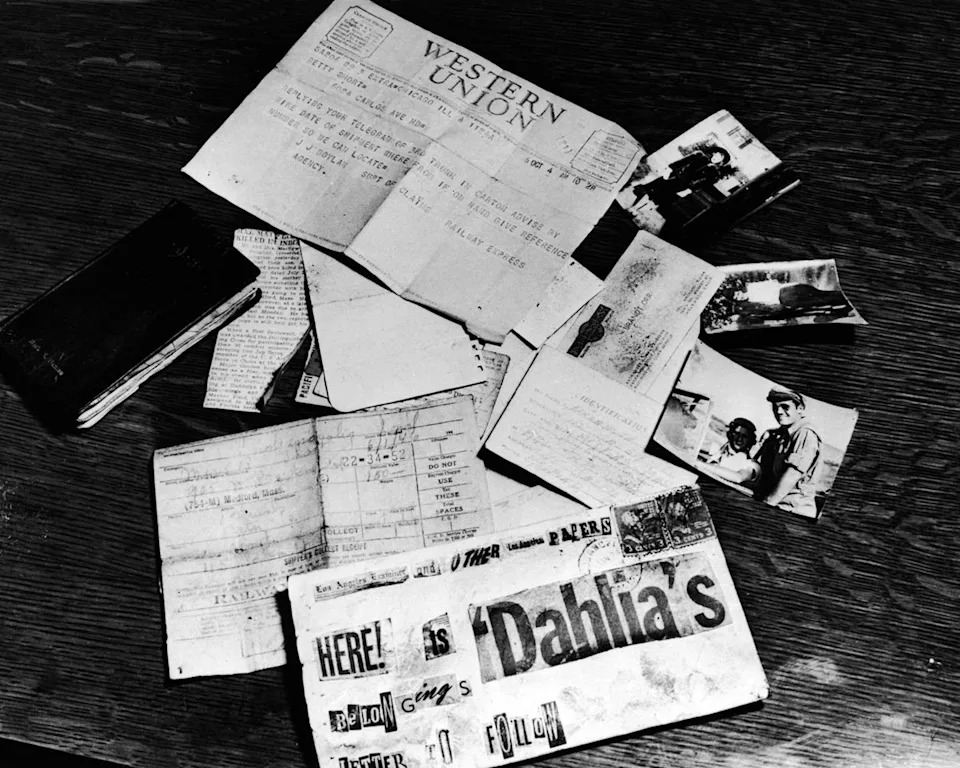
INTERNATIONAL NEWS PHOTO/GettyEvidence concerning the murder of Elizabeth Short.
The LAPD Probe And Grand Jury Review
The Los Angeles Police Department conducted a major investigation that lasted until 1950 and produced dozens of leads and numerous false confessions but no charges. In 1949 a grand jury reviewed the homicide unit's performance; Detective Harry Hansen, a lead investigator, testified that the precision of the dismemberment suggested someone with medical or surgical training.
ARCHIVIO GBB / AlamyElizabeth Short.
Suspects And Theories
No one was ever prosecuted. Over the decades many names have been proposed. Dr. George Hodel, a Los Angeles physician, emerged as a prominent suspect after investigators wiretapped his home and recorded troubling remarks. His son, Steve Hodel, a former LAPD detective turned private investigator, later advanced a circumstantial case against his father that included alleged handwriting similarities, a photograph, and other pieces of suggestive evidence; the LAPD reviewed but did not bring charges.
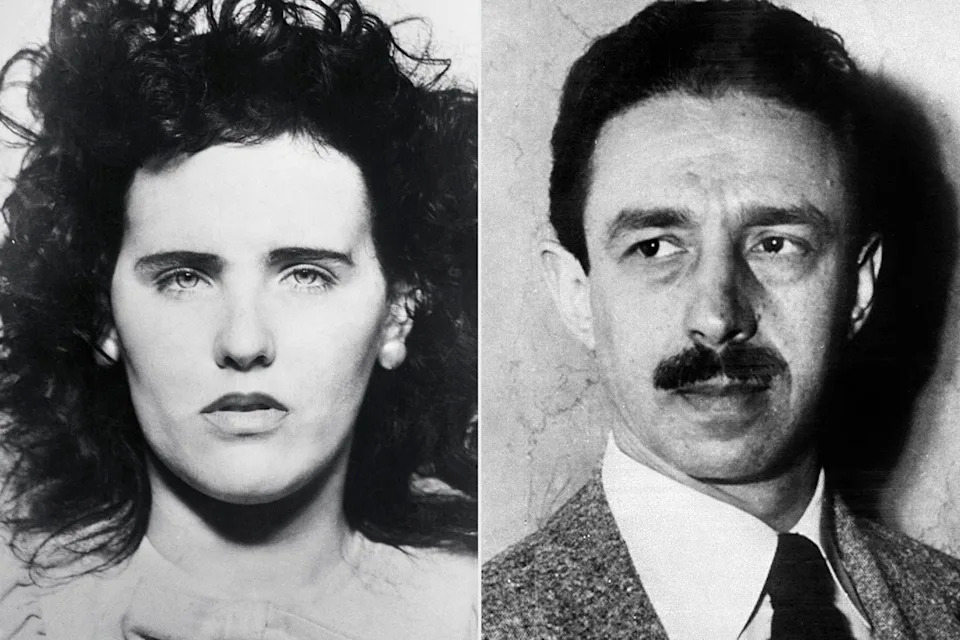
Bettmann/Getty ; NY Daily News via GettyElizabeth Short ; George Hill Hodel.
Other theories continue to surface. Recent amateur inquiries have pointed to Marvin Margolis, a brief housemate of Short's, and some observers have tried to link aspects of this case to other notorious crimes. None of these leads produced prosecutions, and official interest has waxed and waned over time.
Legacy
The Black Dahlia case has inspired numerous books, documentaries, and works of fiction, and it continues to attract investigators and amateur sleuths. Despite intermittent reinvestigations and new private research, the identity of Elizabeth Short's killer remains officially unresolved, and the case endures as a cautionary example of how sensational media coverage can shape a criminal investigation.