In the mid-1990s, multiple transient men were discovered dead in Charlotte and Sarasota county woods, some bound and mutilated, creating a pattern called the "Hog Trail Murders." A May 1996 tip from inmate David Payton and the testimony of survivor Stanley Burden helped focus investigators on Daniel O. Conahan Jr. Conahan was convicted in the 1999 murder of Richard Montgomery and sentenced to death, and he remains a person of interest in other similar deaths, including the Fort Myers 8; John Doe #1 was identified in 2021 as Jerry Lombard.
Hog Trail Murders: 1990s Florida Woods Killings and the Case Against Daniel O. Conahan Jr.
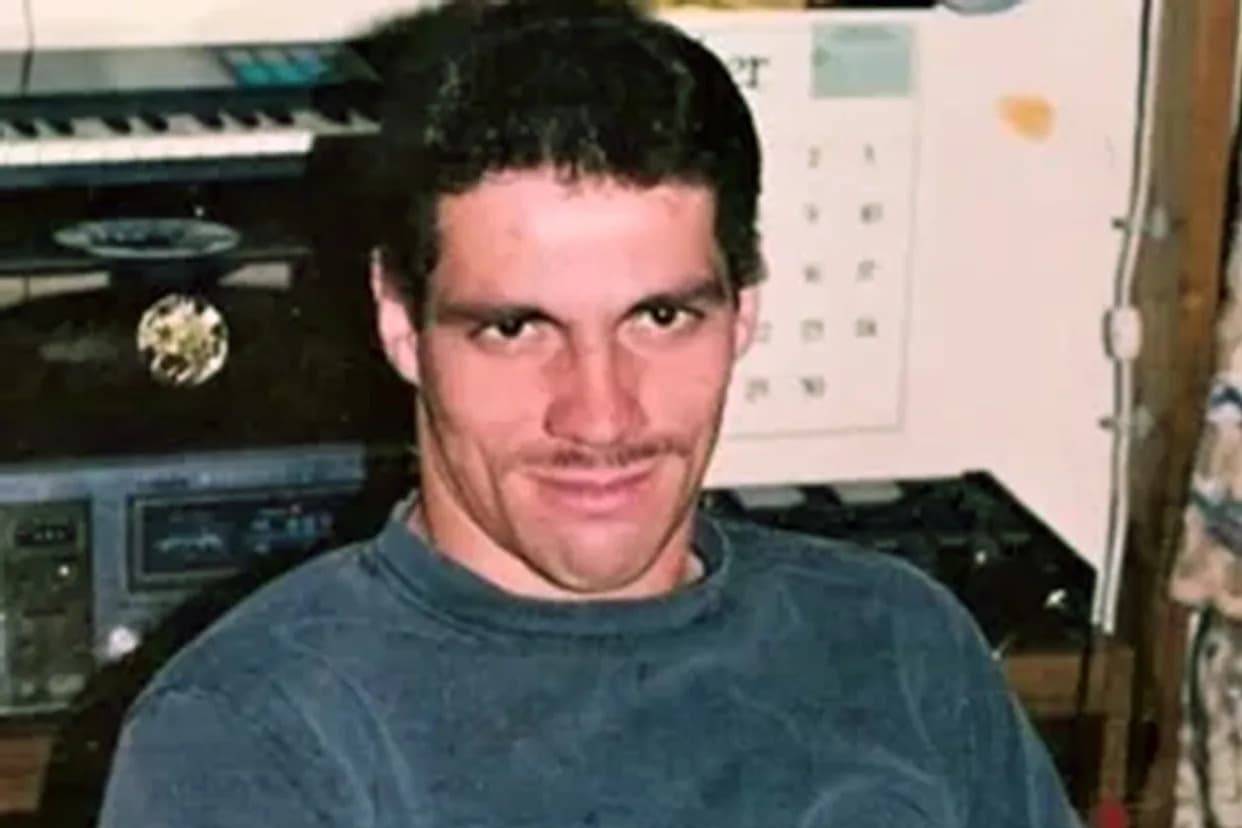
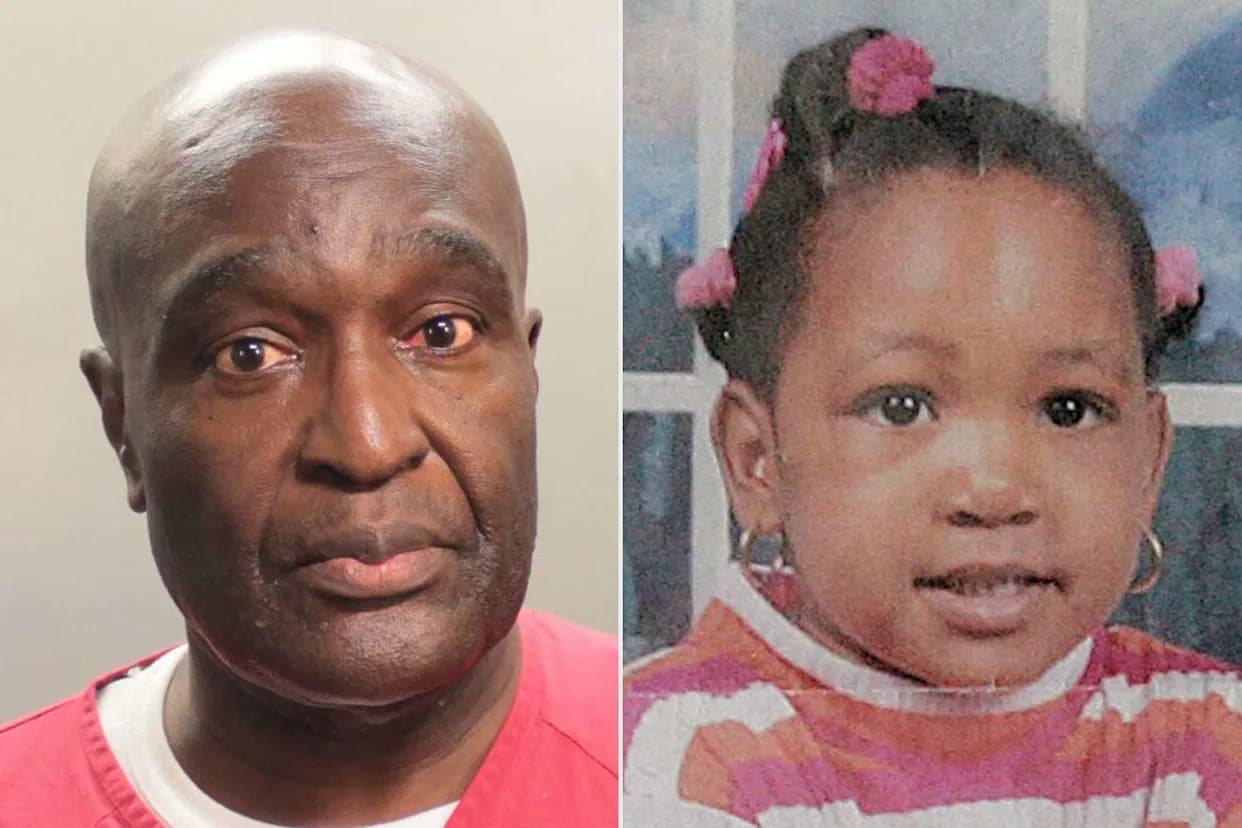
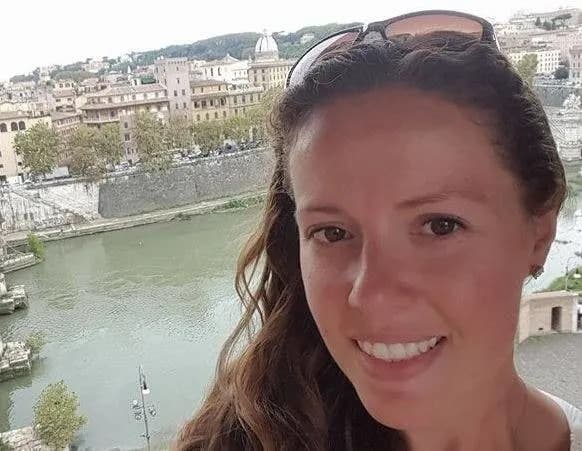
Jerry LombardCharlotte County Sheriff's Office
In the mid-1990s, investigators in southwestern Florida uncovered a string of brutal deaths in wooded areas of Charlotte and Sarasota counties. Several victims — many transient men — were found decomposed, with some bound to trees and showing evidence of sexual assault and genital mutilation. The pattern led authorities to suspect a single, violent offender whose crimes became known locally as the "Hog Trail Murders."
Discovery and Pattern
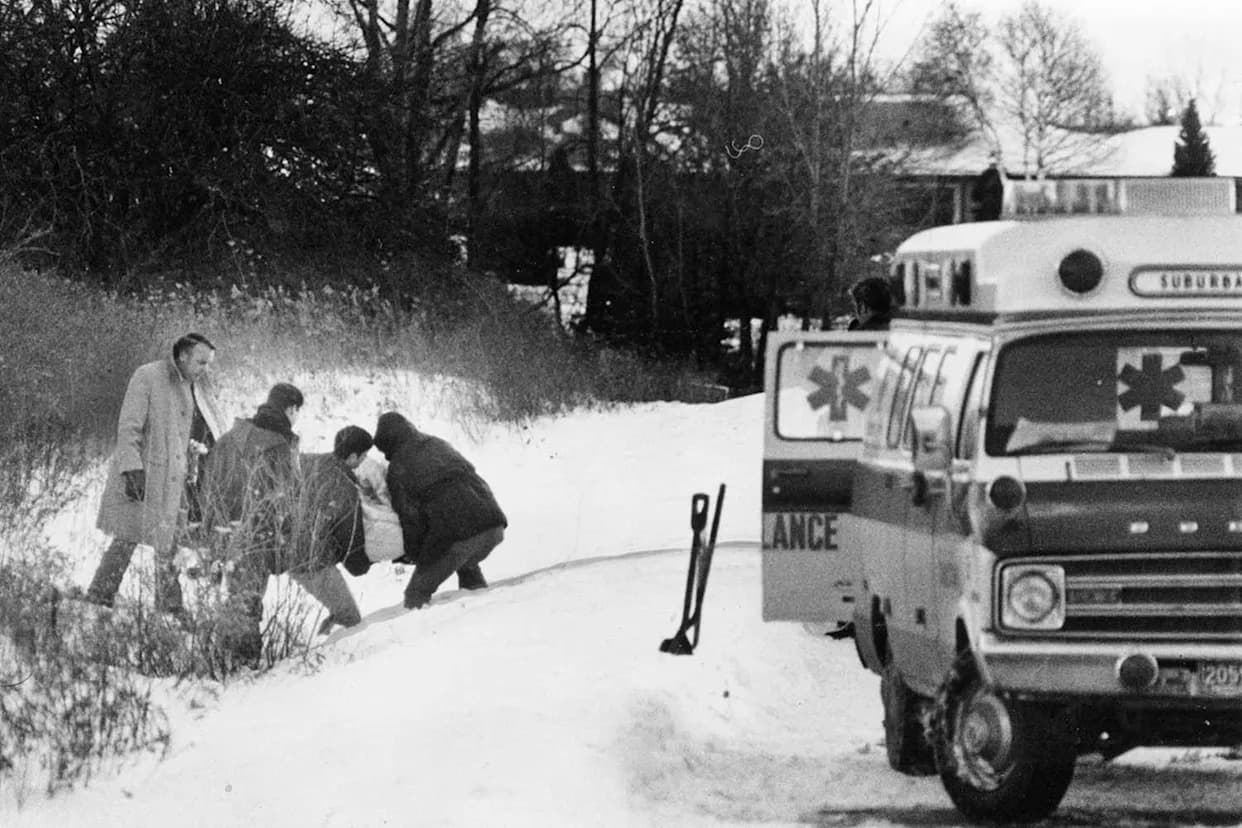
On Feb. 1, 1994, two hog hunters discovered the decomposed remains of an unidentified man, catalogued as John Doe #1, in northern Charlotte County. Nearly two years later, a family dog led rescuers to another body near North Port on Jan. 1, 1996. A third victim, later identified as John Melaragno, was recovered on March 7, 1996.
On April 17, 1996, county workers found the remains of Kenneth Smith. While searching the area for additional parts, investigators located another body wrapped in foam carpet padding, later identified as 20-year-old Richard Montgomery. The similarities in the condition and placement of several victims prompted investigators to consider the possibility of a serial offender.
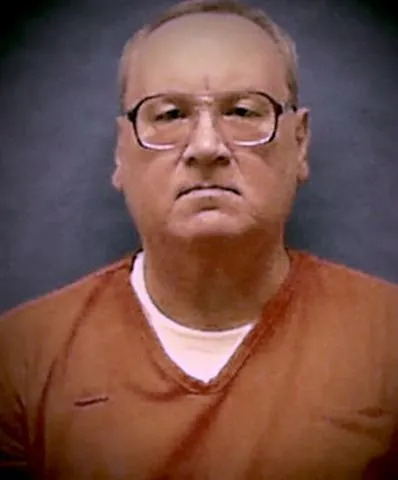
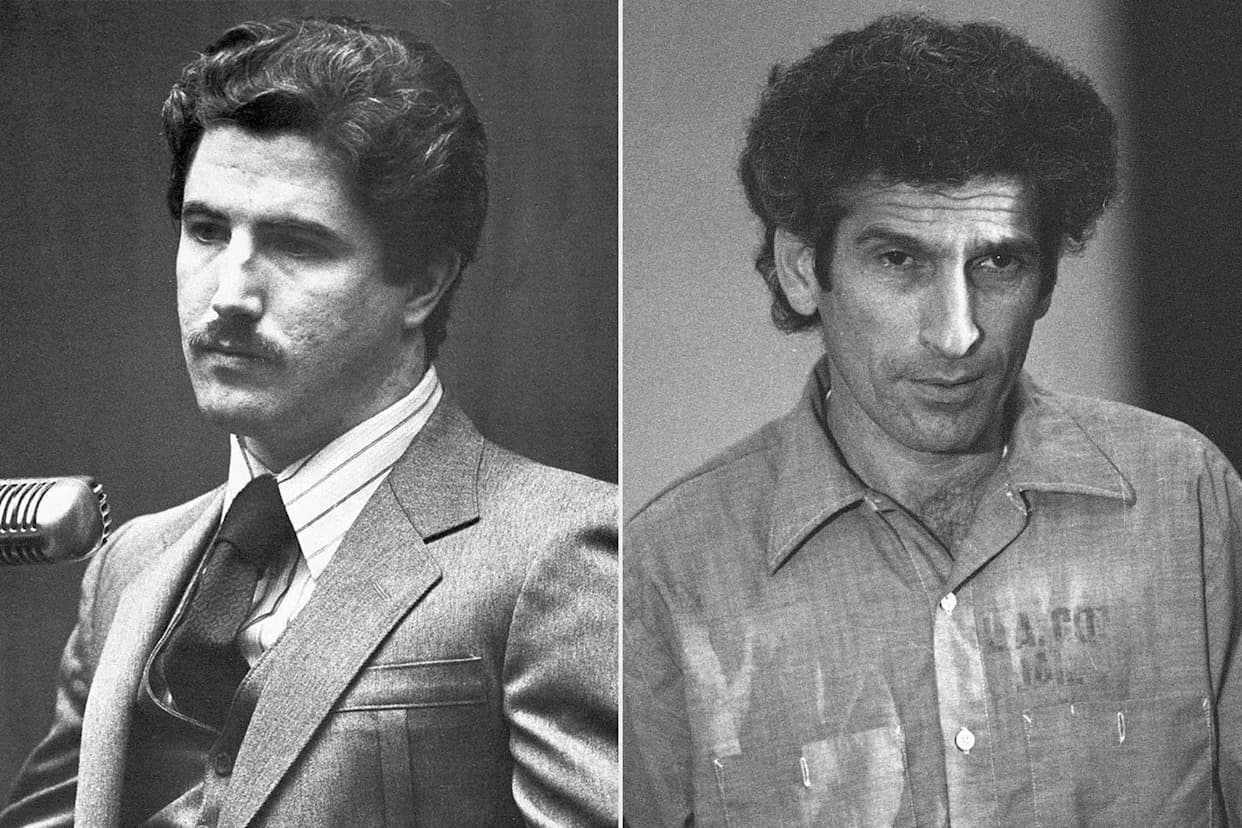
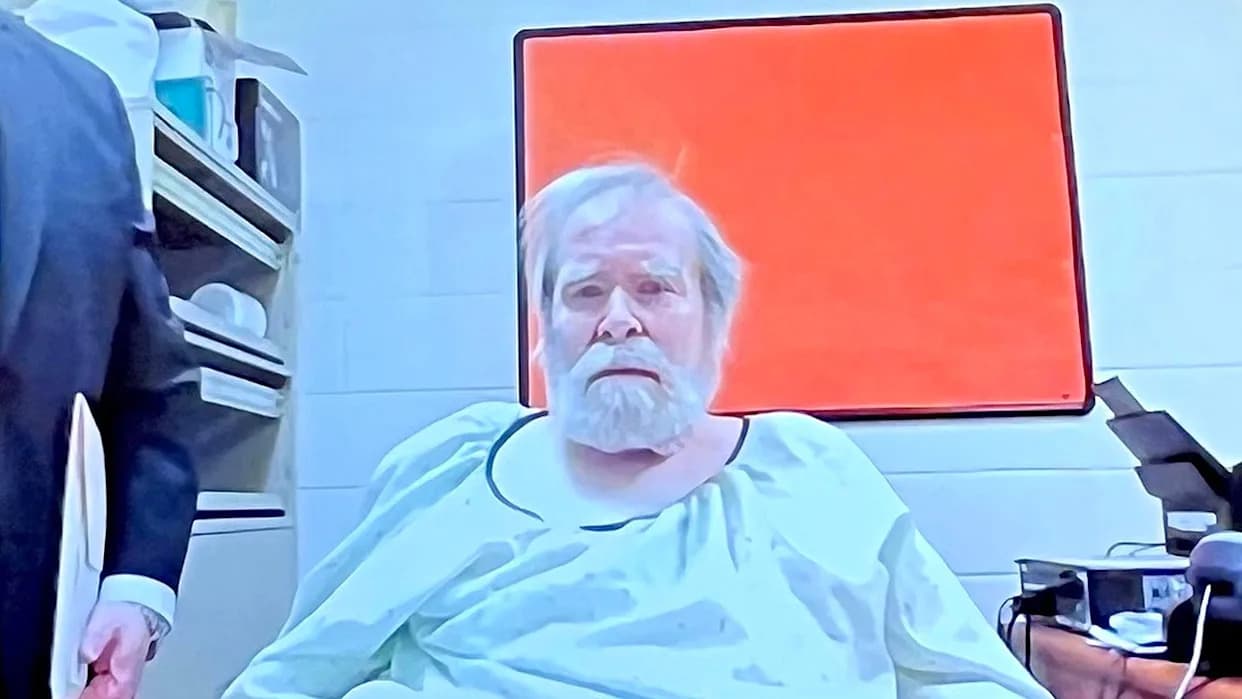
Daniel Conahan
Key Leads and Survivors
A pivotal lead arrived in May 1996 when inmate David Payton contacted authorities after seeing media coverage of the killings. Payton said he had been picked up in a blue Mercury Capri by a man who called himself "Dan," who offered money for bondage photos. Payton described being driven to a remote dirt road where the car got stuck; while a passerby helped, Payton saw a camera, a blue tarp, and rope in the back seat. After the vehicle was freed, Payton fled in the Capri. The car’s registered owner, Daniel O. Conahan Jr., later reported it stolen, and Payton was arrested and charged with grand theft auto. Payton later said he pleaded guilty because he feared no one would believe him and that he might be killed if he refused to cooperate.
Another survivor, Stanley Burden, told investigators that in 1994 he was taken by Conahan to a wooded area, tied to a tree for a purported bondage photo session, and nearly strangled with a double ligature. Burden said Conahan pressed his foot against the tree to increase the pressure; after a roughly 30-minute struggle, Conahan allegedly asked, “Why can't you just die?” and then left Burden bound. Burden later identified Conahan, then 42 and working as a nurse, from a photo lineup.
“When we found Kenny Smith and Richard Montgomery, then we knew that there was a fox in the hen house and potential for a serial murderer involved with these very similar methods of killing people,” said Jim Myers, a retired Florida Department of Law Enforcement investigator.
Prosecution and Unresolved Links
Conahan was indicted for the murder of Richard Montgomery and, on Dec. 10, 1999, was sentenced to death. He was not formally charged in the other Charlotte and Sarasota county deaths, though investigators continued to view him as a strong suspect in several related cases.
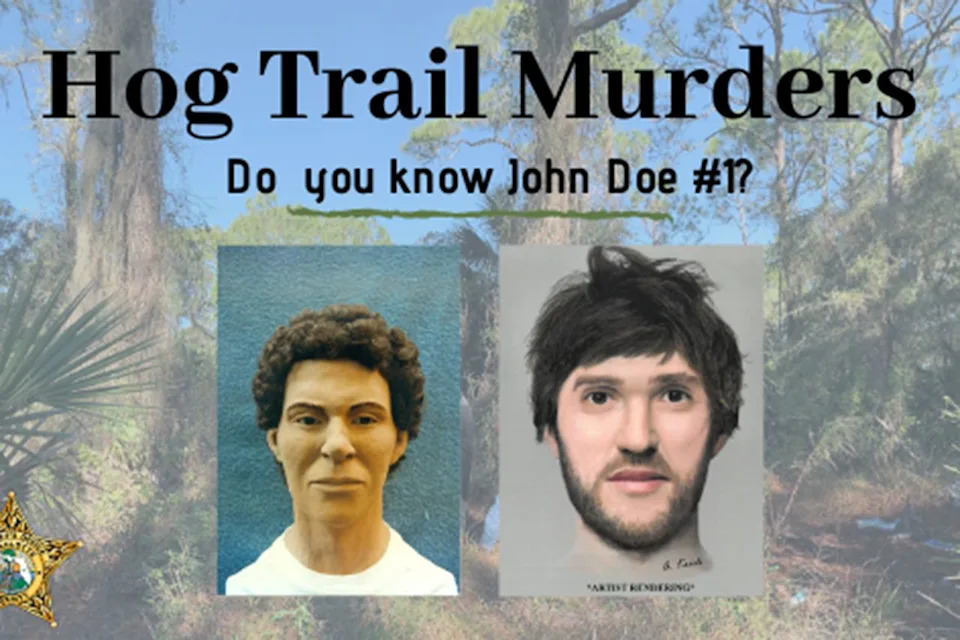
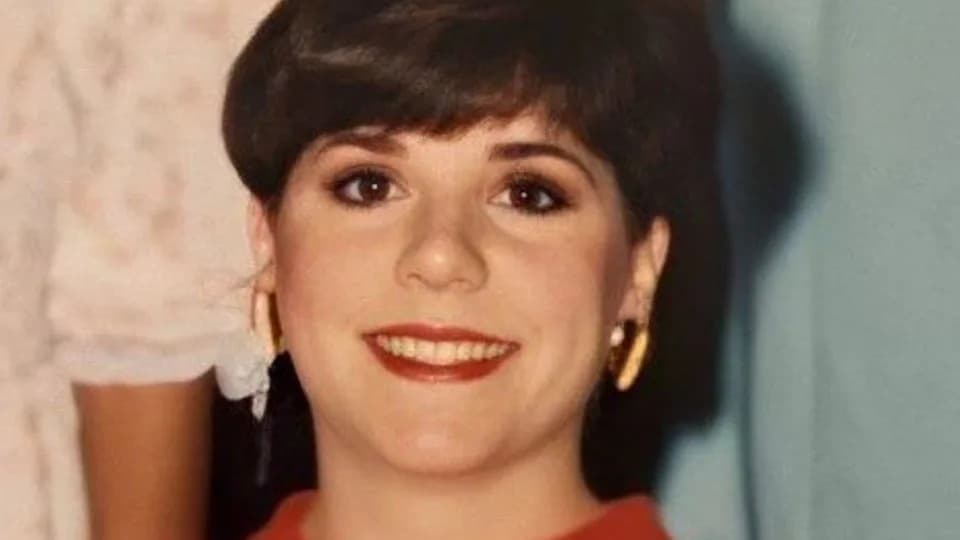
Hog Trail Murders victim renderingsCharlotte County Sheriff's Office
Authorities have also considered Conahan a person of interest in the discovery of eight sets of remains found near Fort Myers in March 2007 — victims believed to have been killed in the mid-1990s and now referred to as the "Fort Myers 8". In 2021, John Doe #1 was finally identified as 27-year-old drifter Jerry Lombard of Massachusetts.
Current Status
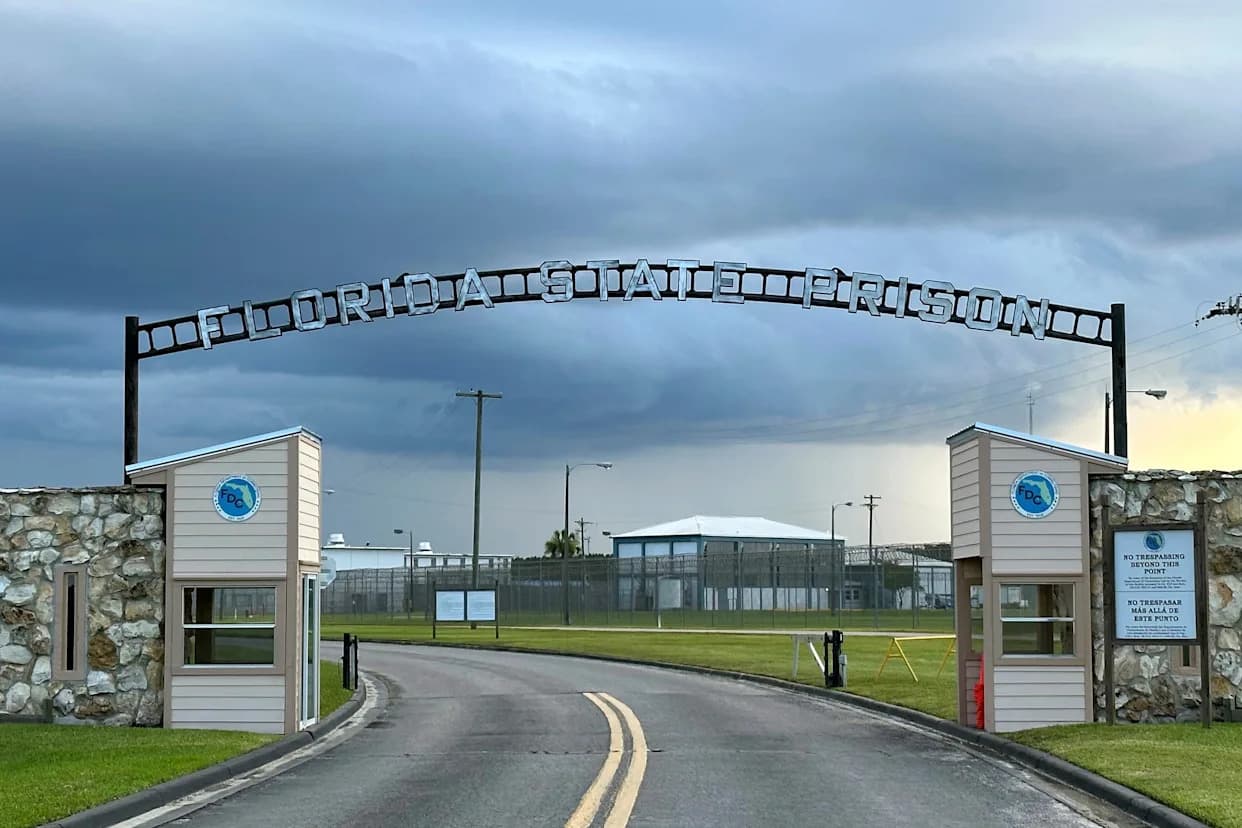
Daniel O. Conahan Jr. remains on Florida's death row at Florida State Prison. While convicted for Montgomery's murder, questions remain about the full scope of killings in the region during the 1990s and whether all linked victims have been accounted for.
Content Note: This article describes sexual violence and mutilation. Reader discretion is advised.
Help us improve.