Nearly five decades after a series of abductions, rapes and strangulations terrorized Los Angeles, the two cousins known as the Hillside Stranglers remain among the most notorious figures in U.S. criminal history. Kenneth Bianchi and Angelo Buono were implicated in a string of killings between October 1977 and February 1978 that left several young women’s bodies on L.A. hillsides and sparked a citywide panic.
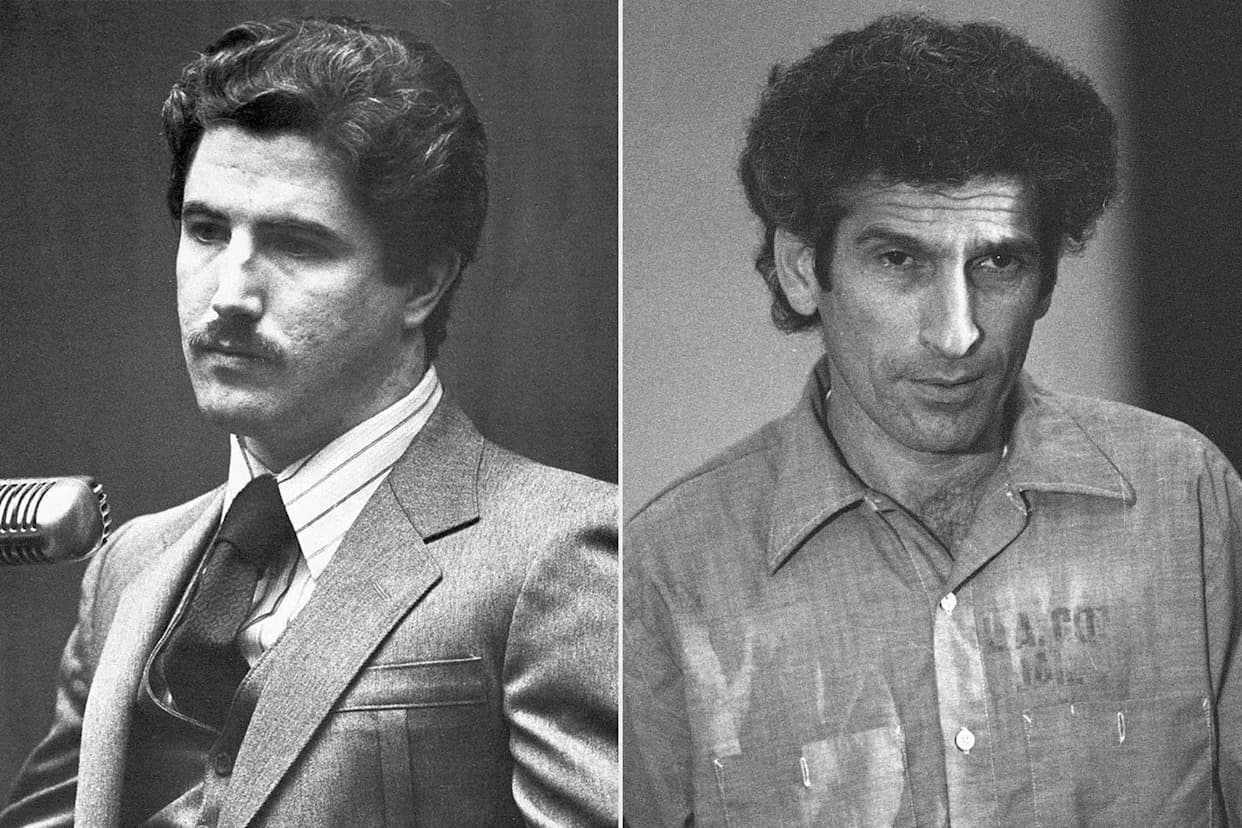
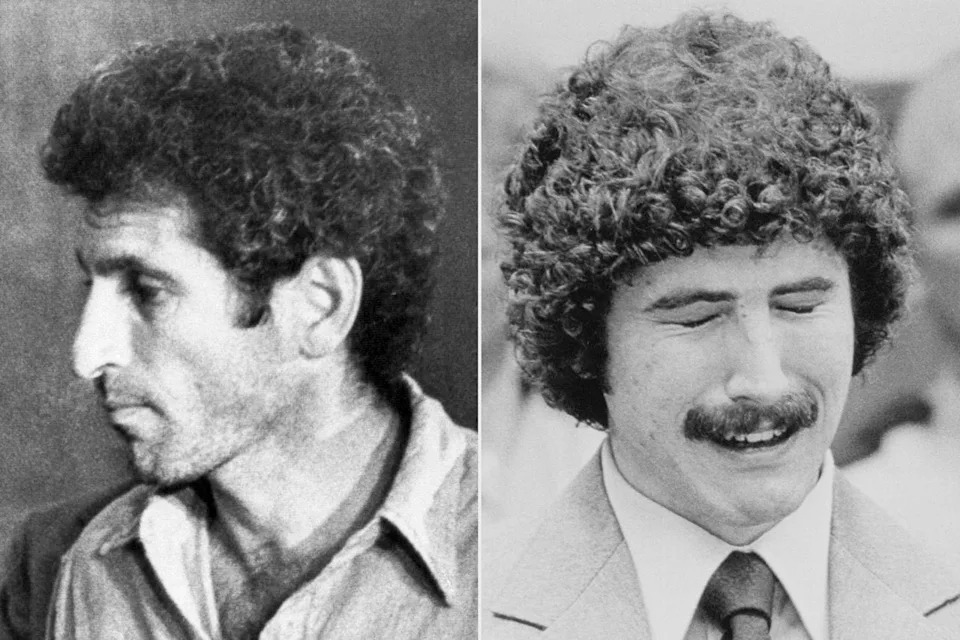
Bettmann Archive/Getty (2)Angelo Buono arrives at Court for arraignment on October 22, 1979 in Los Angeles, California ; Kenneth Bianchi during legal proceedings on October 19, 1979 in Los Angeles, California.
Background
Kenneth Bianchi was born in 1951, adopted as an infant and raised in Rochester, N.Y. He struggled in school despite an above-average IQ and later moved to Los Angeles where he lived in Hollywood and reportedly aspired to be a police officer. Angelo Buono, his older cousin, ran an auto-upholstery business in Glendale. The cousins operated an outcall prostitution operation before escalating to violence in the fall of 1977.
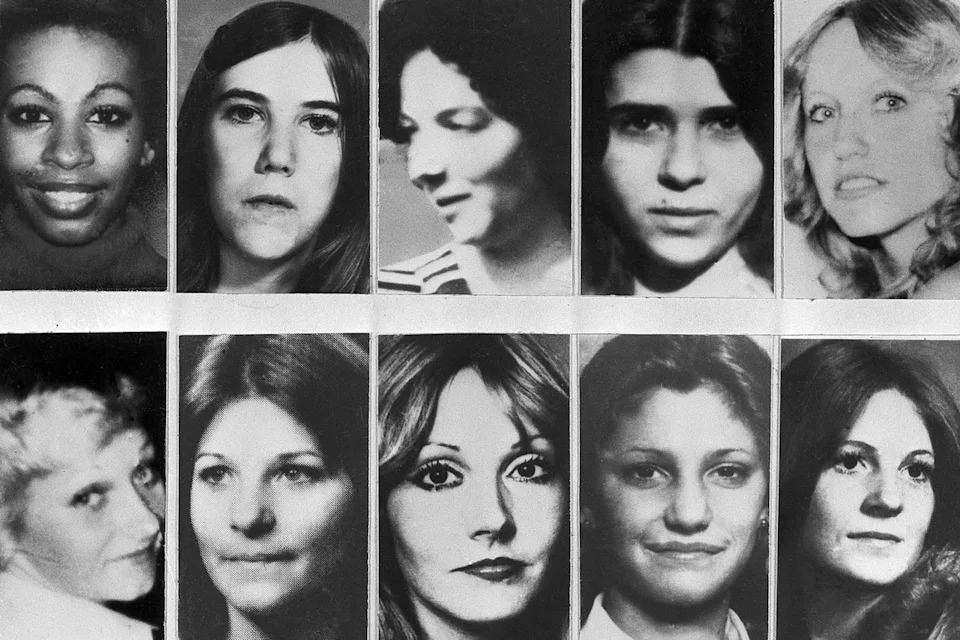
Associated PressVictims of the so-called Hillside Strangler; top, from left: Yolanda Washington, Judith Ann Miller, Lissa Teresa Kastin, Jill Barcomb, Kathleen Robinson, and Kristina Weckler. Also, bottom, from left: Kimberly Diane Martin, Cynthia Lee Hudspeth, Jane King, Sonja Johnson, Lauren Rae Wagner, and Dollie Cepeda.
The Crimes and Victims
Between October 1977 and February 1978, at least 10 young women were abducted, raped and strangled; several bodies were found on hillsides around Los Angeles, which led to the killers’ nickname. Victims included sex workers, runaways and aspiring actresses, with ages ranging from early teens into the late 20s.
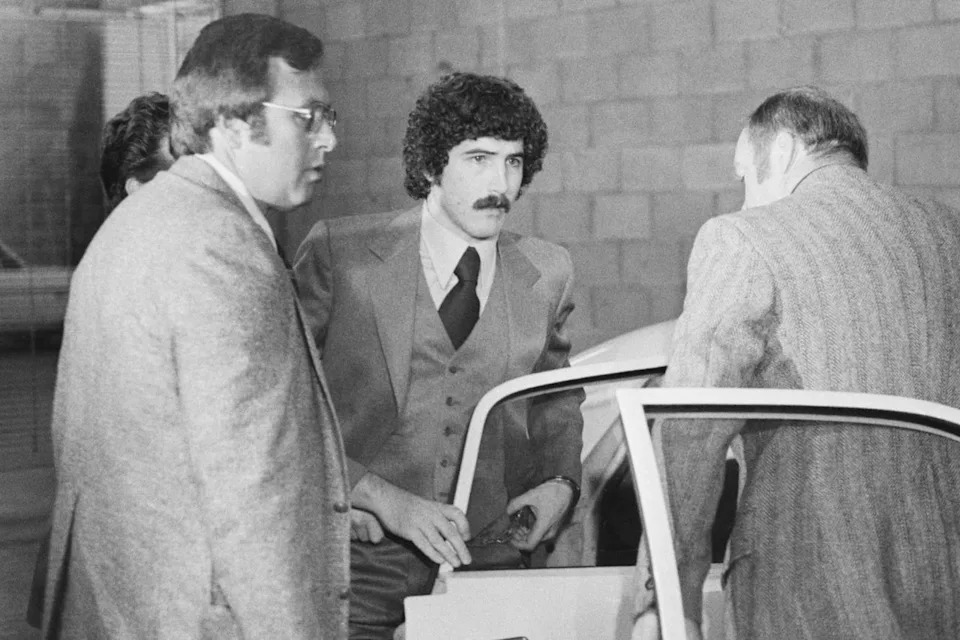
Bettmann Archive/GettyKenneth Bianchi gets out of a sheriff's car on arrival at Criminal Courts Building here for arraignment on October 22, 1979 in Los Angeles, California.
- Named victims (investigators tied to the case): Yolanda Washington, Judith Miller, Lissa Kastin, Dolores Cepeda, Sonja Johnson, Kristina Weckler, Jane King, Lauren Wagner, Kimberly Martin and Cindy Huspeth.
- The cousins also allegedly targeted other potential victims and used police impersonation to lure women to Buono’s home.
Arrest, Confession and Trials
After the Los Angeles killings abruptly stopped, violence reappeared in Washington state. In January 1979, Bianchi was arrested in Bellingham for the murders of Karen Mandic and Diane Wilder. Under police interviews — including sessions conducted while he was under hypnosis, a practice then used by some investigators — Bianchi confessed to the Bellingham murders and to five of the Los Angeles slayings, and he implicated Buono in the full series of crimes.
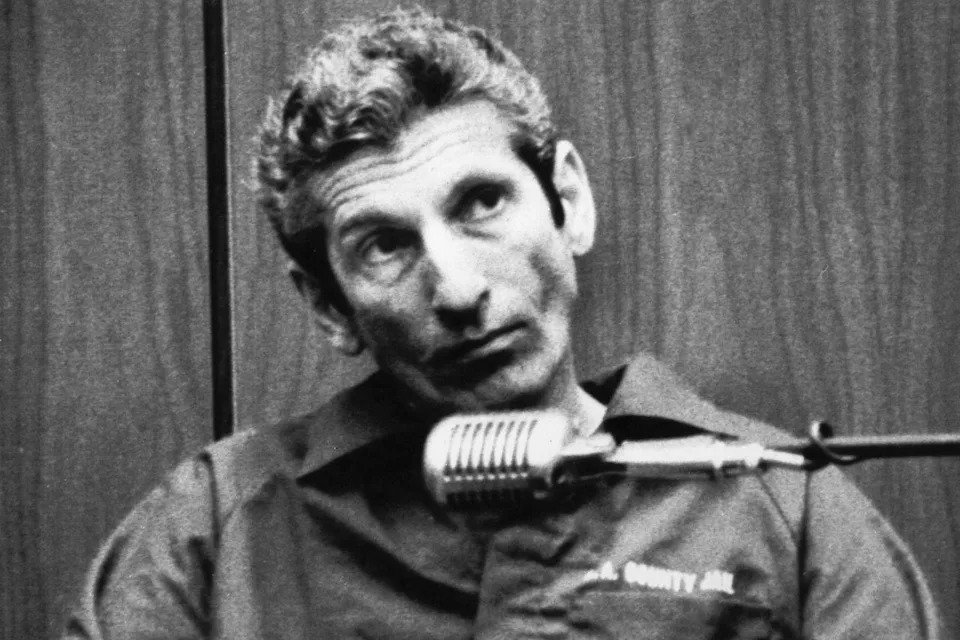
Bettmann Archive/Getty"Hillside Strangler" Angelo Buono on the witness stand.
To avoid the death penalty, Bianchi pleaded guilty and agreed to testify against Buono. Buono’s trial, which began in 1981, was protracted: it involved roughly 400 witnesses, tens of thousands of pages of testimony and lengthy jury deliberations. The proceedings are often described as the longest and most expensive murder trial in California history and remain among the longest in the U.S.
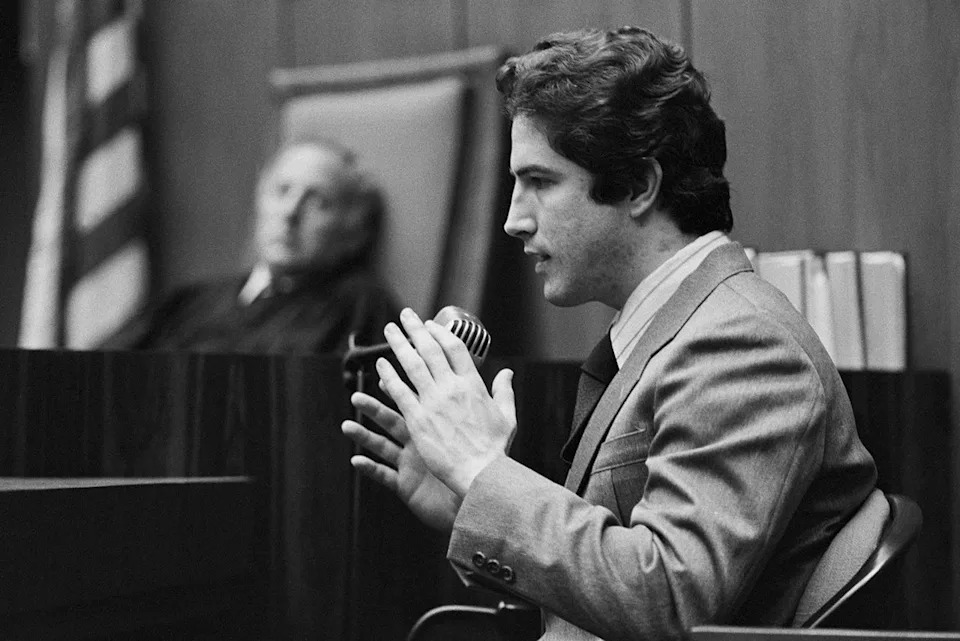
Bettmann/GettyKenneth Bianchi, the Hillside Strangler, testifies in a courtroom against his cousins and accomplice Angelo Buono.
Sentences and Where They Are Now
Angelo Buono was convicted of nine homicides and received a life sentence without the possibility of parole. He died of a heart attack at Calipatria State Prison in 2002 at age 67. Kenneth Bianchi is serving a life sentence at Walla Walla State Penitentiary in Washington. In July 2025 he was denied parole for the eighth time and, under current parole scheduling, will be eligible to apply again in 10 years.
Bianchi has continued to challenge aspects of his confessions, alleging coercion of statements obtained under hypnosis. In 2023 he legally changed his name to Anthony D’Amato, according to reporting.
Legacy and Media
The five-month rampage and its aftermath left a lasting imprint on Los Angeles and its criminal-justice history: the case prompted changes in investigative practices and remains a subject of public attention. The story is revisited in an MGM+ docuseries, The Hillside Strangler, which examines the crimes, investigation and the lengthy legal battles that followed.
Note: This article is a factual summary of historic court findings and reporting. It relays names and outcomes established by courts and public records.