Grassroots groups and citizens across Pakistan are deploying low-cost air monitors and pursuing legal action as pollution reaches record highs. PAQI's roughly 150 sensors contributed to IQAir ranking Pakistan the world's third most-polluted country in 2024, with PM2.5 levels about 14 times the WHO daily limit. The World Bank links pollution to an estimated 230,000 premature deaths in 2019 and health costs near 9% of GDP. Community data helped secure a 2017 Lahore high court ruling and spurred official monitoring, but activists say deeper policy changes are still needed.
Pakistanis Turn to Low-Cost Air Monitors and Lawsuits to Demand Cleaner Air
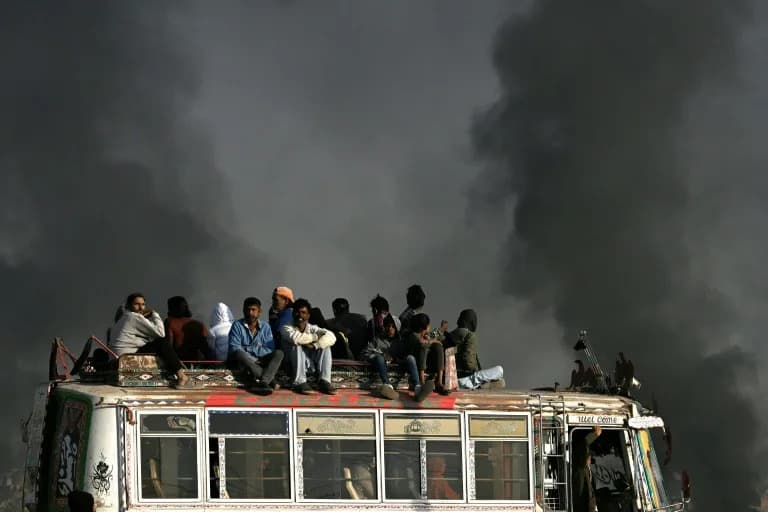
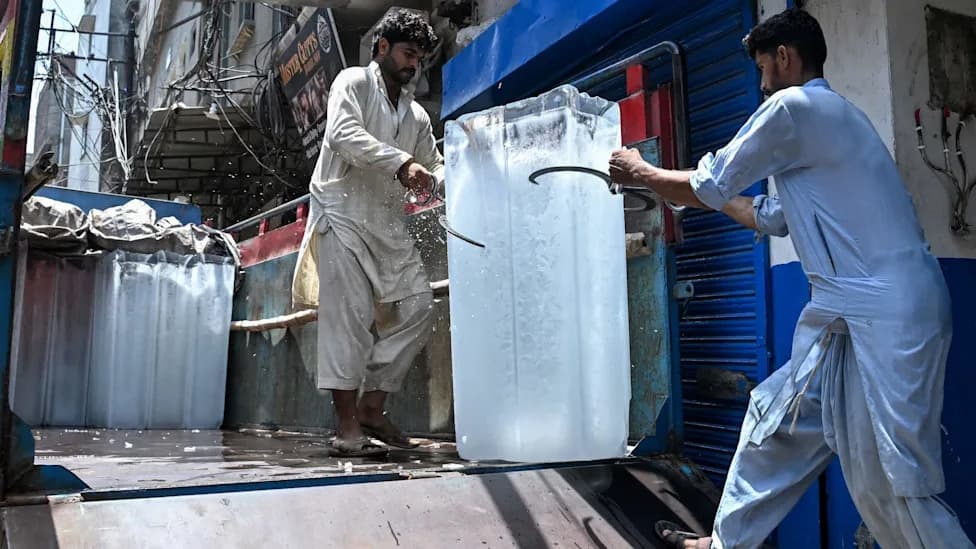
Pakistan was classified in 2024 as the third most-polluted country in the world (Asif HASSAN)(Asif HASSAN/AFP/AFP)
As pollution in Pakistan soars to record levels, citizens and grassroots groups are using low-cost air monitors and legal action to press for cleaner air and stronger government response.
From Suspicion to Sensors
More than a decade ago, engineer Abid Omar began to suspect that the "seasonal fog" authorities described in Lahore was actually dangerous smog. "It wasn't there in my childhood," the 45-year-old said. With official monitoring limited, Omar founded the Pakistan Air Quality Initiative (PAQI), installing its first monitor in 2016 and growing the network to roughly 150 sensors nationwide.
Data, Rankings and Health Costs
PAQI's measurements feed into platforms such as IQAir. In 2024, IQAir ranked Pakistan the third most-polluted country in the world. Average concentrations of carcinogenic PM2.5 particles are about 14 times the World Health Organization's recommended daily maximum.
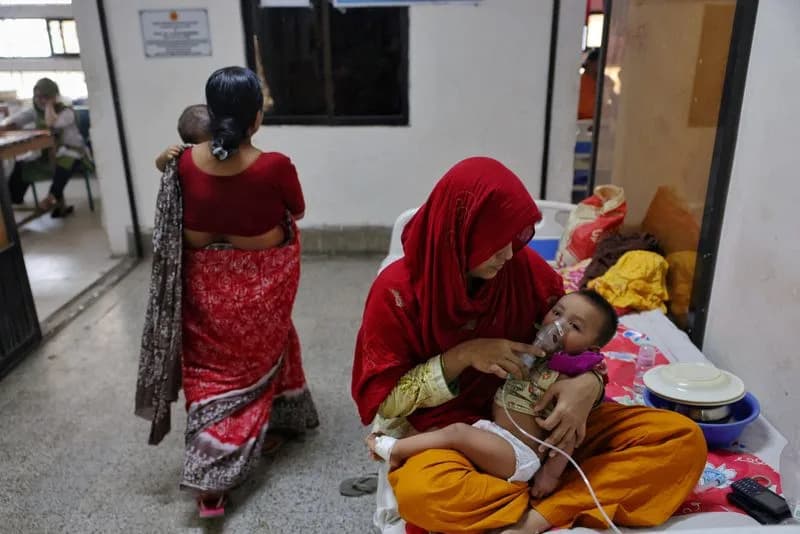
According to the World Bank, pollution exposure in Pakistan caused an estimated 230,000 premature deaths and illnesses in 2019 and imposed health costs equivalent to roughly 9% of GDP.
How Community Monitoring Has Driven Change
PAQI data were pivotal in a 2017 Lahore high court case that persuaded judges to recognise smog as a public health danger. Using a PAQI monitor, campaigners demonstrated that "the air quality was hazardous inside the courtroom," and the court ordered the Punjab regional government to deploy its own monitoring network. Punjab has since installed 44 official stations and been directed to publish readings.
Officials have criticised private monitors as unreliable and warned they can cause panic. Researchers and activists argue community devices are essential supplements to official data, which they describe as fragmented and sometimes subject to manipulation or shutdown during pollution spikes.
Low-Cost Innovation And Local Impact
In Islamabad, academics Umair Shahid and Taha Ali launched the volunteer group Curious Friends of Clean Air. Over three years they deployed about a dozen compact, plug-sized monitors they 3D-printed for roughly $50 each; the devices log air quality every three minutes. Though uncertified and not integrated into IQAir's map, these sensors have revealed worrying patterns and helped neighbours take protective actions—rescheduling outdoor activities, buying purifiers where affordable, and adopting masks.
Legal Pressure And Ongoing Challenges
Frustrated by limited government action, citizens have pursued legal remedies. Climate campaigner Hania Imran, 22, filed a lawsuit in December 2024 asserting a "right to breathe clean air" and urging a shift to cleaner fuels and sustainable transport. No verdict date has been set.
Authorities report measures such as overhauling brick-kiln management, fining high-emission vehicles and offering incentives to stop crop burning. Critics say such steps address symptoms rather than the root causes and remain insufficient given the scale of the health crisis.
"The government is trying to control the symptoms, but not the origin," said Taha Ali, summarising a common activist refrain.
The grassroots monitoring movement in Pakistan illustrates how community science, public pressure and legal action can expose risks, influence policy and help people protect their health—even as much larger systemic solutions remain urgent.
Help us improve.