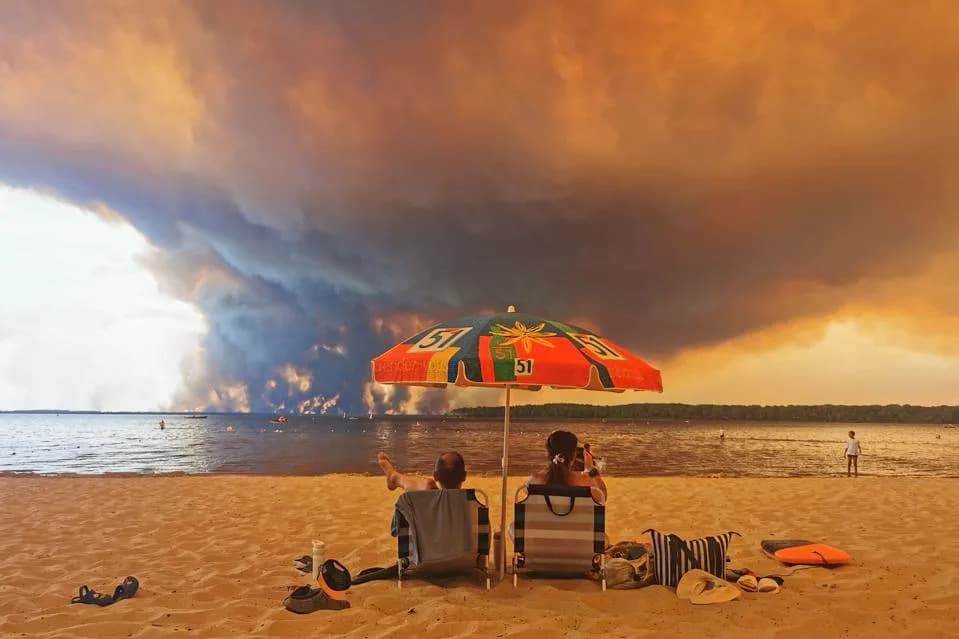
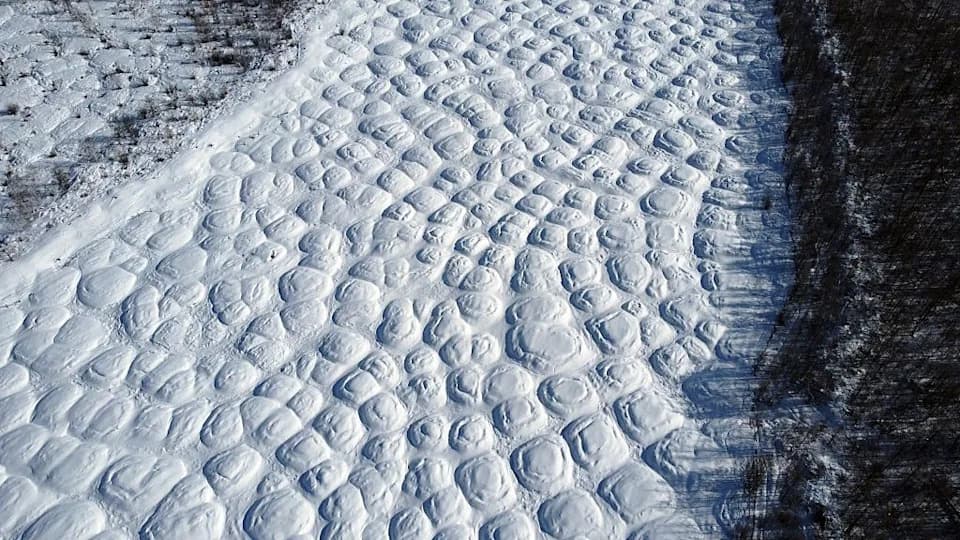
NASA scientists report an increase in wildfires north of the Arctic Circle that are burning hotter, larger and longer than in past decades. Accelerated Arctic warming — roughly four times the global average — combined with drier conditions is making forests and tundra far more fire-prone. These intense fires change ecosystems, release carbon, and can speed permafrost thaw. Researchers call for targeted satellites and field campaigns to better monitor and understand the threat.
NASA Warns Arctic Wildfires Are Getting Hotter, Larger and More Frequent
Photo Credit: iStock
NASA researchers are raising the alarm about a growing and dangerous trend: wildfires north of the Arctic Circle are becoming more frequent, burning hotter, spreading farther and lasting longer than in past decades.
Historically, Arctic and boreal fires tended to be low-intensity events that moved slowly and allowed ecosystems to recover. But a changing climate — with warmer temperatures and drier conditions — is producing a new fire regime with far-reaching ecological and climate consequences.
What Scientists Are Seeing
Satellite observations and field studies show that Arctic fires now commonly:
- Burn with greater intensity and for longer durations
- Affect larger areas, including previously unburned peatlands and tundra
- Produce more severe changes to soils, vegetation and local carbon balance
“Fire has always been a part of boreal and Arctic landscapes, but now it's starting to act in more extreme ways that mimic what we've seen in temperate and tropical areas,” said Jessica McCarty, Deputy Earth Science Division Chief at NASA's Ames Research Center and an Arctic fire specialist.
Ecological And Climate Impacts
These more intense fires can wipe out existing plant and animal communities, open the landscape to different species, and alter soil chemistry. When fires burn deep into organic soils and peat, they release large amounts of stored carbon and can accelerate thawing of permafrost and melt around ice caps — creating feedbacks that further warm the region.
Why This Is Happening
The Arctic is warming at roughly four times the global average. Higher temperatures, earlier snowmelt, and drier summer conditions create fuel and ignition conditions that make forests and tundra more vulnerable to severe fire than in previous decades.
What Scientists Recommend
Researchers say better, more targeted observations are essential to understand and manage this changing fire landscape. That includes expanded satellite monitoring, coordinated field campaigns, and improved local detection systems to track fires in remote, isolated areas.
Why it matters: What happens in the Arctic has global consequences — from rising greenhouse-gas emissions to altered weather patterns — so monitoring and research there are critical for the rest of the planet.
Help us improve.