After a second fatal Minnesota shooting involving ICE, several Senate Democrats who previously supported reopening the government said they would oppose a six-bill funding package if it continues to include Department of Homeland Security funding. Minority Leader Chuck Schumer said Democrats will withhold votes to advance the appropriations measure while DHS remains attached, making a partial government shutdown on Friday more likely. Key senators opposing the DHS bill include Catherine Cortez Masto, Tim Kaine and Jacky Rosen; options now include stripping DHS funding from the package or risking a short partial shutdown.
Second Minnesota ICE Shooting Raises Odds Of Partial U.S. Government Shutdown
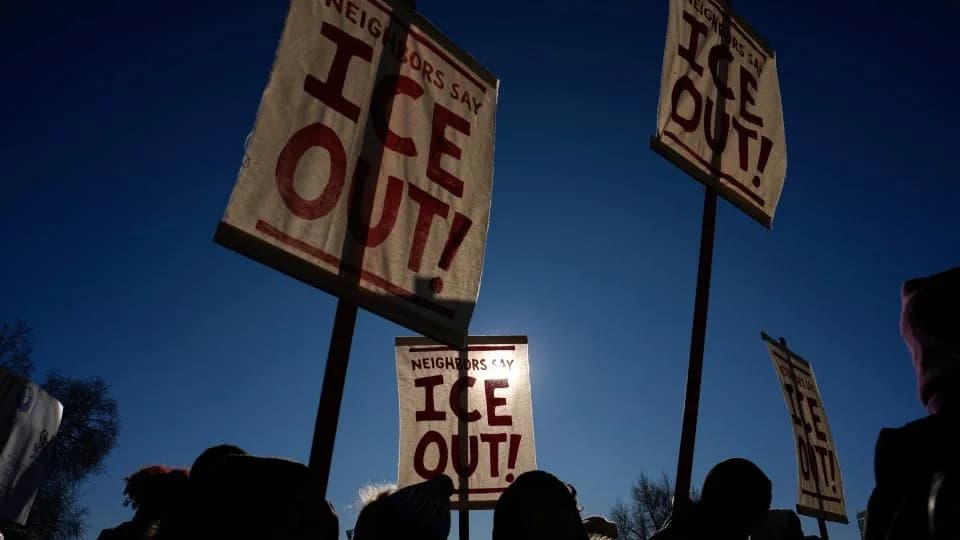
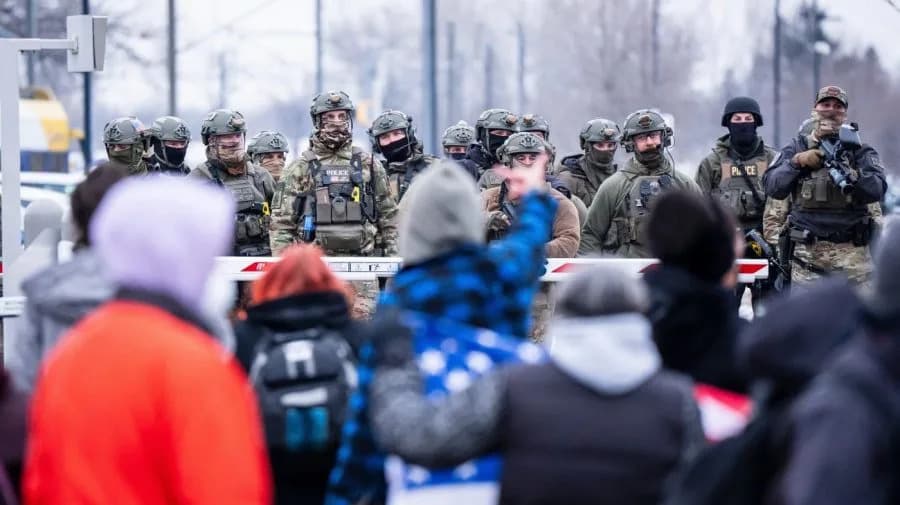
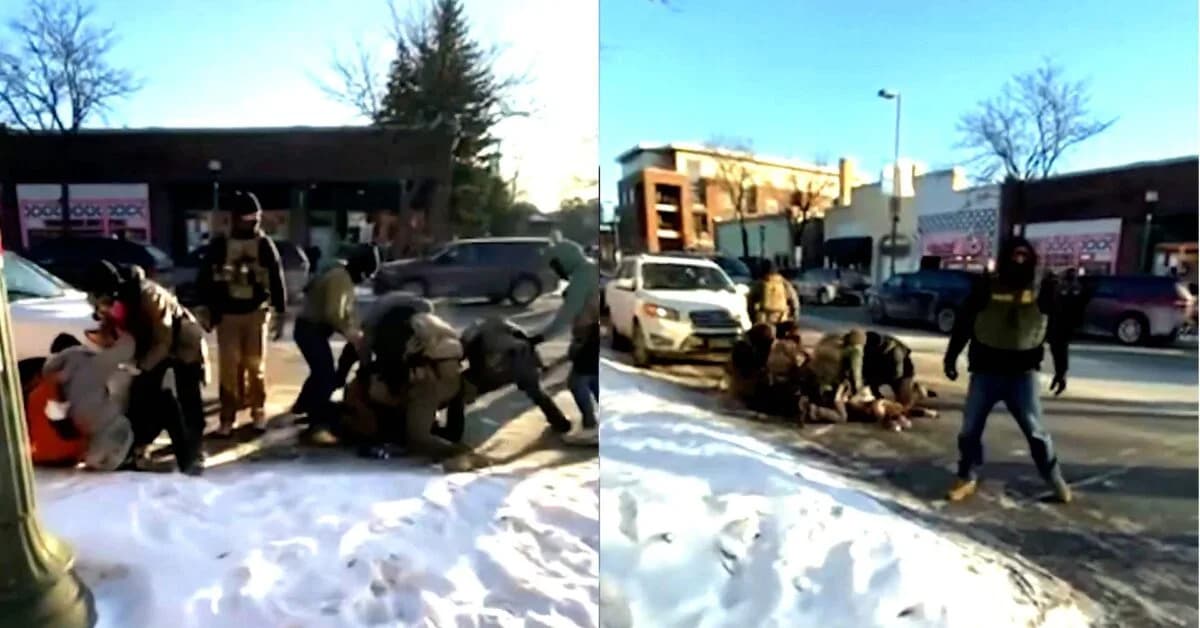
A partial government shutdown set to begin Friday has grown more likely after a second fatal shooting in Minnesota involving Immigration and Customs Enforcement (ICE).
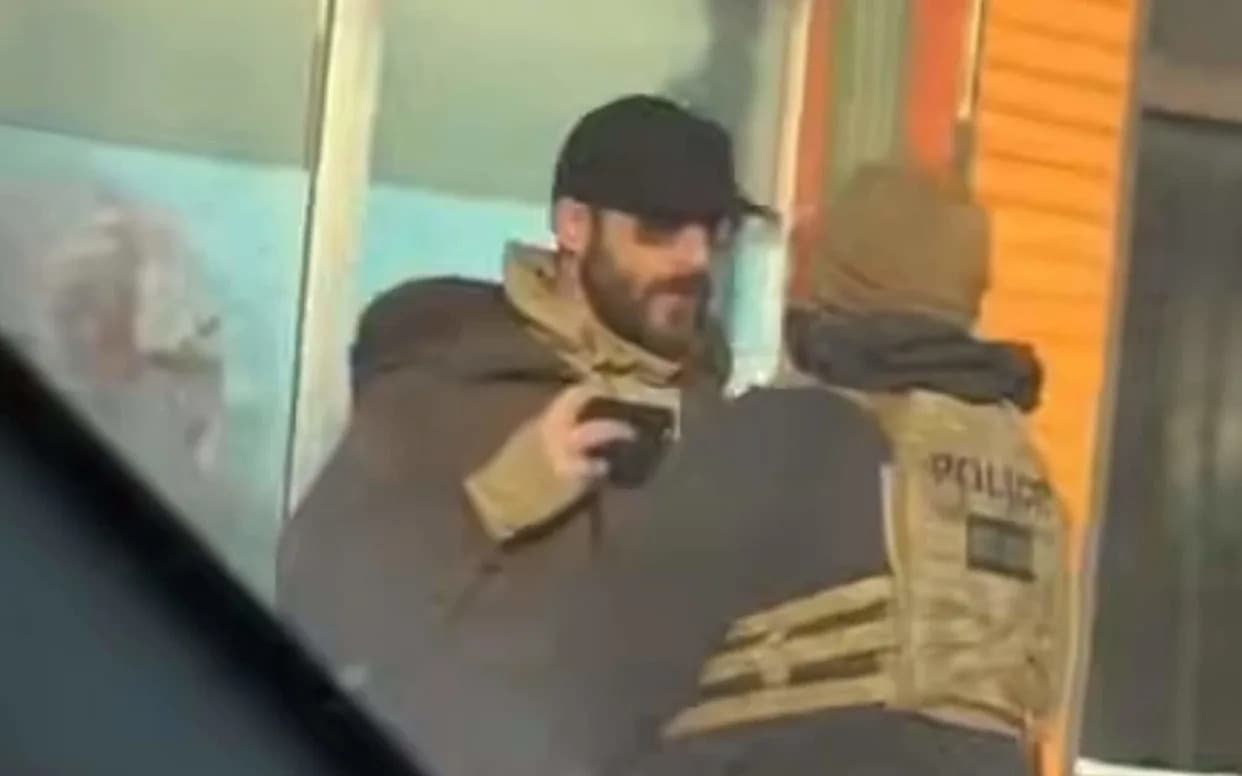
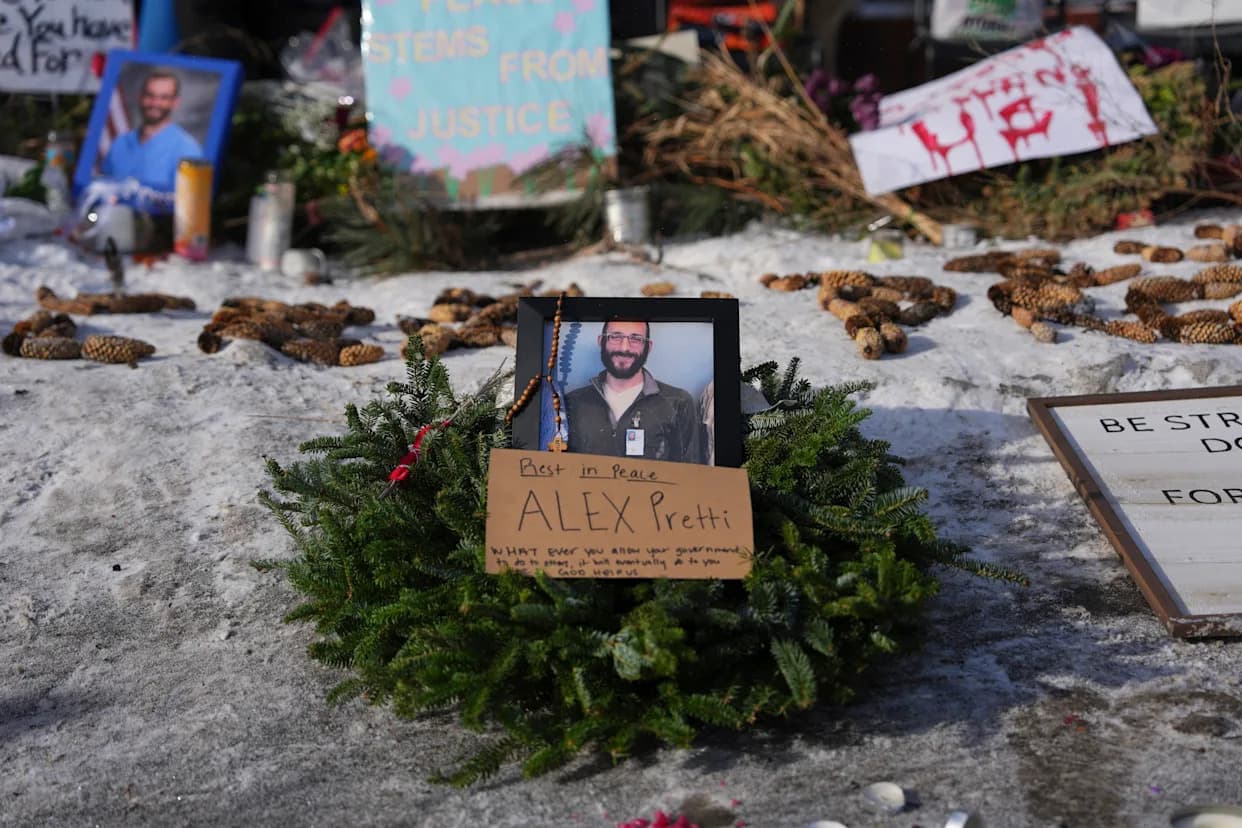
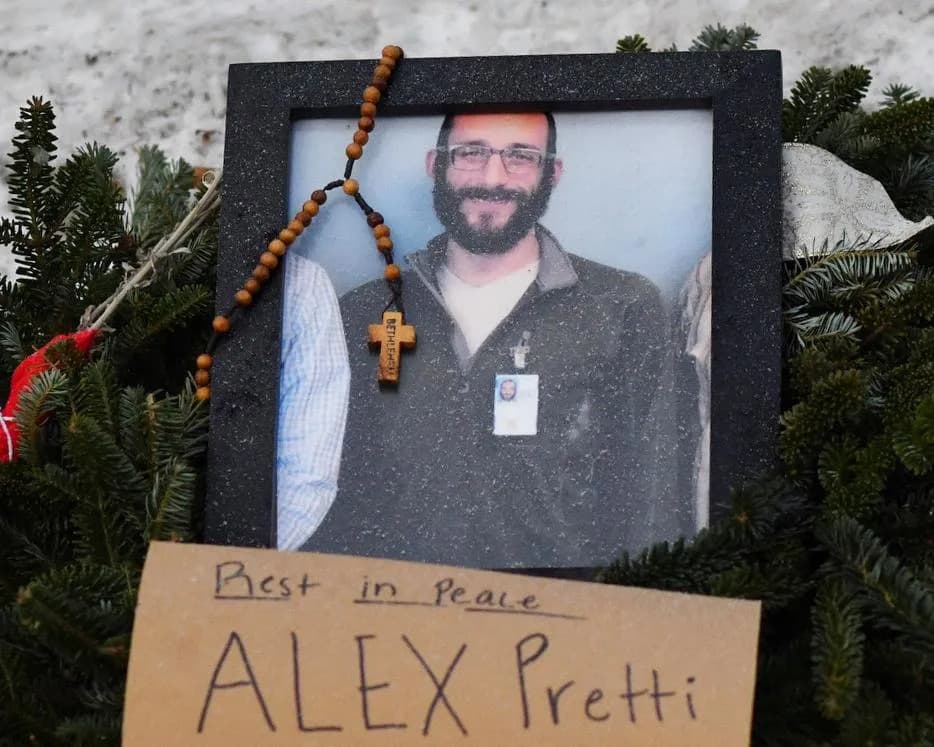
Hours after the death of U.S. citizen Alex Pretti in Minneapolis, several Senate Democrats who previously backed a bipartisan deal to reopen the government in November said they would oppose a six-bill funding package if it continues to include funding for the Department of Homeland Security (DHS).
Immediate Political Fallout
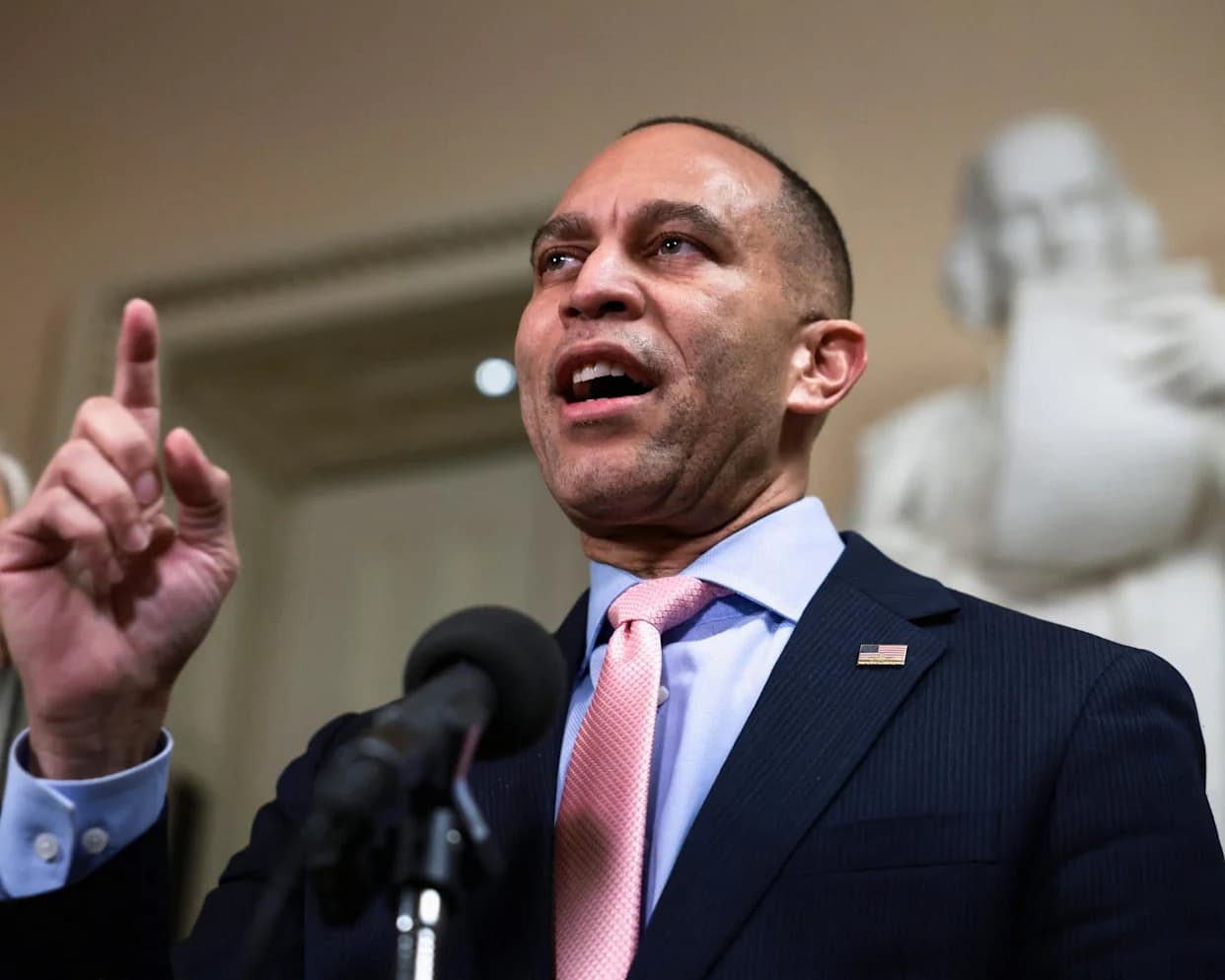
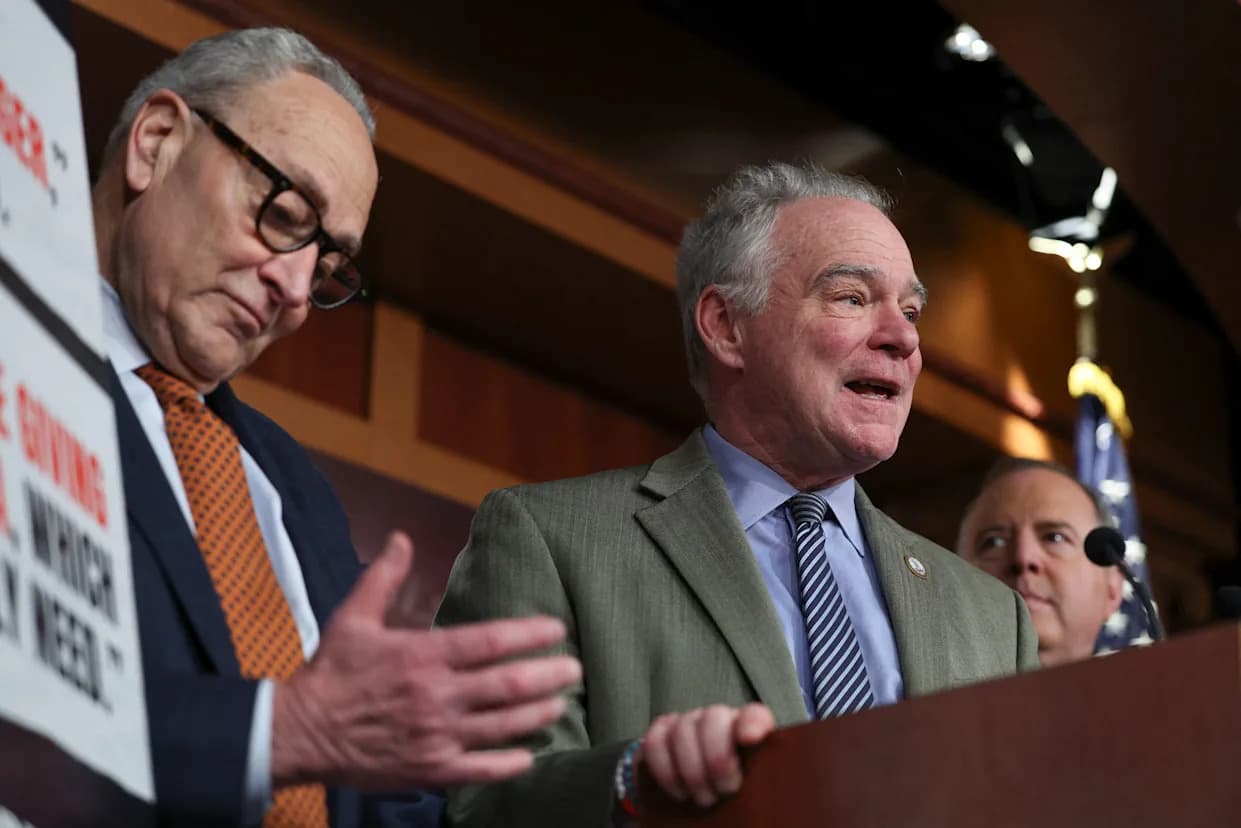
That stance leaves the broader funding measure short of the 60 votes needed to advance in the Senate. Minority Leader Chuck Schumer said late Saturday:
"Senate Democrats will not provide the votes to proceed to the appropriations bill if the DHS funding bill is included."
Senate Democrats planned a strategy discussion as a caucus Sunday evening and an in-person meeting Wednesday. Funding for many federal agencies is scheduled to lapse Friday evening unless Congress acts.
Why DHS Funding Is The Flashpoint
Republican leaders had hoped to pair a DHS spending bill with five other, more broadly popular agency funding measures to attract Democratic support. Until the weekend, Republicans were optimistic Democrats would help move the package.
After the Minneapolis shooting, however, there is no clear path to approving DHS funding — and thus uncertain prospects for keeping the rest of the government funded if DHS stays bundled with the other bills.
Key Senators Who Have Opposed DHS Funding
Several senators who previously supported reopening the government have publicly rejected the current DHS bill after the second Minnesota shooting:
- Sen. Catherine Cortez Masto (D-Nev.) — Said she will back five of the House-passed bills that fund other agencies but "will not support the current Homeland Security funding bill." She previously proposed using roughly $75 billion in ICE-related funds from last year’s GOP tax law to support local law enforcement as an alternative approach.
- Sen. Tim Kaine (D-Va.) — Said he could not vote to fund DHS after recent shootings by ICE, including the earlier shooting of Renee Good in Minneapolis.
- Sen. Jacky Rosen (D-Nev.) — Announced she would vote against any funding package that contains DHS until stronger guardrails, accountability, and transparency are in place.
Senate Math And Options
Republican leaders need at least seven Democratic votes to overcome a filibuster and advance the House-passed six-bill package, which includes the narrowly approved DHS spending measure. Several agencies are already funded for the rest of the fiscal year under a separate bill that has become law, but the bundled package covers many remaining agencies.
Democrats could try to force a vote to strip DHS funding from the bundle so the rest of the government could be funded while the fight over ICE continues. That move would require a simple majority to pass the revised package — a difficult prospect in a Senate where Democrats currently hold 47 votes.
Even if Democrats succeed in blocking DHS funding, the practical effects of a DHS shutdown could be limited. Last year’s GOP tax law set aside substantial funds for immigration enforcement, which helped ICE continue operations during the 43-day shutdown last fall.
Who’s Watching And Why It Matters
Much depends on Senate Majority Leader John Thune’s handling of the floor votes and whether Democrats are given a chance to vote to remove DHS funding from the package. If Democrats again vote against government funding, pressure on Republicans to reconsider filibuster rules could intensify.
Members from both parties are watching closely: Sen. Angus King (I-Maine) has raised concerns as ICE conducts operations in his state; Republican Appropriations Chair Susan Collins has asked the administration for details about ICE activity; and several House Democrats crossed party lines to advance the DHS bill in committee.
What Comes Next
Lawmakers have only days to find a solution. Options include negotiating new guardrails on ICE, separating DHS funding from the rest of the package, or accepting a short partial shutdown. Each path carries political and practical trade-offs, and the coming votes will determine whether government funding lapses or lawmakers reach a last-minute compromise.
Note: This article summarizes developments as reported after two recent shootings in Minneapolis involving ICE. Names, votes, and procedural options reflect statements from senators and congressional leaders at the time of reporting.
Help us improve.