
Three House appropriations bills set for floor votes contain roughly $6.5 billion in earmarks spread across more than 3,000 items, drawing criticism from fiscal conservatives. Energy and Water carries the largest share at just over $3 billion, while Interior and Environment and Commerce, Justice and Science each include about $1.7 billion. GOP critics including Sen. Mike Lee and Rep. Chip Roy singled out specific allocations, and Appropriations Chair Tom Cole said at least one contested provision will be removed. With a slim House majority, internal GOP dissent could affect passage of these party‑line measures.
House GOP Appropriations Bills Pack $6.5B in Earmarks, Sparking Backlash From Fiscal Hawks

House GOP spending bills pack billions in earmarks, sparking backlash from fiscal hawks
Three House appropriations bills scheduled for floor votes this week have ignited a fresh debate over lawmaker-directed spending. The measures — covering Commerce, Justice and Science; Energy and Water Development; and Interior and Environment — collectively include roughly $6.5 billion in earmarks and more than 3,000 individual line items.
What the package covers
These three bills are among the 12 annual appropriations measures required to fund the federal government for Fiscal Year 2026. Beyond standard agency funding, the bills contain project-specific allocations inserted at the request of members of Congress, commonly called earmarks or "community projects" since the practice was reinstated in 2021.
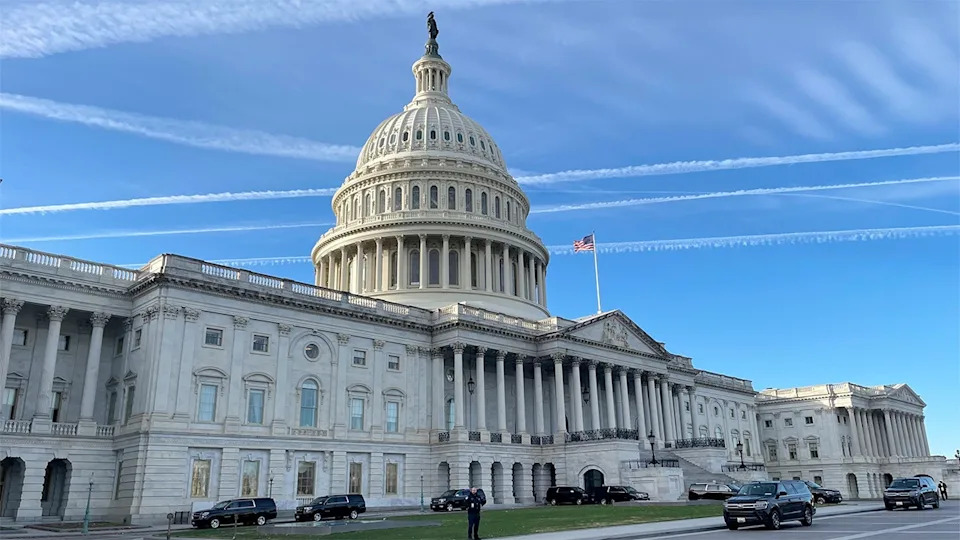
Republicans will be defending their razor-thin House majority in the 2026 midterm elections.
Earmark totals by bill
Committee accounting shows the Energy and Water bill carries the largest share, with just over $3 billion in earmarks. The Interior and Environment measure includes more than $1.7 billion, and the Commerce, Justice and Science bill holds about $1.7 billion as well. Collectively, the three bills list more than 3,000 earmark items.
Political fallout
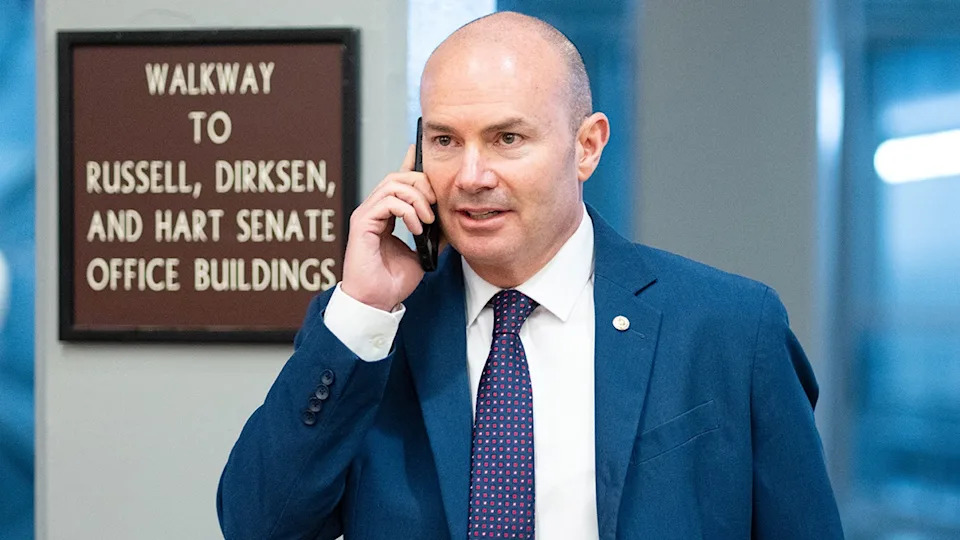
Sen. Mike Lee, R-Utah, arrives for a vote in the U.S. Capitol in Washington, July 23, 2025.
Fiscal conservatives in the GOP have assailed multiple allocations as examples of wasteful spending. Senator Mike Lee (R‑Utah) criticized a $1 million allocation for Generation Hope, a Somali‑led Minnesota organization that provides addiction‑related services. Rep. Chip Roy (R‑Texas) labeled earmarks the "currency of corruption" and flagged several allocations he objects to, including grants for community anti‑violence work and a legal‑aid mobile program.
House Appropriations Chairman Tom Cole (R‑Okla.) said lawmakers plan to remove at least one contested item tied to Rep. Ilhan Omar (D‑Minn.) after the backlash. Nevertheless, other disputed earmarks remain in the package, and members from both parties are among recipients.
Broader implications
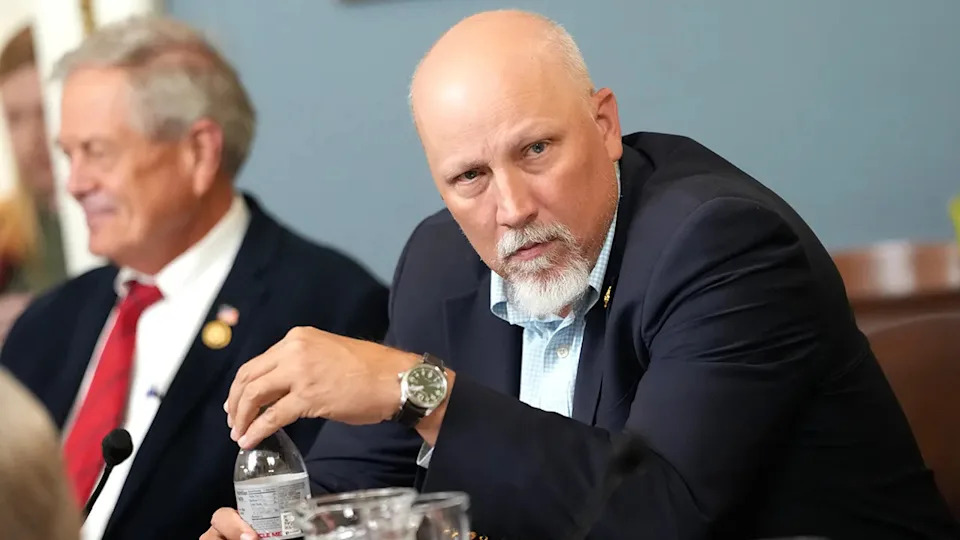
Rep. Chip Roy, R-Texas, sits next to Rep. Ralph Norman, R-S.C., as he listens during a House Rules Committee meeting on the One Big, Beautiful Bill Act at the U.S. Capitol in Washington, May 21, 2025.
Sen. Rick Scott (R‑Fla.) argued the earmarks enable Democrats to advance their priorities despite Republican control of the House and White House. The politics are sharpened by the GOP's narrow House majority: following recent turnover, Republicans can now afford to lose only two votes on strictly party‑line measures, making each objection potentially consequential.
Context
Earmarks were banned in Congress more than a decade ago and were reintroduced in 2021 under a bipartisan, rebranded process intended to increase transparency. Critics contend the practice still allows unnecessary or politically driven spending that undermines efforts to reduce federal deficits; supporters say earmarks can fund locally important projects that regular appropriations might miss.
As the three bills head to the floor, the fight over earmarks has emerged as a key test of how Republicans manage internal divisions between lawmakers who defend district‑level funding and fiscal hawks who press for tighter limits on discretionary spending.
Help us improve.


