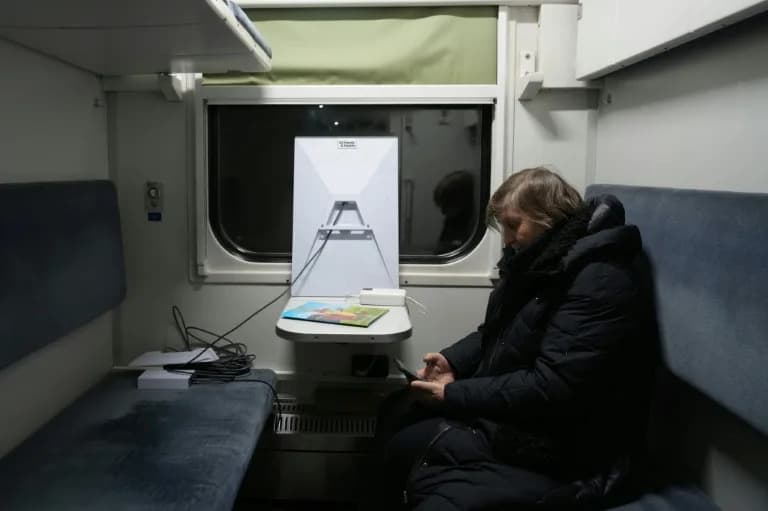
After a Jan. 19 prison break in Hasakah, some escaped ISIS detainees remain unaccounted for amid chaos that hindered tracking efforts. As an emergency security measure, U.S. forces have begun transferring male ISIS prisoners to Iraqi-controlled facilities—roughly 150 moved so far, with reports that Iraq received an initial 144 detainees and up to 7,000 could be relocated. Women and children remain in camps such as al-Hawl, where repatriation and long-term solutions have stalled. Analysts warn transfers reduce immediate escape risks but do not resolve the fragile, underfunded detention system or legal challenges ahead.
Some ISIS Detainees Still At Large After Hasakah Prison Break; U.S. Moves Male Prisoners To Iraq
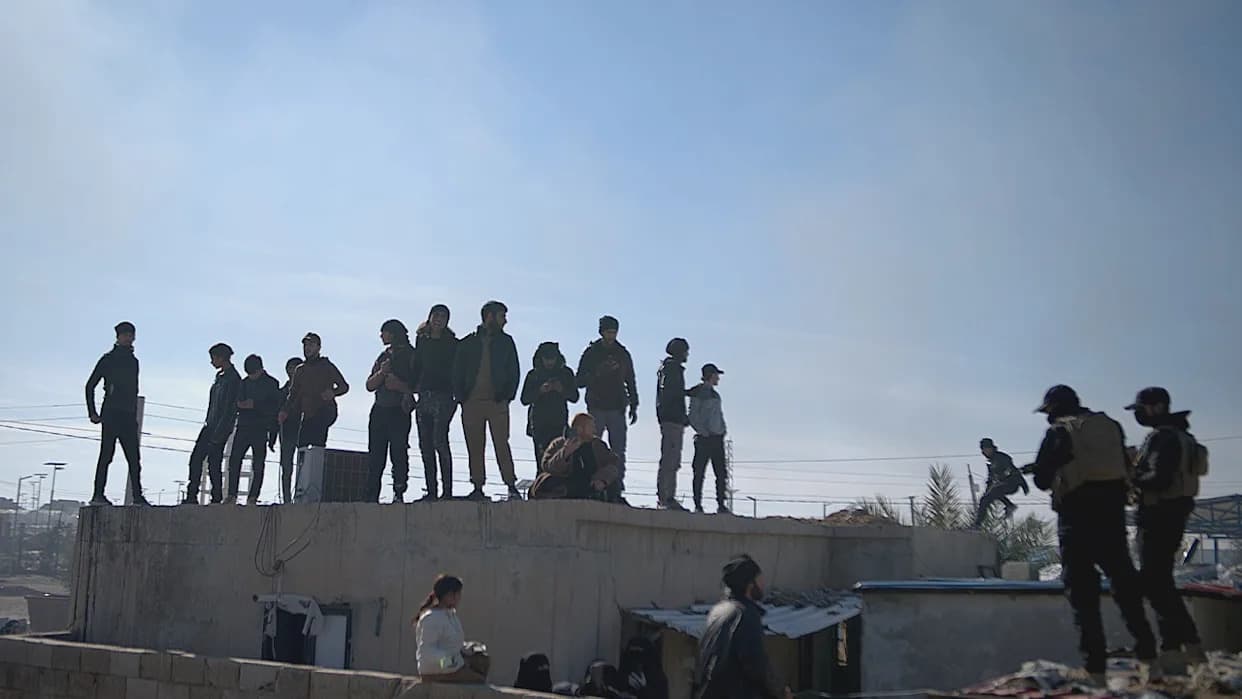
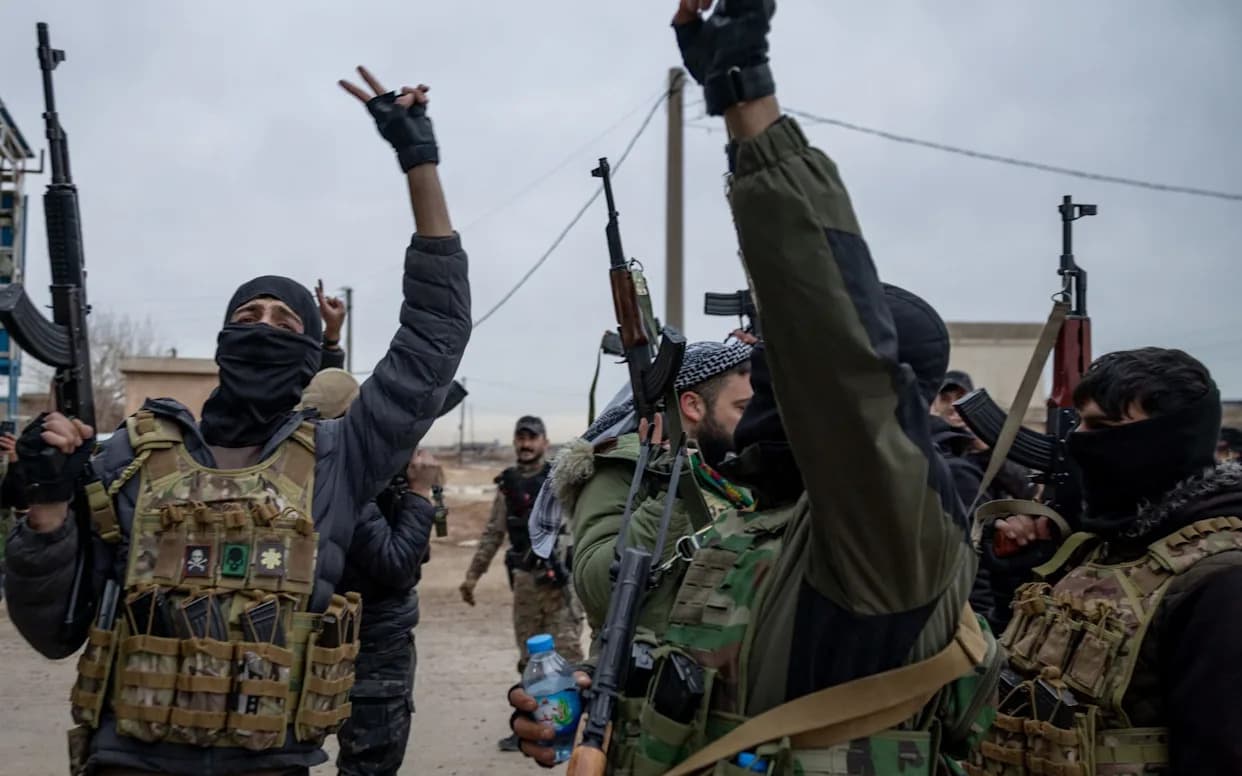
ISIS fighters still at large after Syrian prison break, contributing to volatile security situation
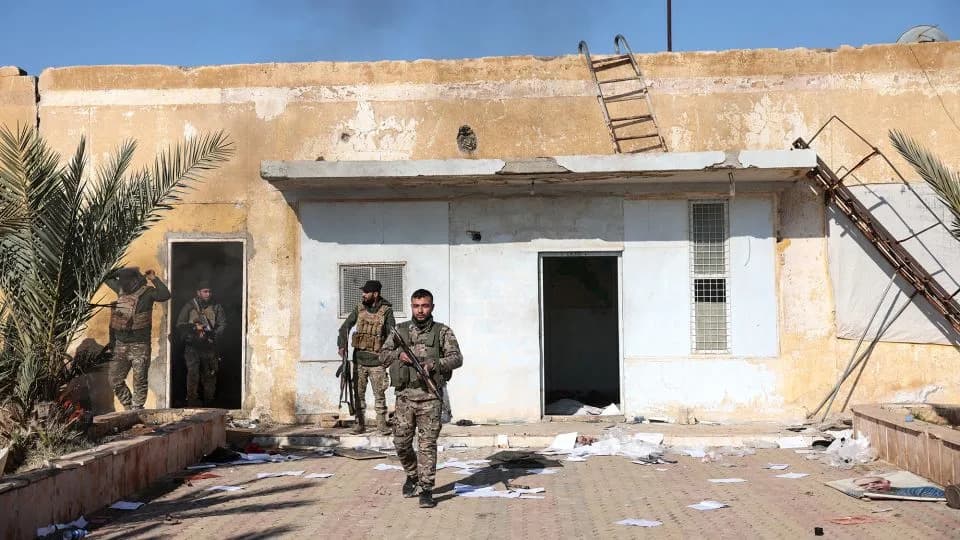
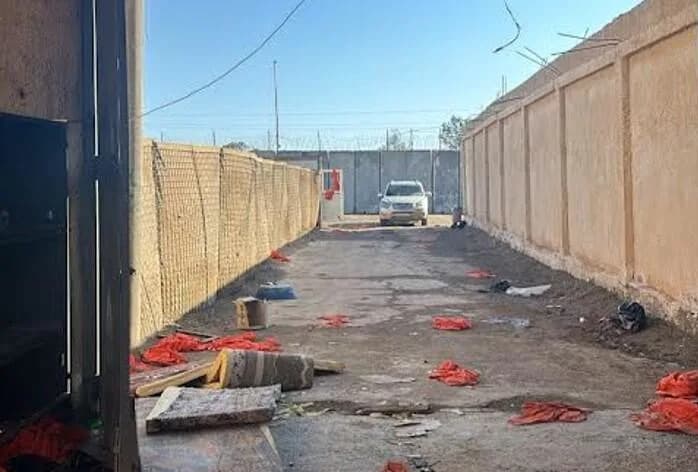
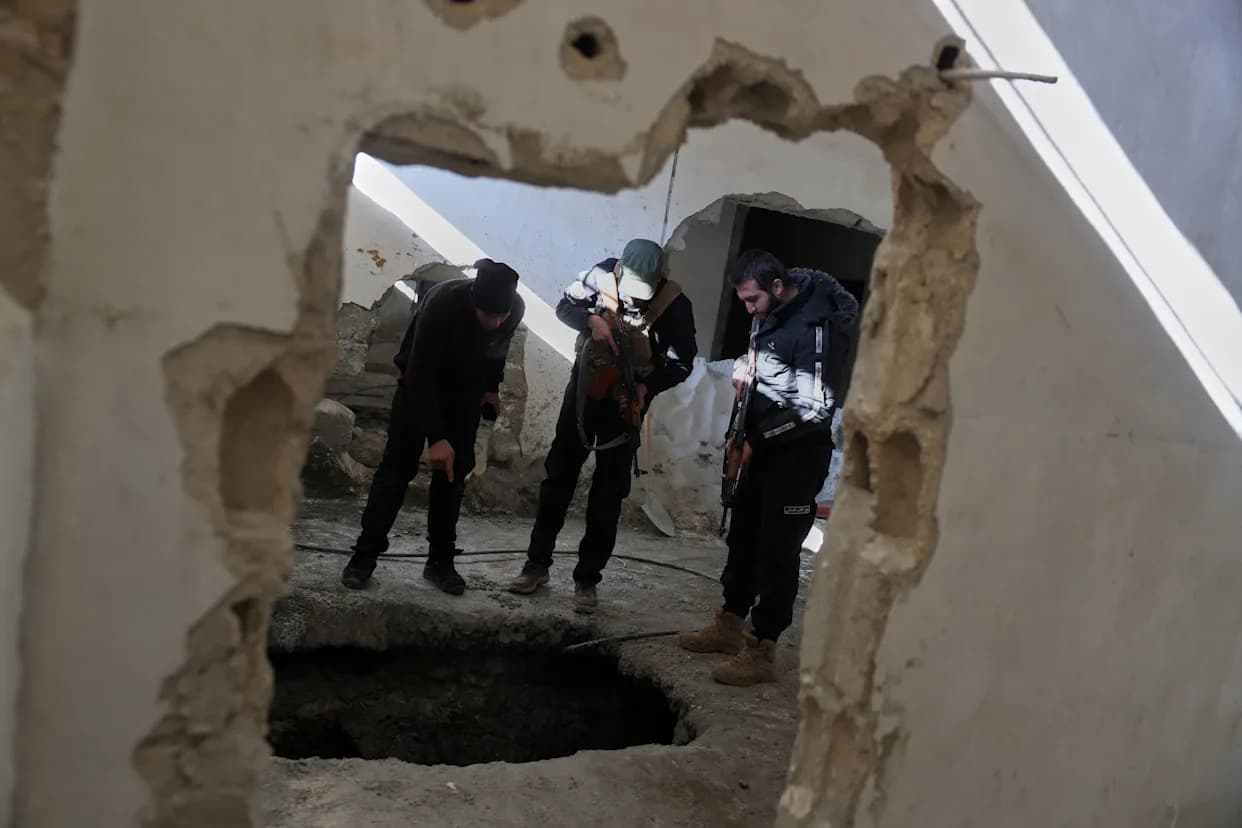
Some Islamic State (ISIS) detainees who escaped during a Jan. 19 prison break in Hasakah province, northeastern Syria, remain unaccounted for, analysts say. The unrest—sparked by clashes between Syrian government forces and the Kurdish-led Syrian Democratic Forces (SDF)—created chaos that made tracking all escapees difficult.
Emergency Transfers To Iraq
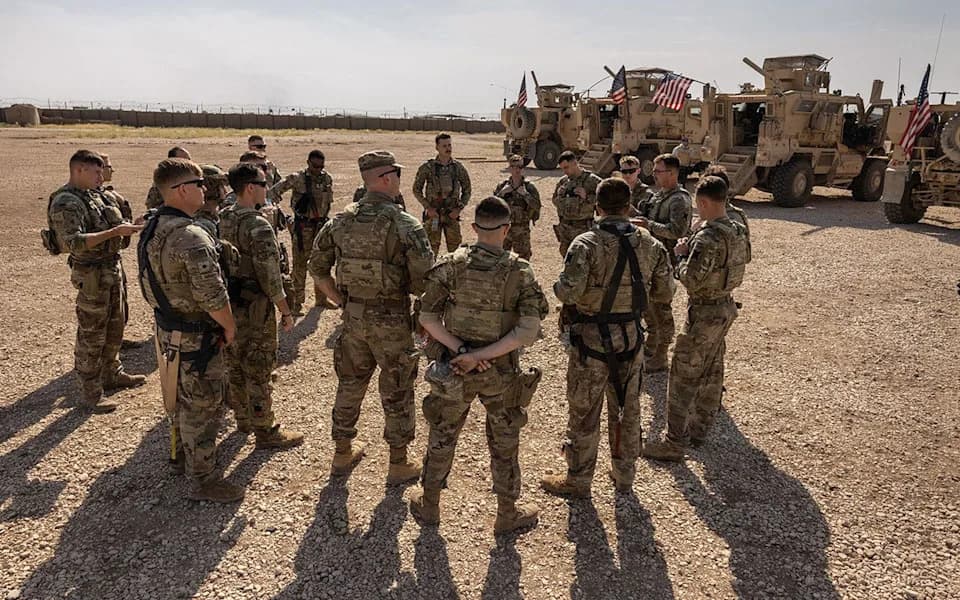
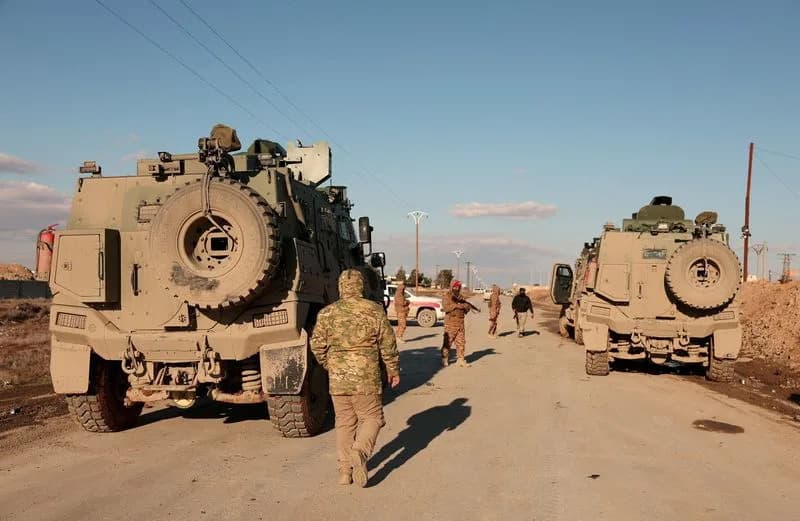
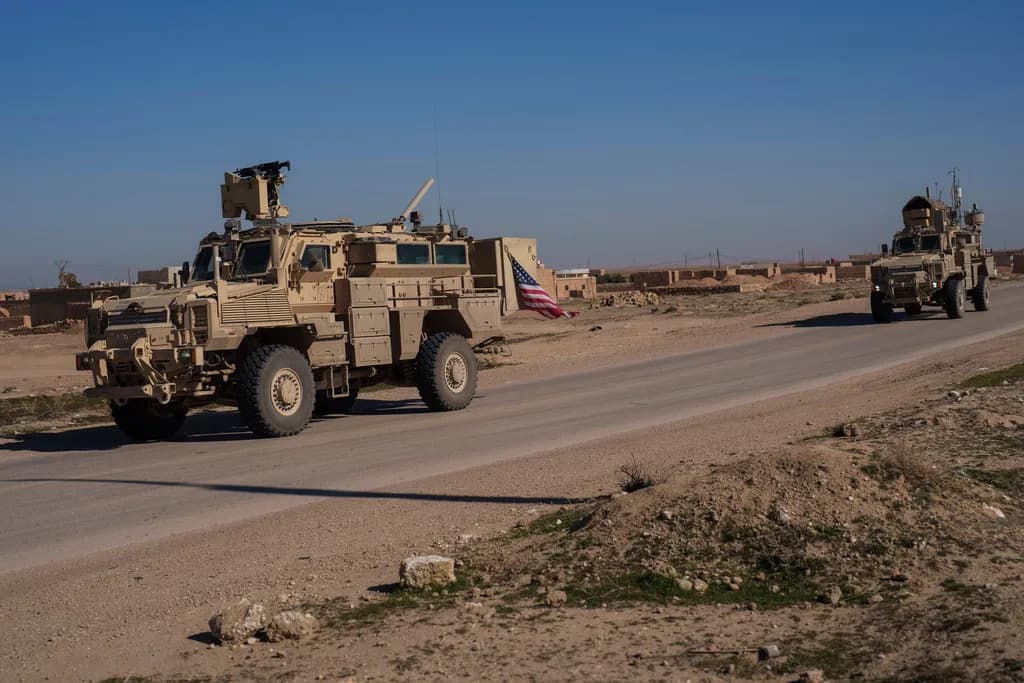
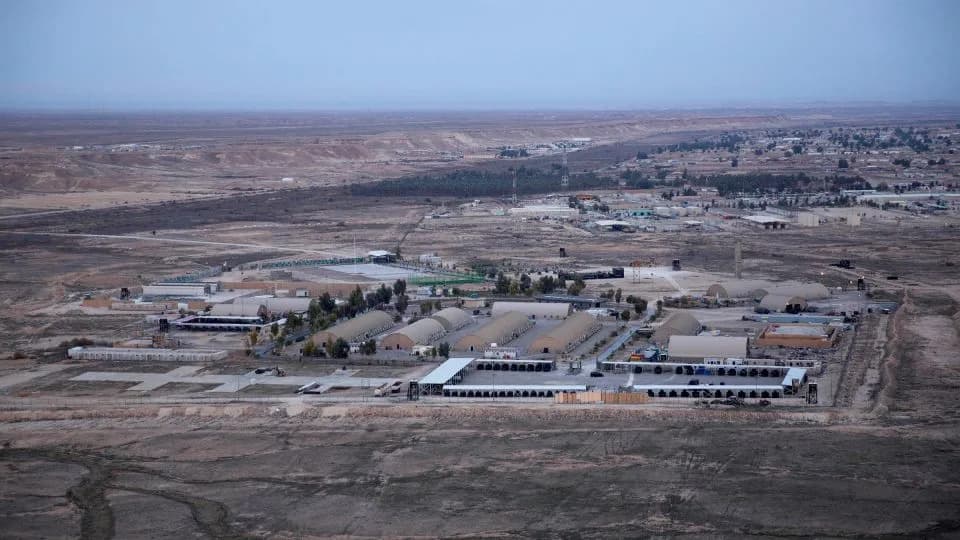
U.S. Central Command (CENTCOM) confirmed on Jan. 21 that American forces have begun emergency transfers of male ISIS prisoners from detention centers in northeast Syria to secure facilities in Iraq. CENTCOM said roughly 150 fighters have already been moved and that as many as 7,000 detainees could be transferred if required. An Iraqi intelligence official told The Associated Press that Iraq received an initial batch of 144 detainees, with further transfers planned by aircraft.
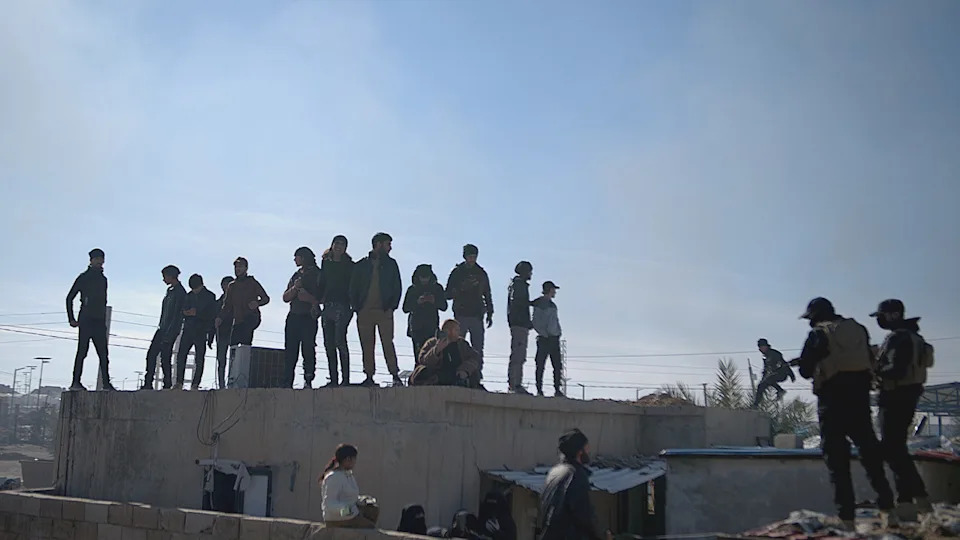
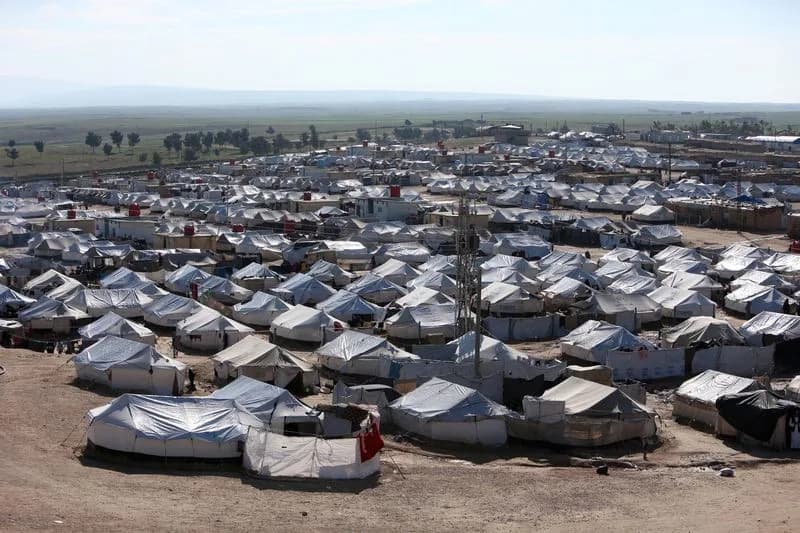
Syrian security forces increased security measures at Al-Hawl refugee camp.(Getty Images)
Who Is Being Moved—and Who Is Staying
Analysts say the transfers cover only male detainees held in prison facilities. Women and children—many of whom are relatives of ISIS fighters—remain in detention camps such as the al-Hawl camp, which has held tens of thousands of individuals since ISIS lost territorial control in 2019. Those in camps are processed differently and remain under local authorities’ control.
Nanar Hawach, a Syria analyst with the International Crisis Group, told Fox News Digital: "Damascus claims most of the escapees were recaptured, but some remain at large. The exact number unaccounted for is unclear because the chaos made tracking them all impossible."
Security And Legal Concerns
Officials and experts stress that moving detainees to Iraq is an emergency security measure intended to reduce the risk of further mass breakouts. Analysts caution, however, that this does not solve the broader, long-term challenge: the detention system in northeast Syria is fragile, underfunded and effectively temporary.
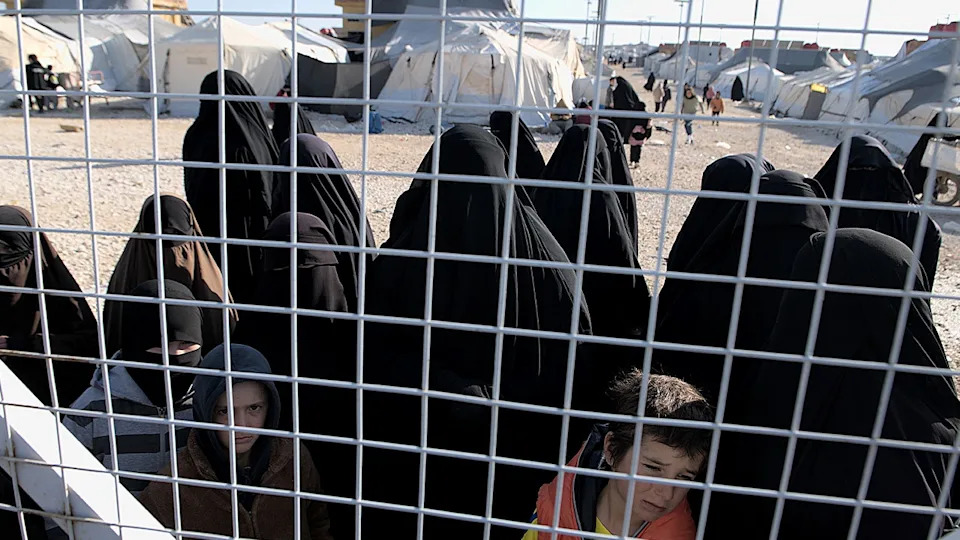
ISIS wives and children remain in "fragile" Syrian detention camps under Damascus' control while male fighters are transferred to Iraq, leaving the detention crisis unresolved.
Human rights groups have raised concerns about trial procedures and the legal safeguards detainees would receive in Iraq. Analysts counter that the immediate priority—preventing additional escapes and reconstitution of ISIS cells—has guided the emergency transfers.
Long-Term Questions Remain
Repatriation of women and children to their countries of origin remains politically fraught and has proceeded only slowly. Experts say some camp residents are ideologically committed to ISIS while others are not, and distinguishing among them requires case-by-case assessments that have not been implemented at scale.
Tom Barrack, the U.S. special envoy for Syria, told reporters this week that the original role of the SDF as the principal anti-ISIS ground force "has largely expired," and that Damascus is now positioned to assume broader security responsibilities, including control of detention facilities and camps. The transfers to Iraq address an acute security crisis but leave unresolved the long-term problem of how to manage and adjudicate the thousands detained across northeast Syria.
Sources: CENTCOM, International Crisis Group, The Wall Street Journal, The Associated Press, Fox News Digital.
Help us improve.