British authorities quietly repatriated six women and nine children from the al-Roj detention camp in north-eastern Syria, a facility that holds around 2,400 women, many linked to IS. Nearly 30 people with British ties remain detained, and Shamima Begum — stripped of UK citizenship in 2019 — remains in the camps while challenging her nationality revocation at the ECHR. Recent fighting and the SDF withdrawal from the nearby al-Hol camp have sparked jailbreaks and renewed security concerns for detainees and neighbouring countries.
UK Quietly Repatriated Six 'IS Brides' And Nine Children From Syrian Camp — Security Concerns Persist
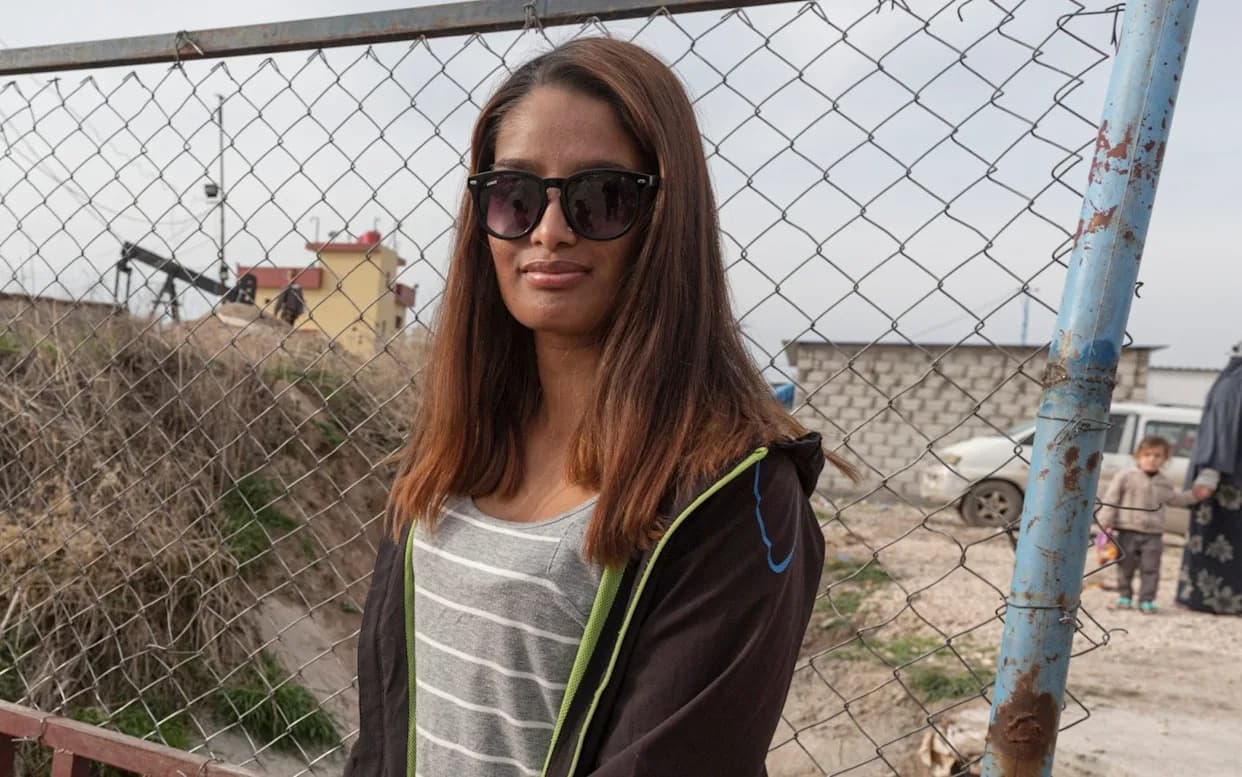
Shamima Begum, 26, travelled to Syria at the age of 15 with two other schoolgirls in support of IS - Sam Tarling for The Telegraph
British authorities have quietly repatriated six women who married Islamic State (IS) fighters and nine children from the al-Roj detention camp in north-eastern Syria, reports say. The returns, carried out in recent years, place renewed focus on the security, legal and humanitarian challenges of handling foreign nationals detained in camps run by local forces.
Who Was Repatriated
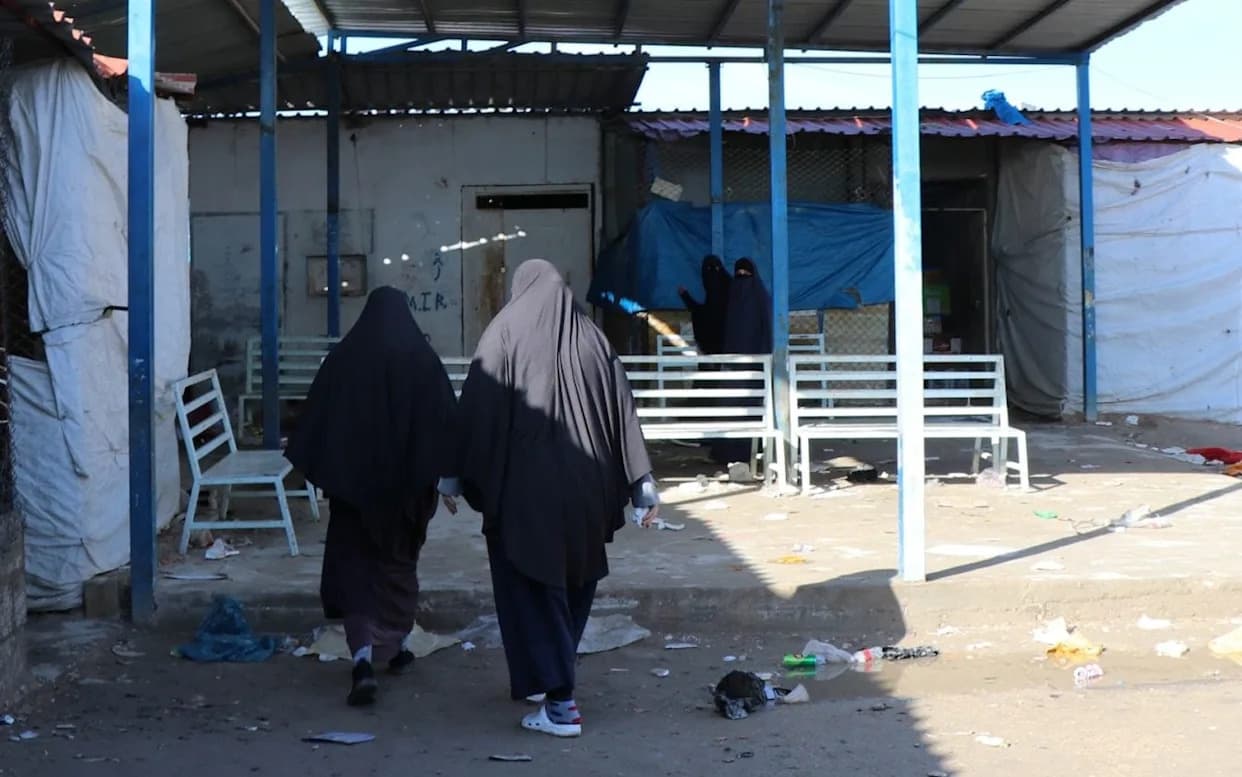
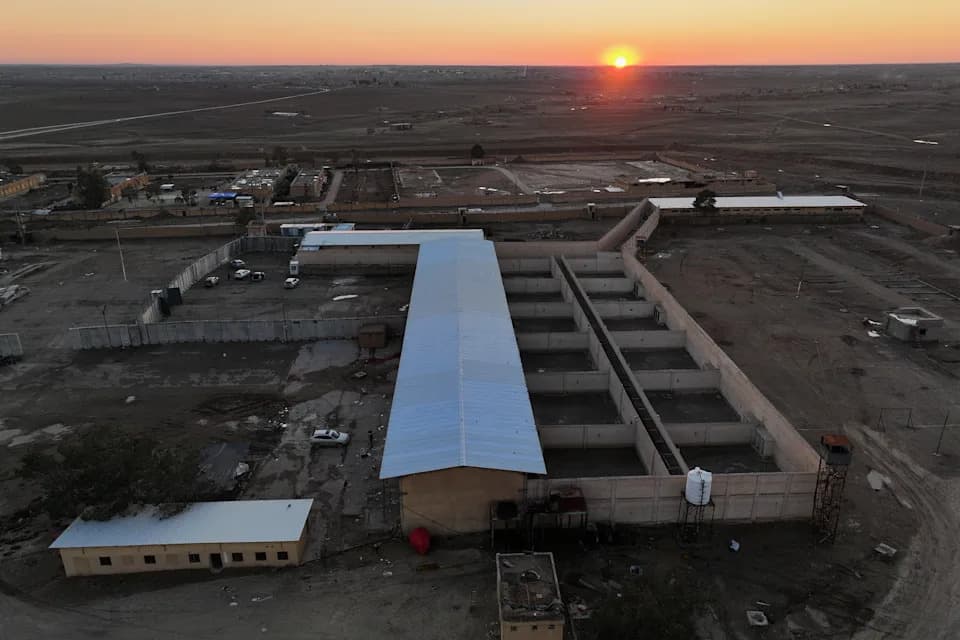
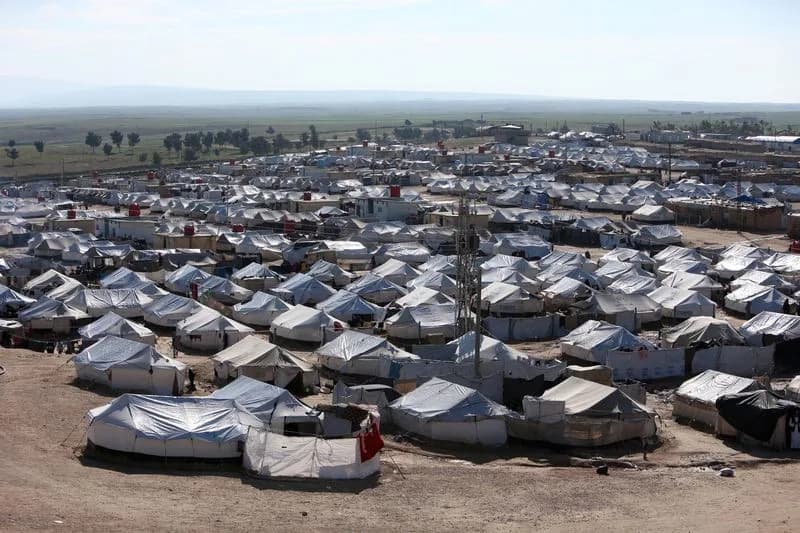
According to camp co-director Rasheef Afrin and reporting in The Times, six women and nine children were transferred from al-Roj — a facility near Syria’s north-eastern border with Iraq that is estimated to hold about 2,400 women, many of them foreign wives or widows of men linked to IS.
British Nationals Still Detained
Sources say almost 30 women and children who currently hold or previously held British passports remain at al-Roj. The camp is controlled by the Kurdish-led Syrian Democratic Forces (SDF), which has been under increasing military pressure in parts of the region.
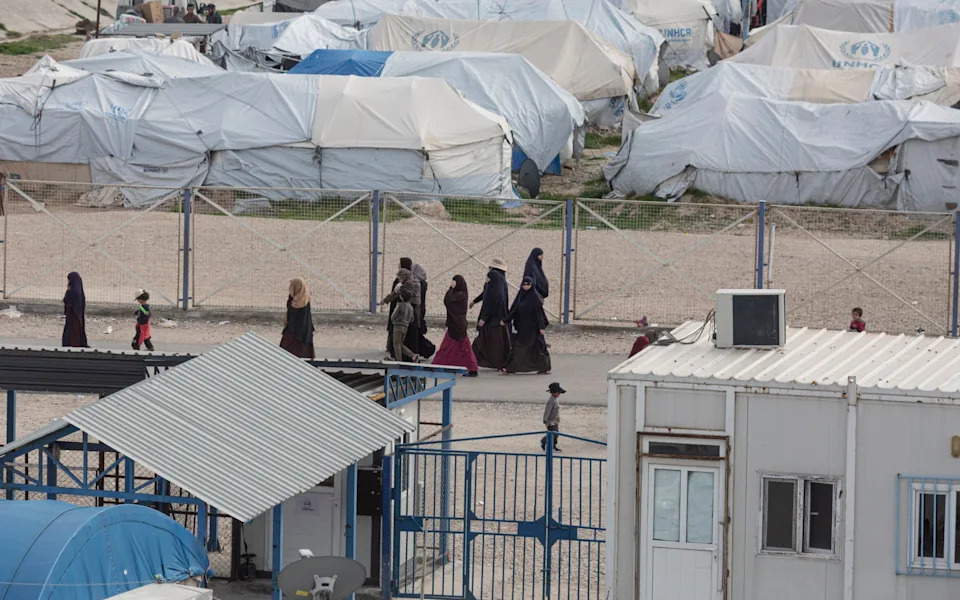
Women walking through al-Roj detention centre in north-eastern Syria - Sam Tarling for The Telegraph
Shamima Begum And Citizenship Issues
Shamima Begum, 26, from Bethnal Green, travelled to Syria in 2015 at the age of 15 with two schoolfriends and married a jihadi fighter shortly after arriving. The UK Home Office revoked her British citizenship on national security grounds in 2019, preventing her return. Begum has been detained in the camps since at least 2019 and her lawyers have lodged a fresh challenge at the European Court of Human Rights, arguing she was groomed and trafficked and therefore should not have been stripped of nationality.
Security Concerns After Recent Fighting
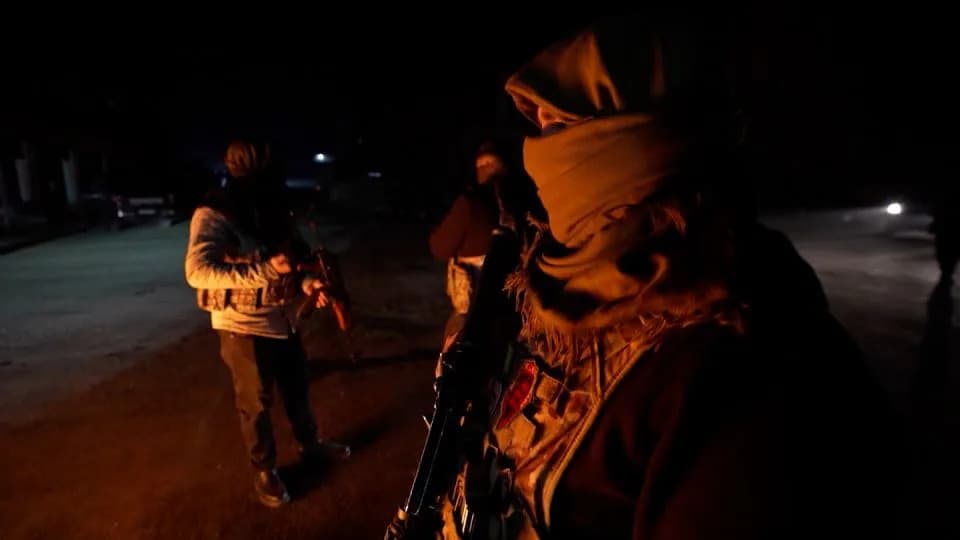
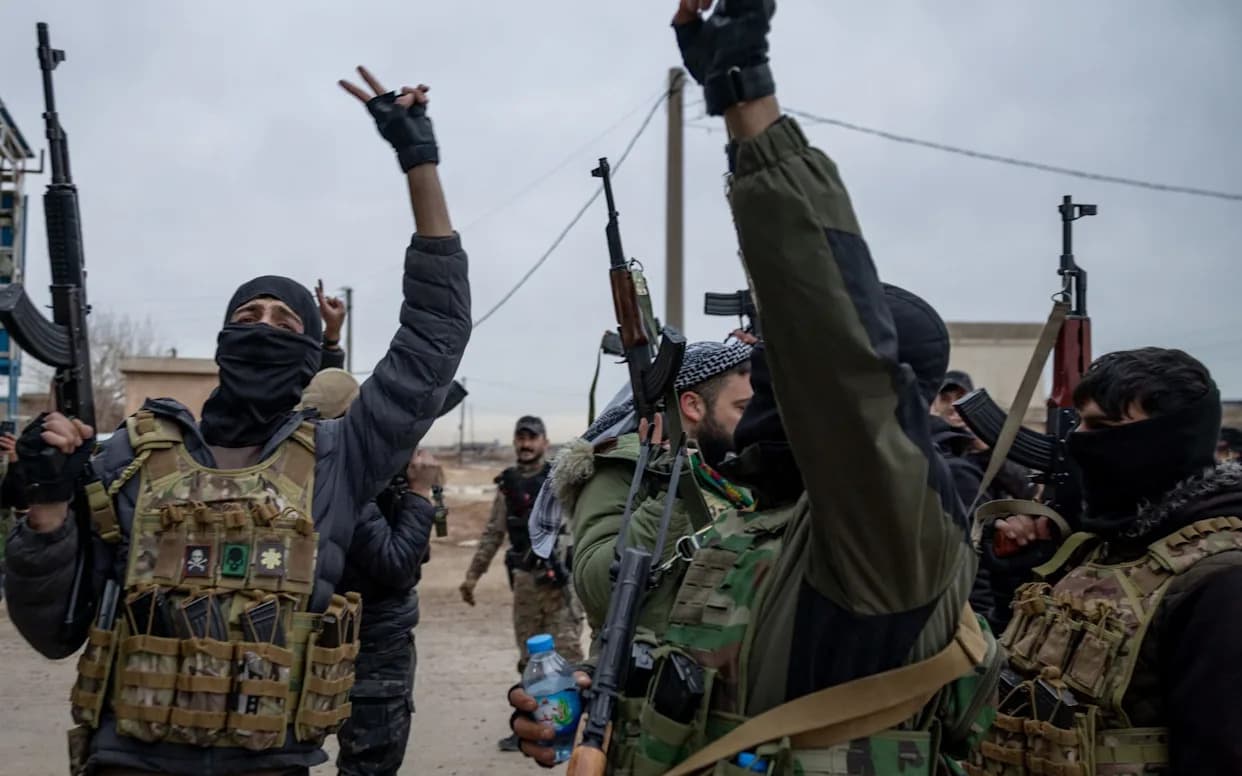
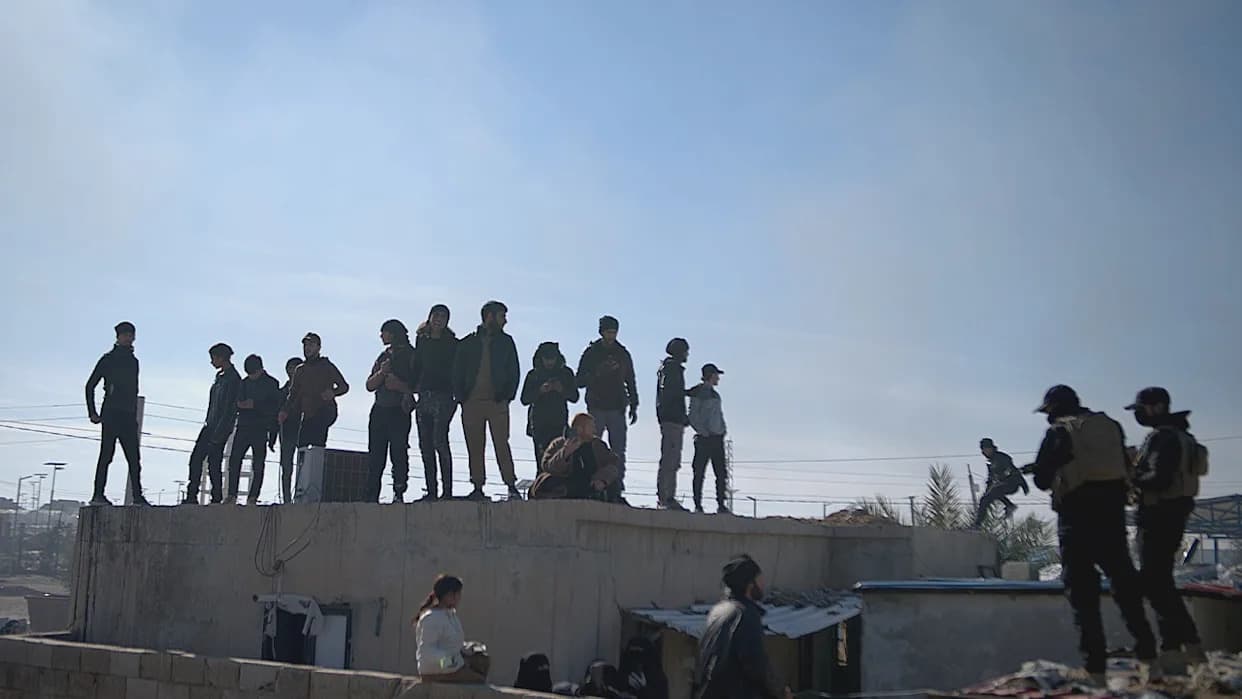
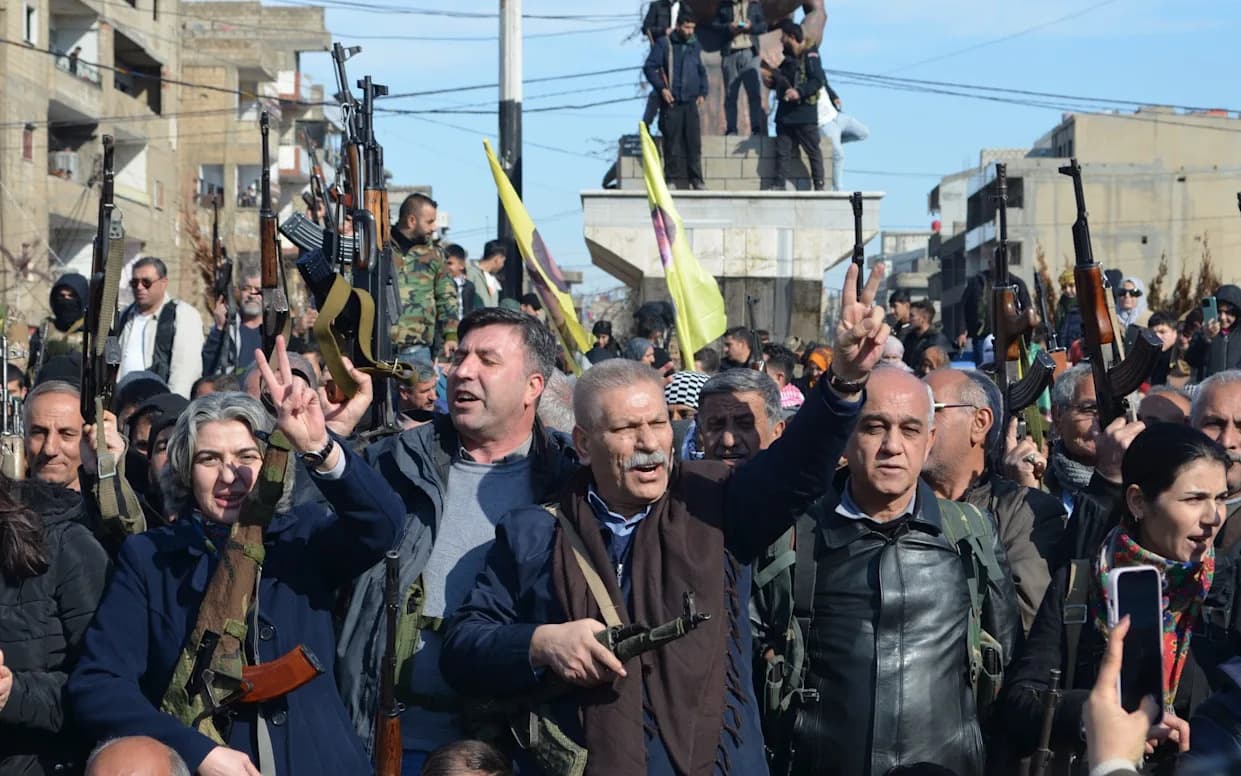
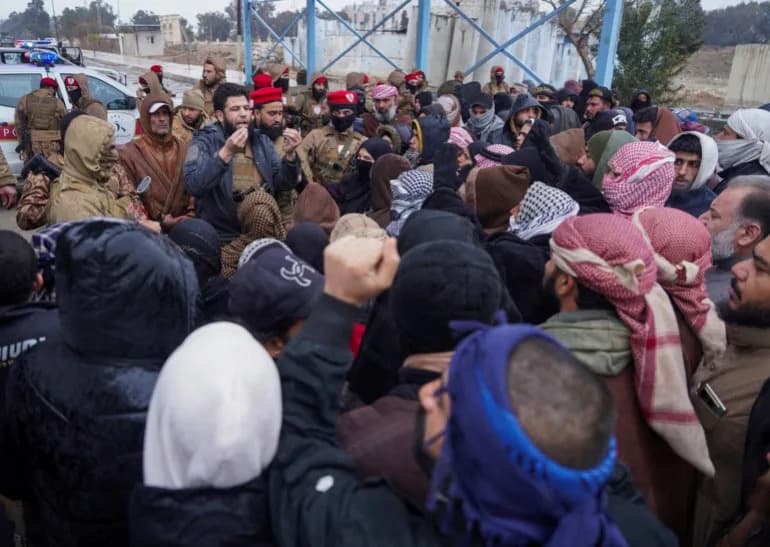
Recent fighting has increased fears for detainee safety and prompted jailbreaks. Last week the SDF withdrew from the nearby al-Hol camp — a much larger facility south of al-Roj that houses roughly 23,500 people linked to IS — after an offensive by Syrian government forces. An SDF spokesman blamed the retreat in part on the US decision to reduce support for the coalition, calling it a “failure of the international community.”
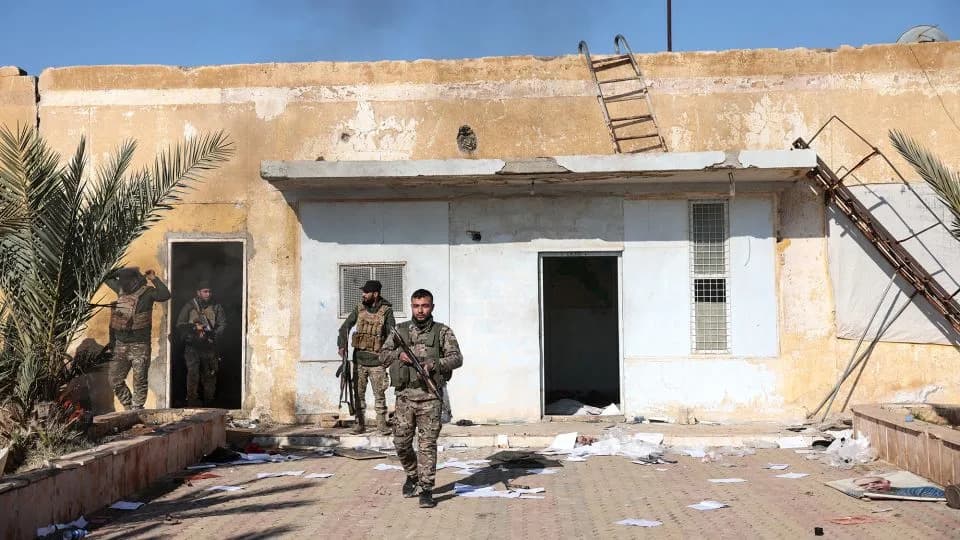
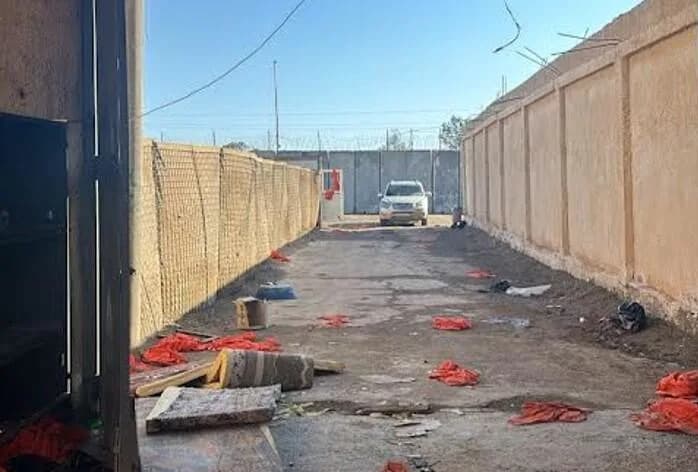
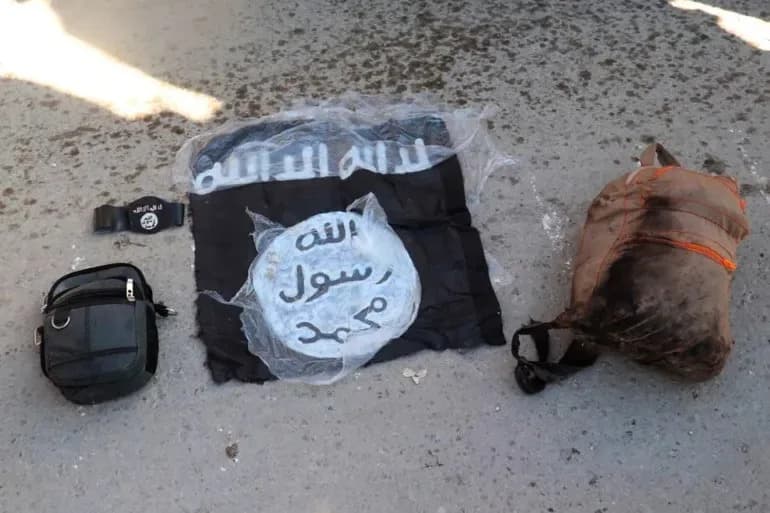
The pullback coincided with reports of jailbreaks and unrest across multiple detention sites in the region. Observers say the network of camps once held an estimated 9,000 suspected IS members, including commanders, and about 40,000 relatives of jihadi fighters. At al-Hol, video showed dozens of women pulling down fences and escaping amid looting and rioting.
“I’m scared because I’m a different person. I’m not a Daeshi. I’m no one. I’m scared for my son,” a British woman detained at al-Roj told CNN. “I was born in England. I was raised in England… I don’t have anyone anywhere else. My mum, my dad, my brothers – all are in England. We are utterly and totally stateless.”
What Comes Next
The repatriations underscore the complex dilemmas governments face when dealing with foreign nationals who joined or were associated with IS: balancing national security, legal obligations, humanitarian concerns and the potential risks of further destabilisation in the region. The status of remaining British nationals, ongoing legal challenges such as Begum's case, and deteriorating camp security will likely keep the issue in public debate.
Help us improve.