The FAA has finalized a rule requiring cockpit voice recorders on new passenger airplanes to store 25 hours of audio, replacing the current two‑hour standard. The requirement applies to new aircraft entering service in 2027 and takes effect immediately, with a 1–3 year compliance window for some smaller planes. Congress separately passed a 2024 law requiring all passenger airplanes to be retrofitted with 25‑hour recorders by 2030.
FAA Mandates 25-Hour Cockpit Voice Recorders for New Passenger Airplanes, Targeting 2027 Models
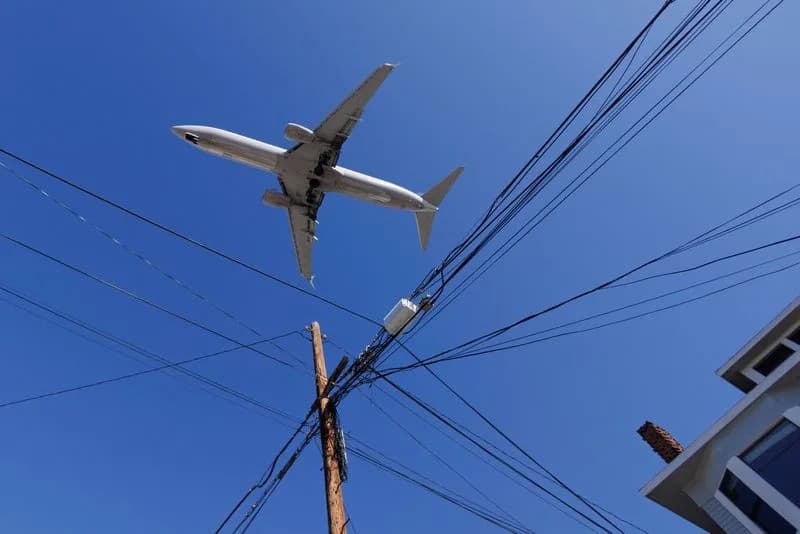
A commercial aircraft approaches to land at San Diego International Airport, in San Diego, California, U.S., January 6, 2022. REUTERS/Mike Blake
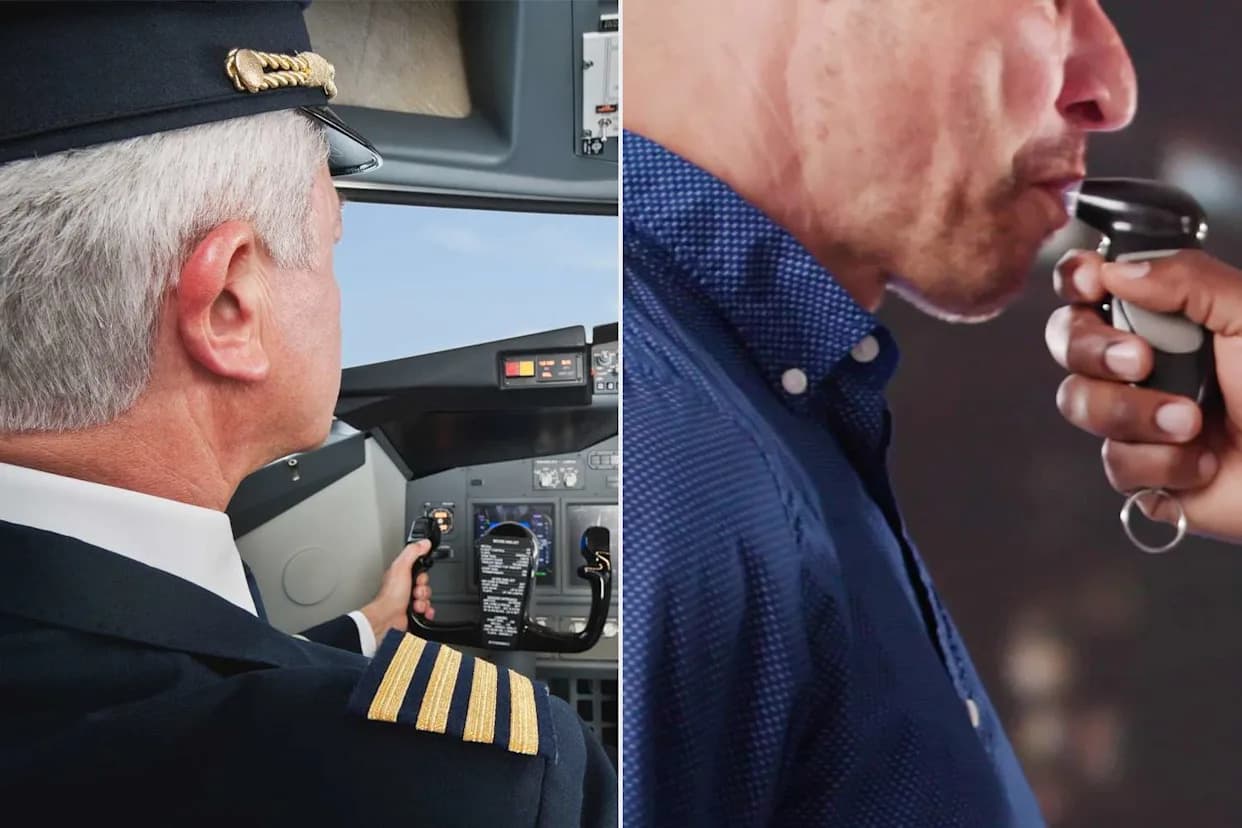
The Federal Aviation Administration (FAA) on Friday finalized a rule requiring cockpit voice recorders on new passenger airplanes to retain 25 hours of audio, a major increase from the current two‑hour loop. The change is aimed at improving investigators' ability to reconstruct incidents by preserving a longer record of radio transmissions, pilot conversations and cockpit sounds such as engine noise.
Background
The National Transportation Safety Board (NTSB) has pushed for extended cockpit recordings since 2018, noting that the United States lagged behind many other countries in adopting longer-duration recorders for commercial aircraft. Investigators and safety officials say additional recorded hours can be crucial to determining the causes of accidents and preventing future ones.
Implementation and Timing
The new requirement applies to new passenger airplanes introduced in 2027. Although the rule takes effect immediately, the FAA is allowing some smaller aircraft manufacturers and operators a grace period of one to three years to comply. Separately, Congress passed legislation in 2024 that mandates retrofitting all passenger airplanes with 25-hour recorders by 2030.
What This Means For Airlines and Manufacturers
Aircraft manufacturers will need to integrate longer-duration recorders into new designs, and airlines will face retrofit deadlines for in-service fleets under the 2030 law. The FAA says the measure is a targeted safety improvement intended to give investigators more context when reconstructing events that lead to incidents or crashes.
Reporting by David Shepardson in Washington; Editing by Chizu Nomiyama
Help us improve.