The Swiss Transportation Safety Investigation Board (STSB) found that a damaged skin check valve, not replaced for eight years, caused a September 2024 emergency descent and return to Zurich by a SWISS A330. A 2016 manufacturer service bulletin recommended replacement and the valve should have been inspected every 24 months, but neither action was taken. The crew donned oxygen masks, descended at about 5,000 ft/min and landed safely; no injuries were reported.
Eight-Year Delay To Replace Faulty Valve Forced SWISS A330 To Make Emergency Return, Investigation Finds
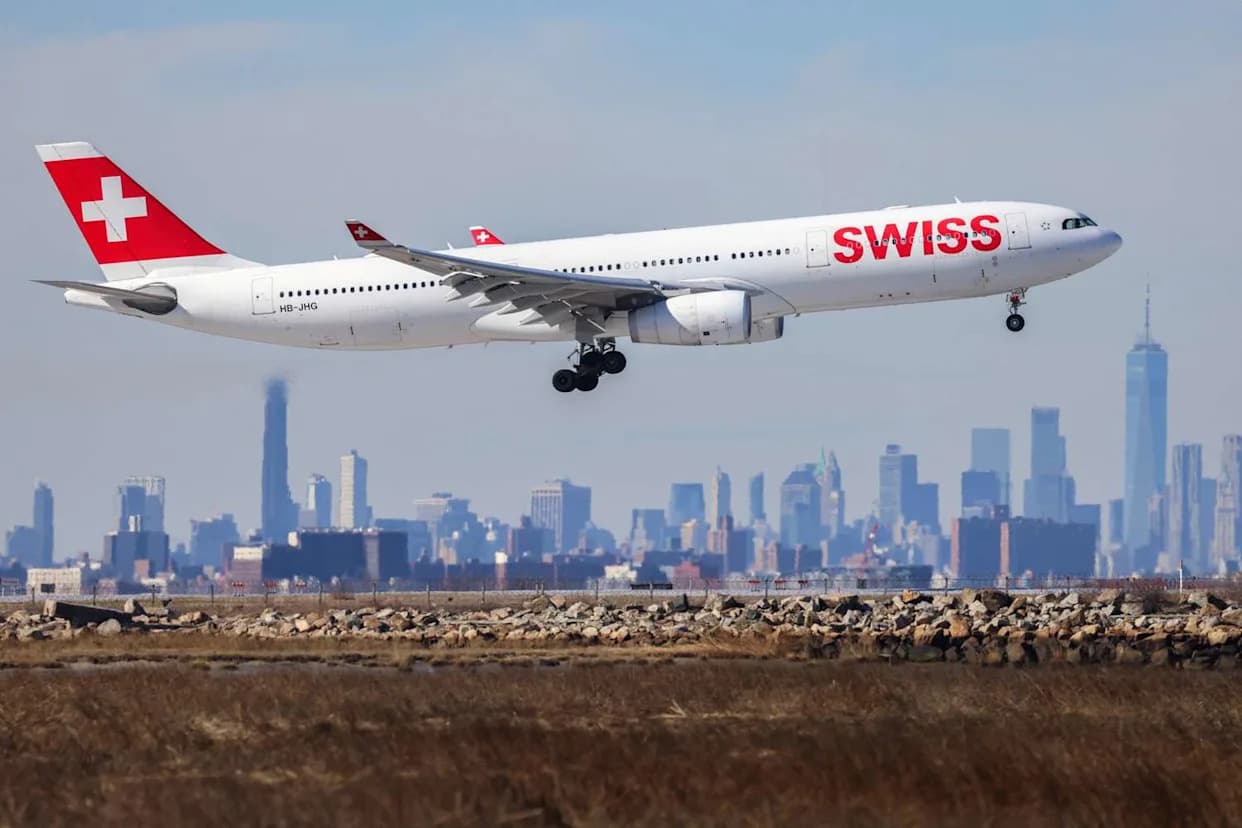
Swiss International Air Lines planeCHARLY TRIBALLEAU/AFP via Getty
A Swiss transportation safety investigation has concluded that a defective skin check valve that had not been replaced for eight years caused an emergency descent and return to Zurich by a SWISS International Air Lines Airbus A330 in September 2024.
What Happened
The Swiss Transportation Safety Investigation Board (STSB) published its final report on Jan. 19, saying the A330 departed Zurich Airport for a transatlantic flight to Newark Liberty International Airport when a pressurization problem emerged during climb. Although the flight crew adjusted system settings, the damaged skin check valve prevented the cabin from building the required differential pressure.
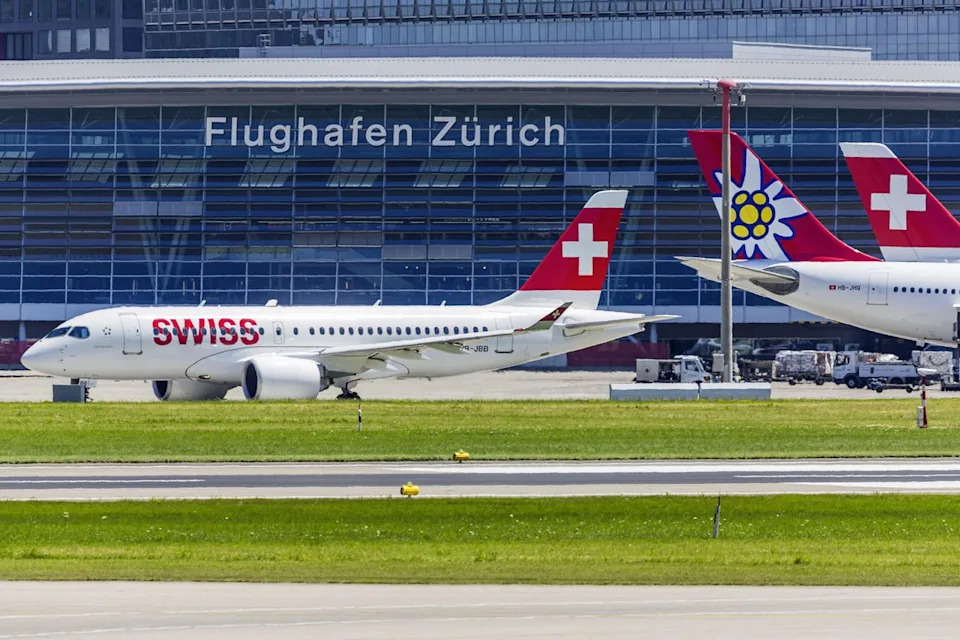
Zürich International AirportArnulf Hettrich/imageBROKER/Shutterstock
Onboard Response
Both outflow valves were indicated as fully closed, but the cabin pressure system "was unable to build up sufficient cabin differential pressure," the report said. The pilots donned oxygen masks, initiated an emergency descent and manually deployed the cabin oxygen masks for passengers and crew before returning to Zurich, where the aircraft landed without further incident.
"It can sometimes be difficult for cockpit crews to detect such a slow pressure drop (subtle decompression), especially during the initial climb," the STSB noted, warning that this can rapidly create a dangerous situation.
Technical Findings
The STSB found the skin check valve was severely damaged and had not been replaced for eight years. A manufacturer service bulletin issued in 2016 recommended replacing the original skin check valve with a modified unit at the earliest opportunity. The manufacturer also specifies that the valve should be removed, inspected and reinstalled every 24 months; that inspection cycle was not followed in this case.
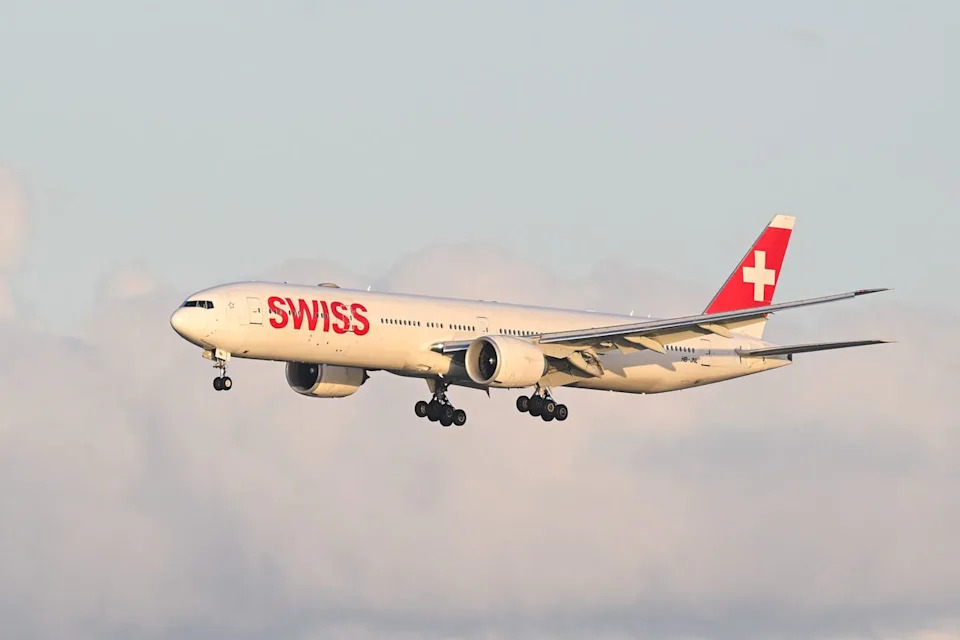
Swiss International Air Lines planeTayfun Coskun/Anadolu via Getty
Passengers And Crew
The aircraft carried two pilots, 10 cabin crewmembers and 205 passengers. During the descent the crew recorded a rate of about 5,000 feet per minute. Everyone on board evacuated the aircraft normally after landing and there were no injuries.
Accountability And Response
Investigators said the airline knew about the faulty valve and that cost considerations were cited as a reason for delaying the maintenance. The STSB described the airline's failure to inspect or replace the part as "incomprehensible from a safety perspective." PEOPLE contacted Swiss International Air Lines and the Lufthansa Group for comment but did not receive an immediate response.
Implications
The STSB's findings underscore the importance of following manufacturer service bulletins and routine inspection cycles for critical pressurization components. Slow or subtle decompression events can be hard to detect early, increasing risk during the climb phase of flight.
Help us improve.