The FAA has entered a partial shutdown less than three months after a prior funding lapse that disrupted travel. Although this interruption may be short and confined to a weekend, aviation leaders and the controllers’ union warn it adds strain to a system already coping with staffing shortages and aging equipment. Key proposals — including bills to guarantee controller pay during shutdowns and the bipartisan ROTOR Act tied to last year’s deadly Washington crash — have stalled amid political resistance.
FAA Enters Partial Shutdown Again — Short Weekend Lapse Expected Amid Travel Concerns
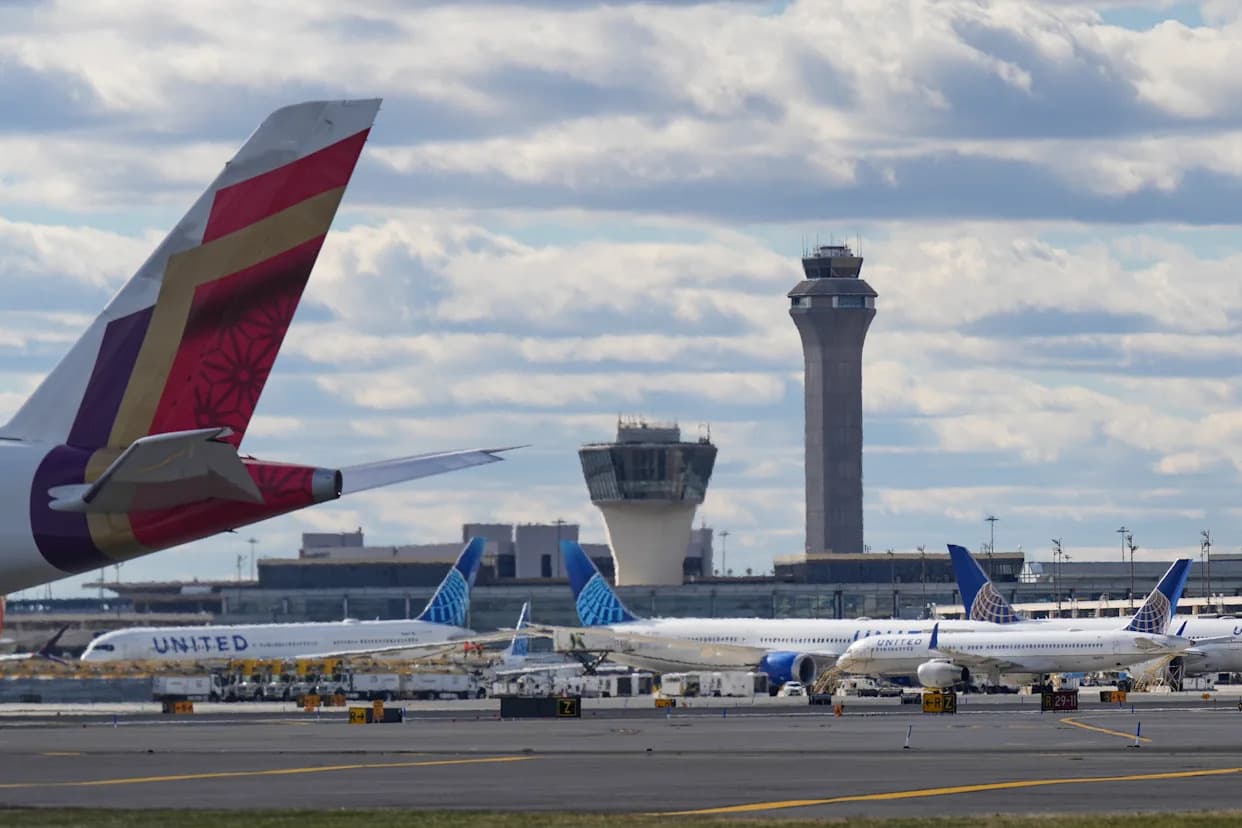
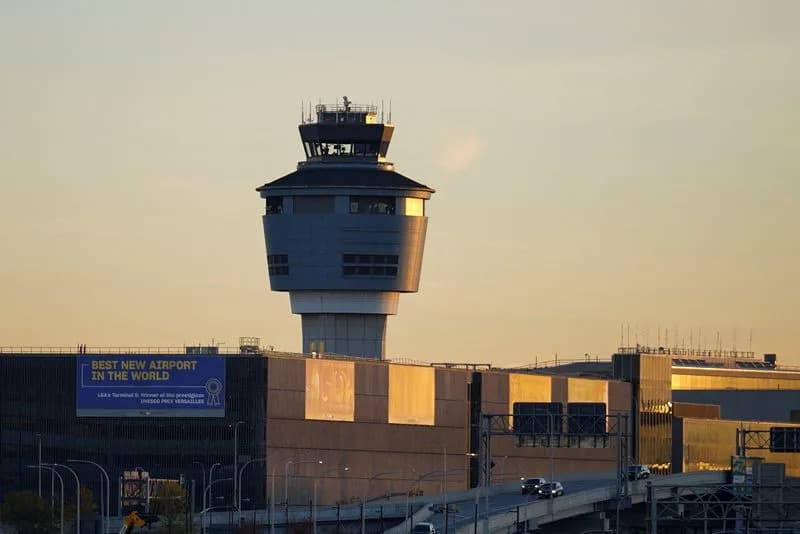
The Federal Aviation Administration (FAA) has entered a partial shutdown less than three months after a previous lapse in funding triggered widespread travel disruption for U.S. flyers.
This latest appropriations lapse appears likely to be brief and possibly limited to a weekend, which reduces the immediate risk of major nationwide interruptions to air service. Still, industry groups, controllers’ unions and lawmakers warned that another funding gap so soon after last fall’s chaos will renew strain on an aviation system already coping with staffing shortages and aging infrastructure.
Funding for the FAA and the Department of Transportation was included in a broad spending measure, H.R. 7148, that the Senate approved Friday by a 71-29 vote. Because the Senate amended the bill the House had passed, it must return to the House — which is out of session until Monday — creating the lapse that began Saturday morning. President Donald Trump has expressed support for the package.
Lawmakers and aviation leaders pointed to the long-term risks of repeated stop-start funding. Federal investigators this week placed much of the blame for last year’s deadly Washington crash — which killed 67 people — on shortcomings at the FAA, adding urgency to concerns about maintenance, staffing and oversight.
“I am concerned about the impact on the Department of Transportation,” Sen. Richard Blumenthal (D-Conn.) said. Sen. John Hickenlooper (D-Colo.) added, “Let’s hope it’s a very short shutdown.”
During the record 43-day funding lapse last year, the FAA experienced a wave of controller absences. More than a month into that shutdown, the agency imposed mandatory flight reductions at 40 busy airports to ease pressure on its workforce; those restrictions were later lifted. Airline cancellations became one of the most visible consequences of Congress’ extended deadlock.
The National Air Traffic Controllers Association (NATCA) warned that repeated funding gaps create “unnecessary strain” on frontline workers and the broader aviation system. NATCA said that controllers are set to miss part of their pay on Feb. 17 if the shutdown persists and would receive no pay on March 3 — a timeline that suggests staffing impacts could emerge later rather than immediately.
Airlines for America (A4A), which represents major U.S. carriers, urged Congress to protect FAA funding, noting that the last shutdown affected more than 6 million passengers and had an estimated economic impact of $7 billion.
Lawmakers have proposed fixes. The House Transportation Committee approved H.R. 6086, which would allow the FAA to continue paying controllers during shutdowns; Sen. Jerry Moran had introduced a related Senate bill, S. 1045. But the legislative effort has stalled amid skepticism from key appropriators and competing priorities on Capitol Hill.
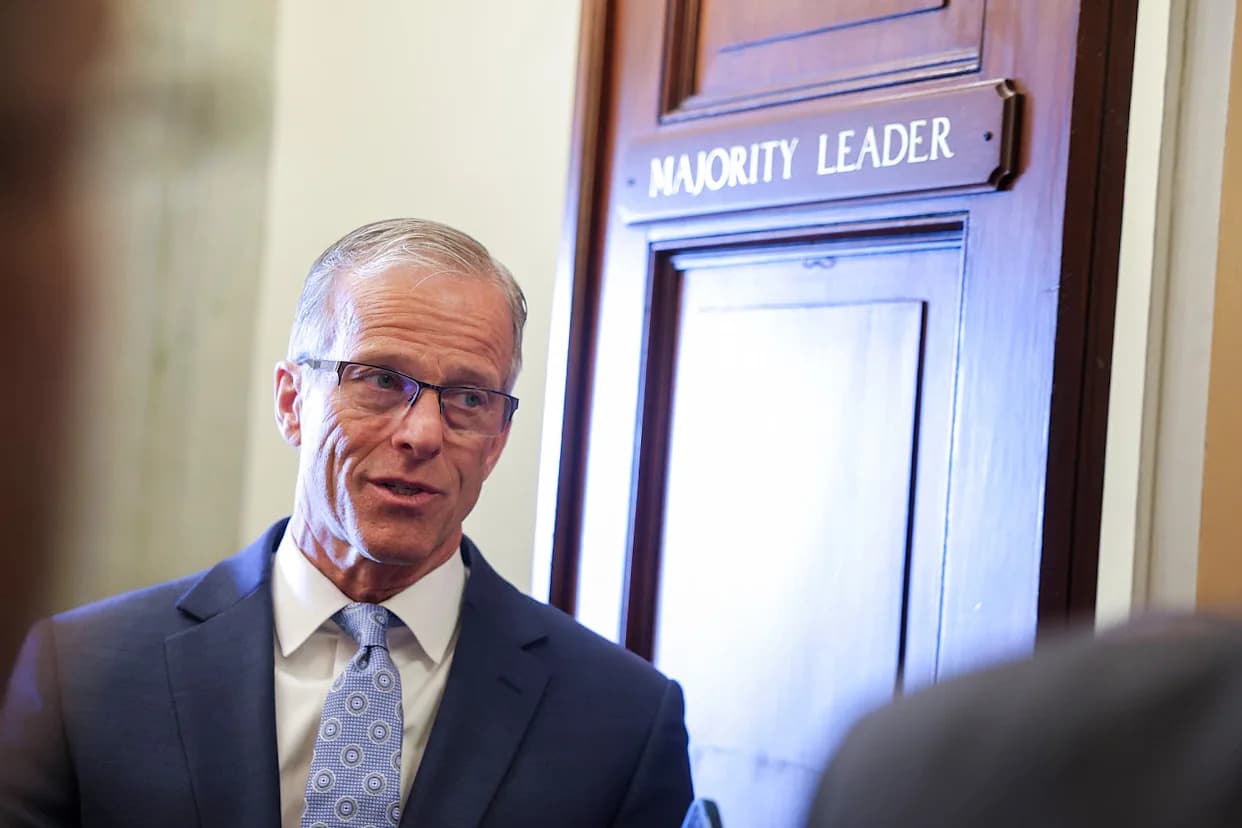
Separately, Senate leaders sought to attach the bipartisan ROTOR Act — legislation aimed at addressing problems related to the Washington crash — to the appropriations package. The ROTOR Act won unanimous Senate approval in December but did not receive a floor vote as an amendment on Friday and faces opposition from House Transportation Chair Sam Graves (R-Mo.), who has raised concerns about its potential effects on general aviation.
As lawmakers rush to reconcile the amended spending measure, aviation industry officials, union leaders and some senators warned that even a short funding lapse increases uncertainty for travelers and for the FAA workforce. Pavan Acharya contributed to this report.
Help us improve.